
FCA Authorised - Firm Ref 1029698
5* rated broker on Google
13+ years specialist broking
Craft Brewery Insurance UK — Specialist Cover for Microbreweries, Taprooms & Beer Producers
Specialist UK craft brewery insurance from an FCA Authorised broker. Cover built around the actual exposures of UK beer producers — HMRC excise registration, AWRS wholesale, Licensing Act 2003 taproom liability, equipment breakdown on long-lead fermenters, batch contamination, product recall, and the unique manufacturing-meets-hospitality risk profile of modern craft brewing.
UK craft brewery insurance — what's actually at stake in 2026
UK craft brewing sits at the intersection of manufacturing, hospitality, and regulated alcohol production. Generic commercial cover doesn't address the unique stack of HMRC excise duties, licensing requirements, equipment breakdown exposure, and batch contamination risk that defines the sector.
Every UK brewery needs to navigate this six-layer compliance stack
UK craft brewing is one of the most heavily regulated UK manufacturing sectors — HMRC excise, alcohol licensing, food safety, wholesale registration, and trade effluent consent all interact. Specialist brewery insurance must align with all six layers, because non-compliance gaps become insurance non-disclosure events.
All commercial brewers must register with HMRC for excise duty using form EX64. 4-8 week approval typical. HMRC may inspect premises before granting permission. Critical for any beer production above 1.2% ABV.
Reformed framework from 1 August 2023 with single monthly return. Draught duty cut applied 1 Feb 2025. All main duty rates increased in November 2025 Budget. Reduced rates available for smaller producers.
Required if you sell alcohol to other businesses (pubs, retailers, distributors). 45-90 day approval. HMRC verifies financial records, ownership, and supply chain. Must only trade with other AWRS-approved wholesalers.
Required for taprooms, brewery shops, and on-site retail. Application fee £100-£635 depending on rateable value. Processing 6-10 weeks. Designated Premises Supervisor (DPS) with Personal Licence required.
Brewery counts as a food business — local authority registration required. HACCP (Hazard Analysis and Critical Control Points) food safety system mandatory. Hygiene rating affects taproom reputation and insurance.
Brewery wastewater (high BOD/COD load) typically requires Trade Effluent Consent from the water company. Without it, environmental prosecution risk. Affects EIL insurance scope and renewal underwriting.
UK craft brewery risk hotspots — the six perils that drive most claims
Craft brewing combines six distinct risk environments — manufacturing, hospitality, pressurised gas handling, batch processing, distribution, and event hosting. The six perils below account for the overwhelming majority of UK craft brewery claims.
Equipment breakdown
Fermenter failure, chiller breakdown, brewhouse mash tun damage. Long lead times (3-12 months for replacement) make Business Interruption critical alongside equipment cover.
Contamination / wild yeast
Bacterial infection, wild yeast contamination, off-flavours from cleaning failures. A single contaminated batch can be £10k-£50k+ in lost stock plus reputational damage.
Tank explosion / over-pressure
Fermenters under positive CO2 pressure can rupture if relief valves fail. Catastrophic property damage and serious injury exposure. PSSR 2000 pressure systems compliance required.
CO2 / nitrogen asphyxiation
Brewing involves stored CO2 (carbonation, purging) and sometimes nitrogen. Confined space asphyxiation risk is a recognised brewery fatality cause. EL and HSE exposure material.
Liquor liability & PL
Intoxicated customer incidents, slips on wet floors, glass injuries, brewery tour liabilities. Combined manufacturing + hospitality footprint elevates PL exposure significantly.
Product recall & contamination
Glass shards in bottles, exploding bottles from over-carbonation, contamination affecting consumer health. Product recall cover essential — distribution chain creates exposure.
What UK craft brewery insurance covers
A specialist package — built around the actual exposures of brewing-meets-hospitality operations. Equipment breakdown, product recall, liquor liability, batch contamination, and taproom liability are the five pillars generic commercial cover misses.
Brewery Buildings & Contents
Full reinstatement value cover for brewery premises, brewhouse, fermentation hall, packaging area, cold store, and taproom. Day One Reinstatement uplift for construction inflation.
Equipment & Machinery Breakdown
Cover for fermenters, brewhouse, chillers, glycol systems, pumps, CIP systems, packaging lines. Includes breakdown cover with long-lead replacement scope.
Stock & Beer in Process
Cover for raw materials (malt, hops, yeast), beer in fermentation, beer in conditioning, packaged stock, and casks/kegs in the trade. Includes deterioration scope.
Public & Products Liability
£2m-£10m for taproom visitors, brewery tours, off-site events. Products Liability for beer sold (exploding bottles, contamination, foreign objects).
Liquor Liability
Cover for incidents involving intoxicated customers, third-party injuries caused by intoxicated patrons, and Licensing Act 2003 enforcement issues.
Product Recall
Cover for the cost of recalling contaminated, mislabelled, or unsafe product from the trade. Essential given multi-pub distribution and bottle/can retail chains.
Employers' Liability £10m
Legally required for staff. Specific scope critical for confined space (tank entry), pressure systems, hot mash exposure, and CO2 handling risks.
Business Interruption
Cover for lost income if equipment breaks, contamination forces shutdown, or premises damaged. Long indemnity period (18-36 months) reflects long fermenter lead times.
Delivery Vehicle Fleet
Cover for brewery delivery vans, refrigerated vehicles, and goods in transit (kegs, casks, cases) between brewery and customers.
What brewery cover does your operation need?
Select your brewery type for a tailored cover recommendation
Microbrewery (Production Only) Cover
- Legal Employers' Liability £10m
- Core Public Liability £2m-£5m
- Critical Products Liability £2m-£5m
- Core Brewery buildings & contents
- Core Equipment & machinery breakdown
- Core Stock cover (raw materials + beer in process)
- Core Contamination scope (batch destruction)
- Core Business Interruption (18-36 months)
- Add Goods in transit if self-delivering
Brewery with Taproom Cover
- Critical Premises Licence + DPS documented
- Legal Employers' Liability £10m
- Core Public Liability £5m (combined production + hospitality)
- Core Products Liability £2m-£5m
- Critical Liquor Liability scope
- Core Brewery + taproom buildings/contents
- Core Equipment breakdown
- Core Stock + bar stock
- Core Money cover
- Core Business Interruption (combined)
Brewpub / Brewery + Restaurant Cover
- Critical Combined manufacturing + full hospitality scope
- Critical Food safety / HACCP / Natasha's Law compliance
- Legal Employers' Liability £10m
- Core Public Liability £5m-£10m
- Core Products Liability for beer + food
- Core Liquor Liability
- Core Buildings & contents (brewery + kitchen + dining)
- Core Equipment breakdown
- Core Stock (beer + food)
- Core Business Interruption
Contract / Gypsy Brewer Cover
- Critical Cover for brewing on third-party premises
- Critical Stock cover at multiple sites
- Legal Employers' Liability £10m
- Core Public Liability £2m-£5m
- Critical Products Liability £2m-£5m
- Core Goods in transit between sites
- Core Equipment cover (your equipment at host brewery)
- Core Contamination scope
- Add PI for recipe / process advisory work
Wholesale / Distribution Brewer Cover
- Critical AWRS approval documented
- Legal Employers' Liability £10m
- Core Public Liability £5m
- Critical Products Liability £5m+ (wider distribution)
- Critical Product Recall cover
- Core Stock at warehouse + in trade
- Core Goods in transit / Marine cargo if exporting
- Core Fleet insurance
- Core Business Interruption
- Add Trade Credit insurance (publican insolvency)
Larger Regional Brewery Cover
- Legal Employers' Liability £10m comprehensive
- Core Public Liability £10m
- Critical Products Liability £5m-£10m+ (national distribution)
- Critical Product Recall comprehensive
- Core Buildings & contents at full reinstatement
- Core Equipment breakdown comprehensive
- Core Stock (large peak values)
- Core Business Interruption with extended indemnity
- Core Environmental Impairment Liability
- Core Directors & Officers (D&O)
Why choose Miller & Partner for craft brewery insurance?
Generic manufacturer or commercial combined cover doesn't address the AWRS, Licensing Act, HMRC excise, and contamination scope that craft breweries actually need. Specialist placement built around the licensing stack is what makes the difference.
FCA Authorised
Firm Ref 1029698. Fully regulated UK specialist broker.
Lloyd's Access
Specialist Lloyd's manufacturing and hospitality markets for larger regional breweries and unusual operations.
Brewery Framework Aware
HMRC excise, AWRS, Licensing Act, HACCP, Trade Effluent, PSSR — we know the regulatory stack.
Claims Support
When a batch contamination, tank failure, or taproom incident hits, we coordinate the response.
Indicative UK craft brewery insurance premium
Pricing varies by brewery type and turnover. The estimator gives an indicative starting range based on operation profile and annual turnover — actual premiums depend on equipment value, premises, claims history, and limits.
Craft Brewery Insurance Premium Estimator
Indicative annual UK craft brewery insurance premium range
Indicative range only. Final premium depends on equipment value, premises, claims history, distribution scope, and limits. Get an exact quote →
Frequently asked questions
A UK craft brewery needs a specialist package addressing the unique manufacturing-meets-hospitality risk profile: buildings and contents cover; equipment and machinery breakdown (fermenters, brewhouse, chillers); stock cover (raw materials, beer in process, packaged stock); Public Liability £2m-£10m; Products Liability with brewery scope; Employers' Liability £10m (legal requirement); Business Interruption with extended indemnity (18-36 months given fermenter lead times). For breweries with taprooms, add Liquor Liability and Licensing Act compliance scope. For wholesalers, add Product Recall (essential) and AWRS compliance documentation. For brewpubs, add full hospitality scope including HACCP and food safety. Generic commercial combined cover typically misses contamination scope, liquor liability, and product recall — specialist brewery placement is essential.
All commercial UK brewers producing beer above 1.2% ABV must register with HMRC for Alcohol Duty using form EX64 (the Brewer's Notice). Typical approval timeframe is 4-8 weeks; HMRC may inspect premises before granting permission, particularly if bonded storage is involved. Once approved, the brewery operates under the reformed Alcohol Duty regime (from 1 August 2023) with single monthly returns. Insurance impact: at proposal stage, specialist underwriters expect to see HMRC excise registration evidence. Non-registration is a serious compliance gap that affects insurance availability and is potentially insurance non-disclosure under the Insurance Act 2015. November 2025 Budget increased all main duty rates — affects working capital but not insurance directly. Smaller producer reduced rates available.
The Alcohol Wholesaler Registration Scheme (AWRS) is required if you sell alcohol to other businesses — pubs, restaurants, retailers, distributors. Approval takes 45-90 days; HMRC verifies financial records, ownership information, and supply chain details. Approved wholesalers receive a Unique Reference Number (URN) and must only trade with other AWRS-approved wholesalers (verify URN before each transaction). Insurance impact: AWRS-registered wholesale operations attract specific scope for distribution chain exposure including expanded Products Liability limits, Product Recall (essential at wholesale volume), and trade credit considerations for publican insolvency exposure. Direct-to-consumer breweries without wholesale activity don't need AWRS — but if you sell even one keg to a pub, AWRS is required.
Breweries operating on-site taprooms, brewery shops, or retail tasting areas need a Premises Licence under the Licensing Act 2003. Application fee £100-£635 depending on rateable value; processing 6-10 weeks. A Designated Premises Supervisor (DPS) holding a Personal Licence is required. Insurance impact: specialist taproom scope including Liquor Liability (covers incidents involving intoxicated customers); Licensing Act compliance scope in Legal Expenses (covers enforcement issues, review hearings); combined production + hospitality PL at £5m or higher; bar stock cover; money cover for cash takings. Critical: standard manufacturer or commercial combined cover typically does NOT contemplate taproom hospitality operations — specialist placement is essential. Without proper declaration, claims involving the taproom risk being declined for non-disclosure.
Indicative 2026 annual premiums (typical £100k-£300k turnover): microbreweries (production only) £2,200-£5,500; brewery with taproom £3,500-£8,500; brewpub / brewery+restaurant £4,800-£12,000; contract/gypsy brewers £1,800-£4,500; wholesale/distribution brewer £4,500-£11,000; larger regional brewery £9,500-£25,000+. Pricing scales with equipment value (£50k-£500k+ typical fleet), premises value, claims history, distribution scope, taproom footfall, and limits. Premium reduction levers: HMRC excise compliance documented; AWRS where applicable; Premises Licence + DPS documented; HACCP food safety; PSSR pressure systems inspection records; CO2/N2 confined space risk assessments; clean RIDDOR history; 3+ years continuity; specialist broker placement.
Yes — under specialist contamination scope within a brewery package. Common contamination scenarios: wild yeast or bacterial infection ruining a batch; cleaning chemical contamination from CIP failures; off-flavours from defective hops or malt; cross-contamination between gluten and gluten-free batches; equipment failure causing temperature excursion. Cover responds to: replacement cost of contaminated beer (raw materials + processing time + lost margin); destruction and disposal costs; alternative accommodation costs if production must be relocated; investigation costs to identify root cause. Typical contamination claim £10k-£50k per affected batch. Critical scope element: contamination cover is distinct from product recall — contamination covers product still in your possession; product recall covers product already in the distribution chain.
Critical for craft breweries given long lead times on specialist equipment. Equipment breakdown cover responds to: fermenter rupture or weld failure; chiller and glycol system breakdown; brewhouse mash tun damage; CIP system failure; packaging line breakdown; control system failure. Important: replacement times for specialist brewery equipment can be 3-12 months — Business Interruption scope must reflect this with extended indemnity period (typically 18-36 months for breweries, not the standard 12 months). Increased Cost of Working scope is essential — covers hiring contract brewing capacity or moving to alternative facilities during equipment replacement. Pre-cover engineer surveys often required for higher-value brewery equipment. PSSR (Pressure Systems Safety Regulations 2000) compliance documented at proposal — fermenters and pressure vessels need periodic written schemes of examination.
Yes — under Product Recall cover, which is essentially mandatory for any brewery distributing to the trade. Recall scenarios: glass shards in bottles requiring batch recall; exploding bottles from over-carbonation; bacterial contamination affecting consumer health; mislabelling (incorrect ABV, missing allergens); foreign object contamination. Recall cover responds to: cost of retrieving product from distribution; communication and notification costs; warehousing of recalled product; destruction costs; consultant fees for investigation and remediation; some policies extend to "loss of profit" from recall-related sales decline. Recall costs scale alarmingly — a single multi-pub recall easily £50k-£200k. Without recall cover, the brewery bears these costs directly. Specialist brewery placement typically includes recall scope; generic commercial cover often excludes or sub-limits.
For breweries with taprooms, Liquor Liability is essential. Standard Public Liability cover typically excludes claims arising from intoxication or alcohol-related incidents. Liquor Liability extends scope to cover: incidents involving intoxicated customers (slips, falls, fights); third-party injuries caused by intoxicated patrons after they've left the premises; Licensing Act 2003 enforcement issues including reviews; allegations of serving alcohol to underage or visibly intoxicated customers. The cover responds to defence costs and settlements. Risk management critical: documented "Challenge 25" age verification policy; staff alcohol service training (BIIAB); written refusals log; CCTV at taproom; DPS oversight documented. For broader liquor liability principles see our pub and restaurant insurance page.
Brewing involves significant CO2 (from fermentation, carbonation, purging) and pressurised systems (fermenters, kegs, casks) that create distinct EL and PL exposures. Specific risks: CO2 asphyxiation in confined spaces (cold rooms, cellars, fermentation halls) — a recognised UK brewery fatality cause; fermenter over-pressure rupture if relief valves fail; keg explosion from over-carbonation; CO2 cylinder mishandling. UK regulatory framework: PSSR 2000 (Pressure Systems Safety Regulations) requires Written Schemes of Examination by competent persons; confined space entry procedures per HSE INDG258; CO2 monitoring and ventilation; emergency response procedures. Insurance impact: documented PSSR compliance, confined space procedures, and EL claim defence depend on this documentation. CO2 incidents are a recognised craft brewery fatality category and HSE prosecution risk.
Yes — with specialist declaration. Contract brewing (brewing your recipes at another brewery's facility) and gypsy brewing (no fixed premises, brewing at various host breweries) create distinct insurance considerations: cover for brewing on third-party premises (host brewery often requires hold-harmless agreements); stock cover at multiple sites (your raw materials and beer in process at host breweries); Products Liability for beer you produce under your brand regardless of where brewed; goods in transit between facilities; PI cover for recipe and process advisory work (if you also consult). Important: most mainstream commercial insurers don't contemplate gypsy/contract brewing — specialist placement is essential. Declare the operation explicitly at proposal including the host breweries you use; misdeclaration is a non-disclosure trap.
Several effective levers: HMRC excise compliance current and documented; AWRS approval (if wholesaling) documented; Premises Licence + DPS in place; HACCP food safety documented; PSSR Written Schemes of Examination current on all pressure vessels; CO2 monitoring and confined space risk assessments documented; SIBA (Society of Independent Brewers) membership; clean claims history; recipe and process documentation (helps recall defence); 3-yearly equipment valuations; SIBA Brewers' Association protocols followed; 3+ years continuity with the same insurer; annual payment vs monthly; specialist brewery broker placement vs generic commercial combined cover. Stack the levers; don't choose between them.
Real World Example
We have insured a local brewery for a number of years, building a strong working relationship. This required specialist product liability insurance and cover for their taphouse. The client has since expanded, adding two further bars to their business — both of which we insured at competitive premiums with top-tier insurers.
For similar licensed venue cover see our..
My Expertise in This Field
We have been insuring craft breweries for over a decade, placing us at the forefront of the market when it comes to small independent brewers seeking quality cover at premiums that work. At every renewal, we actively search for better cover and lower premiums, always tailoring the policy to your business needs
.
For further reading, visit our brewery insurance blog post or browse our commercial insurance insights.
Ready to protect your business?
Get expert advice and a tailored commercial insurance quote today.
✔ Independent broker
✔ Access to leading UK insurers
✔ Fast turnaround
Free Insurance Review
& Zero Broker Fee
Let us review your current insurance and see if we can improve your cover while reducing the cost.
You're in 🎉
Thanks for requesting your free review. We'll be in touch shortly.
Visit our Pubs and Bars Insights and Articles Hub

Visit Our Blog Post on Breweries:
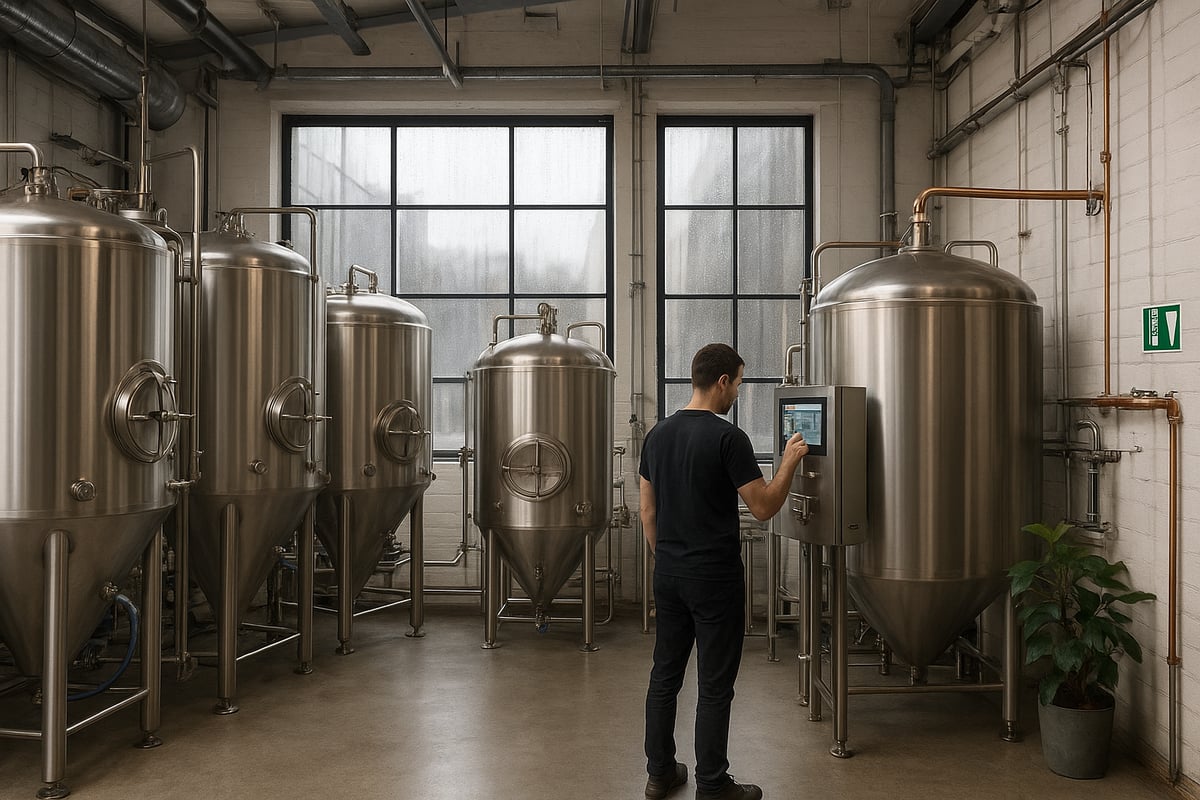
Brewery Insurance Specialist 2026: Protect Your Craft Brewery
I’ve been dealing with John for our specialist crime scene and biohazard cleaning insurance, and the service has been excellent. He took the time to understand the nature of our work and ensured we had the right level of cover in place. Responsive, knowledgeable, and easy to deal with throughout. Would recommend 100%

John was very helpful in an area where other brokers could not find policies that met the needs of my business. Quick responses and always friendly!
John M provided excellent support in arranging a policy suited to our needs. Despite our niche requirements, he communicated everything clearly and made the process simple. Highly recommended!
John sorted me out for the insurance I needed for my company and provided an excellent service. I can highly recommend Miller & Partner and will be using them again for all my commercial insurance requirements.

I can recommend Miller and Partner. They were prompt, efficient and responsive to my needs.
Very grateful for John’s assistance in finding a suitable policy for our needs, and being helpful and prompt in his advice. Highly recommended!
You're in safe hands
We’re authorised and regulated by the FCA. You can check our registration on the FCA Register.

MEET THE Director
Hey, I'm John!
I started Miller & Partner with the aim to bring back personable, approachable broking to UK businesses who were tired of large corporate brokers and feeling like they were just another number.
I have built this brokerage up with no pushy sales techniques or big business tactics, just honest, approachable and professional relationships with my clients.
Over 13 years experience in business insurance
Client first approach
5* rated broker on Google




Office: Vivian House, Roman Bridge Close, Mumbles, Swansea, SA3 5BG
Call 01792 001350
Email: [email protected]

Instagram
LinkedIn