
Business Use Insurance

Business Use Insurance Guide: Essential Insights for 2025/26

November 08, 202517 min read

As UK businesses navigate a rapidly changing landscape in 2025, the need for effective business use insurance has never been greater. Evolving risks, from remote work to new regulatory demands, mean that traditional cover may no longer be enough.

This guide offers a comprehensive look at business use insurance, helping you understand why it is crucial for protecting your assets, ensuring compliance, and maintaining business continuity. We will explore the main types of cover, legal obligations, coverage options, how to choose the right policy, practical steps to secure protection, and the key trends shaping the industry this year.

Stay ahead by reviewing your cover, unlocking actionable insights, and securing the peace of mind your business needs.

Get A Quote Now!

Understanding Business Use Insurance: What It Is and Why It Matters

Business use insurance is becoming essential for UK companies of every size and sector. As more businesses operate in flexible, hybrid, or home-based models, the risks they face are evolving rapidly. Understanding business use insurance ensures your business can manage new exposures, remain compliant, and continue operating with confidence.

Understanding Business Use Insurance: What It Is and Why It Matters

Definition and Scope of Business Use Insurance

Business use insurance refers to a set of policies designed to protect your business when standard personal or commercial cover is not enough. It typically covers vehicles used for business journeys, property used for company activities, and liability for incidents occurring during business operations.

Unlike standard personal insurance, business use insurance recognises that business activities introduce unique risks. For example, if you use your personal vehicle to attend client meetings or transport goods, you need a policy that explicitly includes business use. The same applies if you run a business from home, where your standard home insurance may not cover business equipment or stock.

Common scenarios requiring business use insurance include home-based businesses, business vehicles, travelling to meetings, or remote work arrangements. The rise in flexible working has made these scenarios increasingly common. According to UK business insurance statistics 2024, there has been a notable increase in home-based businesses and remote work since the pandemic.

Failing to secure the right business use insurance can result in denied claims if something goes wrong. For instance, a home business owner who loses equipment in a fire may find their claim invalidated if they never disclosed business use. Similarly, an accident while using a personal vehicle for work could leave you unprotected. In short, business use insurance is fundamental for effective risk management and legal compliance.

Types of Business Use Insurance Policies

There are several main types of business use insurance to consider. The most common include business car insurance, home insurance with business use, public liability insurance, and professional indemnity insurance.

Business car insurance is different from standard commuting cover. It is essential if you drive for work purposes beyond simply travelling to a single workplace. Policies typically come in various classes, depending on how much and what kind of business driving you do. For example, RAC offers temporary business car insurance for ad hoc business journeys, while Homeprotect provides home insurance with specific business use cover for equipment and stock.

Public liability insurance protects your business if a client or member of the public suffers an injury or property damage due to your business activities. Professional indemnity insurance is crucial for consultants, advisors, and service providers. It covers you if a client claims for losses due to your professional advice or services.

Sector-specific needs also play a role. Tradespeople, delivery drivers, and freelance consultants may require tailored policies reflecting their day-to-day risks. The key is to ensure your business use insurance matches your actual business activities and level of exposure, not just generic assumptions.

Legal and Regulatory Requirements for Business Use Insurance in 2025

Staying on top of legal and regulatory requirements is vital for any UK business seeking business use insurance. With shifting work patterns and evolving risks in 2025, understanding your obligations can make the difference between smooth operations and costly setbacks.

Legal and Regulatory Requirements for Business Use Insurance in 2025

UK Legal Obligations for Businesses

Every UK business faces specific legal duties regarding business use insurance. Employers must hold employers’ liability insurance if they have staff, covering injury or illness claims arising from work. For vehicles, whether company-owned or personal cars used for work, business use insurance is required by law. This includes journeys for client meetings or deliveries, not just commuting.

Property-related regulations also come into play. Running a business from home can trigger requirements in mortgage or rental contracts, often demanding notification or consent from your lender or landlord. The Financial Conduct Authority (FCA) enforces rules on fair disclosure and suitability of cover, with recent updates tightening standards for business use insurance. HMRC defines business use for tax and compliance purposes, so misclassification can lead to issues.

Failing to meet these standards can lead to invalidated policies or fines. As regulations evolve, businesses should review their policies regularly. For a broader overview of what commercial cover may be required, see Commercial insurance cover for businesses.

Consequences of Non-Compliance

Ignoring the legal requirements of business use insurance can have severe consequences. Financially, businesses risk uninsured losses if a claim is denied due to non-compliance or misrepresentation. Insurers may refuse to pay out for accidents or damage if business use was not properly declared.

Legal risks are just as serious. Operating without required cover, such as employers’ liability insurance, can result in prosecution, hefty fines, or even forced business closure. The reputational fallout from denied claims or regulatory breaches can erode client trust and damage future prospects.

Consider a business that suffered a substantial loss when its insurer denied a claim. The owner had not declared that their home was used for business activity, resulting in a void policy. Such scenarios highlight the importance of accurate disclosure and ongoing compliance when arranging business use insurance.

Navigating Regulatory Changes in 2025

The regulatory environment for business use insurance is expected to become more demanding in 2025. Anticipated changes include stricter enforcement of existing laws, increased digital verification, and enhanced data sharing between insurers and authorities. These shifts aim to close loopholes and ensure businesses meet their obligations.

To keep pace, businesses should stay informed through industry updates, FCA announcements, and professional advice. Working with a qualified broker can help interpret new regulations and secure appropriate business use insurance. Brokers often have early access to market changes and can recommend timely adjustments to your cover.

Regular policy reviews, clear documentation, and proactive communication with your insurer or broker will support legal compliance and business resilience. Keeping ahead of regulatory changes is an investment in long-term continuity and protection.

Key Coverage Areas: What Business Use Insurance Typically Includes

Understanding what business use insurance typically covers is essential for UK businesses that want to protect their assets and operations. With evolving work patterns and increased risk exposures, having the right insurance solutions in place is more important than ever.

Key Coverage Areas: What Business Use Insurance Typically Includes

Business Vehicle Insurance

Business vehicle insurance is a cornerstone of business use insurance, providing protection for vehicles used beyond standard commuting. This cover applies whether you use a car for client visits, deliveries, or transporting equipment. Policies are divided into classes:

Compare

You can choose between temporary or annual policies, with some providers offering cover from as little as one hour up to 30 days. Temporary business use insurance is ideal for ad hoc business trips or when borrowing a vehicle for work.

Most policies exclude commercial use, such as regular courier or taxi driving. For example, occasional client visits are covered, but regular delivery driving requires a different policy. Flexible options have become popular, with a noticeable rise in businesses seeking short-term solutions. For further details on cover options, see Motor trade and business vehicle insurance.

Home Insurance with Business Use

For home-based businesses, business use insurance should extend to cover equipment, stock, and potential liability. Standard home insurance often excludes business activities, so it’s vital to notify your insurer about any work from home.

Cover can include protection for business tools, laptops, and even stock stored at home. If you meet clients or employ staff at your home, public liability can be added. For example, some policies provide accidental damage cover for business equipment, ensuring continuity if a laptop is lost or stolen.

Always check your mortgage or rental agreements for restrictions on running a business from home. The number of home-based businesses in the UK has surged, leading to an increase in related insurance claims, making the right business use insurance indispensable.

Public and Employers’ Liability Insurance

Any business interacting with clients or employing staff should consider liability cover as a core component of business use insurance. Employers’ liability insurance is a legal requirement if you have employees, protecting against claims from work-related injuries or illnesses.

Public liability insurance covers claims from clients or visitors injured on your premises or if you damage their property. For example, if a client slips during a meeting at your office, this cover handles legal costs and compensation.

Liability claims can be significant, impacting both finances and reputation. Comprehensive business use insurance helps safeguard against these risks, supporting business continuity and compliance.

Professional Indemnity and Specialist Cover

Professional indemnity insurance is vital for consultants, advisers, and service providers, forming a key part of business use insurance for knowledge-based sectors. It covers claims arising from professional errors, omissions, or negligence that result in client loss.

Sector-specific policies are available for roles such as tech contractors, fitness coaches, and financial advisors. For instance, a consultant facing a claim for advice that leads to financial loss would rely on this cover. If you want to understand more, see Professional indemnity insurance explained.

Specialist business use insurance policies can be tailored to unique risks, giving peace of mind to professionals whose advice or services are integral to their clients’ success.

Optional Add-Ons and Emerging Coverages

Today’s business use insurance policies offer a range of optional add-ons to address evolving risks. These can include accidental damage, legal expenses, home emergency cover, and cover for lost keys.

Cyber liability and business interruption cover are increasingly popular, particularly as cyber threats and operational disruptions become more common. For example, adding home emergency cover ensures support is available 24/7 for urgent repairs, while cyber insurance protects against data breaches and online threats.

When selecting business use insurance, consider these add-ons to build a robust, future-proof policy that matches your business needs.

How to Choose the Right Business Use Insurance Policy

Selecting the right business use insurance policy is crucial for safeguarding your assets and ensuring your company’s continuity. With the market evolving rapidly, UK businesses must approach insurance decisions with care and clarity.

Assessing Your Business Risks and Needs

Begin by identifying the specific risks your business faces. Consider your assets, daily operations, and exposure to liabilities. For example, do you use vehicles for client visits, store business equipment at home, or have employees on-site? Each of these factors influences your business use insurance requirements.

A thorough risk assessment should include:

  • Listing all company assets, such as vehicles, equipment, and stock.

  • Detailing business activities, including remote work or client meetings.

  • Identifying personnel and their roles.

Matching the correct business use insurance to your unique needs is essential. A sole trader working from home will have different requirements from a company with multiple vehicles and staff.

Comparing Policy Types and Providers

Once you have a clear understanding of your risks, compare different business use insurance policies. Evaluate cover levels, exclusions, and the flexibility of each provider. Consider whether you need annual cover or a temporary policy for ad hoc business activities.

Review customer feedback and ratings to gauge service quality. Flexibility and scalability are vital, especially as your business evolves. Choose a business use insurance provider who can adapt to your changing needs.

The Role of Insurance Brokers in Policy Selection

Insurance brokers play a pivotal role in navigating the complexities of business use insurance. By working with a broker, you gain access to multiple insurers and expert advice tailored to your sector.

Brokers help you:

  • Identify gaps in your current cover.

  • Understand sector-specific requirements.

  • Find cost-effective, compliant solutions.

If your business has unique needs, such as those of tech contractors or fitness coaches, a broker can source specialist policies. For more details, see Insurance for tech contractors. Consulting a broker is especially valuable when you face regulatory uncertainty or require bespoke protection.

How Miller & Partner Can Help Match You with the Right Cover

Miller & Partner is an independent commercial insurance broker dedicated to helping UK businesses secure tailored business use insurance. They offer access to top insurers and bespoke policies for SMEs, property investors, and specialists.

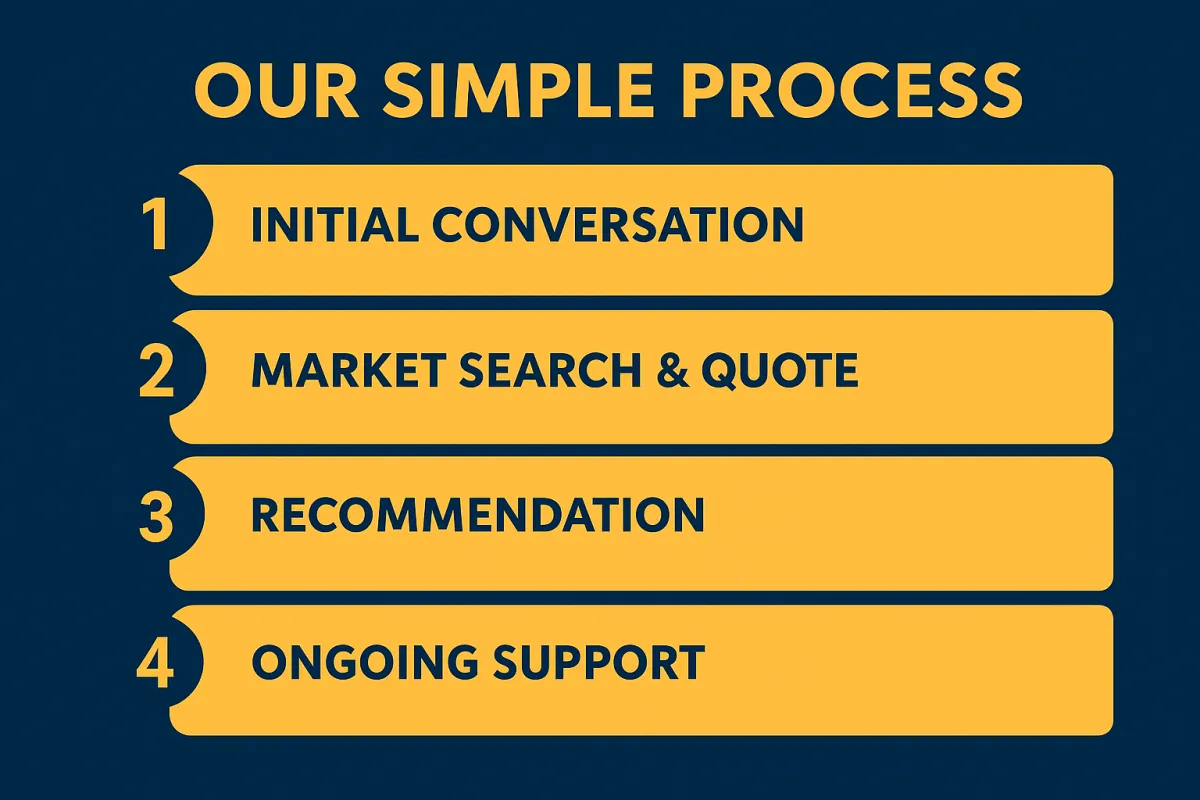
Business Use Insurance Guide: Essential Insights for 2025 - How Miller & Partner Can Help Match You with the Right Cover

Their expert team provides guidance on compliance, risk management, and cost-effective solutions. With a client-first approach and support beyond standard hours, Miller & Partner ensures you receive prompt, personalised advice for your business use insurance needs.

Common Mistakes to Avoid

Avoiding common pitfalls is key to effective business use insurance:

  • Not declaring business use to your insurer.

  • Underinsuring valuable assets or liabilities.

  • Overlooking exclusions and policy limitations.

  • Focusing solely on price instead of coverage quality.

Failing to declare home-based business activities, for example, could result in denied claims. Always ensure your business use insurance accurately reflects your operations and exposures.

Step-by-Step Guide: Securing Business Use Insurance in 2025

Securing the right business use insurance in 2025 is crucial for safeguarding your company and ensuring compliance. With evolving risks and new working patterns, following a clear process helps you avoid gaps in protection. Recent ONS business insights show that UK businesses are adapting quickly, making insurance more important than ever.

Step 1: Evaluate Your Business Activities

Begin by mapping out every aspect of your operations. List all services, products, and business models you use. Include staff, vehicles, equipment, and premises. Understanding your activities is the foundation for choosing the right cover. This assessment will help you identify which areas require specific business use insurance protections.

Step 2: Gather Documentation and Information

Prepare all relevant business documents. Collect your registration details, vehicle logbooks, property agreements, and staff records. Check if your mortgage or rental contract includes restrictions on business activities. Having complete information ensures you receive accurate business use insurance quotes and avoids delays in the application process.

Step 3: Research and Compare Policies

Explore different insurance products using comparison tools and provider websites. Pay attention to policy features, coverage limits, and exclusions. Read customer reviews and look for providers with strong reputations. Comparing policies thoroughly helps you find both value and the right level of protection for your business activities.

Step 4: Consult with an Insurance Broker (If Needed)

If your business has unique risks or complex needs, seek advice from a qualified insurance broker. Brokers can access policies from multiple insurers and offer tailored recommendations. They help you navigate regulatory changes and ensure your business use insurance is cost-effective, comprehensive, and compliant with the latest requirements.

Step 5: Apply for Cover and Disclose All Relevant Information

When applying, provide complete and accurate details about your operations, assets, and staff. Disclose all business activities, including any occasional or remote work. This transparency is essential for ensuring your business use insurance policy remains valid and claims are not denied due to omissions or errors.

Step 6: Review Policy Documents Carefully

Once you receive your policy documents, review them thoroughly. Check coverage levels, exclusions, and any special terms. Confirm that your business use insurance meets legal requirements and covers every area of risk identified earlier. Clarify any uncertainties with your insurer or broker before finalising the policy.

Step 7: Set Up Ongoing Review and Renewal Processes

Schedule annual reviews of your business use insurance policy or whenever your business changes. Stay updated on market developments and regulatory updates. With increasing threats such as cyberattacks, which have cost UK businesses billions according to recent reports, keeping your cover relevant is vital for resilience.

Example: Timeline from Assessment to Activation

Many providers now offer instant cover, with some, like RAC, activating temporary business use insurance in under 15 minutes. This speed ensures you stay protected without unnecessary delays, reflecting the demands of modern business operations.

Trends and Insights: The Future of Business Use Insurance in 2025

The business use insurance landscape in the UK is evolving rapidly in response to digital transformation, regulatory changes, and shifting business models. For companies aiming to protect assets and ensure continuity, understanding these trends is crucial. Let us explore the key developments shaping business use insurance in 2025.

Digital Transformation and Insurance Technology

Digitalisation has revolutionised how businesses purchase and manage business use insurance. Online platforms now offer instant quotes and near-immediate policy activation, often within just 10 to 15 minutes. These advancements streamline the entire process, making it easier for even small businesses to secure the right cover quickly.

AI and data analytics are increasingly used by insurers to assess risk and tailor policies to individual business needs. Digital documentation, including e-signatures, further simplifies compliance and record keeping. As a result, businesses benefit from greater transparency and efficiency in managing their insurance requirements.

Changing Work Patterns and Insurance Needs

Remote and hybrid work models continue to reshape the demand for business use insurance. More business owners are seeking flexible, short-term, or modular policies that adapt to changing working patterns. The rise in gig economy roles and home-based businesses has driven an uptick in both temporary business car insurance and tailored home-based business policies.

For example, delivery drivers and consultants may require different levels of cover depending on their business activities. Insurers are responding by offering policies that can be adjusted as work arrangements evolve, helping businesses stay adequately protected.

Regulatory and Market Developments

Regulation remains a driving force behind changes in business use insurance. The Financial Conduct Authority (FCA) and government bodies are expected to introduce stricter enforcement and more frequent digital compliance checks. Transparency and consumer protection are at the forefront of these initiatives.

According to the UK general insurance market forecast, the industry is projected to see significant growth by 2029, indicating a robust and competitive environment. This expansion may lead to broader offerings, more competitive pricing, and improved service standards for business use insurance customers.

Emerging Risks and Coverages

The risk landscape for businesses is becoming more complex. Cyber threats, such as data breaches, are now a major concern, prompting many companies to add cyber liability insurance to their business use insurance portfolios. Environmental risks and sustainability issues are also influencing new policy offerings.

Insurers are responding with innovative products, such as business interruption cover linked to digital risks or environmental events. These emerging coverages ensure businesses remain resilient in the face of evolving threats.

Customer Expectations and Service Standards

Customer service has never been more important in the business use insurance market. Businesses expect transparent communication, prompt claims support, and tailored advice. Online reviews on platforms like Trustpilot and Review Centre increasingly influence provider selection.

Providers with high satisfaction ratings for personalised service and clear policy information stand out. As expectations rise, insurers are investing in customer experience to build trust and long-term relationships.

The Role of Brokers and Personalised Service

Despite advances in technology, the role of independent brokers remains vital. Many businesses rely on brokers to navigate complex policy choices and regulatory requirements. Brokers offer tailored advice, access to multiple insurers, and support in risk assessment.

Personalised service is especially valuable for businesses with unique risks or bespoke insurance needs. In a digital world, brokers act as trusted partners, helping clients adapt to regulatory and market changes with confidence.

Data and Statistics: Business Use Insurance Landscape in 2025

Recent data highlights the growing adoption of home-based and flexible business use insurance solutions across the UK. Claims data reveals that equipment loss, vehicle incidents, and cyber breaches are among the most common reasons for claims.

Market projections suggest continued growth in business use insurance products, reflecting strong demand for flexible cover. As business models diversify, these trends are expected to accelerate, shaping the insurance industry for years to come.

As you think about the future of your business and the unique risks you might face in 2025, it's clear that having the right business use insurance is more important than ever. Whether you're working from home, using your vehicle for client visits, or managing a growing team, the right cover helps protect your assets and keeps you compliant with UK regulations. If you want to make sure your policy truly fits your needs, expert advice is just a step away. If you're ready to review your options or need tailored guidance Contact us now for a quote.

Working in the insurance industry for 15 years, I finally decided to go it alone and set up my own brokerage.

John Miller

Working in the insurance industry for 15 years, I finally decided to go it alone and set up my own brokerage.

LinkedIn logo icon
Back to Blog

Office: Vivian House, Roman Bridge Close, Mumbles, Swansea, SA3 5BG

Miller & Partner is an Authorised Representative of Gauntlet Risk Management Ltd and are authorised and regulated by the Financial Conduct Authority (FCA) under firm reference number 1029698. You may check this on the Financial Services Register by visiting the FCA website, https://www.fca.org.uk/register/ or by contacting the FCA on 0800 111 6768 Privacy Policy