Specialist in Insurance for Airbnb in 2026
With Airbnb bookings in the UK reaching new heights and stricter regulations on the horizon for 2025, hosts are facing both increased risks and significant opportunities. As more guests seek unique stays, the landscape is shifting rapidly, making it crucial for property owners to stay ahead.
Understanding insurance for airbnb is now more important than ever. Many hosts are unaware of the gaps in standard policies and the new legal requirements that could impact their income and assets.
This essential guide breaks down the types of cover available, clarifies what Airbnb’s own protection includes, highlights the pitfalls of relying on regular home insurance, and explains how to stay compliant with evolving laws. Ready to safeguard your property and peace of mind? Let’s explore the best ways to protect your short-term rental business.
The Evolving Airbnb Landscape in 2025
Growth and Trends in the UK Short-Term Let Market
The UK short-term let market has seen remarkable growth since the pandemic. As travel resumed, Airbnb bookings soared, with over 250,000 active listings across the country in 2024. Both urban flats and rural cottages are in high demand, attracting a wider variety of guests.
Hosts are diversifying. Many now let out main residences, holiday homes, and dedicated investment properties. Scottish and Welsh markets have expanded, fuelled by increased domestic tourism. More hosts are listing their properties on multiple platforms, not just Airbnb, to maximise bookings and income. This dynamic landscape highlights the need for robust insurance for airbnb to secure ongoing success.
Regulatory Changes Impacting Hosts
2025 brings stricter regulations for UK Airbnb hosts. In regions like Scotland, new licensing schemes require minimum levels of public liability insurance for airbnb, often set at £5 million. Local authorities are enforcing health, safety, and insurance standards more rigorously.
Non-compliance is costly. Hosts face fines, loss of licences, or even removal from letting platforms if they fail to meet the new standards. Rental income must also be properly declared to HMRC, as tax authorities are tightening oversight. These regulatory shifts make understanding and updating insurance for airbnb a legal and financial necessity.
Increasing Guest Expectations and Risks
Guest expectations are higher than ever. Travellers now demand spotless accommodation, enhanced amenities, and clear safety procedures. This raises the stakes for hosts, as failing to meet these standards can result in negative reviews or disputes.
Risks have also increased. Reports show claims for malicious or accidental damage by guests have risen 20% year-on-year. Examples include fires, water damage, or theft—any of which can lead to costly repairs and lost rental income. Property downtime is a growing concern, emphasising why comprehensive insurance for airbnb is essential for protecting both reputation and earnings.
The Growing Importance of Specialist Insurance
Standard home insurance often excludes or limits cover for short-term letting. With more hosts treating their Airbnb as a business, specialist providers like Pikl and Guardhog are filling the gap. These tailored policies address unique risks, from guest-caused damage to public liability claims.
Relying on standard cover can result in denied claims or even voided policies if letting activity is undisclosed. For hosts managing investment properties, resources like the Commercial property insurance guide help clarify the specialist protection now required. As the market evolves, having the right insurance for airbnb is no longer optional—it is fundamental to sustainable hosting.

Understanding Airbnb’s Own Host Protection: What’s Really Covered?
Airbnb has introduced its own layer of protection for hosts, but how much does it really safeguard you? For anyone considering insurance for airbnb in 2025, understanding what AirCover and Host Damage Protection include—and, crucially, what they do not—is essential.

Airbnb AirCover and Host Damage Protection Explained
Airbnb’s AirCover promises a safety net for hosts, offering Host Damage Protection up to $3 million (about £2.3 million) and liability coverage up to $1 million (£770,000) per incident. This layer is automatic for all listings, but it is not a regulated insurance for airbnb product.
What does AirCover include?
Host Damage Protection
$3 million (£2.3m)
Exclusions: Wear and tear, certain valuables, intentional acts
Liability Coverage
$1 million (£770,000)
Exclusions: Injury to host, certain property types
Importantly, AirCover is not an insurance policy and does not offer the same regulatory protections. For a full breakdown of what is included and excluded, see Airbnb's Host Liability Insurance Programme Summary.
Limitations and Gaps in Airbnb’s Protection
Despite its broad promises, Airbnb’s cover has significant limitations. Since AirCover is not regulated by the FCA, hosts have limited recourse if a claim is denied. This makes relying solely on Airbnb’s protection a risky approach to insurance for airbnb.
If you use multiple platforms (like Booking.com or VRBO), Airbnb’s cover does not apply. There are exclusions for certain types of property damage and guest actions, such as intentional vandalism or theft without forced entry.
The claims process can be slow and unpredictable. If a dispute arises, you cannot escalate it to the Financial Ombudsman, leaving you potentially out of pocket.
Common Scenarios Where Airbnb Cover Falls Short
Many hosts find that Airbnb’s protection does not extend to situations they assumed were covered. For example, theft without signs of forced entry is often excluded, leaving you unprotected if a guest simply walks out with valuable items.
Loss of income during repairs is not always covered under AirCover, meaning you could lose significant earnings if your property is uninhabitable. Liability claims that exceed the $1 million limit can expose you to further financial risk, particularly in cases of severe guest injury or if fire spreads to neighbouring properties.
For anyone relying on insurance for airbnb, these gaps can result in major financial exposure during serious incidents.
Why Supplementary Insurance is Essential
Specialist insurance for airbnb hosts fills the gaps left by Airbnb’s own protection. In some regions, legal requirements demand much higher public liability cover, such as £5 million in parts of Scotland. Supplementary policies offer regulatory oversight, ensuring claims are handled fairly and efficiently.
These tailored policies provide certainty and broader protection, covering scenarios like malicious damage, loss of income, and legal expenses. Ultimately, comprehensive insurance for airbnb is key for full risk management and peace of mind as regulations and guest expectations evolve.
Types of Insurance Every Airbnb Host Needs in 2025
Choosing the right insurance for airbnb is crucial for every UK host in 2025. As regulations tighten and risks evolve, having the correct protection is no longer optional. Let us explore the core types of cover every host should consider.

Buildings and Contents Insurance for Airbnb Properties
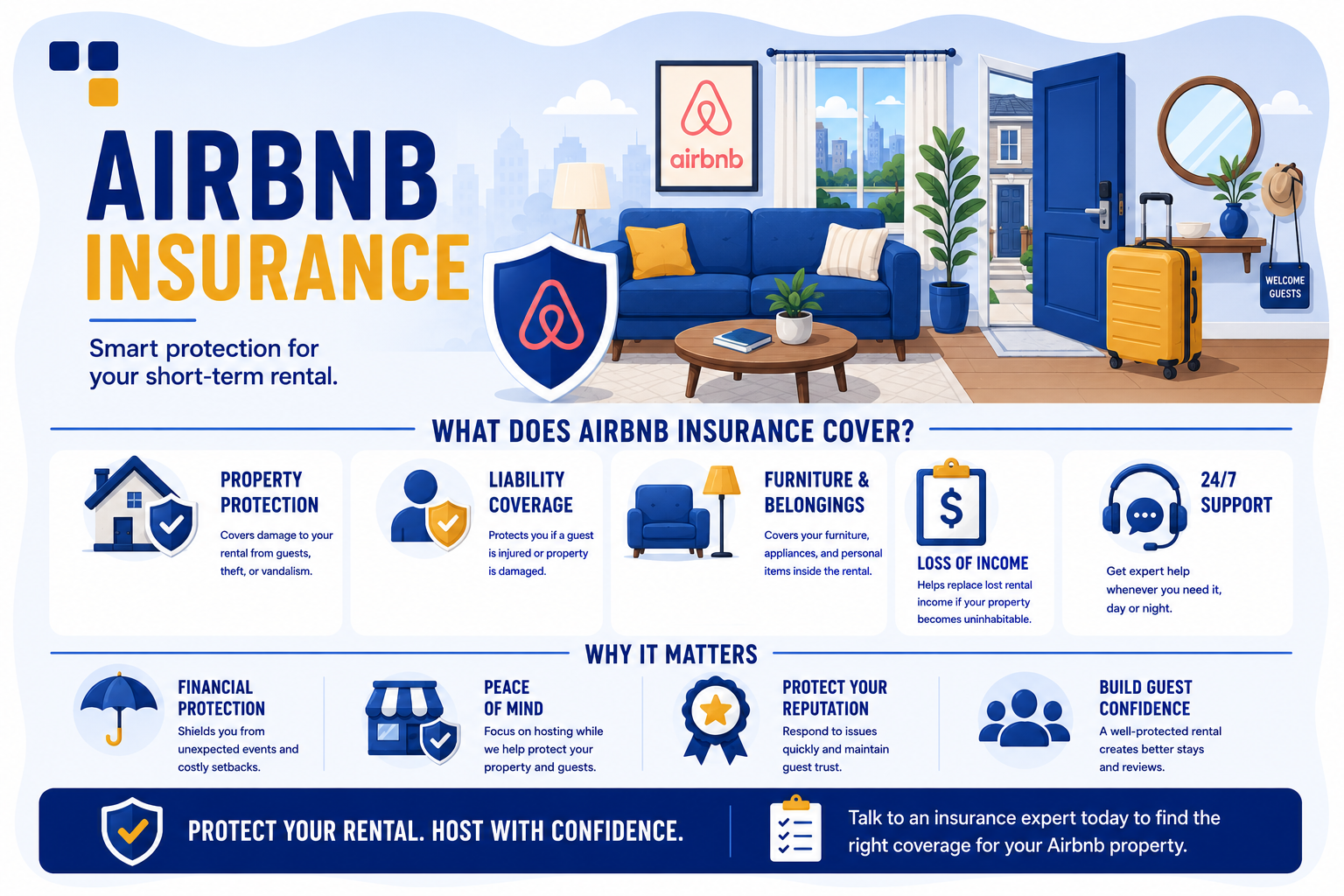
Buildings and contents insurance for airbnb properties forms the foundation of host protection. This cover insures the physical structure, including walls and roof, as well as fixtures, furniture, and electronics.
Standard home insurance rarely covers letting activity through Airbnb. Many policies will not pay out if damage occurs during guest stays. Specialist insurance for airbnb, on the other hand, is tailored for short-term lets, ensuring claims for guest-related incidents are not rejected.
Hosts should always insure for the full rebuild cost and total replacement value of contents. This approach avoids being underinsured in major incidents.
Theft, Malicious, and Accidental Damage Cover
Theft and damage by guests are real risks for any host. Specialist insurance for airbnb covers not only break-ins but also theft by guests, malicious acts like vandalism, and accidental damage to property.
For example, a guest could break a television, stain carpets, or intentionally damage furniture. Around 30 percent of claims relate to guest-caused damage. Standard policies often exclude such scenarios, making specialist cover essential.
To understand the full scope of protection, you can review the types of cover offered by Airbnb Insurance From ABA Insurance, which details how specialist policies address these specific risks for hosts.
Loss of Income and Business Interruption Insurance
When repairs are needed after insured damage, hosts may lose rental income. Loss of income and business interruption cover is a vital part of insurance for airbnb, especially for those who rely on bookings as a primary revenue stream.
If a property becomes uninhabitable due to fire or flood, this insurance compensates for lost rental income. Some policies also cover confirmed bookings for a set period, such as 14 days following an incident.
This protection ensures that a single event does not disrupt your financial stability as a host.
Public Liability Insurance: Protecting Against Guest Claims
Public liability insurance for airbnb hosts is increasingly a legal requirement in several UK regions. It covers injury or property damage claims made by guests or third parties.
For example, if a guest trips on a loose stair and sues for medical costs, this insurance steps in. Liability claims can exceed £1 million in major cases, making sufficient cover essential.
Some areas, such as Scottish councils, require a minimum of £5 million in liability protection. Confirm your policy meets local requirements to avoid penalties or licence issues.
Legal Expenses and Additional Coverages
Legal expenses cover is an often-overlooked aspect of insurance for airbnb. It helps with legal costs arising from disputes with guests, neighbours, or authorities.
This insurance may include cover for HMRC investigations into rental income, as well as legal action to recover unpaid damages. Some specialist policies also add home emergency and pest infestation cover, providing extra peace of mind.
Keeping thorough records of bookings and guest communications will support any legal claim you might need to make.
Specialist vs. Standard Home Insurance: What’s the Difference?
There are significant differences between standard home insurance and specialist insurance for airbnb. Standard policies typically exclude short-term letting, and non-disclosure can result in claim denial or policy cancellation.
Specialist policies are designed for the unique risks of Airbnb hosting. For example, if your insurer discovers you are letting on Airbnb without disclosure, they may void your cover.
Always be transparent with your insurer and select a policy that matches your letting activity. The right insurance for airbnb is key to safeguarding your property, income, and reputation.
Navigating Insurance Options: How to Choose the Right Policy
Choosing the right insurance for airbnb hosting in 2025 requires a thoughtful approach. With so many variables, understanding your risks and needs is the first step. The market is evolving, and the right cover can mean the difference between peace of mind and costly mistakes.

Assessing Your Hosting Situation and Risks
Every property and host profile is unique, making it vital to consider your specific situation before selecting insurance for airbnb. Are you letting out your main home, a holiday cottage, or an investment property? Each comes with different exposures.
Think about how often you host. Occasional lets may require different insurance for airbnb than full-time rentals. Consider location-based risks, such as flood-prone areas or city centre flats with higher theft rates. Urban properties may face more liability claims, while rural cottages could encounter weather-related damage.
Tailor your insurance for airbnb to your property type, guest profile, and local risks. Regularly reassess as your circumstances change.
Comparing Insurance Providers and Policy Features
When comparing providers, focus on those offering specialist insurance for airbnb. Leading names include Pikl, Guardhog, and established insurers with short-term let add-ons. Key features to compare:
Public liability limits (some offer up to £5 million)
Guest-related cover for theft, damage, and loss of income
Exclusions for certain incidents or property types
Always read policy documents closely and seek expert advice if unsure. The right insurance for airbnb will fit your letting style and risk profile.
Disclosing Airbnb Activity to Your Insurer
Full transparency is crucial when arranging insurance for airbnb. You are legally required to inform your insurer about short-term letting, even for occasional bookings. Failing to disclose Airbnb activity can lead to denied claims or even policy cancellation.
Some insurers will add an endorsement for airbnb activity, while others require a dedicated specialist policy. For example, a host who fails to notify their insurer may lose cover after a major guest-caused incident.
Being upfront ensures your insurance for airbnb remains valid and effective, protecting you from unpleasant surprises.
Costs and Premium Factors in 2025
Premiums for insurance for airbnb depend on several factors:
Property location (urban, rural, high-crime, flood zone)
Property value and rebuild cost
Number of guests and frequency of bookings
Claims history
On average, specialist insurance for airbnb ranges from £150 to £500 per year. High-value city properties or hosts with frequent lets may face higher premiums. To reduce costs, consider installing security features or maintaining a claim-free record.
Review your policy regularly, especially if your letting pattern changes.
Steps to Securing the Right Insurance: A Chronological Guide
Securing insurance for airbnb is a step-by-step process:
Review your current home or landlord policy.
Assess your hosting activity and risks.
Research specialist insurance for airbnb providers.
Obtain and compare multiple quotes.
Disclose all relevant information to the insurer.
Confirm coverage details and exclusions.
Review your policy annually or after major changes.
By following these steps, you can secure robust insurance for airbnb that meets both legal and practical needs.
How a Commercial Insurance Broker Can Help Airbnb Hosts
Independent brokers, such as Miller & Partner, can help Airbnb hosts navigate the complexities of insurance for airbnb. Brokers offer access to both mainstream and specialist markets, including Lloyd’s syndicates, and provide tailored advice for unique risks.
If you manage multiple or high-value properties, a broker ensures you get the right cover, often recommending specialist products like high-value residential landlord insurance. They also support you through claims and annual reviews, helping you stay compliant as regulations evolve.
A broker’s expertise is especially valuable for Airbnb hosts with complex needs, ensuring your insurance for airbnb offers complete peace of mind.
Legal and Regulatory Considerations for Airbnb Hosts in 2025
Airbnb hosts in the UK must navigate a complex legal landscape in 2025. Understanding your obligations is vital for peace of mind and for securing the right insurance for airbnb. From regional licensing to tax and safety, staying compliant protects your property, guests, and income.
Regional Licensing and Insurance Requirements
In 2025, regional licensing schemes are increasingly common, especially in Scotland, where hosts must obtain permits and provide proof of public liability cover. Some councils require a minimum of £5 million liability insurance for airbnb properties. Wales and England also see more local authority rules, with councils demanding evidence of insurance and compliance with letting standards. Failing to meet these requirements can mean hefty fines or losing your licence. For the latest changes and expert updates, see Liability insurance news and updates. Staying informed is essential for every host.
Taxation and Declaring Rental Income
Declaring rental income is a legal obligation for all hosts using insurance for airbnb. HMRC requires any income over £1,000 per year to be reported, with the Rent-a-Room Scheme offering tax relief for those letting furnished rooms in their main home. Accurate income declaration is crucial, as underreporting can invalidate your insurance for airbnb. Remember, insurers may check your declared earnings during a claim. Keeping detailed records of bookings and payments will help ensure full compliance and protect your cover.
Health and Safety Obligations
Health and safety is a top priority for hosts seeking insurance for airbnb. You must comply with fire safety, gas, and electrical regulations, including regular checks and risk assessments. Policies often require proof of smoke alarms, carbon monoxide detectors, and up-to-date safety certificates. Ignoring these requirements may lead to denied claims or policy voidance. For up-to-date guidance on safety standards and regulatory changes, read Fire Safety Updates for UK Airbnb Hosts in 2025. Proactive safety measures not only protect guests but also safeguard your investment.
Handling Claims and Disputes
When making a claim under your insurance for airbnb, thorough documentation is essential. Keep photos, police reports, guest communications, and receipts for repairs. Claims must be filed promptly and in line with your insurer’s process. If disputes arise between you, the insurer, or the guest, legal expenses cover can be invaluable. This may help you pursue unpaid damages or defend against liability claims. Understanding the claims process ensures you are prepared and protected when issues occur.
Common Pitfalls and Best Practices for Airbnb Insurance
Mistakes with insurance for airbnb are surprisingly common, often leaving hosts exposed when they need protection most. Many assume their standard home policy will cover guest stays, but this is rarely the case. Failing to inform your insurer about short-term letting can result in denied claims or even policy cancellation. Underinsuring property value or contents is another frequent error, meaning payouts fall short of actual repair or replacement costs.
Some hosts forget to update their insurance for airbnb after renovations or increased letting activity. Others neglect to check whether their policy covers malicious or accidental guest damage. These oversights can become costly lessons when things go wrong.
Best Practices for Staying Protected
To maximise protection, always notify your insurer before listing your property on Airbnb. Choose a specialist insurance for airbnb policy that specifically covers guest-related risks, including accidental and malicious damage, theft by guests, and business interruption. Regularly review and update your cover as circumstances evolve, such as after property upgrades or changes in letting frequency.
Maintain detailed records of bookings, guest communications, and property inventories. Install security features like cameras and smart locks to reduce risk. For legal compliance and peace of mind, ensure your policy includes adequate public liability cover. For further insight on legal obligations, see Airbnb Public-Liability Insurance: Do Hosts Need It?.
Real-World Claims and Lessons Learned
Real-life claims underline the importance of the right insurance for airbnb. One host had a claim denied after fire damage because they failed to disclose their Airbnb activity. In another case, theft by a guest was only covered because the host held a specialist policy. Data shows hosts with tailored cover experience faster, more successful claims than those relying on standard insurance.
These examples highlight the need for proactive risk management. Assess your cover regularly, keep documentation up to date, and understand your policy’s exclusions. Learning from others’ experiences can help avoid similar pitfalls.
Preparing for the Future: Insurance Trends Beyond 2025
The landscape of insurance for airbnb is set to evolve further. Regulatory changes are likely to tighten, making compliance and transparency even more critical. Expect to see more bundled policies, tech-driven solutions, and a rising focus on cyber cover for hosts handling sensitive guest data.
Staying informed is vital. Review your insurance annually and adapt as products and rules change. For updates and in-depth analysis of policy features, visit Business insurance coverage insights. Being proactive now positions you for continued success in a changing market.
As we’ve explored, having the right insurance in place is essential for protecting your Airbnb property, your income, and your peace of mind—especially with all the changes coming in 2025. Navigating new regulations, understanding what Airbnb’s own cover doesn’t provide, and choosing the right specialist policy can feel overwhelming. If you’d like tailored advice or want to make sure you’re fully covered for every scenario, we’re here to help you find the solution that fits your unique needs.
Let’s make sure your hosting journey in 2025 is secure and stress free.