
Insurance for Contractors: Essential UK Coverage Guide
Need Insurance for Contractors? Click here now!
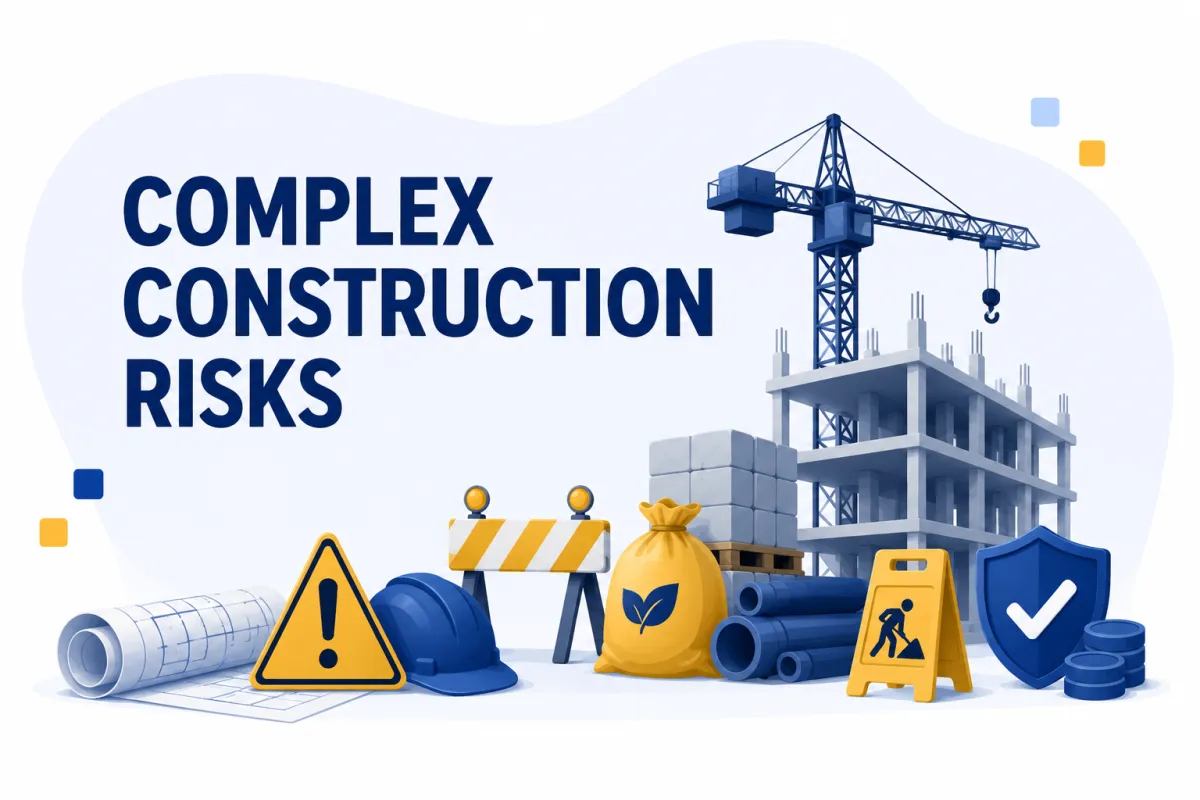
Operating as a contractor in the UK carries inherent risks that can threaten your business continuity and financial stability. Whether you're a sole trader working on residential projects or managing a team on commercial developments, understanding insurance for contractors is fundamental to protecting your livelihood. The construction sector faces unique exposures, from third-party injuries and property damage to professional negligence claims and equipment theft. Without adequate insurance coverage, a single incident could result in devastating financial consequences that no business can afford to ignore.
Understanding the Legal Requirements for Contractor Insurance
Every contractor operating in the UK must navigate specific legal insurance obligations that vary depending on their business structure and workforce. Employers' liability insurance stands as the cornerstone legal requirement for any contractor who employs staff, with minimum coverage of £5 million mandated by law. This protection isn't optional; it's a legal necessity that shields your business from compensation claims if employees suffer injury or illness arising from their work.
The legal landscape extends beyond basic employers' liability coverage. Contractors working on certain projects may face additional insurance stipulations imposed by clients, local authorities, or industry regulations. Many commercial clients refuse to engage contractors without proof of adequate public liability insurance, typically requiring minimum coverage levels between £2 million and £5 million.

Professional indemnity insurance, whilst not legally mandated for most trades, becomes contractually obligatory when working with certain clients or on specific projects. Understanding these requirements before commencing work prevents costly delays and potential contract breaches.
Key Legal Compliance Considerations
Maintaining compliance with insurance regulations requires contractors to:
Display employers' liability certificates prominently at business premises
Retain insurance certificates for a minimum of 40 years
Provide proof of coverage when tendering for contracts
Update policies when business operations expand or change
Verify subcontractors maintain their own appropriate insurance
The penalties for non-compliance extend beyond financial fines. Trading without mandatory insurance can result in prosecution, whilst failing to meet contractual insurance requirements may lead to project termination and reputational damage that affects future opportunities.
Public Liability Insurance: Your First Line of Defence
Public liability insurance for contractors provides essential protection against claims from third parties who suffer injury or property damage because of your business activities. This coverage responds when clients, members of the public, or other businesses experience losses attributed to your work, whether during active operations or resulting from completed projects.
The scope of public liability protection encompasses numerous scenarios contractors encounter daily. A scaffold tower collapsing onto a neighbouring property, materials falling and injuring a passer-by, or accidental damage to a client's expensive furnishings all trigger public liability claims. Without insurance, defending these claims and settling compensation awards falls entirely on your business finances.
Coverage typically includes legal defence costs, which often exceed the settlement amounts themselves. Solicitor fees, expert witness expenses, and court costs accumulate rapidly during liability disputes. Standard public liability policies cover these legal expenses in addition to compensation payments, preventing minor incidents from escalating into business-threatening financial burdens.
Most contractors require coverage between £1 million and £10 million, with the appropriate level depending on:
Project size and contract value
Client requirements and specifications
Industry sector and associated risks
Number of employees and subcontractors
Geographic scope of operations
Selecting adequate coverage levels requires careful consideration of worst-case scenarios. Whilst higher coverage limits increase premium costs, the additional expense pales compared to the financial devastation of an underinsured major claim.
Professional Indemnity Insurance for Design-Build Contractors
Contractors providing design services, consultancy, or specialist advice face professional negligence exposures that public liability policies don't address. Professional indemnity insurance for contractors fills this gap, protecting against claims alleging errors, omissions, or negligent advice that cause financial loss to clients.
Design-build contractors face particular exposure, as they assume responsibility for both construction execution and design integrity. When structural calculations prove incorrect, specifications fail to meet building regulations, or design flaws emerge post-completion, professional indemnity insurance responds. These claims often involve substantial financial losses, particularly when remedial work affects multiple properties or commercial operations.
The retrospective nature of professional indemnity coverage provides ongoing protection even after completing projects. Claims can arise years after finishing work, particularly when latent defects emerge or building performance fails to meet promised standards. Maintaining continuous professional indemnity coverage ensures protection extends beyond active project involvement.
Professional Indemnity Claim Scenarios
Common professional indemnity claims affecting contractors include:
Design errors causing structural weaknesses or building failures
Specification mistakes leading to non-compliant installations
Advice resulting in financial loss or project delays
Drawing inaccuracies causing construction defects
Failure to identify site constraints or planning issues
Professional indemnity policies typically operate on a 'claims-made' basis, meaning coverage must be active when claims are notified, regardless of when the alleged negligence occurred. This structure makes maintaining continuous coverage crucial, even during quieter trading periods or business transitions.

Tools and Equipment Insurance: Protecting Your Assets
Contractor tools and equipment represent significant capital investment that requires dedicated insurance protection. Standard insurance for contractors often includes limited tools coverage, but comprehensive protection demands specific policies addressing the unique risks construction equipment faces. From theft at unsecured sites to accidental damage during transport, contractors' tools face constant exposure. Insurance for Contractors usually includes tools.
Tools insurance typically covers individual items and entire equipment inventories, protecting against theft, loss, and accidental damage. Coverage extends to various locations, including job sites, storage facilities, and vehicles, recognising that contractors' equipment moves constantly between projects. This flexibility ensures protection follows your tools wherever business operations take them.
Equipment values qualifying for tools insurance include:
Hand tools and power tools
Scaffolding and access equipment
Surveying and measuring instruments
Specialist machinery and plant
Laptop computers and mobile devices
Safety equipment and PPE
The 'all risks' nature of comprehensive tools policies provides broader protection than standard property insurance. Whilst basic policies exclude certain perils or require evidence of forced entry for theft claims, all risks coverage responds to accidental damage, mysterious disappearance, and theft from vehicles or unsecured locations.
Valuation methods significantly impact claims settlements. New replacement cost coverage ensures damaged or stolen tools are replaced with equivalent new items, whilst indemnity-based policies deduct depreciation, potentially leaving significant shortfalls between settlement amounts and replacement costs.
Contract Works Insurance: Project-Specific Protection
Builder's risk insurance, known as contract works insurance in the UK, provides essential coverage for construction projects from groundbreaking through completion. This specialised insurance for contractors protects works in progress, materials on site, and temporary structures against numerous perils including fire, storm damage, theft, and vandalism.
Contract works policies can be arranged as project-specific coverage or annual policies covering all projects within specified value limits. Large contractors managing multiple simultaneous projects benefit from annual arrangements, whilst those undertaking occasional major works may prefer project-specific policies tailored to individual contract requirements.
The scope of contract works coverage typically includes:
Permanent and temporary works under construction
Materials stored at the project site
Hired-in plant and equipment
Existing structures being renovated or extended
Site clearance and debris removal costs
Standard owner-controlled insurance programs may require contractors to provide evidence of contract works coverage as a condition of engagement. Understanding policy structures and coverage limits prevents gaps that could leave projects exposed during critical construction phases.
Motor Insurance Considerations for Contractors
Commercial vehicle insurance represents a non-negotiable requirement for contractors operating company vehicles. Standard personal motor policies explicitly exclude business use, making dedicated commercial cover essential for protecting both vehicles and business liability arising from vehicle operations.
Contractors require motor insurance addressing various vehicle types and usage patterns. Light commercial vehicles transporting tools and materials demand different coverage than heavy goods vehicles or specialist plant machinery. Ensuring policies accurately reflect vehicle specifications and usage prevents coverage disputes following incidents.
Miller & Partner Limited specialises in matching contractors with appropriate motor insurance solutions that address your specific fleet composition and operational requirements. Whether you operate a single van or manage extensive vehicle fleets, securing proper commercial motor coverage protects against third-party claims, vehicle damage, and business interruption following accidents. You can obtain a Quick Quote tailored to your contractor business needs.

Fleet insurance provides advantages for contractors operating multiple vehicles, including:
Simplified administration with single policy management
Potential premium discounts compared to separate policies
Flexible arrangements accommodating vehicle additions
Comprehensive cover including goods in transit
Breakdown assistance and replacement vehicle provision
Understanding commercial general liability insurance requirements helps contractors select appropriate motor coverage levels. Whilst minimum legal requirements mandate third-party only coverage, comprehensive protection including own vehicle damage typically proves more cost-effective when considering replacement costs and business disruption.
Specialist Coverage Extensions for Modern Contractors
Contemporary contracting operations face evolving risks requiring specialist insurance extensions beyond traditional coverage. Cyber liability insurance addresses increasing digital threats, protecting against data breaches, ransomware attacks, and digital liability claims. As contractors adopt digital tools for project management, client communication, and financial administration, cyber exposures grow correspondingly.
Environmental liability insurance provides crucial protection for contractors working with potentially polluting materials or on contaminated sites. Coverage responds to pollution incidents, cleanup costs, and third-party claims arising from environmental damage. Contractors working on demolition, remediation, or industrial projects face particular environmental exposures warranting dedicated coverage.
Inland marine insurance offers valuable protection for contractors' equipment and materials in transit. This coverage addresses the unique risks of transporting valuable tools, materials, and plant between storage facilities, suppliers, and project sites. Traditional property insurance often excludes or limits coverage for property in transit, creating protection gaps that inland marine policies fill.
Additional Coverage to Consider
Modern insurance for contractors should address:
Terrorism coverage for projects in high-risk locations
Legal expenses insurance for contract disputes and regulatory issues
Personal accident insurance protecting sole traders and partners
Key person insurance mitigating loss of critical personnel
Directors and officers liability for incorporated contractors
Business interruption insurance deserves particular attention from contractors operating without significant financial reserves. This coverage replaces lost income and covers continuing expenses when insured perils prevent normal business operations, protecting against the financial cascade that follows major incidents.

Risk Management Strategies to Reduce Insurance Costs
Effective risk management directly influences insurance premiums whilst simultaneously improving business safety and operational efficiency. Insurers reward contractors demonstrating robust health and safety practices, comprehensive training programmes, and proactive risk mitigation through reduced premiums and enhanced coverage terms.
Implementing formal health and safety management systems aligned with industry standards demonstrates commitment to risk control. Accreditations such as CHAS, SafeContractor, or Constructionline signal to insurers that your business takes safety seriously, potentially qualifying for premium discounts and preferential terms.
Practical risk management measures reducing insurance costs include:
Maintaining detailed project risk assessments
Implementing comprehensive employee training programmes
Installing security measures protecting tools and equipment
Adopting quality management systems preventing defective work
Establishing robust subcontractor vetting procedures
Maintaining accurate project documentation and records
Claims history significantly impacts insurance costs, making proactive loss prevention financially beneficial beyond immediate incident reduction. Contractors maintaining clean claims records over multiple years qualify for no-claims bonuses and preferential underwriting, whilst frequent claims trigger premium increases and coverage restrictions.
Equipment security measures deliver dual benefits, protecting valuable tools whilst demonstrating risk awareness to insurers. Secure storage facilities, vehicle tracking systems, tool marking schemes, and inventory management systems all contribute to reducing theft exposure and associated insurance costs.
Navigating Insurance Requirements for Subcontractors
Contractors engaging subcontractors face complex insurance considerations affecting both parties. Main contractors retain ultimate responsibility for project delivery and safety, creating potential liability even when subcontractors cause incidents. Verifying subcontractors maintain appropriate insurance coverage becomes essential risk management practice.
Standard insurance for contractors typically includes a degree of non-negligent liability for subcontractors, providing backup coverage if subcontractors' own insurance proves inadequate. However, this protection shouldn't substitute for thorough subcontractor insurance verification. Requesting current insurance certificates, verifying coverage limits match project requirements, and confirming policy validity prevents gaps exposing your business to uninsured losses.
Subcontractor default insurance provides additional protection against losses arising when subcontractors fail to complete work, become insolvent, or prove unable to rectify defective work. This coverage becomes particularly valuable on large projects where subcontractor failure could trigger significant delays, additional costs, and client claims.
Many contractor insurance requirements specified by clients extend to subcontractors, making clear communication of insurance expectations essential. Written subcontractor agreements should explicitly require minimum coverage levels, additional insured endorsements, and regular proof of continuing coverage.
Frequently Asked Questions About Contractor Insurance
What insurance do I legally need as a contractor?
If you employ anyone, employers' liability insurance is legally mandatory with minimum £5 million coverage. Commercial motor insurance is required for any business vehicle use. Whilst public liability and professional indemnity aren't legally mandated, most clients require proof of these coverages before engagement, and regional building departments often specify minimum levels for licensed contractors.
How much does insurance for contractors typically cost?
Premiums vary enormously based on trade type, turnover, claims history, coverage requirements, and employee numbers. Sole traders might pay £300-£600 annually for basic combined cover, whilst larger contractors with employees and specialist equipment could face premiums exceeding £5,000. The best approach involves obtaining tailored quotations reflecting your specific business profile and requirements.
Does my insurance cover work I completed months or years ago?
Public liability policies typically include products and completed operations coverage extending protection beyond active project involvement. Professional indemnity insurance operates on a claims-made basis, requiring active coverage when claims are notified, regardless of when work occurred. Understanding these different structures ensures adequate retrospective protection.
Can I operate without insurance if clients don't specifically require it?
Whilst you might legally operate without certain coverages, doing so exposes your business to potentially catastrophic financial risks. A single serious incident could result in claims exceeding hundreds of thousands of pounds. The modest cost of insurance for contractors provides invaluable protection that no prudent business should operate without.
What happens if my subcontractor doesn't have adequate insurance?
As the main contractor, you could face liability for incidents caused by inadequately insured subcontractors. Your own insurance might provide some backup coverage, but this varies by policy. Always verify subcontractors maintain appropriate insurance before engagement, and consider subcontractor default insurance for additional protection.
Understanding insurance for contractors means recognising that adequate coverage represents an investment in business continuity rather than merely a regulatory obligation. The right insurance framework protects your livelihood, reputation, and future growth potential whilst demonstrating professional credibility to clients and partners. Miller & Partner Limited brings specialist expertise in matching contractors with comprehensive coverage addressing your unique risk profile and operational requirements. Contact Miller & Partner Limited today to discuss insurance solutions protecting your contracting business against the full spectrum of exposures you face.