Business Insurance Insurance Versus Other Coverage Explained 2026
Looking for a quick quote? Click here
In today’s rapidly changing business world, understanding the difference between business insurance insurance and other types of cover is more important than ever. Many business owners find themselves unsure about which policies are essential, which are optional, and how these options compare to personal or alternative insurance products.
This guide will demystify business insurance insurance, providing clear comparisons with other common forms of cover to help you make informed decisions for the 2026 insurance market. By reading on, you’ll discover how the right coverage can shield your business, protect your assets, and give you peace of mind.
We’ll explain what business insurance insurance covers, how it contrasts with personal, property, and specialist insurance, the benefits and drawbacks of each, and answer your most pressing questions along the way.
What is Business Insurance?
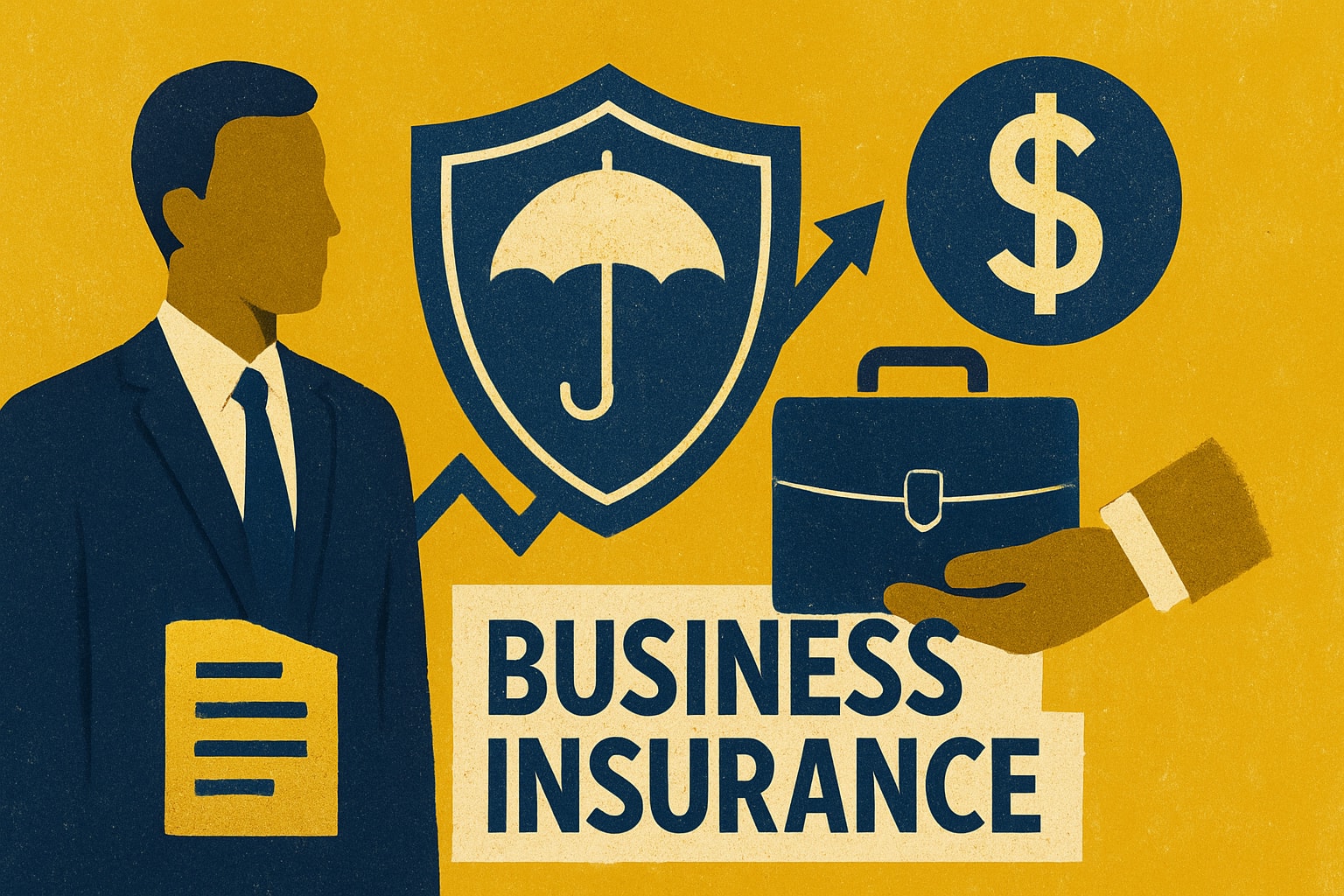
In a rapidly changing world, protecting your business from unexpected risks is more important than ever. Business insurance insurance is a set of policies designed to safeguard companies against financial loss resulting from unforeseen events. Unlike personal insurance, which covers individuals and families, business insurance insurance focuses on the unique exposures that organisations face in their daily operations.
At its core, business insurance insurance provides a financial safety net for companies. It covers a wide range of risks that can threaten your business’s stability, including property damage, legal claims, employee injuries, and cyber threats. These risks can arise from accidents, natural disasters, data breaches, or even simple human error.
The main types of business insurance insurance include:
Public liability insurance: Protects against claims from third parties for injury or property damage.
Employers’ liability insurance: Covers employee injury or illness related to work, which is a legal requirement in most cases.
Professional indemnity insurance: Shields businesses from claims of professional negligence or errors.
Business interruption insurance: Compensates for lost income and ongoing costs if your operations are disrupted.
Commercial property insurance: Safeguards buildings, equipment, stock, and other physical assets.
Cyber insurance: Offers protection against cyber attacks, data breaches, and related legal costs.
In the UK, certain types of business insurance insurance are legally required. For example, employers’ liability insurance is mandatory if you have employees, and public liability may be required by clients or contracts. Failing to comply can lead to significant fines or legal action.
Business insurance insurance is not only a legal necessity for many, it is also essential for financial resilience. Whether you run a small shop or a large corporation, the right cover can mean the difference between swift recovery and permanent closure after a crisis. Policies are often tailored to your industry and risk profile, ensuring you only pay for the protection you need.
For instance, a retailer might prioritise public liability and stock insurance, while a technology firm may focus on cyber insurance due to the growing threat of digital attacks. This tailored approach is especially important for SMEs, who are more vulnerable to disruption. If you’re a small business owner, you can explore more about essential policies and tailored coverage through business insurance for small business.
Looking ahead to 2026, the business insurance insurance landscape is evolving rapidly. Digital risks are increasing, with cyber insurance payouts tripling in recent years. Climate-related claims and regulatory changes are also shaping the market, prompting insurers to adapt their offerings and risk assessments.
In summary, business insurance insurance acts as a crucial shield for businesses of all sizes. By understanding the key risks, legal requirements, and the importance of tailored protection, you can make informed decisions to secure your company’s future.

Comparing Business Insurance to Personal Insurance
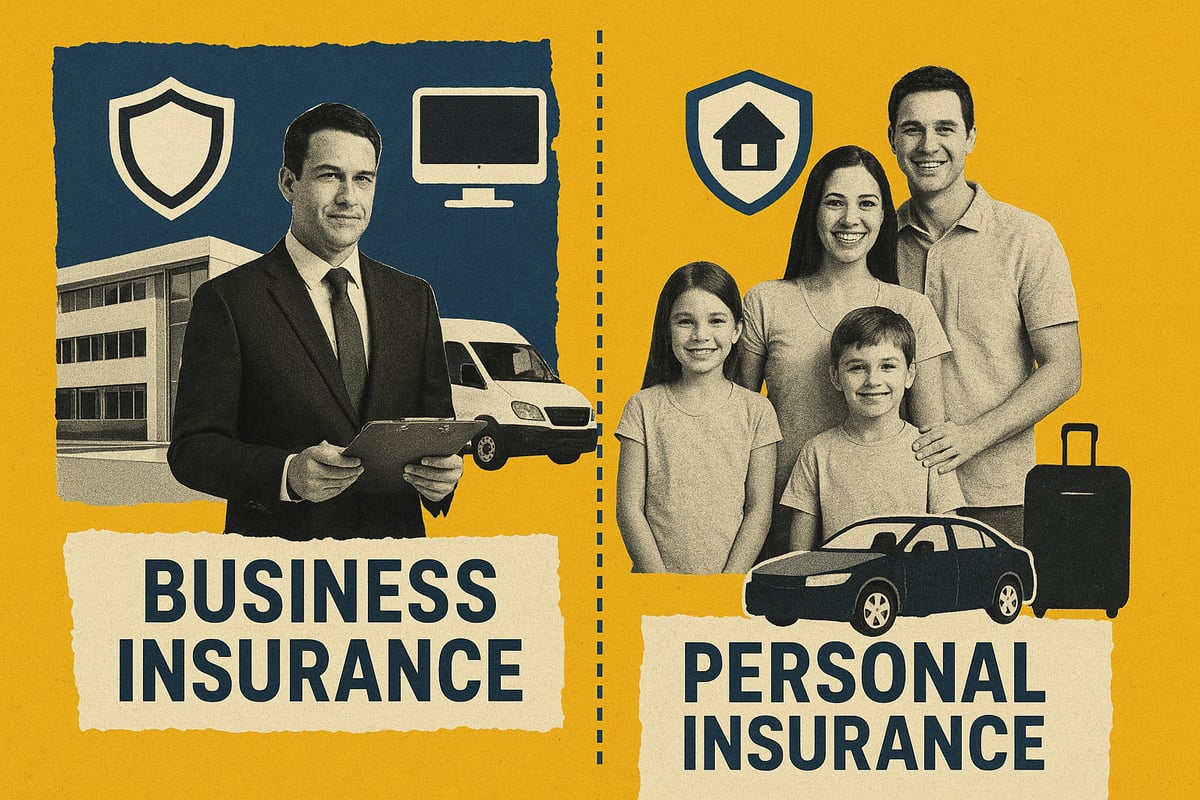
Understanding the distinction between business insurance insurance and personal insurance is essential for every business owner. Many assume that their personal policies provide enough protection for work-related risks, but this is rarely the case. The right cover can mean the difference between a smooth recovery and a costly setback.
Definitions and Purpose
Personal insurance covers risks related to your private life, such as your home, car, health, holidays, and life itself. Its primary aim is to protect you and your loved ones from financial loss due to unexpected events, like accidents, illness, theft, or damage.
In contrast, business insurance insurance safeguards organisations, whether you are a sole trader or run a large enterprise. It protects business assets, employees, and operations against risks including liability claims, property damage, cyber incidents, and employee accidents. These policies are designed to address the unique exposures that businesses face daily.
Core Differences
There are several fundamental differences between personal and business insurance insurance:
Personal policies are built for individuals and families, while business insurance insurance is structured for organisations or commercial activities.
Business insurance insurance covers a broader and more complex range of risks, such as professional negligence, public liability, and business interruption.
Regulatory requirements often dictate which business insurance insurance policies are mandatory, such as employers’ liability in the UK.
Risk assessments for business insurance insurance are typically more detailed, factoring in turnover, staff, industry, and claims history.
For a deeper dive into these distinctions, see this guide on the differences between business and personal insurance.
Why Business Needs Business Cover
Business assets and liabilities require specialist protection. Relying on personal insurance for business activities is a common mistake. In fact, 70% of UK SMEs mistakenly believe their personal cover extends to work use, but this leaves them dangerously exposed (source: GoCompare, 2025).
Personal policies usually exclude business-related incidents. For example, a standard home policy might not pay out if a client is injured during a business meeting at your property. Similarly, using personal car insurance for business deliveries or site visits can result in denied claims.
The Vehicle Insurance Divide
A clear example of the difference is seen with vehicle insurance. Commercial vehicle insurance is tailored to the higher risks of business use, such as carrying goods, making deliveries, or transporting clients. Personal car insurance is designed for commuting and leisure, not for regular work-related journeys.
If you use your vehicle for work without the correct business insurance insurance, you may face invalidated cover and legal penalties. The requirements and cover limits differ significantly, reflecting the increased risks associated with commercial use.
Real-World Pitfalls
Consider the case of a freelance designer who works from home. They assume their home insurance covers their business equipment. After a burglary, the insurer denies the claim because the equipment was used for business purposes, which is specifically excluded.
Such scenarios highlight why business insurance insurance is essential for anyone running a company, freelancing, or even meeting clients at home. Ensuring you have the right cover can prevent costly surprises and provide genuine peace of mind.
Business Insurance vs. Specialist and Alternative Coverage
Understanding the distinctions between business insurance insurance and more specialist or alternative coverage is becoming essential for UK business owners. With the insurance market evolving rapidly, knowing which policy type is right for your unique risks can make all the difference. This section explores how business insurance insurance stacks up against specialist and alternative options, helping you navigate the growing complexities in 2026.

Specialist Insurance: Tailoring Cover for Unique Professions
Specialist insurance is designed for businesses with unique or higher-risk profiles, such as landlords, contractors, technology firms, or niche professions like esports or beauty therapists. Unlike standard business insurance insurance, these policies are tailored to address specific sector challenges or regulatory requirements.
For example, a contractor might need combined liability and equipment cover, while an esports company may require protection for digital assets and event cancellations. Many businesses turn to specialist insurance to ensure their risks are properly managed when standard solutions fall short.
If your business operates in a unique or emerging sector, reviewing a guide on specialist insurance for unique professions can highlight the benefits of bespoke cover.
Alternative Coverage: Trade Associations, Group Schemes, and Embedded Insurance
Alternative coverage options are gaining traction alongside traditional business insurance insurance. Trade association schemes often provide group policies at competitive rates, making them attractive for small businesses or sole traders.
Group insurance policies can offer simplified administration and sometimes broader terms, though they may lack the flexibility of standalone business insurance insurance. Embedded insurance, where cover is bundled into a service or product (like platforms offering automatic insurance for gig workers), is also on the rise.
These alternatives can be cost-effective and convenient, but may not always address every risk, especially as your business grows or diversifies.
Comparing Scope, Cost, and Flexibility
When weighing business insurance insurance against specialist or alternative coverage, consider these factors:
Coverage Scope: Specialist policies address sector-specific risks, while standard business insurance insurance focuses on common business exposures.
Cost: Group and embedded options may offer lower premiums, but bespoke policies can be better value for complex needs.
Flexibility: Specialist insurance often allows for customisation, whereas group schemes have set terms.
Example comparison:
Airbnb host insurance covers guest-related incidents, but may not protect against all property risks.
Standard landlord insurance focuses on building and tenant liabilities.
Business insurance insurance can be tailored to blend property, liability, and interruption cover, offering broader protection.
Emerging Risks and Trends: Meeting the Demands of 2026
The landscape for business insurance insurance is shifting as new risks emerge. Demand for cyber insurance is surging, with UK payouts tripling in 2024, reflecting the rise in digital threats. Professions tied to technology, remote work, and the gig economy are seeking more sector-specific solutions.
AI-driven businesses, remote teams, and platform-based models require policies that adapt quickly. Specialist insurance and alternative coverage are responding with innovative products, but regular review is vital to ensure your cover matches evolving risks.
Choosing between business insurance insurance and specialist or alternative cover comes down to understanding your operation's unique exposures, regulatory demands, and growth plans. Staying informed will help you secure the right protection for the years ahead.
Business Insurance vs. Property, Vehicle, and Asset Coverage
Selecting the right protection for your business is more than just a box-ticking exercise. With so many options, understanding how business insurance insurance compares to property, vehicle, and asset cover is essential.
Each type of policy guards against different risks. Knowing how they interact helps you avoid costly gaps and unnecessary overlaps.
Understanding the Policy Types
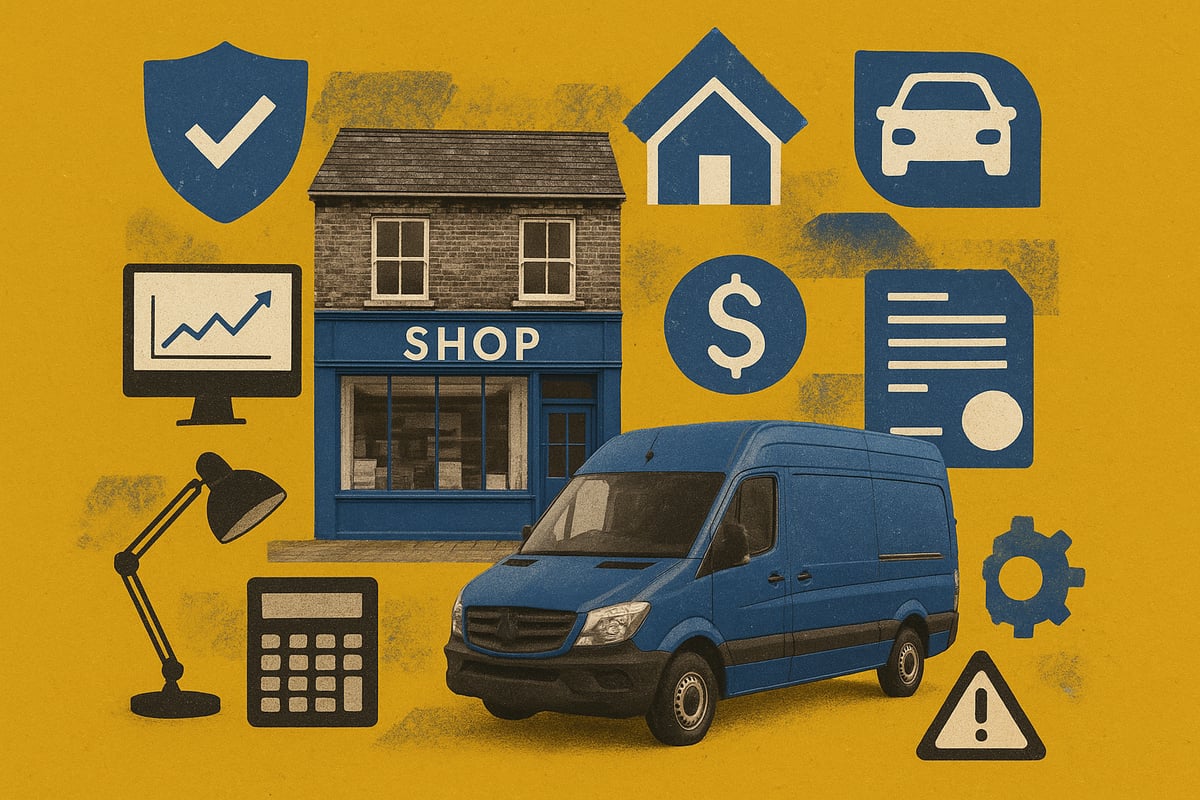
Let us break down the main categories:
Business insurance insurance: An umbrella term for policies that protect businesses from a range of risks, often tailored to your sector.
Property insurance: Covers physical premises, fixtures, and stock against fire, flood, theft, or accidental damage.
Commercial vehicle insurance: Protects vans, lorries, and fleets used for work.
Asset protection: Insures valuable equipment, machinery, or technology that keeps your business running.
Property Insurance: More Than Just Bricks and Mortar
Commercial property insurance is a cornerstone for many businesses. It covers your shop, office, or warehouse against major risks such as fire, flood, or vandalism. Unlike standard home insurance, it is designed specifically for commercial use, with options for rebuilding costs and loss of stock.
For a detailed look at what is included, see this guide on commercial property insurance explained.
Business insurance insurance often bundles property cover with liability and interruption policies, ensuring that both your premises and your income are protected if disaster strikes.
Vehicle Insurance: Moving Beyond Personal Cover
If your business relies on cars, vans, or lorries, standard personal car insurance will not suffice. Commercial vehicle policies are tailored for business use, covering multiple drivers, goods in transit, and higher annual mileage.
Delivery firms might need fleet insurance to cover several vehicles and drivers under one policy.
Tradespeople often require cover for tools and equipment stored in their vans.
Business insurance insurance can sometimes include vehicle cover, but usually, a dedicated commercial policy is required.
Asset Coverage: Safeguarding What Matters Most
High-value assets such as specialist machinery, IT equipment, or stock need their own protection. Asset protection policies insure these items against theft, accidental damage, or breakdown.
Creative agencies use asset cover for expensive cameras and computers.
Manufacturers protect production lines and machinery.
Retailers insure stock against loss or spoilage.
Business insurance insurance can be tailored to include asset protection, but it is crucial to check policy limits and exclusions. Underinsurance is a growing problem, with 74% of UK SMEs reporting some level of underinsurance in 2025 (source: Hiscox).
Overlaps, Gaps, and the Crucial Role of Business Interruption Cover
While some policies overlap, gaps can leave you exposed. For example, property insurance covers the building, but not always the loss of income if you cannot trade after a major incident. That is where business interruption insurance comes in.
40% of businesses fail to recover after a major property loss without business interruption insurance (FCA, 2025).
Asset cover might not extend to items used offsite, unless specifically listed.
Commercial vehicle insurance will not protect goods once they are unloaded.
When reviewing business insurance insurance, look for package policies that bundle property, liability, and interruption cover. This approach can simplify claims and reduce costs.
In summary, ensuring your business insurance insurance works seamlessly with property, vehicle, and asset cover is vital. Take time to assess your risks, check for overlaps, and fill any gaps to safeguard your business’s future.
Business insurance insurance provides broad protection against a range of risks, such as liability, employee claims, and cyber threats, while property insurance focuses specifically on buildings and physical assets. Most businesses will need both to ensure comprehensive cover.
Cost, Claims, and Value: Making the Right Choice in 2026
Choosing the right business insurance insurance in 2026 is about far more than ticking a box. It is a strategic decision that can protect your company’s future, assets, and reputation. As the insurance market evolves, understanding the real costs, claims processes, and value for money is essential for every business owner.
Understanding the Cost Factors
Several factors influence the cost of business insurance insurance:
The size and turnover of your business
Number of employees and your claims history
Industry sector and the level of risk associated with your operations
Types of coverage selected, such as public liability, property, or cyber insurance
For example, a small consultancy will pay less than a manufacturing firm with hazardous processes. In 2025, the average premium for UK SMEs was around £1,200 per year, but specialist or high-risk businesses may pay significantly more.
How Premiums Are Calculated
Insurers use a detailed risk assessment to set premiums for business insurance insurance. They consider:
Business activities and exposure to liability
Value of assets and property insured
Previous claims and loss history
Security measures and risk management practices
Accurate data is crucial. If you underestimate turnover or fail to disclose risks, you could face higher costs later or even a denied claim. Some insurers now use AI-driven tools to assess risks, making the process more efficient and tailored to each business.
Navigating the Claims Process
When you need to make a claim on your business insurance insurance, preparation and transparency are vital. Insurers typically look for:
Clear evidence of loss or damage
Proof of ownership and value for assets
Timely notification as soon as an incident occurs
Common pitfalls include incomplete documentation and delays in reporting. Best practice is to keep detailed records, photograph losses, and work closely with your broker or insurer throughout the process. The rise in digital threats is reflected in recent data, as cyber insurance payouts triple, with UK payouts reaching £197 million in 2024.
Assessing Value for Money
Balancing cost and coverage is key with business insurance insurance. While low premiums are tempting, inadequate protection can have devastating consequences.
Choosing the right cover means weighing the premium against potential losses. For instance, relying on personal insurance for business use often leads to denied claims and unexpected financial burdens.
Practical Tips and Avoiding Underinsurance
To get the best from your business insurance insurance:
Review your coverage annually or after major business changes
Invest in risk management and security improvements
Shop around and compare quotes from multiple providers
Consider using a broker for expert advice and access to better deals
Alarmingly, UK SMEs underinsured in 2025 revealed that 74% had some level of underinsurance, putting their survival at risk if disaster strikes. Taking a proactive approach ensures your business is fully protected, not just compliant.
Frequently Asked Questions (FAQs)
What is the difference between business insurance and personal insurance?
Business insurance insurance is designed to protect companies, their assets, and their operations, while personal insurance covers individuals and their private property or health. The risks and policy requirements differ significantly. For example, commercial vehicle policies are distinct from personal car cover, as explained in Comparing commercial and personal car insurance.
Is business insurance mandatory in the UK?
Some forms of business insurance insurance, such as employers’ liability, are legally required if you employ staff. Other policies, like public liability, may be contractually required or strongly recommended, depending on your sector.
Can I use my home insurance for business activities?
Most home insurance policies exclude business-related claims. If you work from home or store business equipment there, you need to inform your insurer and consider dedicated business insurance insurance to avoid rejected claims.
How do I know if I need specialist business insurance?
If your company works in a niche industry, handles unique risks, or has specific contractual obligations, specialist business insurance insurance may be necessary. Seek professional advice if you’re unsure.
What happens if I underinsure my business assets?
Underinsuring can lead to reduced payouts or denied claims in the event of a loss. Always ensure your business insurance insurance covers the full value of your assets.
How often should I review my business insurance policies?
Review your business insurance insurance annually or whenever your business changes significantly, such as expanding services, hiring staff, or acquiring new assets.
Are there package deals for business insurance?
Yes. Many insurers offer bundled business insurance insurance packages that combine liability, property, and other essential covers, often at a lower overall cost.
What new insurance trends should I watch for in 2026?
Expect growth in digital solutions, embedded cover, and sector-specific products. The UK general insurance market growth highlights the expanding role of business insurance insurance in addressing new risks.
After exploring the differences between business insurance and other types of cover, it’s clear that having the right protection is essential for your company’s future. Whether you’re reassessing your policies for 2026 or just starting out, making informed choices now can help you avoid costly gaps and ensure your business is secure against emerging risks. If you’d like tailored advice or want to see how the right policy can benefit your business, you can take the next step with confidence. Get A Quote Now!

