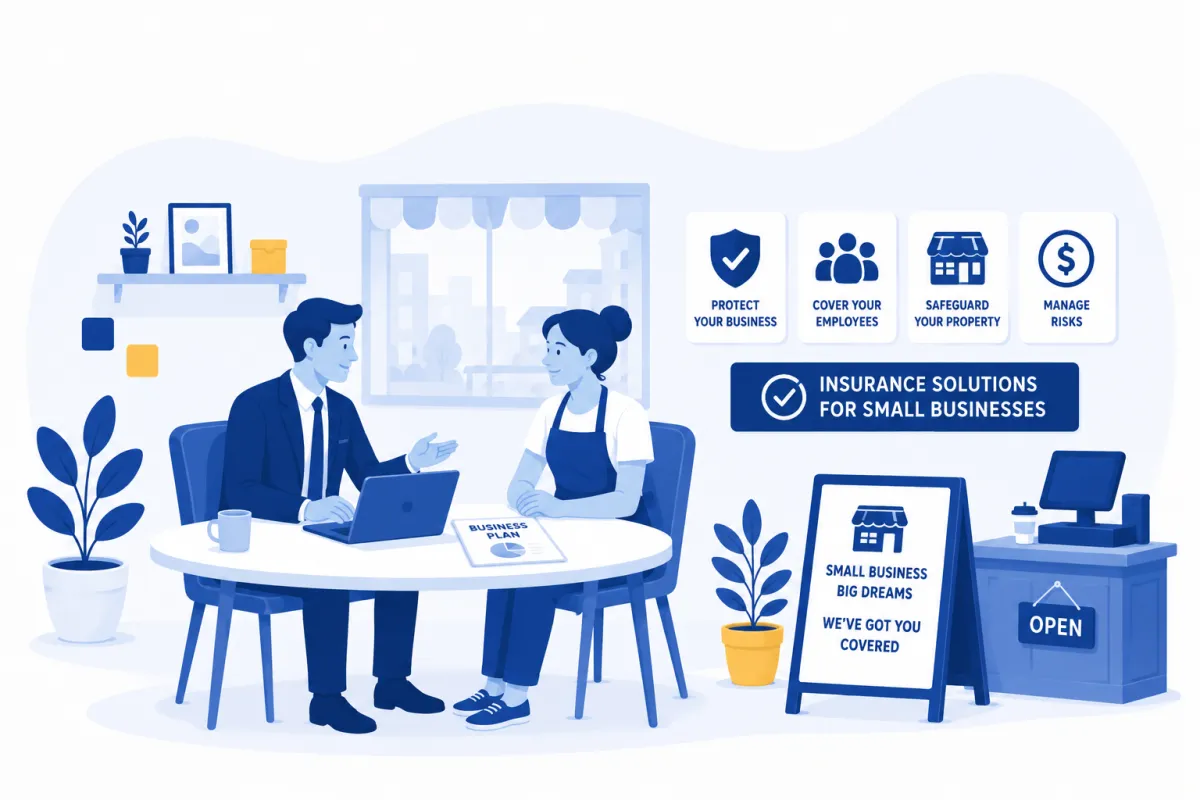
Business Insurance For Small Business Guide 2026
Small businesses in 2026 face more risks than ever, from rapidly changing laws to rising cyber threats and unexpected disruptions. The right business insurance for small business is now essential, offering protection against financial loss, legal claims, and sudden operational challenges.
Having the correct cover brings peace of mind, ensures you stay legally compliant, and boosts your credibility with clients. This guide will give you the latest insights on business insurance for small business, including what it is, why it matters, types of cover, legal requirements, how to choose a policy, cost factors, and answers to common questions.
What is Business Insurance and Why Does Your Small Business Need It?
Business insurance for small business is a vital safety net, designed to protect your company from financial setbacks caused by unexpected events. Whether it is an accident, property damage, legal claim, or staff illness, the right cover ensures your operations are shielded from severe loss. This protection is not just for large corporations. Every small enterprise faces risks that could threaten its future.
Business insurance for small business covers a range of scenarios that could disrupt your daily activities. For example, a fire could damage your shop, a theft might empty your stockroom, or a lawsuit could arise if a customer is injured on your premises. According to the Hiscox Global Protection Gap Report 2025, around 74% of UK SMEs may be underinsured, and one in ten could face closure after a £10,000 claim. This highlights the real financial danger of being inadequately protected.
There are both compulsory and optional types of business insurance for small business in the UK. Employers’ liability insurance is legally required if you have staff, while covers like public liability or professional indemnity are often optional but highly recommended. Even when not required by law, insurance acts as a powerful trust signal for clients and partners. Imagine a customer slipping in your café or a cyber attack paralysing your tech start-up. Insurance can be the difference between recovery and disaster.
Having business insurance for small business is not only about protection. It also supports your growth by helping you access new contracts, secure funding, and build credibility. Many clients and lenders insist on proof of insurance before working with you. A common misconception is that small businesses are too minor to need cover. In reality, no company is too small to face risk. Insurance gives you peace of mind, letting you focus on building your business with confidence.

Key Types of Business Insurance for Small Businesses in 2026
Choosing the right business insurance for small business is vital in 2026, as risks and exposures constantly evolve. Understanding the main types of cover available helps you stay protected, compliant, and competitive. Let’s explore the core policies every UK small business should consider and see how each one works in practice.
Public Liability Insurance
Public liability insurance is a cornerstone of business insurance for small business, especially those interacting with the public. This cover protects you if a third party, such as a customer or visitor, suffers injury or property damage due to your business activities.
Essential for retail, hospitality, trades, and events.
Example: A customer slips on a wet floor in your café and claims compensation.
Claims can be significant, with UK insurers handling millions in liability claims daily.
Not a legal requirement, but often needed to secure contracts or enter premises.
Having public liability insurance boosts your credibility and reassures clients and partners that you take responsibility for safety and risk management.
Employers’ Liability Insurance
Employers’ liability insurance is a legal requirement for most UK businesses with staff, making it a non-negotiable aspect of business insurance for small business. This policy covers compensation and legal costs if an employee is injured or becomes ill due to their work.
Compulsory for companies with employees (excluding close family in limited cases).
Example: An employee develops repetitive strain injury at your manufacturing workshop.
The law mandates a minimum cover of £5 million in the UK.
Businesses face fines of up to £2,500 per day for non-compliance.
This insurance is crucial for safeguarding both your team and your business from potentially devastating claims.
Professional Indemnity Insurance
Professional indemnity insurance is a must-have for service providers and consultants, forming a key part of business insurance for small business. It protects against claims of professional negligence, errors, or omissions that cause financial loss to a client.
Key for IT consultants, accountants, designers, and marketing professionals.
Example: A consultant’s advice leads to a client’s financial setback and legal action.
Often required by regulators or industry associations.
Policies cover legal costs, settlements, and reputational damage.
By securing professional indemnity insurance, you demonstrate professionalism and build trust with clients who rely on your expertise.
Product Liability Insurance
Product liability insurance is essential if your business manufactures, sells, or supplies goods, making it a vital form of business insurance for small business operating in retail, manufacturing, or e-commerce.
Covers injury or damage caused by your products.
Example: A faulty electrical appliance you sold causes a fire in a customer’s home.
Applies to manufacturers, retailers, distributors, and online sellers.
Can be packaged with public liability for comprehensive protection.
This cover helps you meet contractual obligations and gives peace of mind in the event of unforeseen product issues.
Business Interruption Insurance
Business interruption insurance supports your business if you cannot trade due to unforeseen events, acting as a financial safety net within business insurance for small business.
Compensates for lost income following events like fire, flood, or cyber incidents.
Example: Flood damage forces your shop to close for two months, and insurance covers lost revenue.
Helps pay ongoing expenses, such as wages and rent, while you recover.
Enables faster return to normal operations, minimising long-term impact.
This policy is especially important for businesses with physical premises or reliance on daily trading.
Cyber Insurance
Cyber insurance is rapidly becoming a necessity in business insurance for small business, as digital threats continue to rise in 2026. This cover protects against losses from cyber attacks, data breaches, and online fraud.
Essential for businesses handling customer data, payments, or digital operations.
Example: A recruitment agency hit by ransomware faces halted operations and regulatory fines.
Covers costs for data recovery, legal advice, and customer notification.
Only 45% of UK businesses currently have some form of cyber security insurance, according to the Cyber Security Breaches Survey 2025.
Investing in cyber insurance helps you manage evolving risks and maintain client trust in an increasingly digital world.
Other Relevant Covers
Beyond the main types, several other policies can be tailored as part of business insurance for small business, depending on your sector and needs.
Commercial property insurance: Protects premises, stock, and equipment.
Directors’ and officers’ (D&O) liability: Covers management decisions and legal defence.
Trade credit insurance: Safeguards against unpaid invoices.
Goods in transit: Covers stock and equipment while being transported.
Sector-specific covers: Construction, hospitality, technology, and more.
Review your business’s unique risks and consult a broker to ensure you have the right combination of policies for complete protection.
Is Business Insurance a Legal Requirement in the UK?
Understanding whether business insurance for small business is a legal necessity in the UK is vital for every owner. The law sets out certain compulsory covers, while others depend on your sector or business structure. Failing to comply can lead to significant penalties and trading restrictions.

Which types of business insurance for small business are compulsory in the UK?
The main compulsory insurance for UK businesses is employers’ liability insurance. If you employ staff who are not close family members, you must have this cover by law.
Minimum required cover is £5 million.
Applies to limited companies and most partnerships with employees.
Fines can reach £2,500 per day for each day you lack valid cover.
Some professions face additional regulatory demands. For example, solicitors, accountants, and financial advisers are often required by their industry bodies to have professional indemnity insurance. If you operate a business where insurance is mandated by a regulator, you must comply or risk losing your licence to trade. For more information on this type of cover, see the Professional indemnity insurance guide.
Are there exceptions to compulsory insurance rules?
Not every business must have compulsory insurance. If you are a sole trader with no employees, employers’ liability insurance is not required. Some partnerships, where only close family members are employed, may also be exempt. However, even if not legally required, certain types of business insurance for small business are often contractually necessary. For example, many clients or landlords will ask for proof of public liability before working with you.
What are the consequences of not having required business insurance for small business?
Operating without compulsory insurance can have severe consequences:
Substantial fines from the Health and Safety Executive or relevant regulators.
Inability to trade, especially for contractors who cannot show proof of insurance.
Loss of contracts or clients, as many organisations require evidence of cover before partnerships or agreements.
Potential personal liability for damages or claims that arise during uninsured periods.
Why is regular review and compliance so important?
Laws and industry regulations change regularly. Reviewing your business insurance for small business annually ensures you remain compliant and protected. This is particularly important if your business grows, you take on staff, or enter regulated markets. Staying up to date can prevent accidental breaches and preserve your business reputation.
In summary, understanding your legal obligations and securing the right business insurance for small business is not just about ticking a box. It is an essential part of protecting your livelihood, maintaining client trust, and meeting the standards set by both law and industry.
How to Choose the Right Business Insurance for Your Small Business
Selecting business insurance for small business in 2026 requires careful consideration and a strategic approach. The right cover can protect your company’s finances, reputation, and ongoing operations. With so many options available, understanding how to assess your risks, compare policies, and tailor cover to your industry ensures you make informed decisions and stay compliant.

Assessing Your Business Risks
Begin your journey with business insurance for small business by identifying the unique risks your company faces. Every enterprise has its own set of exposures, depending on the sector, size, and location.
Consider these examples:
A hairdresser deals with public liability risks from customer injuries or allergic reactions.
An IT consultant faces cyber threats and professional indemnity claims.
A small café must consider risks like fire, theft, and staff illness.
Conducting a risk assessment helps clarify which types of cover are essential. The more accurately you define your risks, the more tailored and effective your business insurance for small business will be.
Understanding Policy Coverage and Exclusions
Understanding what is and is not covered is crucial when choosing business insurance for small business. Always read policy documents thoroughly and compare exclusions, limits, and endorsements.
Common exclusions include:
Wear and tear of property or equipment
Deliberate or illegal acts
Certain cyber risks, such as social engineering attacks
For instance, some property policies exclude flood damage in high-risk areas. Check policy limits and excesses, as these affect payouts and premiums. Knowing these details ensures your business insurance for small business delivers the protection you expect in a crisis.
Comparing Insurance Providers and Policies
Comparing business insurance for small business providers goes beyond price. Use comparison platforms and consult brokers to obtain a range of quotes, but focus on the quality of cover and claims service.
Assess providers on:
Claims handling reputation
Customer service ratings
Regulatory status and industry accreditations
For a deeper understanding of the market, review resources such as business liability insurance providers to see how different insurers measure up. Choosing the right partner gives you confidence that your business insurance for small business will respond effectively when needed.
Tailoring Insurance to Your Industry and Business Model
One size never fits all when it comes to business insurance for small business. Each sector faces unique hazards, requiring industry-specific cover.
Examples include:
Hospitality packages for pubs, restaurants, and cafés
Specialist tech insurance for start-ups and developers
Construction insurance for trades and contractors
Opting for bespoke policies ensures all your risks are addressed, while off-the-shelf solutions may leave gaps. Customising your business insurance for small business to match your model can unlock contract opportunities and demonstrate professionalism to clients.
Working with a Specialist Broker
Engaging a specialist broker can streamline the process of sourcing business insurance for small business, especially if your needs are complex or niche.
Benefits include:
Access to specialist markets and Lloyd’s syndicates
Tailored advice for businesses with unusual risks, such as drone operators or AI firms
Ongoing support with claims and renewals
A broker acts as your advocate, ensuring your business insurance for small business is cost-effective and comprehensive. Their expertise can be invaluable, particularly during claims or policy reviews.
Miller & Partner: Tailored Commercial Insurance Solutions
Miller & Partner are Swansea-based commercial insurance brokers who specialise in business insurance for small business and property owners across the UK. They leverage advanced AI technology and a client-first approach to match each business with top insurers and the Lloyd’s market.
What sets them apart:
Wide range of products, including commercial property, professional indemnity, cyber, hospitality, tech, and niche sectors
Expert advice, fast quotes, and support even during evenings and weekends
Fully FCA-regulated, focusing on best cover at competitive premiums
With Miller & Partner, business insurance for small business is not just a product, but a tailored solution designed for peace of mind.
Steps to Securing the Right Business Insurance
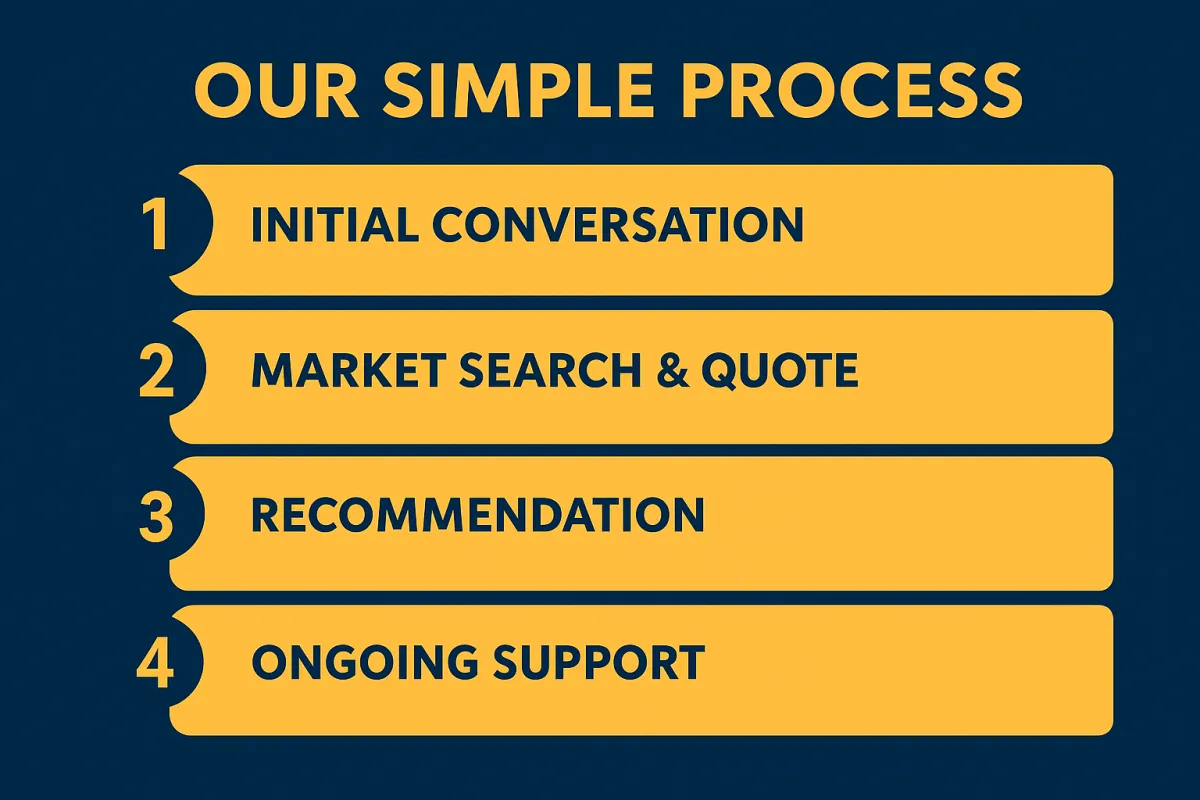
Follow these steps to secure business insurance for small business that truly fits your needs:
Assess your risks and identify required cover types
Gather key business details like turnover, staff numbers, and activities
Compare quotes and policy terms from multiple providers
Consult a broker for tailored advice if your needs are complex
Purchase your cover and keep documentation organised
Regularly review and update your business insurance for small business as your operations evolve
Taking a structured approach ensures you stay protected, compliant, and ready for whatever the future holds.

What Does Business Insurance Cost? Factors Affecting Premiums in 2026
Understanding the cost of business insurance for small business is crucial for effective budgeting and risk management. Premiums can vary widely, so it is essential to know what influences these costs and how to manage them.
What Determines the Cost of Business Insurance?
Several factors impact the price of business insurance for small business owners in the UK. Insurers consider:
Business size and annual turnover
Industry sector and associated risks
Claims history and previous incidents
Location of premises and exposure to hazards
Level and type of cover required
Security measures and risk management protocols
Staff numbers and activities
These elements combine to create a unique risk profile for each business. Understanding your profile helps you anticipate costs and compare policies wisely.
Typical Premiums: Example Scenarios
To provide a clearer picture, here is a comparison of estimated annual premiums for different small business types in 2026:
Business Type and Typical Annual Premium (£)
Retail shop
500 - 1,200
Consultancy (office)
350 - 750
Small restaurant
700 - 1,800
Tech start-up
400 - 1,000
For those requiring commercial property insurance explained, costs can rise depending on location, building size, and security systems. Always obtain tailored quotes to reflect your unique needs.
Market Trends and Economic Pressures
Premiums for business insurance for small business continue to rise in line with inflation and increasing claims. The UK general insurance market is forecast to hit £149 billion by 2029, reflecting the growing demand and cost pressures on small businesses. See the latest UK General Insurance Industry Forecast for market insights.
Economic changes, such as higher rebuilding costs and increased cyber risks, mean insurers are updating their pricing models. It is more important than ever to review your policy annually.
How to Manage Your Premiums
Small businesses can keep costs under control with proactive steps:
Invest in security, safety training, and cyber protection
Bundle policies for discounts (e.g., property and liability together)
Maintain a clean claims history
Work with a broker to access competitive rates
Regularly review and update your insurance as your business grows
With careful planning, business insurance for small business can be both affordable and effective, providing the protection needed for long-term success.
Frequently Asked Questions (FAQ)
Curious about business insurance for small business? Here are answers to the most common questions UK owners ask in 2026.
What types of business insurance are compulsory in the UK?
Employers’ liability insurance is legally required for most businesses with employees, except for some family-run operations. Certain professions, like solicitors or accountants, may also need specific covers to operate in compliance with regulators.
How much cover do I need for my small business?
The right level depends on your sector, turnover, number of staff, and risk exposure. Assess your contracts and regulatory obligations, then match your business insurance for small business to these needs. Speak to a broker for tailored advice.
Can I change or upgrade my insurance as my business grows?
Yes, you can adjust your policy to reflect changes in turnover, staffing, or new services. Regular reviews ensure your business insurance for small business keeps pace with growth and evolving risks, such as digital threats.
What happens if I don’t have the right insurance?
You could face fines, legal claims, and inability to secure contracts. Non-compliance with compulsory cover can result in penalties or business interruption. Always check your obligations annually.
How do I make a claim on my business insurance?
Contact your insurer or broker promptly, providing all necessary documentation and details of the incident. For digital risks, having cyber insurance for UK businesses ensures support with data recovery and legal requirements.
Is business insurance tax-deductible?
Premiums for business insurance for small business are usually considered an allowable business expense by HMRC. Always keep detailed records and consult your accountant for specific tax guidance.
How can I find the best deal on business insurance in 2026?
Compare quotes from multiple providers, check policy terms, and consider using a specialist broker. Bundling covers can reduce costs, but never underinsure your business for short-term savings.
As we've explored, having the right business insurance is essential for protecting your small business against unexpected challenges, whether it’s a legal claim, a cyber incident, or simply meeting your legal obligations. Securing tailored cover not only safeguards your finances but also boosts your credibility and keeps your business running smoothly. If you’re ready to take the next step and want expert support in finding insurance that truly fits your needs, you don’t have to do it alone.
Get A Quote Now!