


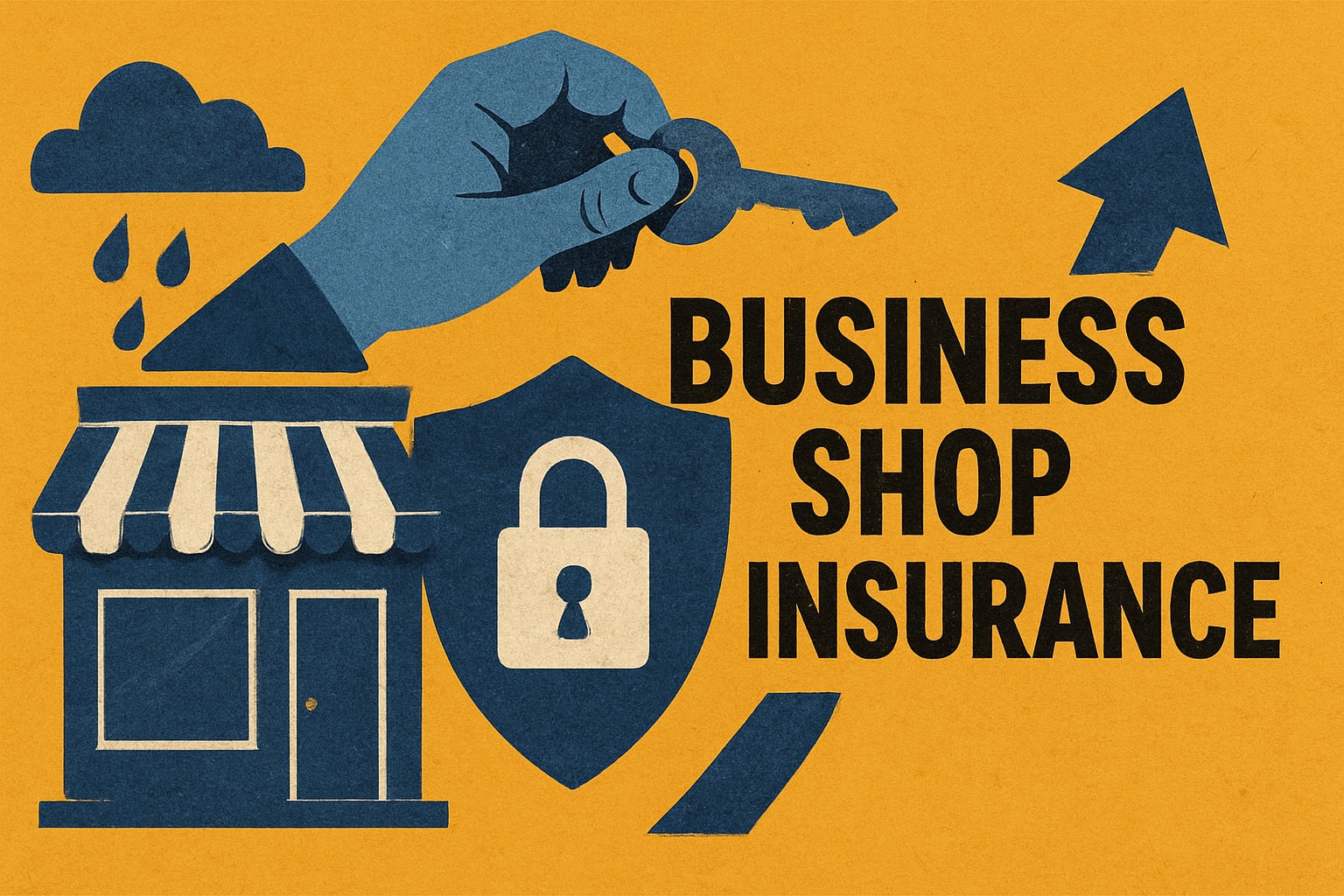
Business Shop Insurance Guide: Protect Your Store in 2026
Imagine locking up your shop at the end of a long day, knowing your livelihood is shielded from the unexpected. In 2026, UK shop owners face more risks than ever, from frequent claims and stricter regulations to new digital threats.
Having the right business shop insurance means peace of mind, letting you focus on growth while knowing your store is protected. This guide is designed to demystify the essentials, so you can confidently choose the right policy for your needs.
Inside, you will discover:
Why shop insurance is now critical, not optional
What business shop insurance covers and what it does not
How to assess your risks and compare policies
The main factors affecting costs—and tips to save
Step-by-step instructions for securing the right cover
Expert answers to the most common questions
Ready to safeguard your store for whatever tomorrow brings? Let’s get started.
Why Shop Insurance is Essential in 2026
In 2026, the landscape for UK shop owners has never been more complex or challenging. The risks facing retailers are multiplying, from traditional threats such as fire and theft to new challenges like cyber attacks and regulatory shifts. Business shop insurance is now the foundation for survival and success, not just a box-ticking exercise.
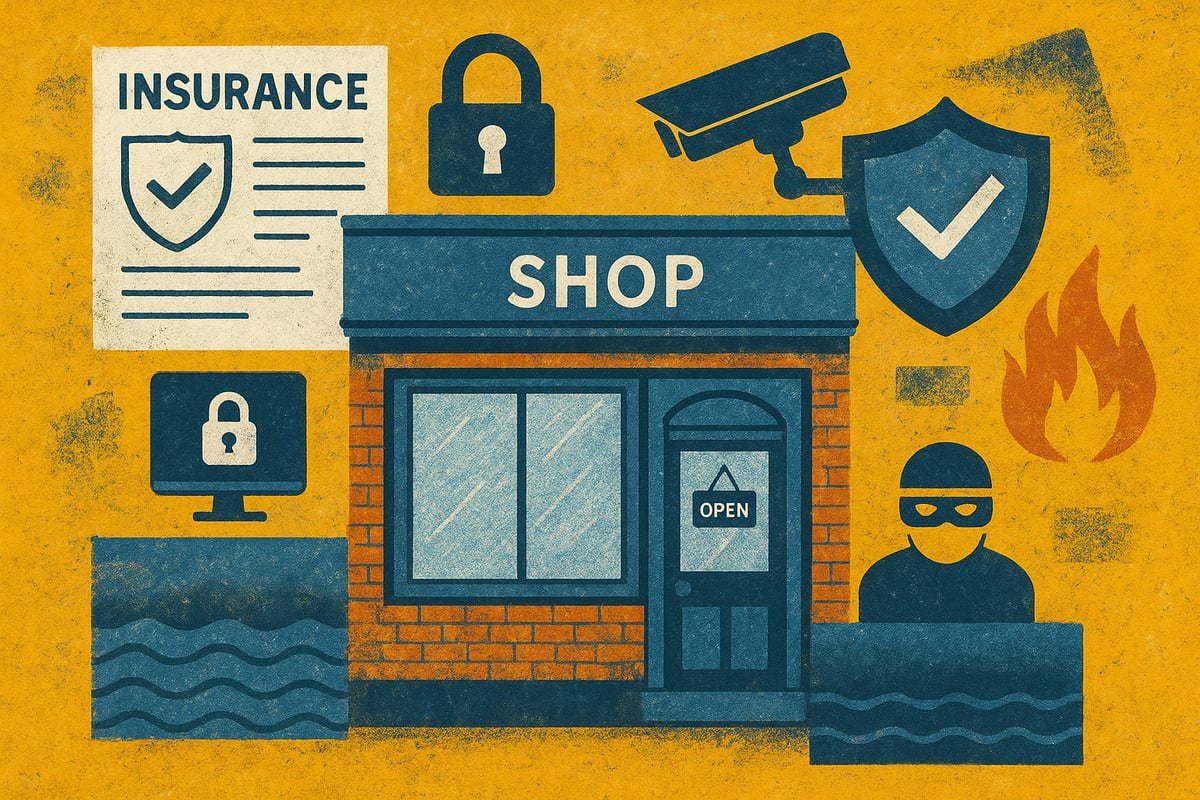
Shop owners in 2026 must contend with a host of unique risks. These include:
Theft, both physical break-ins and online fraud
Fire and accidental damage to property or stock
Customer or staff injuries on the premises
Flooding and extreme weather events
Cyber threats with the rise of digital transactions
Business shop insurance is designed to address these evolving dangers. With the frequency of claims rising, being properly insured is more crucial than ever.
The financial impact of a single incident can be devastating. Public liability claims, for example, can cost thousands, especially if a customer is injured in-store. Recent industry data shows that 80 percent of claims are settled within 24 hours, highlighting how efficient cover supports fast recovery. For employers, having employers’ liability insurance is a legal requirement in the UK. Fines can reach up to £2,500 per day for every uninsured employee, making compliance vital for every business shop insurance policy.
The risks of being underinsured or uninsured go beyond financial loss. Shops without proper cover risk their reputation, face operational downtime, and may even be forced to close. Real-world incidents are common:
A customer slips on a wet floor and sustains an injury
An employee suffers an accident while stacking shelves
Stock is destroyed by a burst pipe, or stolen during a break-in
Without business shop insurance, these events could quickly overwhelm even the most prepared business.
The retail sector is changing fast. The growth of online sales and hybrid shops means new exposures. E-commerce brings increased cyber risk, with payment data and customer information now prime targets for criminals. Traditional policies might not address these threats, making updated business shop insurance essential. For the latest trends and regulatory updates, shop owners can stay informed through Shop insurance news and updates.
Business shop insurance is more than a safety net. It is a critical tool for business continuity and recovery. When disaster strikes, the right cover enables shops to reopen quickly, protect staff and customers, and restore confidence. In 2026, with claim frequencies up and the value of losses climbing, insurance is not a luxury. It is a necessity for every shop owner who wants to protect their business and their livelihood.
Types of Shop Insurance Cover Explained
Choosing the right business shop insurance in 2026 means understanding the types of cover available and how they protect your shop from the unexpected. The right combination of insurance safeguards your livelihood, your team, and your reputation, no matter what the future holds. Let’s break down the essential and optional protections every UK shop owner should consider.
Core Covers Every Shop Needs
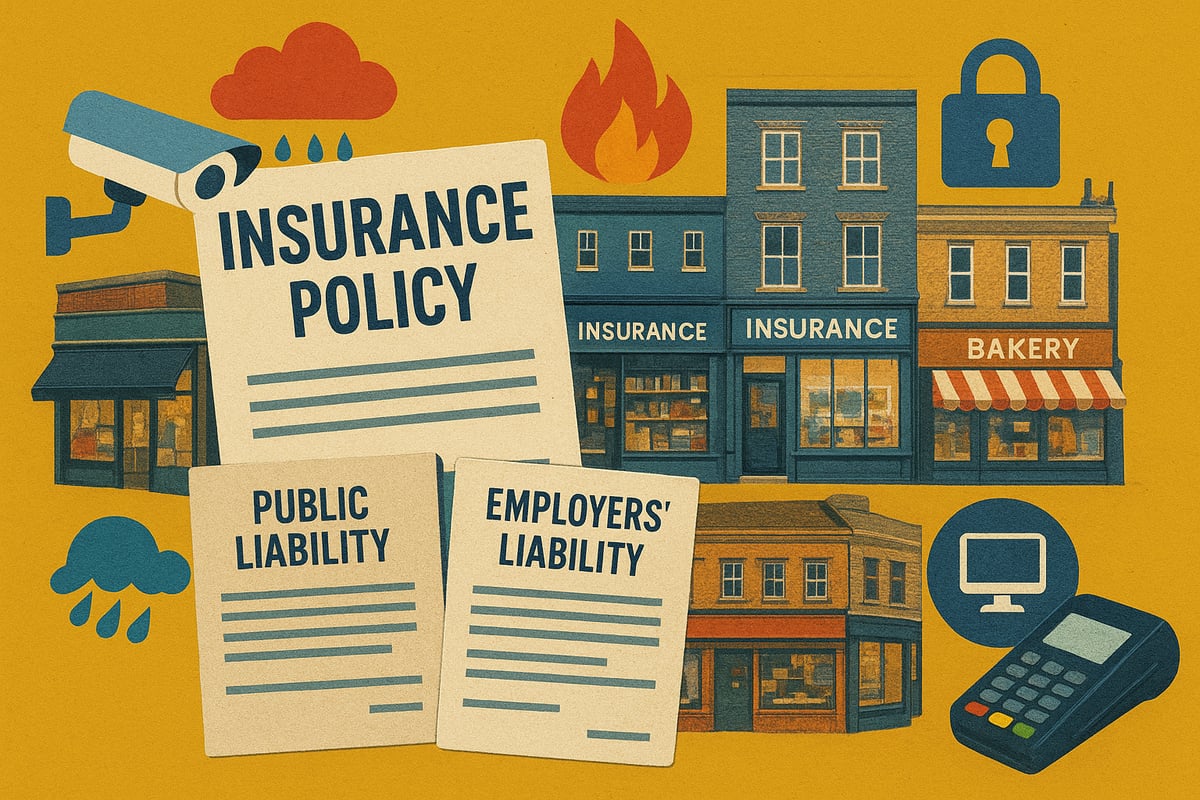
Every business shop insurance policy should start with a strong foundation. These core covers are not just recommended, they are often required by law or by landlords, and form the backbone of your risk management strategy.
Public liability insurance: Protects your business against claims from customers or third parties who suffer injury or property damage on your premises. For example, if a customer slips on a wet floor and is injured, this cover handles the legal and compensation costs.
Employers’ liability insurance: Legally required if you employ staff, including temporary or casual workers. It covers claims if an employee is injured or becomes ill due to their work. For instance, if a staff member is hurt while stacking shelves, this insurance responds.
Shop contents insurance: Covers your fixtures, fittings, and essential equipment against risks like fire or theft. Imagine a break-in where your tills and displays are stolen—contents insurance helps you recover quickly.
Buildings insurance: Protects the structure of your premises, whether you own or lease. If a fire damages the shop’s roof or walls, this cover pays for repairs.
Stock insurance: Safeguards your inventory from loss, theft, or accidental damage. Flooded stockrooms or stolen goods after a burglary are typical claims.
Industry data shows 84% of UK shop owners choose £1 million in liability cover, while 16% opt for £2 million. Combining these covers creates robust protection, ensuring your business shop insurance truly shields your assets and operations.
Optional and Specialist Covers
Beyond the basics, the evolving retail landscape in 2026 demands flexibility. Optional and specialist covers let you tailor your business shop insurance to your unique needs and exposures.
Business interruption insurance: Compensates for lost income if your shop must close after an insured event, such as fire or flood. It covers ongoing expenses and helps you recover lost profits until you reopen.
Goods in transit insurance: Protects stock being delivered to or from your shop. If goods are damaged or stolen en route, this cover prevents financial loss.
Legal expenses insurance: Pays legal costs for disputes with suppliers, customers, or regulatory bodies. For example, if you need to take action against a supplier over faulty stock.
Personal accident insurance: Provides payouts if key staff are injured or die as a result of an accident, helping your business cope with sudden absences.
Product liability insurance: Essential if you sell or manufacture goods. It covers claims if a product causes injury or property damage after leaving your shop.
Cyber insurance: With more shops embracing e-commerce and digital payments, protection against cyber threats is now crucial. This cover helps you recover after a data breach, hacking incident, or cyber attack that disrupts your point-of-sale system. Learn more about the importance of cyber insurance for retailers.
Imagine a scenario where a cyber attack disables your payment systems at peak trading, or a supplier dispute threatens your ability to restock. Optional covers like these ensure your business shop insurance keeps pace with modern risks. Customising your policy with relevant add-ons gives you confidence that no matter how your business evolves, your cover remains fit for purpose.
What’s Not Usually Covered
It’s vital to recognise the limitations of business shop insurance policies. Common exclusions include:
Deliberate acts: Losses caused intentionally by you or your staff.
Wear and tear: Gradual deterioration of property or equipment.
Pre-existing damage: Incidents that occurred before you took out the policy.
Non-insured perils: Events not specifically listed in your policy, such as certain types of flooding or subsidence unless you have chosen these covers.
For example, if your shop is in a high-risk flood area but you haven’t added flood cover, any resulting damage may not be paid out. Always read your policy documents carefully and review the limits and exclusions. Gaps in cover can be costly, so regular reviews and updates to your business shop insurance are essential to maintain full protection.
How to Choose the Right Shop Insurance Policy
Selecting the right business shop insurance is crucial for any retailer wanting to safeguard their livelihood. With risks constantly evolving and regulations tightening, a thoughtful approach will ensure your shop remains protected and compliant. Here is how to make a confident, informed decision about your cover.
Assessing Your Shop’s Risks
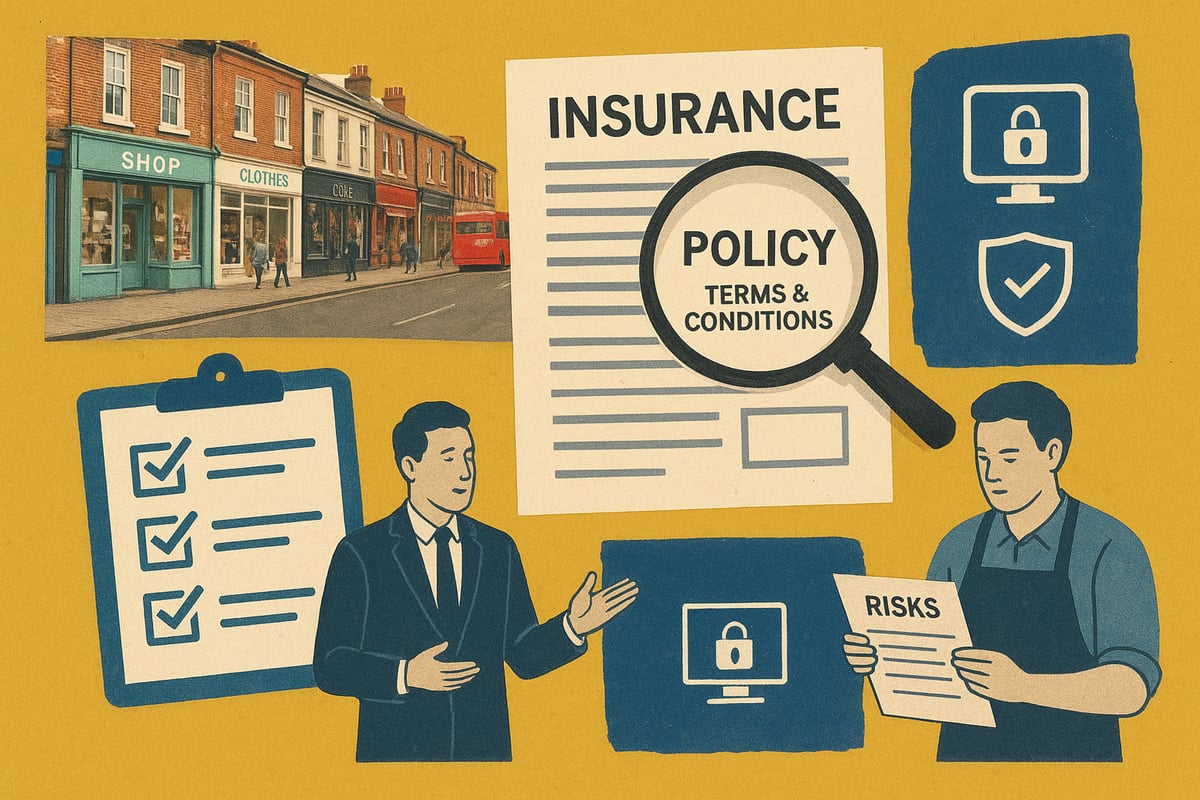
Every business shop insurance policy should start with a clear understanding of your unique risks. Begin by listing everything your business owns and relies on, from property and fixtures to equipment and cash reserves.
Catalogue your premises, stock, and equipment.
Identify risks tied to your location, such as crime rates or flood zones.
Consider your opening hours and the number of staff, including temporary or seasonal workers.
Evaluate the types of goods you sell. High-value or perishable items may need extra protection.
Remember to include digital exposures, such as e-commerce platforms or payment systems.
For example, a late-night off-licence faces different exposures than a daytime florist. The first may need more robust security and liability cover, while the second could focus on stock and public liability.
A tailored risk assessment ensures your business shop insurance policy fits your real needs. This step reduces the chance of underinsurance and helps you avoid paying for unnecessary extras. By being methodical, you lay a solid foundation for the next stages.
Comparing Insurance Providers and Policies
Once you know your risks, the next step is to compare business shop insurance providers and their policies. Not all insurers offer the same level of service or flexibility, so it pays to be thorough.
Look for FCA-regulated brokers and reputable insurers for peace of mind.
Examine policy wording carefully. Clear terms help you understand what is covered and what is excluded.
Prioritise customer support. UK-based, 24/7 claims lines can make a significant difference during emergencies.
Seek out policies that are flexible and customisable, so you only pay for the cover you actually need.
Compare quotes for identical cover, noting differences in excess, policy limits, and exclusions.
For a deeper dive into the essentials of small business cover and how to compare providers, see Business insurance for small business.
Remember, the cheapest policy may not provide the best protection. Focus on cover adequacy, claims handling reputation, and the ability to tailor your policy. These factors ensure your business shop insurance works when you need it most.
The Role of Insurance Brokers in 2026
Insurance brokers have become increasingly valuable for shop owners seeking the right business shop insurance in a complex market. Their expertise can save time, money, and stress.
Brokers offer expert advice and access to a wide range of policies, including specialist options for niche risks.
They help you tailor your cover, ensuring no critical areas are overlooked.
Ongoing support includes help with claims, policy adjustments, and regular reviews as your business evolves.
Brokers often spot underinsured stock levels or new exposures and recommend adjustments before problems arise.
Research shows that businesses using brokers for their business shop insurance report higher satisfaction and better outcomes when making claims. In a crowded and ever-changing insurance landscape, their guidance can be the difference between a swift recovery and a costly setback.
Choosing the right business shop insurance policy is not just about ticking a box. It is about protecting your future, supporting business continuity, and gaining peace of mind as you face the challenges of 2026.
Shop Insurance Costs and Ways to Save in 2026
Understanding the costs behind business shop insurance in 2026 is vital for every shop owner. With rising risks and evolving business models, knowing what influences your premium and how to save is more important than ever. Let us break down the key factors, reveal practical savings tips, and walk you through the claims process.
What Determines the Cost of Shop Insurance?
Several elements contribute to the price of business shop insurance. Insurers assess your shop's unique risk profile and adjust premiums accordingly. The main factors include:
Business size and turnover: Larger shops or those with higher sales often require more cover, increasing costs.
Location: Shops in city centres or high-crime areas typically face higher premiums.
Claims history: A record of frequent or costly claims can lead to higher quotes.
Types of goods sold: High-value or easily stolen stock, such as jewellery or electronics, may cost more to insure.
Cover levels and optional extras: Choosing higher limits or adding specialist covers, like cyber insurance, will affect your premium.
Industry sector: Some sectors, such as food retail or off-licences, carry distinct risks.
For example, a city centre jeweller might pay significantly more than a rural newsagent due to higher theft risk and greater stock value. On average, public liability cover for business shop insurance starts from £5.64 per month, though adding more protection or increasing limits will raise the cost.
It is crucial to ensure your sums insured are accurate. Underinsuring your property or stock can leave you exposed, as highlighted in the UK property underinsurance report. Regular reviews will help you avoid costly gaps in your business shop insurance.
Tips for Reducing Premiums Without Sacrificing Cover
While you want robust protection, there are smart ways to manage the cost of business shop insurance. Consider these practical strategies:
Install security measures: Alarms, CCTV, and reinforced shutters can reduce your risk profile and lower premiums.
Review and update insured values: Make sure you are not over-insuring or under-insuring your stock, contents, or buildings.
Bundle policies: Combine covers with a single provider for potential multi-policy discounts.
Increase voluntary excess: Opting for a higher excess can reduce your monthly or annual premium.
Invest in staff training: Well-trained employees help prevent accidents and claims, supporting a cleaner claims history.
Maintain good housekeeping: Regular risk assessments and prompt repairs show insurers you take risk management seriously.
For instance, a shop owner who increases their voluntary excess and fits a new alarm system may see a noticeable drop in their business shop insurance costs. Remember, the cheapest policy is not always the best. Prioritise adequate cover and reliable service over minimal spend.
The Claims Process: What to Expect
If you need to make a claim on your business shop insurance, a smooth process ensures your shop can recover quickly. Here is what to expect:
Report the incident promptly to your insurer or broker.
Provide documentation, such as receipts, photos, or police reports.
Assessment: The insurer will review the claim and may arrange an inspection.
Settlement: Most claims are settled quickly, with 80 percent paid within 24 hours.
Having all paperwork ready and keeping your insurer informed helps ensure a fast, fair outcome. Quality business shop insurance is defined by efficient claims support when you need it most.
Step-by-Step Guide to Getting Shop Insurance in 2026
Securing the right business shop insurance in 2026 is a process that rewards preparation, research, and regular review. By following a clear, step-by-step approach, shop owners can protect their livelihoods, adapt to new threats, and remain compliant with evolving regulations. Here is how to get started.
Step 1: Assess Your Needs and Risks
Begin your business shop insurance journey by listing every asset and exposure your shop faces. Think about:
Your premises, stock, cash, and essential equipment
Physical risks like fire, theft, or flooding
Digital threats if you operate online or use card payments
Staff numbers, opening hours, and customer footfall
For example, a hybrid retailer with both online and in-person sales faces different risks than a small, single-location florist. Mapping risks gives you a foundation for the right cover. This step ensures your business shop insurance is tailored from the start.
Step 2: Research and Compare Providers
Next, shortlist FCA-authorised insurers and brokers. Compare policy features, exclusions, and customer feedback. Look for:
Providers regulated by the Financial Conduct Authority
Clear, transparent policy wording
Support for unique risks, such as seasonal stock or business interruption
Recent FCA's simplified insurance rules make it easier to compare providers and understand your obligations. By investigating thoroughly, you ensure your business shop insurance meets both your needs and regulatory standards.
Step 3: Customise Your Policy
Now, select the core and optional covers your business requires. Consider:
Public and employers’ liability
Buildings, contents, and stock cover
Business interruption and goods in transit
Cyber insurance, especially for e-commerce or digital payments
Many shops now add cyber cover to protect against data breaches and online threats. If you are unsure, read why cyber insurance necessity for UK businesses is rising. Customising your business shop insurance ensures you are covered for both traditional and emerging risks.
Step 4: Apply and Disclose Information Accurately
When applying for business shop insurance, complete all forms truthfully and include every relevant detail. Accurate disclosure is vital because:
Undisclosed past claims or risks can void your policy
Insurers may refuse to pay out if information is missing
Regularly update your insurer if your business changes
For example, failing to declare a previous flood claim could result in denied compensation. Full, honest disclosure protects your business shop insurance from future disputes.
Step 5: Review, Update, and Maintain Your Cover + FAQ
Set a reminder to review your business shop insurance annually or after major changes, such as expansions or renovations. Keep documents accessible and update your policy when:
Expanding your premises
Adding new products or services
Increasing staff or changing operating hours
Frequently Asked Questions (FAQs)
Curious about business shop insurance in the UK for 2026? Here are answers to the most common questions shop owners ask.
What is the minimum insurance a UK shop must have by law in 2026?
Employers’ liability insurance is legally required if you employ staff. For more details, see Business liability insurance explained.How do I calculate the right level of cover for my shop’s contents and stock?
List all items and use current replacement values to determine an accurate sum insured.Are online sales and e-commerce activities covered by shop insurance?
Many policies include online sales, but always check your policy for e-commerce cover.Can I get insurance if my shop has a history of claims?
Yes, but premiums may be higher and cover options more limited.What should I do if my shop is refused cover by standard insurers?
Contact a specialist broker who can access niche markets.How quickly are claims usually paid out?
Most claims are settled within 24 hours once all documents are provided.Does shop insurance cover temporary staff or volunteers?
Employers’ liability insurance usually includes temps and volunteers, but confirm with your provider.How can I reduce my premiums without losing essential cover?
Improve shop security, review sums insured, and bundle covers for discounts. Business shop insurance should always match your needs.
After exploring how the right shop insurance can safeguard your business against rising risks, new regulations, and unexpected claims in 2026, you can see why taking action now is so important. With tailored guidance from experienced commercial insurance brokers, you’ll have peace of mind knowing your cover truly fits your shop’s needs—whether you’re dealing with physical premises, online sales, or a bit of both. If you’re ready to protect what you’ve built and keep your business running smoothly, you don’t have to navigate this alone.