




Essential Guide to Business Trade Insurance in 2026
In 2026, business trade insurance could be the deciding factor between thriving through adversity or facing devastating setbacks for UK businesses. With new risks on the rise and shifting regulations, business owners and tradespeople are under more pressure than ever to secure robust, tailored protection.
Evolving business environments call for insurance solutions that go beyond the basics. Understanding and selecting the right cover offers real advantages, from legal compliance to peace of mind in uncertain times.
This essential guide will walk you through everything you need to know about business trade insurance for 2026. Discover definitions, different types of cover, legal requirements, how to choose a policy, what affects costs, the claims process, and answers to frequently asked questions—all designed to help UK businesses stay protected and compliant.
Understanding Business Trade Insurance in 2026
Business trade insurance is a cornerstone of financial security for UK companies and self-employed professionals in 2026. It is a suite of policies designed to shield businesses from a range of risks, including legal claims, property damage, cyber threats, and operational interruptions. As the business landscape evolves, having robust business trade insurance is essential for resilience and continuity.
The importance of business trade insurance has never been greater. Recent data shows that insurance uptake among UK businesses is rising, yet a significant number still operate without adequate cover. According to UK business insurance statistics 2024, liability claims and cyber incidents have sharply increased, with cyberattacks alone costing British businesses billions in recent years. This trend highlights the urgent need for comprehensive protection.
In 2026, regulatory changes are reshaping the insurance requirements for businesses. New legislation has tightened the rules on employer’s liability and public liability cover, especially for SMEs and tradespeople. Non-compliance can lead to hefty fines and even business closure. The Autumn Budget has also impacted premium costs and minimum cover standards, making it vital for business owners to stay informed and compliant.
Business trade insurance is distinct from other commercial insurance types. While professional indemnity, public liability, and product liability each address specific risks, business trade insurance serves as an umbrella, offering tailored solutions that combine these elements based on the unique needs of a company. This flexibility makes it suitable for a wide range of sectors.
Industries most affected by the new insurance standards in 2026 include construction, retail, technology, and hospitality. For example, construction firms face stricter policies on public liability due to increased site incidents, while tech businesses must now address cyber risks as part of their standard cover. Even small retailers and consultants are urged to review their business trade insurance to avoid exposure to emerging threats.
A common misconception is that only large companies need business trade insurance. In reality, sole traders, freelancers, and microbusinesses are just as vulnerable to claims and disruptions. The cost of a single uninsured incident, such as a customer injury or data breach, can far exceed the price of an annual premium.
Real-world examples illustrate the value of business trade insurance. One retailer avoided bankruptcy after a flood by claiming on their business interruption policy, while a contractor successfully defended a liability claim thanks to robust cover. These cases show how insurance can turn a potential disaster into a manageable setback.
Proactive management of business trade insurance is crucial for long-term success. Regularly reviewing cover, staying updated on legal changes, and adapting policies to new risks ensures that businesses remain protected and compliant. In 2026, this approach is not just best practice, it is a necessity for survival and growth.
Types of Business Trade Insurance Cover
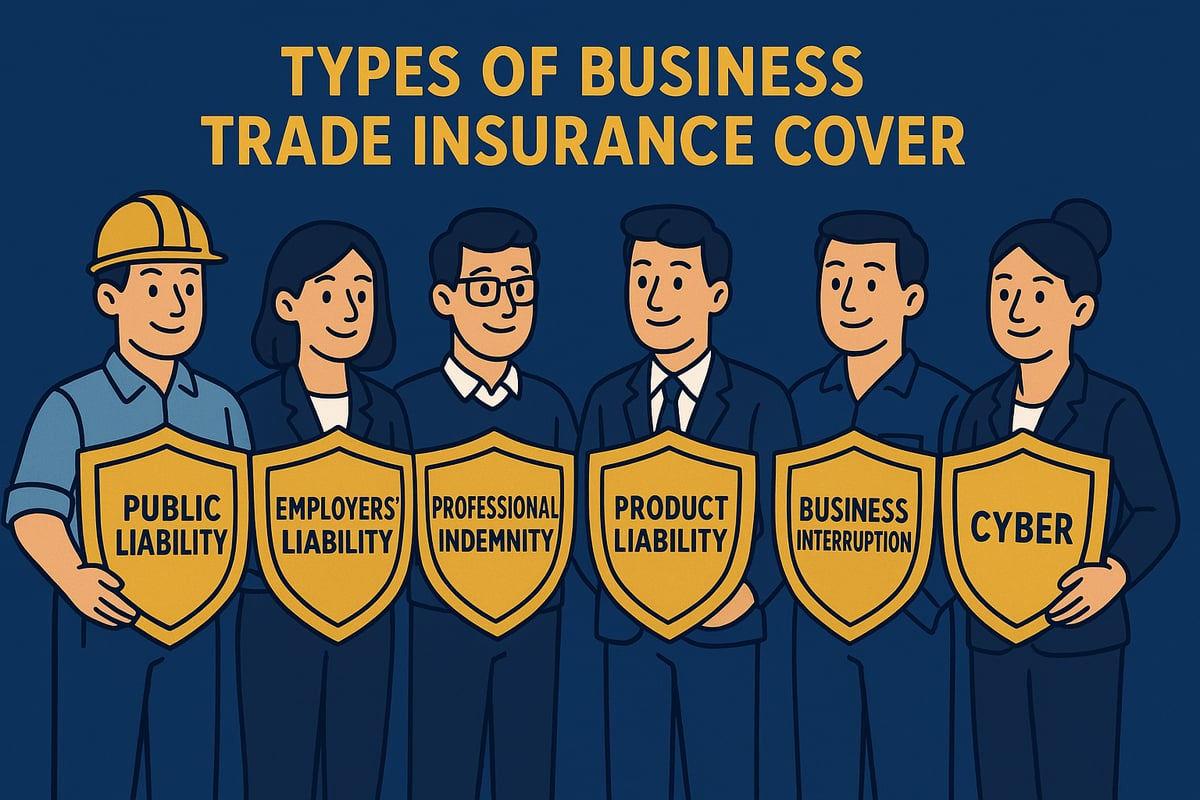
Choosing the right business trade insurance is essential for every UK enterprise in 2026. The landscape is evolving, and understanding the variety of protection available can make the difference between thriving and facing avoidable risks.
Below, we explore the main types of cover, each tailored to specific challenges and sectors. Whether you are a sole trader or a growing SME, the right mix of policies ensures you are protected against the unexpected.
Public Liability Insurance
Public liability insurance is a core component of business trade insurance. It covers legal costs and compensation if a third party is injured or their property is damaged because of your business activities.
For tradespeople, retailers, and event organisers, this protection is often required by clients or venues. Claims for slips, trips, or accidental damage are among the most frequent in the UK, making this cover essential.
Key features include:
Protection against injury claims by customers or the public
Cover for accidental property damage
Legal defence costs
Optional extensions for events or high-risk work
For a deeper look at providers and options, see Business Liability Insurance Companies.
Employers’ Liability Insurance
If you employ staff, employers’ liability insurance is a legal requirement as part of your business trade insurance. It safeguards your business against claims from employees who suffer illness or injury due to work.
Penalties for not having this cover can reach thousands of pounds per day. Common claims involve workplace accidents, repetitive strain injuries, or long-term illness linked to employment.
What does it offer?
Mandatory cover for all employers, including part-time and temporary staff
Pays compensation and legal fees for employee injury or illness
Compliance with UK law and regulatory bodies
Protection for both on-site and remote workers
Regular policy reviews ensure you remain compliant and adequately protected.
Professional Indemnity Insurance
Professional indemnity insurance is vital for any business trade insurance portfolio where advice or specialist services are provided. Consultants, architects, and IT professionals are typical policyholders.
It protects against claims of negligence, errors, or omissions that result in client financial loss. Regulatory bodies and clients may require this cover before contracts are signed.
Key benefits:
Covers legal costs and damages from professional mistakes
Required for many regulated professions
Suitable for both individuals and firms
Optional extras for breach of confidentiality or intellectual property disputes
Selecting the right limit and scope is crucial for comprehensive protection.
Product Liability Insurance
Product liability insurance is an important aspect of business trade insurance for manufacturers, distributors, and retailers. It covers claims arising from defective products that cause injury or property damage.
Real-world cases include electrical goods causing fire or cosmetic items leading to allergic reactions. With increased consumer awareness, claims in this area are rising.
Cover highlights:
Protection for injuries caused by products sold or supplied
Defence costs for legal action
Covers both own-branded and imported goods
Optional recall expense cover
This policy type is crucial for any business involved in the product supply chain.
Business Interruption Insurance
Business interruption insurance forms a strategic layer of business trade insurance. It provides financial support when your business cannot operate due to covered events such as fire, flood, or cyberattack.
The post-pandemic period has shown how vital this cover can be for maintaining cash flow during unforeseen closures.
Main features include:
Loss of income cover during periods of disruption
Support for fixed costs and ongoing expenses
Optional extensions for supply chain or utility failures
Helps businesses recover faster and minimise downtime
Review your risks annually to ensure the policy meets your current needs.
Cyber and Data Insurance
With digital threats on the rise, cyber and data insurance is an increasingly important part of business trade insurance. It covers losses from data breaches, cyberattacks, and ransomware incidents.
SMEs are frequent targets, and the financial impact can be severe, including regulatory fines and reputational harm.
Policy benefits:
Covers cost of investigating and rectifying breaches
Compensation for business interruption losses
Legal support for regulatory investigations
Optional cover for social engineering and phishing attacks
Staying protected in the digital age requires a proactive approach to cyber risk management.
How to Choose the Right Business Trade Insurance Policy
Selecting the right business trade insurance in 2026 is not just about ticking a box for compliance. It is a critical process that protects your company’s future, reputation, and finances. With evolving risks and new insurance products emerging, a structured approach is essential.

Step-by-Step Guide to Evaluating Your Cover
Start by mapping out your business operations. What services or products do you offer? Who are your clients and partners? This first step helps define the types of business trade insurance you might need.
List your business activities and assets
Identify who might be affected by your operations (clients, public, employees)
Consider contracts or regulations that require specific insurance
Next, research the mandatory and recommended covers for your sector. Government guidelines, trade associations, and insurance specialists can highlight legal obligations and best practices.
Assessing Business Risks and Insurance Needs
A thorough risk assessment is the foundation for effective business trade insurance. Begin by pinpointing threats unique to your business. These could include workplace accidents, cyber incidents, supply chain disruptions, or professional mistakes.
Use risk assessment tools or checklists to structure your review. Commonly overlooked risks, such as remote work vulnerabilities or third-party claims, can have significant financial consequences.
Review claims data in your sector
Consult staff and stakeholders for insights
Update your risk profile annually or after major changes
Proper risk assessment ensures your business trade insurance matches your actual exposures, not just generic risks.
Comparing Providers, Policies, and Customisation
Not all insurers offer the same products or service levels. When choosing business trade insurance, compare providers on:
Policy features and exclusions
Premiums and excesses
Claims support and turnaround times
Access to digital platforms for policy management
Specialist brokers and online platforms can help you access tailored solutions for your industry. Customisation is key—look for insurers who can adapt cover to your business’s unique needs, whether you run a tech startup or a construction firm.
The Importance of Brokers and Expert Advice
Insurance brokers play a pivotal role in navigating the complex landscape of business trade insurance. They offer:
Market insight and access to leading insurers
Guidance on regulatory and client-driven requirements
Support during claims, ensuring you get fair outcomes
For businesses in consulting, architecture, or IT, seeking specialist advice is crucial. The Professional Indemnity Insurance Guide is an excellent resource for understanding this essential cover and finding the right policy.
Regular Policy Reviews and Practical Tips
Business trade insurance is not a set-and-forget solution. Review your policies annually or whenever your business changes. This ensures your cover keeps pace with growth, diversification, or new regulations.
Schedule routine policy reviews
Check for gaps, overlaps, or outdated covers
Adjust your insurance as your risk profile evolves
By following these steps, UK businesses can secure business trade insurance that delivers real protection, compliance, and peace of mind throughout 2026.
Cost Factors and How to Save on Business Trade Insurance
Understanding what drives the cost of business trade insurance is crucial for UK businesses aiming to protect themselves without overspending. In 2026, premiums are shaped by a combination of internal risk factors and external market forces. By knowing what influences your insurance costs, you can make smarter decisions and keep your cover both robust and cost-effective.
Key Cost Factors
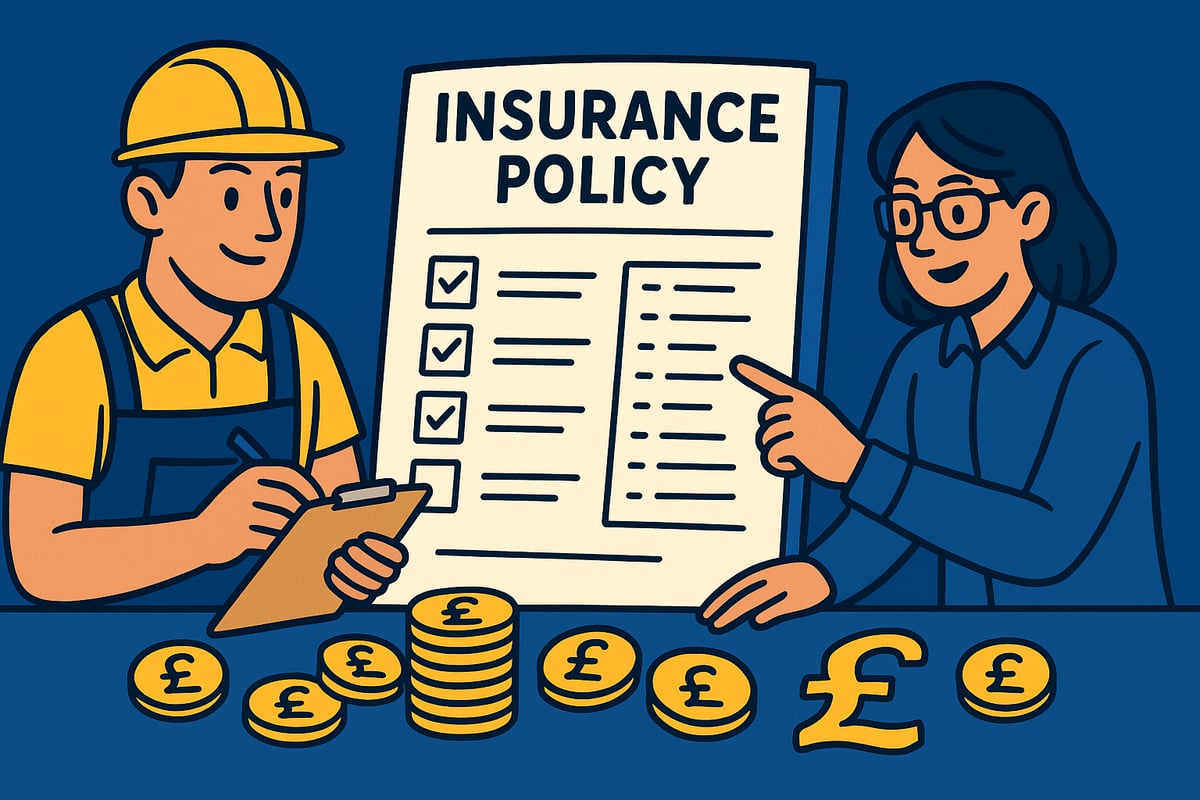
Several core factors affect the price of business trade insurance in 2026:
Type of business and industry sector: Higher-risk trades, such as construction or manufacturing, usually face higher premiums than low-risk sectors.
Business size and turnover: Larger businesses or those with significant revenue often pay more due to increased exposure.
Claims history: A clean claims record can lead to discounts, while frequent claims may increase your costs.
Level of cover and policy features: Opting for higher limits, lower excess, or adding optional extras will impact your premium.
Location and property security: Businesses based in areas with higher crime rates or poor security may face higher charges.
Regularly reviewing these factors ensures your business trade insurance remains fit for purpose and financially sustainable.
Market Trends and Inflation
In 2026, the UK insurance market is experiencing continued growth, with inflation putting upward pressure on premiums across most sectors. According to recent forecasts, the general insurance industry is expected to reach new highs, reflecting increased claim volumes and changing risk profiles.
Inflation affects not only the cost to repair or replace property but also the value of claims settlements. Additionally, evolving risks such as cyber threats and regulatory changes mean that insurers regularly update their pricing models. For contractors and SMEs seeking comprehensive yet affordable protection, exploring combined policy options such as those detailed in this Contractors Combined Insurance Overview can provide both savings and simplicity.
Cost-Saving Strategies
There are practical steps businesses can take to reduce their business trade insurance costs while maintaining robust protection:
Bundle multiple policies: Combining cover types with a single provider can result in discounts.
Increase your excess: Agreeing to pay a higher excess can lower your premium, but ensure it remains affordable.
Review cover annually: Regular reviews help identify unnecessary extras and adjust for changes in your business.
Invest in risk management: Improved security measures, staff training, and safety protocols can all reduce your risk profile.
Shop around: Comparing quotes from different insurers or using a broker increases the chance of finding the best deal.
Implementing these strategies helps control costs and ensures your business trade insurance adapts as your business evolves.
Risk Management, Negotiation, and Disclosure
Effective risk management not only protects your business but can also lead to lower premiums. Insurers look favourably on companies that demonstrate proactive claims prevention and robust safety measures.
Negotiating with insurers, especially via a specialist broker, can unlock further savings or enhanced cover. Accurate disclosure of all relevant information is essential. Failing to provide correct details can result in denied claims or policy cancellations.
Ultimately, the most cost-effective business trade insurance is one that genuinely reflects your risks and requirements, backed by regular reviews and professional guidance.
Making a Claim: Step-by-Step Process in 2026
Making a claim on your business trade insurance in 2026 requires understanding the right steps, timely action, and precise documentation. The claims process has evolved, with digital tools and streamlined procedures now making it easier for UK businesses to secure the support they need. This section guides you through every phase, from the immediate aftermath of an incident to learning from the outcome, ensuring your business remains resilient and compliant.
What to Do Immediately After an Incident
When an incident occurs, acting quickly is crucial for a smooth business trade insurance claim. First, ensure everyone’s safety and secure the area to prevent further harm. Next, gather as much evidence as possible.
Take clear photos or videos of damage or injuries.
Collect details from witnesses, including contact information.
Secure any physical evidence relevant to the claim.
Notify your insurer or broker without delay. Most policies require incidents to be reported within a specified timeframe, which is often within 24 to 48 hours. Thorough documentation at this stage is essential, as missing details can slow down or jeopardise your claim. By proactively following these steps, you set a strong foundation for a successful business trade insurance process.
Navigating the Claims Process
Submitting a business trade insurance claim in 2026 is more straightforward thanks to digital advancements. Most insurers now offer user-friendly online portals or mobile apps for claim submission. You’ll typically need to provide:
Completed claim forms with incident details.
Supporting evidence, such as invoices, repair estimates, or medical reports.
A timeline of events and any prior communications.
After submission, your insurer will assign a claims handler to review and investigate. Artificial intelligence tools may assist in assessing documentation and flagging any inconsistencies. The average resolution timeline varies, but clear, complete submissions can speed things up. Throughout the process, maintain regular communication with your insurer or broker for updates and guidance. This approach helps ensure your business trade insurance claim progresses efficiently.
Tips for Faster, Smoother Claims
To expedite your business trade insurance claim, preparation and communication are key. Keep your records organised and accessible. Use a checklist to ensure all required documents are included before submission.
Report incidents promptly and keep a written record of all communications.
Double-check your policy to confirm you are claiming for covered events.
Respond quickly to any queries or requests from your insurer.
Engage your broker if you encounter difficulties or delays, as their expertise can help resolve issues efficiently. For cyber-related incidents, review your cover and consider specialist support, as outlined in Cyber Insurance for UK Businesses. Quick, clear action reduces the risk of delays and increases the likelihood of a positive outcome for your business trade insurance claim.
Learning from Claims Outcomes
Every business trade insurance claim offers valuable lessons for risk management and future resilience. After your claim is settled, review the entire process:
Identify what went well and where delays occurred.
Assess whether your policy provided sufficient protection.
Update your risk management procedures based on claim findings.
For example, if a cyber incident led to a significant loss, consider strengthening your digital defences and reviewing policy limits. Learning from both successful and rejected claims helps refine your approach, ensuring your business is better protected and more prepared for future challenges. Regularly updating your business trade insurance based on claims experience is essential for long-term business continuity.
Frequently Asked Questions About Business Trade Insurance in 2026
Navigating business trade insurance in 2026 can feel complex, especially with new risks and regulations emerging across the UK. Below, we answer the most common questions business owners have, helping you make informed, confident decisions about your cover.
What is the minimum legal insurance required for UK businesses in 2026?
Most UK businesses must hold employers’ liability insurance if they employ staff, as required by law. Some sectors may also need public liability or professional indemnity insurance due to regulations or contracts. Failing to meet these legal requirements can result in significant fines and legal issues.
How has business insurance changed in response to new risks and regulations?
Business trade insurance has adapted to address cyber threats, supply chain vulnerabilities, and stricter compliance. The PRA Business Plan 2025/26 highlights regulatory priorities that shape the insurance landscape, increasing focus on risk management and reporting. As a result, businesses now need to review and update their cover more regularly.
Can I bundle different types of business insurance for savings?
Yes, many insurers and brokers offer bundled business trade insurance packages. These can combine key covers such as public liability, employers’ liability, cyber, or professional indemnity. Bundling often results in cost savings and simplifies policy management, but always check for gaps or overlaps in cover.
What happens if I underinsure my business?
Underinsurance can leave you exposed to significant financial loss. If a claim exceeds your policy limit, you may have to pay the shortfall yourself. Always ensure your business trade insurance reflects your current turnover, assets, and activities to avoid this risk.
How do I know if my policy covers remote work or cyber risks?
Check your policy documents or consult your broker. Many standard policies now include provisions for remote working and cyber threats, but coverage levels can vary. The rise in cybercrime has made dedicated cyber insurance essential, with cyberattacks costing British businesses £44 billion over the past five years, reinforcing the importance of robust protection in your business trade insurance.
Are there industry-specific insurance requirements in 2026?
Yes, certain sectors such as construction, healthcare, and financial services face unique regulatory demands. Always check for any industry-specific obligations when arranging business trade insurance, as requirements can change annually.
How often should I review or update my business insurance policy?
Review your business trade insurance at least annually or when your business changes significantly. This includes expansion, new services, or shifts in turnover. Regular reviews ensure your cover remains compliant and fit for purpose.
What support is available if my claim is rejected?
If your business trade insurance claim is declined, ask your insurer for a detailed explanation. You can appeal the decision or seek help from the Financial Ombudsman Service. Brokers can also provide guidance and assist with dispute resolution.
How do insurance brokers help with complex or niche business needs?
Brokers offer tailored advice, access to specialist policies, and support with claims. Their expertise is invaluable for businesses with unique risks or those operating in emerging sectors. Working with a broker can help you secure comprehensive business trade insurance that meets all your needs.
Where can I find reliable, up-to-date advice on business trade insurance?
Stay informed through reputable sources like the Association of British Insurers, your insurance broker, and official industry updates. Regulatory publications and business support organisations also provide guidance to help you navigate changes in 2026.
As you’ve seen, understanding the ins and outs of business trade insurance is essential for protecting your livelihood in 2026. Whether you’re navigating new regulations, comparing cover options, or simply seeking peace of mind for your business, having the right policy in place can make all the difference. If you’re ready to ensure your business is properly covered and want advice tailored to your specific needs, I encourage you to take the next step and Get A Quote Now!