


Commercial for Business: Essential Insurance Guide 2026
Finding the right commercial for business insurance can be the difference between a company that survives unexpected setbacks and one that faces financial ruin. Every business, regardless of size or sector, encounters risks daily-from property damage and liability claims to cyber threats and employee injuries. Understanding how commercial insurance protects your business interests whilst providing peace of mind allows you to focus on growth rather than worrying about potential disasters. This comprehensive guide explores what commercial for business solutions entail, why they're essential, and how to select coverage that matches your specific operational needs.
Understanding Commercial for Business Insurance
Commercial for business insurance encompasses a range of policies designed to protect companies from financial losses arising from various risks. Unlike personal insurance, commercial policies address the unique exposures that businesses face during daily operations. These policies can cover everything from physical assets and inventory to legal liabilities and employee-related claims.
The foundation of most commercial for business programmes includes property insurance, which protects buildings, equipment, and stock from damage or loss. General liability coverage shields businesses from third-party claims of bodily injury or property damage, whilst professional indemnity protects service providers from claims of negligence or errors in their work.
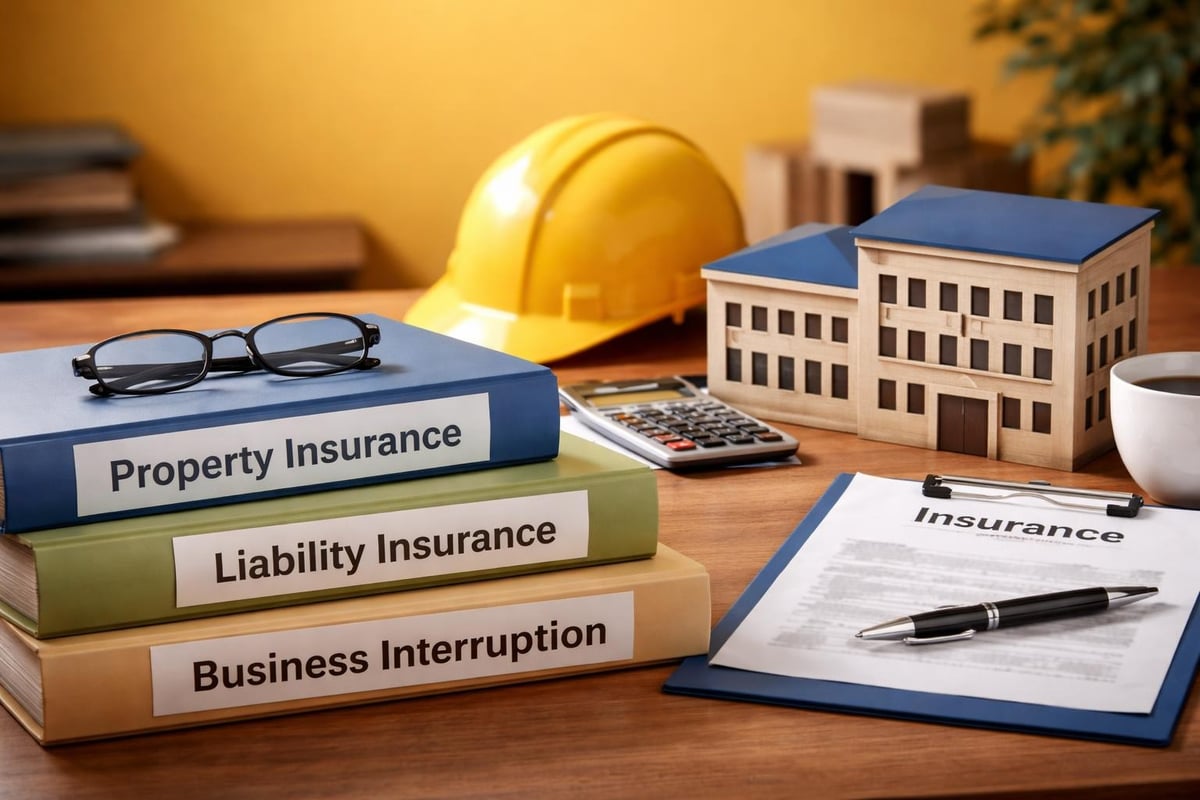
Many businesses benefit from bundled policies that combine multiple coverage types into a single package. This approach not only simplifies administration but often reduces premium costs compared to purchasing separate policies. Understanding which coverages your business requires starts with a thorough risk assessment of your operations, assets, and potential exposures.
Core Coverage Types Every Business Should Consider
Property Insurance forms the backbone of most commercial for business policies, protecting physical assets against fire, theft, vandalism, and natural disasters. This coverage extends beyond just the building to include machinery, computers, furniture, and stock. For businesses operating from leased premises, contents insurance remains essential even when the landlord insures the structure.
Public Liability Insurance protects businesses when third parties-customers, suppliers, or members of the public-suffer injury or property damage because of business activities. This coverage handles legal defence costs and compensation payments, which can reach substantial amounts even for seemingly minor incidents.
Employers' Liability Insurance is legally required for most UK businesses with employees. This coverage protects the company if workers suffer illness or injury related to their employment. Without adequate employers' liability insurance, businesses face potentially devastating legal costs and compensation claims.
Professional Indemnity Insurance matters particularly for service-based businesses where advice, designs, or professional services form the core offering. This policy responds when clients claim financial loss due to professional errors, omissions, or negligence. For consultants, accountants, and designers, professional indemnity coverage provides essential protection.
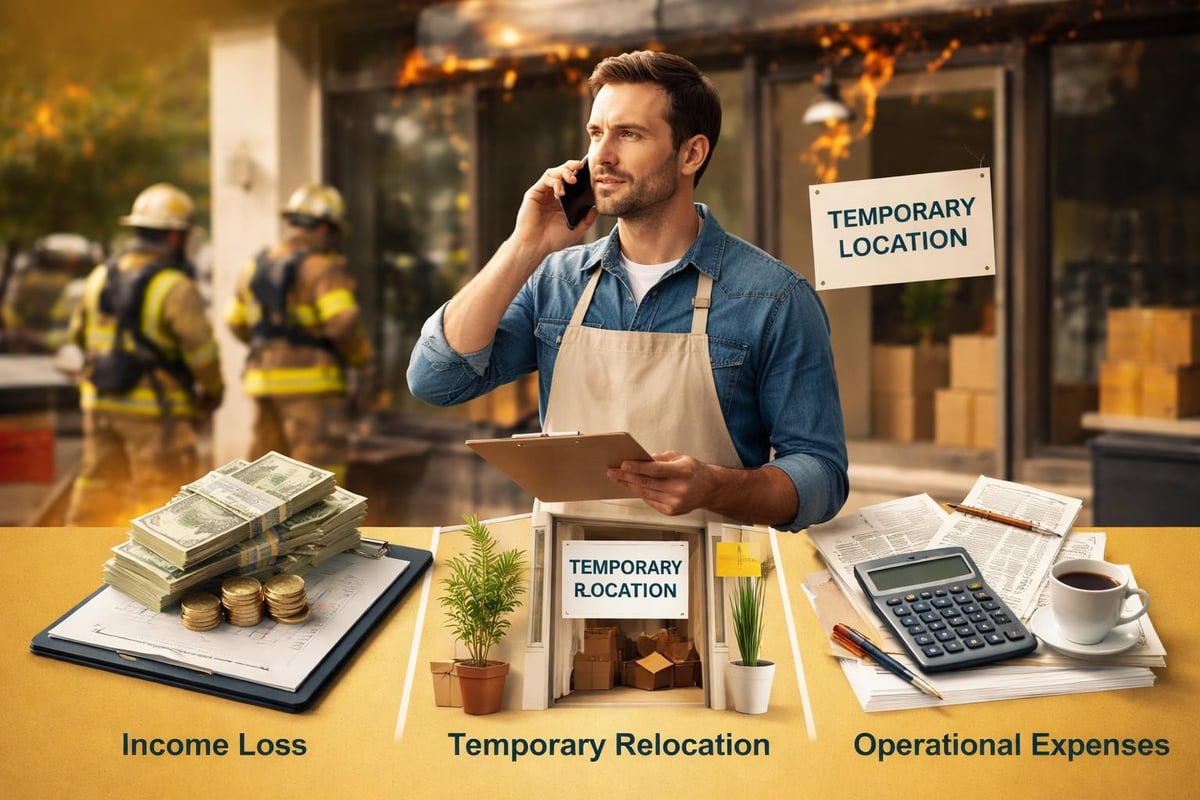
Business Interruption Insurance compensates for lost income when operations cease temporarily due to insured events like fire or flood. This often-overlooked coverage pays ongoing expenses such as rent, salaries, and loan repayments whilst the business recovers and reopens.
Why Commercial for Business Insurance Matters
The financial consequences of operating without adequate commercial for business insurance can prove catastrophic. A single liability claim from an injured customer could cost hundreds of thousands of pounds in legal fees and compensation. Fire damage to premises might not only destroy physical assets but also halt revenue for months during reconstruction.
Real-World Risk Scenarios
Consider a small manufacturing business where a faulty product causes injury to a customer. Without product liability coverage, the business owner faces legal costs, compensation payments, and potential regulatory penalties from personal finances. Similarly, a cyberattack that breaches customer data could trigger claims under data protection legislation, with fines reaching millions of pounds for larger businesses.
Weather-related damage represents another significant exposure. The increasing frequency of severe weather events means more businesses face flooding, storm damage, and related losses. Commercial property insurance provides crucial protection when natural disasters strike, covering repair costs and temporary relocation expenses.
Employment-related claims continue rising across all sectors. Allegations of discrimination, unfair dismissal, or workplace injury can result in tribunal awards and legal costs that threaten business viability. Employment practices liability insurance addresses these risks, covering defence costs and settlements.
Regulatory and Contractual Requirements
Many businesses discover that commercial for business insurance isn't optional-it's mandatory. Employers' liability insurance is legally required for businesses with employees, with fines reaching £2,500 per day for non-compliance. Professional bodies often mandate professional indemnity coverage as a condition of membership or practising certificates.
Contract requirements frequently dictate insurance levels too. Landlords typically require tenants to maintain contents and liability insurance. Clients may demand specific coverage limits before awarding contracts, particularly in construction, consulting, and professional services sectors. According to industry guidance, understanding these requirements before securing insurance prevents costly coverage gaps.
Selecting the Right Commercial for Business Policy
Choosing appropriate commercial for business insurance requires careful analysis of your specific risk profile. Businesses in different sectors face vastly different exposures-a restaurant's risks differ significantly from those of a software consultancy or retail shop.
Conducting a Comprehensive Risk Assessment
Start by identifying all potential sources of loss within your business:
Physical assets: Buildings, equipment, stock, and vehicles
Revenue sources: Key clients, seasonal variations, and critical suppliers
Liability exposures: Customer interactions, professional advice, product sales
Employee risks: Injury potential, skills gaps, and employment disputes
Cyber threats: Data breaches, system failures, and ransomware attacks
Business interruption: Supply chain vulnerabilities and single points of failure
Professional risk assessments often reveal exposures that business owners overlook. Working with experienced insurance brokers provides access to expertise in identifying sector-specific risks and recommending appropriate coverage levels.
Determining Adequate Coverage Limits
Underinsurance represents a common pitfall in commercial for business policies. Selecting coverage limits requires balancing premium costs against potential loss severity. Property should be insured for full replacement value, not just current market value, to ensure adequate funds for rebuilding after total loss.
Liability limits demand particular attention. Whilst minimum legal requirements exist for employers' liability (£5 million), many businesses benefit from higher limits. Public liability policies typically range from £1 million to £10 million, with higher limits necessary for businesses in high-risk sectors or those working with large corporate clients.
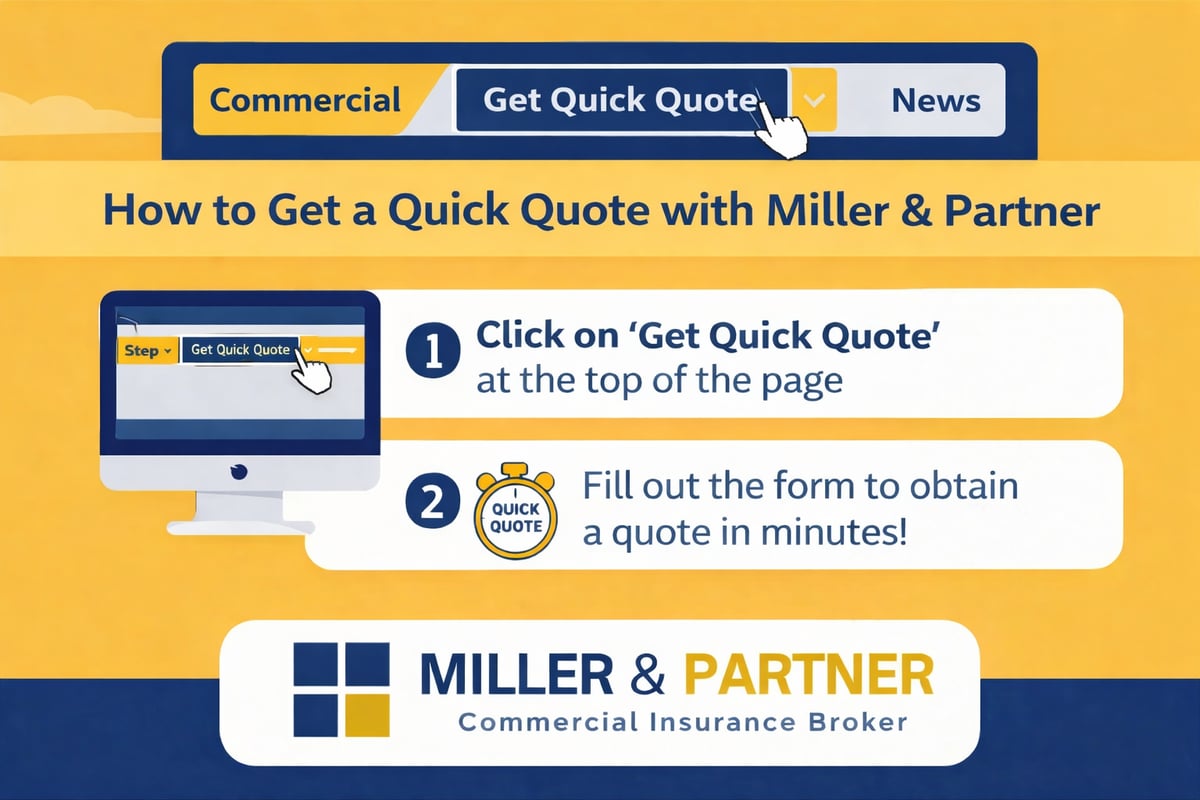
For businesses seeking streamlined coverage options, obtaining a quick quote allows you to explore different policy structures and coverage limits tailored to your specific business activities. This approach helps identify gaps in existing coverage whilst ensuring competitive pricing across multiple insurers.
Cost Factors in Commercial for Business Insurance
Premium costs for commercial for business insurance vary dramatically based on multiple factors. Understanding these variables helps businesses budget appropriately and identify opportunities for premium reduction without compromising essential coverage.
Key Premium Determinants
Several factors influence commercial insurance costs:
Business sector and activities: High-risk industries like construction or hospitality pay more than low-risk office-based businesses
Claims history: Previous claims increase premiums, whilst clean records attract discounts
Coverage breadth and limits: More comprehensive coverage and higher limits cost more
Business size: Revenue, employee numbers, and premises size all affect pricing
Security measures: Alarm systems, CCTV, and robust cybersecurity can reduce premiums
Excess levels: Higher voluntary excess reduces premium costs but increases out-of-pocket expenses per claim
Statistics on commercial insurance demonstrate significant premium variations across sectors, with professional services typically paying less than manufacturing or hospitality businesses for comparable coverage limits.
Strategies for Managing Insurance Costs
Reducing commercial for business insurance costs without sacrificing protection requires strategic planning:
Bundle policies with a single insurer to access multi-policy discounts
Implement risk management programmes that demonstrate commitment to loss prevention
Review coverage annually to remove unnecessary endorsements and adjust limits
Increase excess levels where the business can absorb minor losses
Install security systems and document risk mitigation measures
Shop around regularly as insurer appetites and pricing change frequently
Businesses should avoid selecting policies based solely on price. Research from NerdWallet emphasises the importance of comparing coverage breadth, insurer financial strength, and claims service quality alongside premium costs.
Specialised Commercial for Business Coverage Options
Beyond standard policies, numerous specialised commercial for business insurance products address specific industry risks and emerging exposures. Understanding these options ensures comprehensive protection aligned with modern business operations.
Cyber Insurance and Technology Risks
Cyber insurance has evolved from a niche product to an essential component of commercial for business protection. This coverage responds to data breaches, ransomware attacks, system failures, and regulatory fines under data protection legislation. With cyber incidents affecting businesses of all sizes, this protection addresses both first-party losses (business interruption, data restoration) and third-party claims (customer notification, credit monitoring).
Business Owner's Policies (BOP)
Small and medium-sized businesses often benefit from Business Owner's Policies, which bundle property insurance, liability coverage, and business interruption protection into a single policy. BOPs typically cost less than purchasing these coverages separately whilst providing streamlined administration and consistent policy terms.
Trade-Specific Insurance Solutions
Many sectors require specialised commercial for business insurance:
Contractors need contractors' combined insurance covering tools, plant, liability, and contract works
Hospitality businesses require specialised pub and restaurant insurance addressing food safety, alcohol liability, and seasonal trading
Technology professionals benefit from tech contractor policies combining professional indemnity with cyber liability
Property landlords need building insurance plus liability coverage for tenant-related incidents
The Role of Insurance Brokers in Securing Commercial Coverage
Navigating the commercial for business insurance market independently can prove overwhelming given the multitude of insurers, policy structures, and coverage options available. Professional insurance brokers provide valuable expertise throughout the insurance purchasing process.
Benefits of Working with Specialist Brokers
Insurance brokers offer several advantages over purchasing directly from insurers:
Market access: Brokers work with multiple insurers, comparing quotes and coverage terms
Technical expertise: Specialist knowledge helps identify coverage gaps and recommend appropriate limits
Claims advocacy: Brokers assist with claims preparation and negotiation with insurers
Ongoing support: Annual reviews ensure coverage evolves with business changes
Time savings: Brokers handle research, paperwork, and insurer negotiations
Commercial insurance brokers particularly benefit businesses in complex or high-risk sectors where standard policies prove inadequate. Specialist brokers understand sector-specific exposures and maintain relationships with insurers willing to cover challenging risks.
Questions to Ask Potential Brokers
When selecting an insurance broker for commercial for business needs, consider asking:
What experience do you have in my specific industry sector?
How many insurers do you access for commercial policies?
What is your claims support process when incidents occur?
Do you charge fees in addition to insurer commissions?
How often will you review my coverage to ensure it remains adequate?
Can you provide client references from similar businesses?
Establishing a long-term relationship with a knowledgeable broker creates ongoing value as your business grows and evolves. The broker becomes familiar with your operations, making policy reviews more efficient and coverage recommendations more targeted.
Common Mistakes in Commercial for Business Insurance
Even experienced business owners sometimes make errors when purchasing or maintaining commercial for business insurance. Avoiding these pitfalls ensures your coverage performs as expected when claims arise.
Critical Errors to Avoid
Underinsuring Property Values remains one of the most frequent mistakes. Many businesses insure property for market value rather than full replacement cost, leading to inadequate settlements after major losses. Building costs fluctuate, and older properties may cost more to rebuild than their market value suggests.
Failing to Update Coverage as businesses evolve creates dangerous gaps. Adding new products, expanding into different activities, or moving premises all affect insurance requirements. Annual reviews should coincide with policy renewals to adjust coverage for business changes.
Ignoring Policy Exclusions can lead to unpleasant surprises during claims. Standard commercial policies contain numerous exclusions-particular perils, types of property, or specific activities. Reading policy documents thoroughly and questioning unclear terms prevents misunderstandings.
Inadequate Business Interruption Coverage often results from underestimating recovery timeframes. Businesses should insure for sufficient indemnity periods (12-24 months typically) to cover extended rebuilding or recovery scenarios. California Department of Insurance guidance highlights the importance of realistic business interruption assessments.
Mixing Personal and Business Insurance creates coverage problems. Personal insurance policies explicitly exclude business activities, meaning claims related to business operations face rejection. Maintaining separate commercial for business policies ensures appropriate coverage for professional activities.
Policy Management and Claims Best Practices
Effective management of commercial for business insurance extends beyond initial purchase. Proper documentation, regular reviews, and efficient claims handling maximize the value of your insurance investment.
Maintaining Adequate Documentation
Strong record-keeping supports both policy reviews and claims processing:
Asset registers: Detailed inventories of equipment, stock, and property values
Maintenance records: Evidence of regular servicing and safety inspections
Financial documents: Accounts demonstrating revenue for business interruption calculations
Photographs: Visual records of property condition before losses occur
Contracts: Client agreements showing liability requirements and indemnity obligations
Digital storage with cloud backup ensures critical documents remain accessible even after physical premises damage. Many insurers now accept electronic records, streamlining the claims submission process.
Efficient Claims Handling
When incidents occur, prompt and thorough claims notification improves outcomes:
Notify insurers immediately regardless of claim certainty
Document incident details including photographs, witness statements, and incident reports
Preserve evidence by securing damaged property and maintaining records
Avoid admitting liability until insurers assess the situation
Maintain detailed loss records including repair estimates and business interruption calculations
Communicate regularly with insurers and brokers throughout the process
Understanding policy terms around claims notification proves crucial. Many commercial for business policies require notification within specific timeframes, with late notification potentially affecting coverage.
Emerging Trends in Commercial for Business Insurance
The commercial insurance landscape continues evolving as new risks emerge and traditional exposures change. Staying informed about industry trends helps businesses anticipate coverage needs and policy developments.
Technology-Driven Changes
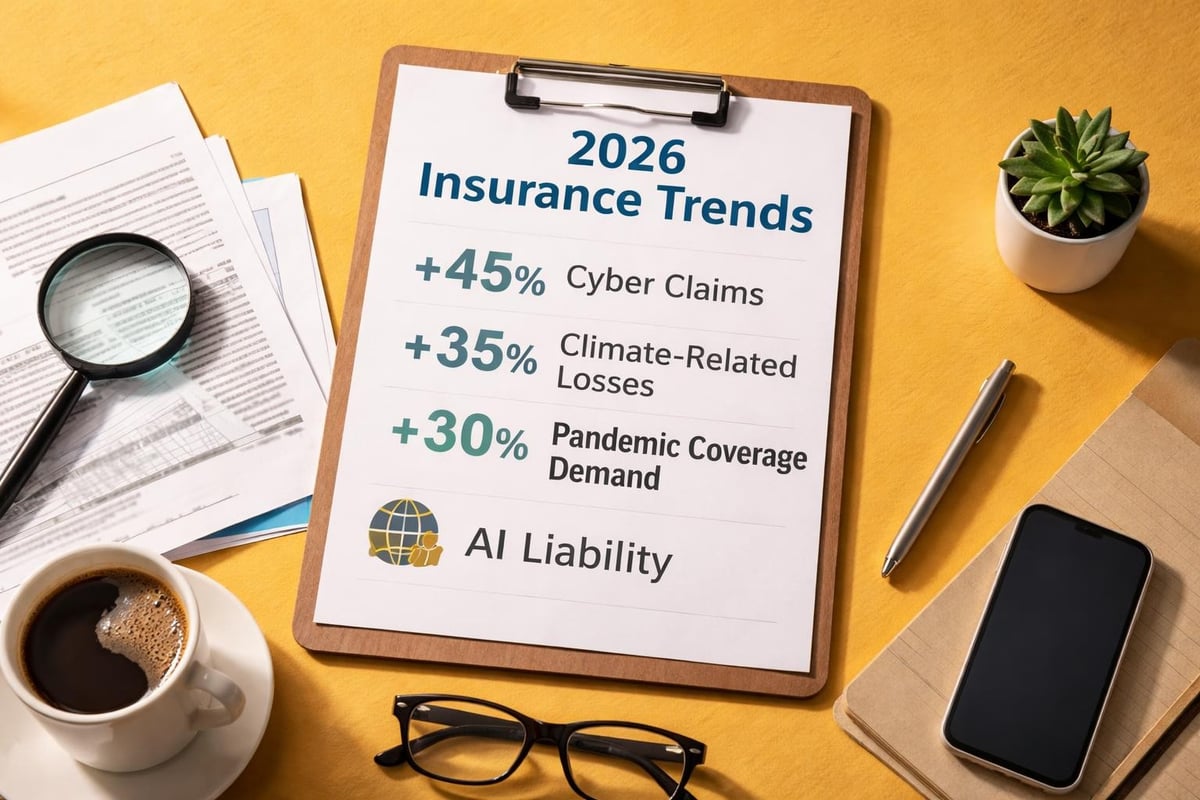
Insurers increasingly use technology to assess risks and price policies more accurately. Telematics devices monitor vehicle usage for fleet insurance, whilst IoT sensors detect water leaks, fire risks, and security breaches in real-time. These technologies can reduce premiums for businesses demonstrating strong risk management.
Artificial intelligence now supports underwriting decisions, claims processing, and fraud detection. Businesses in AI and technology sectors face unique risks requiring specialised coverage as they deploy these emerging technologies.
Climate Change and Extreme Weather
Increasing weather volatility affects commercial property insurance significantly. Insurers reassess flood risks, with some postcodes becoming uninsurable through standard policies. Businesses in vulnerable areas may require specialist flood coverage or significant risk mitigation investments to maintain insurance.
Pandemic and Business Interruption Coverage
COVID-19 dramatically impacted business interruption coverage, with most policies explicitly excluding pandemic-related losses. New policy wordings reflect lessons learned, with some insurers offering infectious disease extensions whilst others maintain strict exclusions. Understanding exactly what triggers business interruption payments prevents coverage misconceptions.
Frequently Asked Questions
Selecting and maintaining appropriate commercial for business insurance protects your company's financial stability whilst enabling confident growth and operation. From understanding core coverage types to managing policies effectively and avoiding common pitfalls, informed insurance decisions shield your business from unexpected setbacks. Miller & Partner Limited specialises in matching businesses with precisely the right insurance coverage for their unique needs, providing expert guidance throughout the selection process and ongoing support when you need it most.