
Commercial House Insurance Guide: Protect Your Property in 2026
Uncertainty is on the rise for UK commercial property owners as 2026 approaches. New risks and unpredictable events such as fire, flood, theft, and legal claims can disrupt operations and threaten long-term stability.
The financial and operational consequences of these incidents often extend far beyond immediate repairs. That’s why commercial house insurance is essential for protecting your property, assets, and overall business continuity.
This guide will help you understand how to select the right policy, explore cover options, and avoid common pitfalls. By following these insights, you’ll be empowered to make informed insurance decisions and safeguard your investments in the years ahead.
You’ll discover what commercial house insurance covers, key risk factors, how to assess your needs, choose a provider, manage costs, navigate claims, and find answers to frequently asked questions.
What Is Commercial House Insurance and Why Is It Essential?
Commercial house insurance is a specialist policy designed to protect business premises, assets, and operations against a range of unexpected events. Unlike residential or standard landlord insurance, commercial house insurance covers the unique risks and liabilities faced by property owners who let or operate business spaces. This policy is essential for anyone owning, leasing, or investing in commercial buildings, whether they are offices, retail shops, warehouses, or mixed-use properties. For a detailed overview of cover types and features, see the Commercial property insurance guide.
What Does Commercial House Insurance Cover?
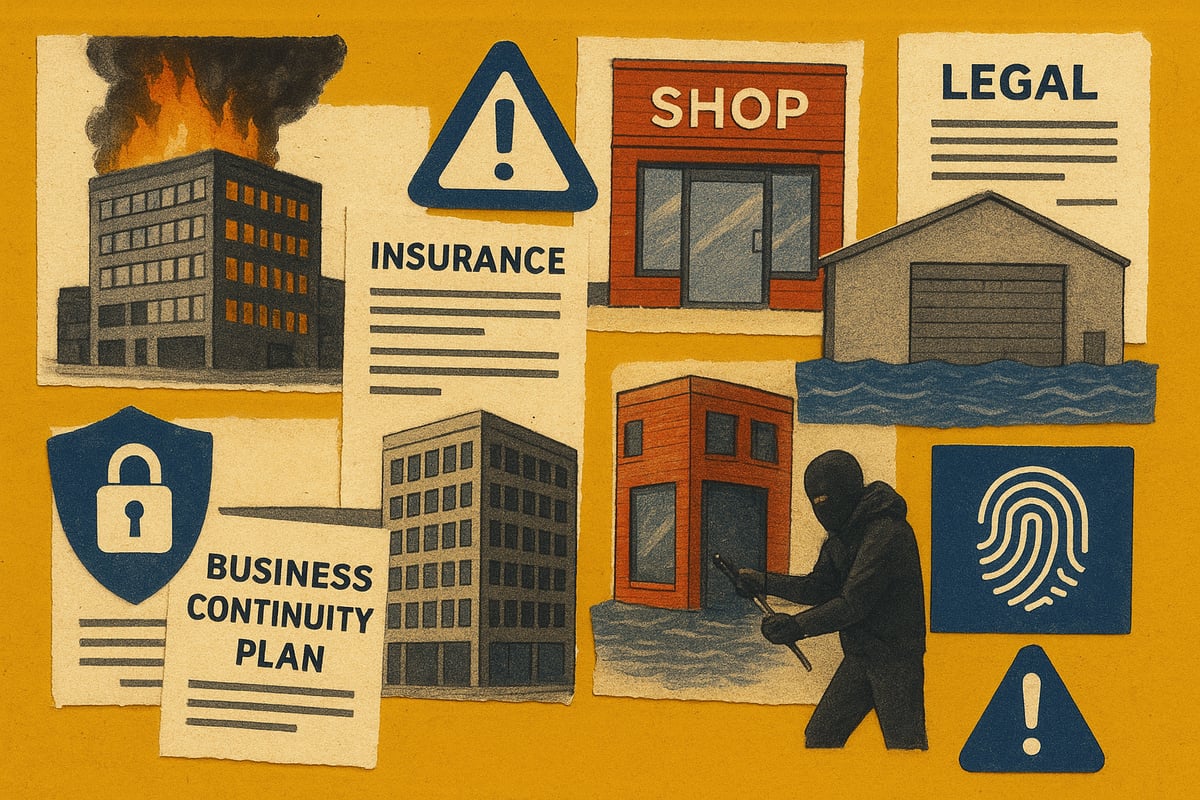
Owning a commercial property brings exposure to numerous risks that can threaten your financial stability and business continuity. Typical perils include:
Fire and smoke damage
Flood and storm events
Theft or vandalism
Malicious damage
Liability claims from third parties or employees
Business interruption due to insured events
Each of these risks can have a severe impact on your operations. Commercial house insurance is tailored to address these threats, offering protection that goes beyond what residential or landlord policies provide. Without adequate commercial house insurance, property owners may face costly repairs, replacement of assets, or even closure of their business.
Legal and Contractual Responsibilities
In the UK, commercial property owners and tenants have specific legal and contractual duties regarding insurance. For example, building insurance is often a requirement in commercial leases, ensuring that the structure is protected against major perils. Landlords may also be obligated to arrange public liability cover to protect against injuries to visitors or third parties. Failing to secure appropriate commercial house insurance can lead to breaches of contract, legal disputes, and financial penalties.
Real-World Example: Insurance in Action
Consider a retail shop in a busy UK high street that suffers a major flood. Without commercial house insurance, the owner would be responsible for the full cost of repairs, lost stock, and the income lost during closure. However, with a comprehensive policy, the business is able to claim for building repairs, replacement of inventory, and lost revenue, enabling a swift recovery and reopening.
The Financial Consequences of Underinsurance
Recent industry data shows how vital commercial house insurance has become. In 2023, over 40% of UK businesses reported making property-related insurance claims, according to the Association of British Insurers. Underinsurance or lack of cover can result in substantial out-of-pocket expenses, reduced claims payouts, or even insolvency. Investors and lenders also view robust insurance as a sign of business resilience and stability.
Evolving Risks in 2026
Looking ahead, the risks facing commercial property owners are evolving rapidly. Climate change has increased the frequency and severity of floods and storms, while the rise of smart building technology has introduced new cyber threats. Regulatory changes may impose stricter insurance requirements or expand the scope of mandatory cover. Staying informed and regularly reviewing your commercial house insurance is crucial to ensure ongoing protection and peace of mind.
Key Types of Commercial House Insurance Cover
Understanding the main types of commercial house insurance cover is vital for every property owner in the UK. Each policy area protects against different risks, so knowing what’s available ensures your business stays resilient, regardless of the challenges ahead. For a comprehensive overview, see Types of commercial insurance cover.
Buildings Insurance
Buildings insurance is the foundation of any commercial house insurance policy. It protects the physical structure of your property, including walls, roofs, floors, and permanent fixtures.
Covers perils such as fire, flood, storm, subsidence, and malicious damage.
Includes essential features like glass, signage, and outbuildings.
Excludes normal wear and tear, faulty workmanship, and gradual deterioration.
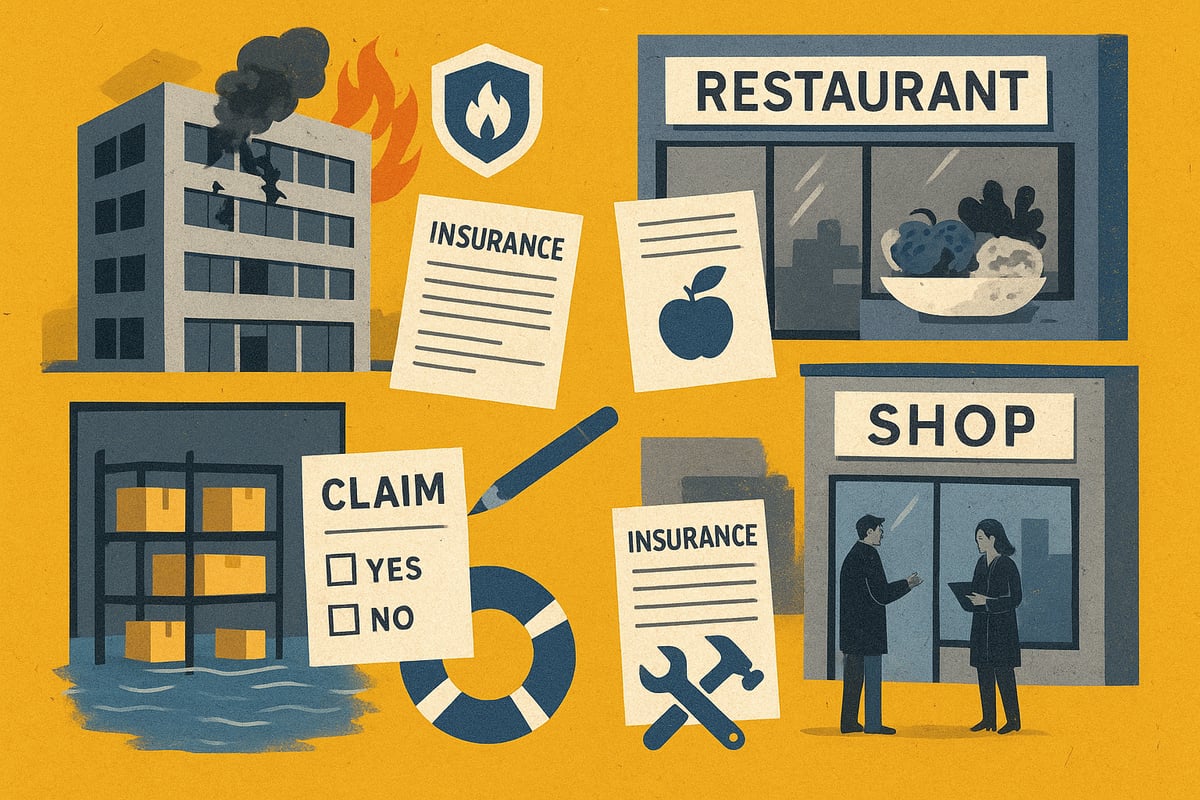
Imagine an office block suffering major fire damage. With the right commercial house insurance, the rebuilding process is covered, including debris removal and architect fees.
Rebuild cost assessments are essential to avoid underinsurance. Always update valuations to reflect current construction costs.
Contents and Stock Insurance
Contents and stock insurance protects your business’s physical assets within the premises. This part of commercial house insurance is crucial for safeguarding equipment, furnishings, and inventory.
Covers items such as computers, machinery, tools, and retail stock.
Protection against risks like theft, fire, flood, and accidental damage.
Seasonal increases can be added to the policy for busy trading periods.
For example, a restaurant losing all its perishable stock after a power outage would be able to claim replacement costs. Calculate the total value of contents and stock accurately to avoid being underinsured.
Exclusions often include wear and tear or mechanical breakdown. Regularly review your inventory to ensure adequate cover.
Business Interruption Insurance
Business interruption insurance is a vital extension of commercial house insurance. It helps maintain your cash flow if your property becomes unusable after an insured event.
Compensates for lost income and ongoing expenses during downtime.
Covers costs of temporary relocation, equipment hire, and staff wages.
Triggered by events like fire, flood, or storm that disrupt normal operations.
Consider a manufacturing firm forced to relocate after flood damage. Business interruption insurance covers not just lost revenue, but also additional expenses to restart production.
Select an indemnity period that reflects the time your business would realistically need to recover. Some policies have waiting periods or specific triggers before claims are accepted.
Public and Employers’ Liability Insurance
Public and employers’ liability insurance are essential components of commercial house insurance, offering protection against legal claims.
Public liability covers injury or property damage claims from third parties, such as customers or visitors.
Employers’ liability is a legal requirement in the UK for most businesses with staff, covering employee illness or injury at work.
Typical cover limits start at £1 million, with options for higher protection.
A customer slipping on a wet floor in your shop could lead to a costly claim. Commercial house insurance ensures you’re not left facing legal bills or compensation alone.
Exclusions may apply for deliberate acts or contractual liabilities. In recent years, liability claims have increased, particularly in sectors with high footfall or manual work.
Assessing Your Risks and Insurance Needs in 2026
Identifying and understanding your risks is the foundation of effective commercial house insurance. A robust risk assessment helps protect your property, assets, and business continuity. In 2026, property owners must adapt to evolving threats and ensure their insurance cover matches their unique exposures.
Understanding Risk Assessment for Commercial Properties
Begin with a thorough review of your property’s location, construction type, and occupancy. Assess the security measures in place, such as alarms, CCTV, and access controls. Evaluate how your property is used, whether as offices, retail units, warehouses, or mixed-use spaces, as this directly influences your commercial house insurance requirements.
Consider the surrounding environment. Properties in city centres face different risks compared to rural sites. Proximity to rivers, major roads, or high-crime areas should shape your risk strategy. Regularly updating your assessment ensures you maintain suitable commercial house insurance as your business evolves.
Emerging Risks in 2026: What’s New?
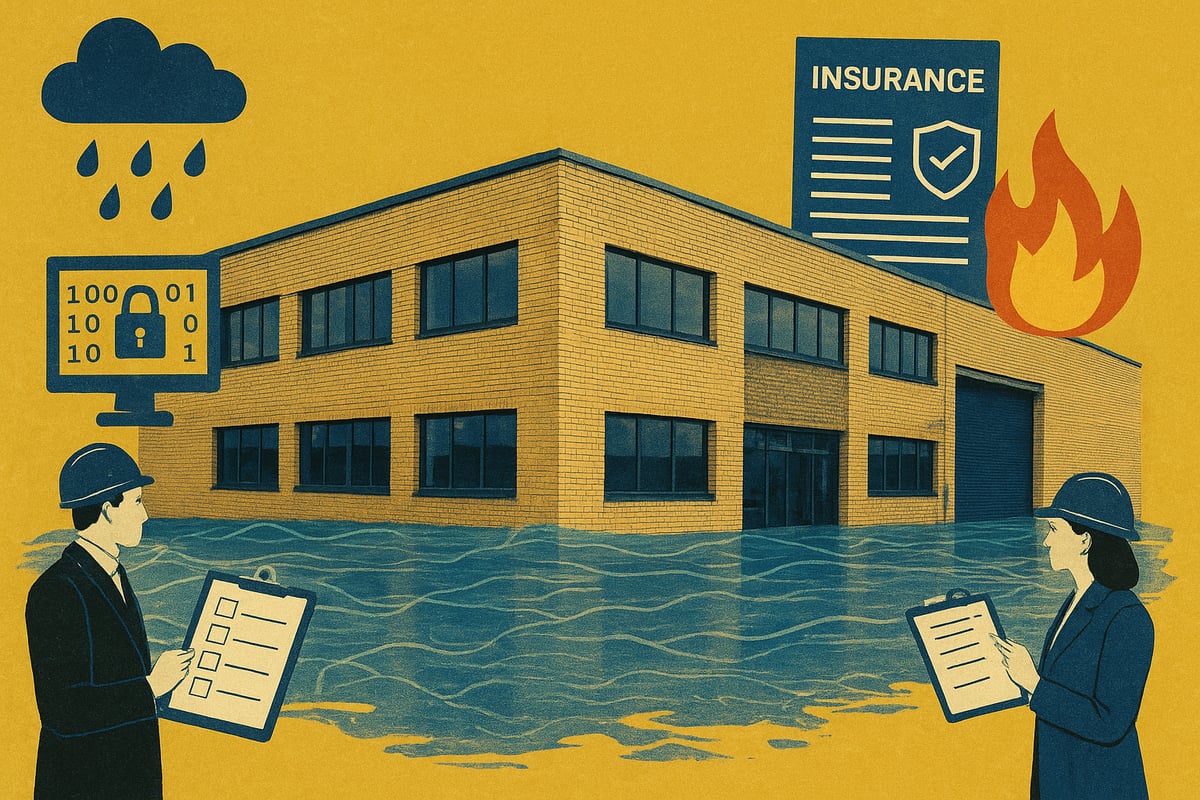
The risk landscape for commercial house insurance is shifting. Climate change brings more frequent and severe floods, storms, and subsidence. Smart buildings, while efficient, introduce cyber vulnerabilities that can disrupt operations or compromise sensitive data.
Supply chain interruptions, driven by global events or local disruptions, can halt business activity. It is essential to review how these new risks affect your property. Develop contingency plans and update your commercial house insurance to reflect the latest threats and regulatory changes.
Case Study: Flood-Prone Warehouse
Imagine a distribution warehouse situated in a known floodplain. In recent years, heavier rainfall has increased the risk of flooding. The business installs flood barriers, raises electrical systems, and creates a detailed emergency response plan.
These mitigation steps are shared with their insurer, leading to tailored commercial house insurance with specific flood cover and business interruption protection. Proactive risk management not only reduces potential damage but can also lower premiums and speed up recovery after an event.
How Insurers Assess Risk and Set Premiums
Insurers use a combination of property data, claims history, and risk factors to calculate commercial house insurance premiums. They analyse location, building materials, age, occupancy type, and security measures. Accurate property valuations are essential. Underestimating rebuild costs or omitting updates can lead to underinsurance, affecting claim payouts. According to Underinsurance in UK commercial properties, many UK businesses face financial risk due to undervalued cover.
Documentation, such as up-to-date floor plans and inventories, supports fair assessments. Regularly review your commercial house insurance to ensure it reflects any changes to your property or business operations.
Legal Duties, Risk Management, and Insurer Inspections
Review lease agreements and legal obligations. Landlords and tenants may have shared or separate responsibilities for arranging commercial house insurance. The law often requires minimum cover, particularly for liability and certain types of property use.
Effective risk management, such as installing fire suppression systems or enhancing cybersecurity, can reduce insurance costs. Be prepared for insurer surveys and inspections. Provide clear evidence of risk mitigation and compliance with local regulations. This proactive approach demonstrates responsibility and can strengthen your position when negotiating terms or settling claims.
How to Choose the Right Commercial House Insurance Policy
Selecting the right commercial house insurance policy can feel overwhelming, given the range of providers, policy types, and cover options available. Making an informed decision is crucial to protect your property, assets, and income. By breaking down the process into manageable steps and understanding what to look for, you can secure the best protection for your business.

Comparing Policies and Providers
When choosing commercial house insurance, start by comparing different types of providers. You can approach:
Direct insurers, who sell policies directly to customers
Insurance brokers, who offer access to a wider range of products and specialist advice
Comparison sites, which help you view multiple quotes quickly
Assess each insurer’s financial strength and reputation. Look for indicators such as industry ratings and customer reviews. It is important that your provider is regulated by the Financial Conduct Authority (FCA), ensuring they meet strict standards of conduct and consumer protection.
Consider the importance of customer service. Fast claims handling, clear communication, and support during difficult times are essential for commercial house insurance. For example, when comparing quotes for a city centre office block, one insurer might offer a lower premium but have poor claims satisfaction, while another might provide extra support and faster settlements.
Always read policy documents carefully. Pay attention to exclusions, limits, and any requirements for property maintenance or security. Understanding the small print ensures you are not caught out if you need to make a claim. Comparing policies in detail helps you avoid unexpected gaps in commercial house insurance cover.
Customising Your Cover
Every business is unique, so your commercial house insurance should reflect your specific needs. Tailor your policy by considering:
Add-ons such as accidental damage, legal expenses, or loss of rent
Specialist cover for listed buildings, mixed-use properties, or high-value assets
Adjusting excess amounts and cover limits for affordability and risk tolerance
Seasonal adjustments, especially if your business holds extra stock during peak periods
For example, a tech startup with expensive equipment may need bespoke cover for electronics and cyber risks, while a heritage property owner might require protection for period features. Annual policy reviews are essential to ensure your commercial house insurance keeps pace with your business growth and changes. For practical advice on policy renewal and avoiding common pitfalls, see these Landlord building insurance renewal tips.
Remember to update your insurer about major changes, such as renovations or changes in occupancy. This proactive approach helps prevent underinsurance and ensures your commercial house insurance policy remains valid. Taking time to customise your cover gives you confidence that your business is protected, whatever the future holds.
Miller & Partner: Your Commercial Insurance Broker
Working with a specialist broker can make a significant difference when arranging commercial house insurance. Miller & Partner is a trusted advisor for UK business owners, offering access to a broad range of policies from leading insurers and the Lloyd’s market.
The team combines advanced AI technology with personal service to match clients with tailored insurance solutions. Whether you need standard commercial house insurance or cover for niche property risks, Miller & Partner provides:
Expertise in both common and complex commercial property risks
Bespoke advice for unique business needs, including listed and high-value buildings
Ongoing support throughout the policy lifecycle, from quote to claim
A focus on cost reduction, ensuring you receive competitive premiums
This approach gives property owners peace of mind, knowing their commercial house insurance is managed by professionals who understand the sector. By leveraging market knowledge, regulatory insights, and a commitment to service, Miller & Partner helps you protect your investment and maintain business continuity.
Understanding Costs, Premiums, and Policy Exclusions
Navigating the costs and fine print of commercial house insurance is vital for every property owner. Premiums can vary significantly based on a range of factors, and understanding these can help you make informed choices. By examining what influences your costs, how exclusions work, and where hidden expenses might arise, you can ensure your policy delivers both value and robust protection.
Factors Affecting Premiums
Multiple factors determine the price you pay for commercial house insurance. Insurers carefully assess your property and business profile to calculate risk and set premiums.
Location: Properties in city centres often face higher premiums than those in rural areas due to increased risks of theft or damage.
Property type: Age, construction materials, and size all play a role.
Usage: How your building is used, such as retail versus manufacturing, impacts risk.
Claims history: Frequent or large past claims can increase your costs.
Security measures: Robust alarms, CCTV, and secure access lower premiums.
For example, a shop in a busy urban area will usually pay more than a rural warehouse, even if both require commercial house insurance.
Reducing Your Premiums
There are several effective strategies for reducing your commercial house insurance premiums without sacrificing essential cover.
Improve security: Installing monitored alarms, CCTV, and secure entry systems.
Risk management: Regular safety checks and fire risk assessments.
Increase excess: Accepting a higher voluntary excess can reduce your premium.
Bundle policies: Combine multiple types of business insurance for discounts.
Proactive measures not only lower your insurance costs but also make your property more attractive to reputable insurers. Review your policy annually to ensure your commercial house insurance remains cost-effective and up to date.
Understanding Policy Exclusions
It is crucial to understand what your commercial house insurance does not cover. Exclusions can leave you exposed if you do not read the small print.
Gradual deterioration: Wear and tear or maintenance issues are typically not covered.
Unoccupied properties: Extended vacancy often results in limited or voided cover.
Acts of terrorism: Many policies require a specific add-on for terrorism-related damage.
Mechanical breakdown: Standard policies rarely include this for equipment or systems.
Always scrutinise the exclusions section in your policy documents. Discuss any concerns with your broker to ensure your commercial house insurance provides the protection you expect.
The Risks of Underinsurance
Underinsurance is a hidden threat that can devastate your business at the worst possible time. If your property is insured for less than its true rebuild cost, any payout may be reduced in line with the shortfall.
Average clause: Insurers apply this to calculate reduced settlements.
Inaccurate valuations: Outdated assessments can lead to underinsurance.
Inflation: Rising construction costs must be factored into your sums insured.
Regularly update your valuations and review your commercial house insurance to avoid being caught out by the average clause during a claim.
Hidden Costs and Market Data
Commercial house insurance policies can carry hidden charges beyond the headline premium.
Policy fees: Administration, instalment, and renewal fees may apply.
Mid-term adjustments: Changes to your policy can incur extra costs.
VAT: Some premiums and fees may include VAT, affecting total outlay.
According to UK commercial property insurance market trends, average annual premiums have risen in response to increased claims and evolving risks. Staying informed about the market ensures you are not overpaying and that your commercial house insurance reflects current realities.
Making a Claim: Step-by-Step Process for 2026
When the unexpected strikes, knowing how to make a claim on your commercial house insurance can make all the difference to your recovery. This process can be daunting, but a clear understanding of each step helps ensure your business is protected and your claim proceeds smoothly.
Immediate Actions After an Incident
Taking the right steps immediately after an incident is crucial for a successful commercial house insurance claim. Safety should always come first.
Ensure everyone’s safety and evacuate the property if needed.
Contact emergency services, such as fire brigade or police, if the situation requires it.
Take swift action to minimise further damage, for example, shutting off water after a leak or boarding up broken windows.
Notify your commercial house insurance provider as soon as possible, ideally within 24 hours.
Prompt notification is vital because delays can affect your eligibility for cover. For example, if a burst pipe causes a water leak in your office, containing the flow and documenting the scene quickly will help avoid disputes later. Keep a written record of all actions and communications from the start.
Documenting and Submitting Your Claim
Accurate and thorough documentation is the backbone of any successful commercial house insurance claim. Insurers require clear evidence to process your request efficiently.
Take photos and videos of all damage before any clean-up or repairs begin.
Collect supporting documents, such as receipts, repair estimates, and police reports if applicable.
Complete your insurer’s claim form carefully, providing detailed descriptions of the incident and resulting losses.
Submit your claim promptly, following the insurer’s instructions.
For instance, if you suffer a theft, gather CCTV footage, inventory lists, and proof of ownership for stolen items. Liaise with loss adjusters or surveyors appointed by your insurer, as they may inspect the property or request additional information. Staying organised and responsive helps keep your claim moving forward.
Navigating the Claims Process and Disputes
Once submitted, your commercial house insurance claim enters the insurer’s assessment phase. Understanding what to expect can reduce stress and prevent delays.
Typical response times vary, but insurers will usually acknowledge your claim within a few days.
Settlement periods depend on claim complexity, ranging from a few weeks for straightforward cases to several months for major incidents.
If your claim is delayed or disputed, maintain all correspondence and escalate concerns to your insurer’s complaints team.
Disputes can arise over repair costs, policy exclusions, or the extent of cover. For example, disagreements about building reinstatement values are common. If you cannot reach a resolution, the Financial Ombudsman Service offers impartial assistance.
With property insurance claims in the UK reaching a record £4.1bn in recent years, as highlighted by UK property insurance claims statistics, it is clear that efficient claims handling is more important than ever. To ensure a smooth experience:
Keep detailed records of all claim-related communication.
Respond promptly to requests for information or documentation.
Seek professional advice if you encounter complex or high-value claims.
By following these steps, you can protect your rights and maximise your commercial house insurance benefits, supporting your business through challenging times.
Frequently Asked Questions (FAQ)
Many UK business owners have questions about commercial house insurance. Below are answers to the most frequently asked queries, helping you to understand your obligations and options in 2026.
What is the difference between commercial house insurance and landlord insurance?
Commercial house insurance covers business premises, assets, and operational risks, while landlord insurance is designed for residential rental properties. Commercial policies address broader business risks and liabilities.Do I need commercial house insurance if I lease my property to tenants?
Yes, property owners are typically responsible for insuring the building even if tenants occupy it. Lease agreements often specify who must insure the structure and any required cover types.How often should I review and update my policy?
It is best practice to review your commercial house insurance at least annually or after major changes to your property, occupancy, or business operations. This ensures your cover remains accurate and compliant.What happens if my property is unoccupied for extended periods?
Many policies restrict cover for unoccupied properties. Notify your insurer if your building will be empty to avoid invalidated cover and discuss specialist options to ensure protection.Can I get cover for flood-prone or high-risk properties?
Yes, cover is available, but premiums and terms may differ. Insurers consider location, flood history, and risk mitigation measures. For further insight into the challenges faced by the sector, see the commercial property insurance profitability outlook.How are premiums calculated for mixed-use buildings?
Premiums depend on usage, occupancy split, construction type, security, and claims history. Accurate details help ensure your commercial house insurance is priced fairly and provides the right protection.What should I do if my insurer rejects my claim?
Review the policy wording and gather supporting evidence. If you disagree with the decision, you can escalate the issue to the Financial Ombudsman Service for independent review and resolution.
Now that you have a clear understanding of the risks facing commercial property owners in 2026 and the importance of robust insurance cover, it's time to take the next step. Protecting your property and ensuring business continuity means having the right policy tailored to your unique needs. Whether you're navigating new risks, assessing your cover options, or simply want peace of mind, we can help you make informed decisions. If you're ready to secure your business's future, let's start the conversation—Get A Quote Now!

