
Insurance for Civil Engineering Companies UK: Expert Guide 2026
Civil engineering companies in the UK face rising complexity and heightened risk as we move into 2026. With evolving regulations and demanding project environments, the margin for error is shrinking. Tailored insurance for civil engineering companies UK is more important than ever to protect business continuity, assets, and reputation.
Recent industry data shows that inadequate cover can lead to devastating financial losses and legal challenges. High-profile claims across the sector underline the real costs of being underinsured.
This expert guide will walk you through everything you need to know about insurance for civil engineering companies UK. You will learn about unique risks, vital insurance covers, legal requirements, cost factors, how to choose the right broker, and answers to frequently asked questions.
Understanding Insurance Risks in Civil Engineering
Civil engineering companies in the UK face a unique and increasingly complex risk environment. With sector growth, evolving regulations, and larger projects, the need for robust insurance for civil engineering companies uk has never been more pressing. Understanding the specific threats your business encounters is the first step towards effective protection.

Unique Risks in Civil Engineering
Civil engineering projects are exposed to a wide range of risks, many of which are distinct from general construction work. Key exposures include:
Project delays caused by unforeseen ground conditions or adverse weather
Structural failures due to design or material issues
Environmental liabilities, such as pollution or contamination
Third-party injuries from site accidents or public interface
Equipment theft or damage
Each of these scenarios can result in significant financial loss or legal action. Comprehensive insurance for civil engineering companies uk is essential to address these varied exposures and protect both assets and reputation.
The Impact of Scale and Complexity
Large-scale infrastructure projects and complex contract structures increase risk exposure. As civil engineering contracts grow in value, the consequences of errors, delays, or disputes also rise. According to recent UK civil engineering market growth projections, the sector is set for continued expansion, which brings greater pressure on risk management and insurance adequacy.
Recent industry data reveals that the frequency of claims in the UK civil engineering sector is steadily rising. Average claim sizes have also increased, particularly for professional indemnity, public liability, and environmental incidents. This trend highlights the importance of reviewing insurance for civil engineering companies uk on a regular basis.
Real-World Claims: Lessons Learned
Practical examples underscore the need for tailored insurance. Consider the following scenarios:
A site worker is seriously injured due to inadequate barriers, resulting in a six-figure public liability claim.
Design errors in a bridge project lead to costly remedial works and professional indemnity claims.
Flooding at a construction site triggers environmental liability and business interruption losses.
Theft of specialist machinery causes project delays and expensive replacements.
These cases demonstrate how insurance for civil engineering companies uk can be the difference between business survival and insolvency.
Evolving Risk Landscape for 2026
The risk environment is not static. Changing regulations, supply chain volatility, and climate change are significant concerns for the industry in 2026. Increased scrutiny on environmental impact and sustainability means stricter liability standards. Supply chain disruptions, whether from geopolitical events or material shortages, can halt projects and generate contractual disputes.
Climate change is also escalating the frequency and severity of weather-related losses, such as flooding or wind damage. All these factors make risk assessment and insurance for civil engineering companies uk more challenging and more important than ever.
The Importance of Risk Assessment
Robust risk assessment and proactive management are the foundation of an effective insurance strategy. Regularly reviewing project risks, safety processes, and contractual obligations helps identify areas where cover may be lacking. Insurers often reward strong risk management with lower premiums and broader cover options, making this a critical part of your business’s resilience plan.
Common Insurance Misconceptions
Many civil engineering firms mistakenly believe that standard construction insurance policies are sufficient. However, insurance for civil engineering companies uk must be tailored to reflect the specific exposures of large-scale, high-value, and technically complex projects. Failing to secure specialist cover can leave damaging gaps that only become apparent when a claim arises.
Understanding your unique risk profile and the realities of the UK civil engineering sector is the first step in safeguarding your business against unforeseen events.
Essential Insurance Covers for Civil Engineering Companies
Choosing the right insurance for civil engineering companies uk is fundamental to protecting your business from the complex risks of the construction landscape. Each project brings unique challenges, making comprehensive and tailored cover a non-negotiable part of your risk management strategy.
Overview of Essential Insurance Covers
Insurance for civil engineering companies uk must address a diverse range of exposures. At a minimum, firms should consider:
Public Liability Insurance: Covers injury or property damage claims made by third parties on site or nearby.
Employers’ Liability Insurance: Legally required for any business employing staff, protecting against workplace injury or illness claims.
Professional Indemnity Insurance: Essential for firms offering design, advice, or consultancy services, covering losses from errors or omissions.
Contractors’ All Risks Insurance: Protects construction works, materials, and equipment against physical loss or damage during the build.
Plant and Equipment Insurance: Provides cover for owned and hired-in machinery against theft, damage, or breakdown.
Environmental Liability Insurance: Responds to pollution incidents or environmental damage claims.
Product Liability Insurance: Relevant for companies supplying components or materials, covering injury or damage caused by defective products.
These core policies create a strong foundation for any insurance programme.
Core Insurance Types Explained
Understanding each type of insurance for civil engineering companies uk is crucial for effective risk management.
Public Liability Insurance: If a member of the public is injured by falling debris, this policy covers legal costs and compensation.
Employers’ Liability Insurance: If an employee is hurt due to faulty scaffolding, this insurance pays for medical costs and any compensation awarded.
Professional Indemnity Insurance: If a design flaw leads to structural issues, this cover responds to claims for financial loss or remedial works.
Contractors’ All Risks Insurance: If a fire damages materials on site, the policy pays for their replacement and any project delays.
Plant and Equipment Insurance: If an excavator is stolen overnight, the insurer reimburses the cost, avoiding project disruption.
Environmental Liability Insurance: If a fuel spill contaminates local waterways, this policy pays for clean-up and third-party claims.
Product Liability Insurance: If supplied materials fail and cause damage, this cover handles the resulting claims.
Each cover is triggered by specific incidents, underlining the need for accurate risk assessment.
Real-world Examples and Claims Data
Claims frequency and payout amounts highlight the value of insurance for civil engineering companies uk.
Public liability claims in the UK construction sector average over £25,000, with site accidents a common trigger.
Employers’ liability claims can exceed £50,000 for serious injuries, especially where long-term care is needed.
Professional indemnity claims often relate to design errors, with payouts ranging from £10,000 to £500,000 depending on project size.
Contractors’ all risks claims arise from theft, vandalism, and weather events, with machinery thefts alone costing £70 million annually across the industry.
Environmental liability claims are rising, particularly where regulatory penalties are imposed for pollution incidents.
These data points underscore the importance of robust cover at every stage.
Optional Covers and Their Growing Importance
Modern insurance for civil engineering companies uk should also consider optional covers that address evolving risks:
Cyber Insurance: Protects against hacking, ransomware, and data breaches as construction firms adopt digital tools.
Business Interruption Insurance: Covers lost income and extra costs if a project is halted by a covered event.
Legal Expenses Insurance: Supports the cost of defending or pursuing legal action on contractual or employment disputes.
With the increasing use of technology and larger, more complex projects, these covers are becoming vital for comprehensive protection.
Minimum Cover Levels for Contracts
Public sector and large private contracts typically specify minimum levels of insurance for civil engineering companies uk.
Local authorities may require public liability cover of £10 million or more.
Professional indemnity limits are often set at £5 million for design and consultancy work.
Employers’ liability insurance must meet the statutory minimum of £5 million, though higher levels are often needed in practice.
Contractors’ all risks and plant insurance limits must reflect the total project value and equipment costs.
Meeting these requirements is not only essential for compliance but also for winning major contracts.
Combined Policies vs Standalone Covers
When selecting insurance for civil engineering companies uk, it is worth considering whether to combine multiple covers into one policy or purchase them separately.
Combined Policies: Offer convenience and can deliver cost savings by bundling key covers, such as public liability, contractors’ all risks, and plant insurance, under one package.
Standalone Covers: Allow for more tailored limits and conditions for each risk, which may suit businesses with unique exposures.
For firms seeking a streamlined approach, a Contractors Combined Insurance Overview provides insight into how comprehensive policies can be structured to meet diverse needs, often simplifying administration and claims handling.
Careful evaluation of your business’s operations, risk profile, and contractual obligations will help determine the most cost-effective and compliant insurance solution.
Legal and Regulatory Insurance Requirements in the UK
Navigating the legal landscape is essential for any business seeking insurance for civil engineering companies uk. The regulatory environment in the UK requires civil engineering firms to hold specific insurance policies to operate lawfully and participate in public and private sector projects. Failure to comply can result in severe financial and legal consequences.
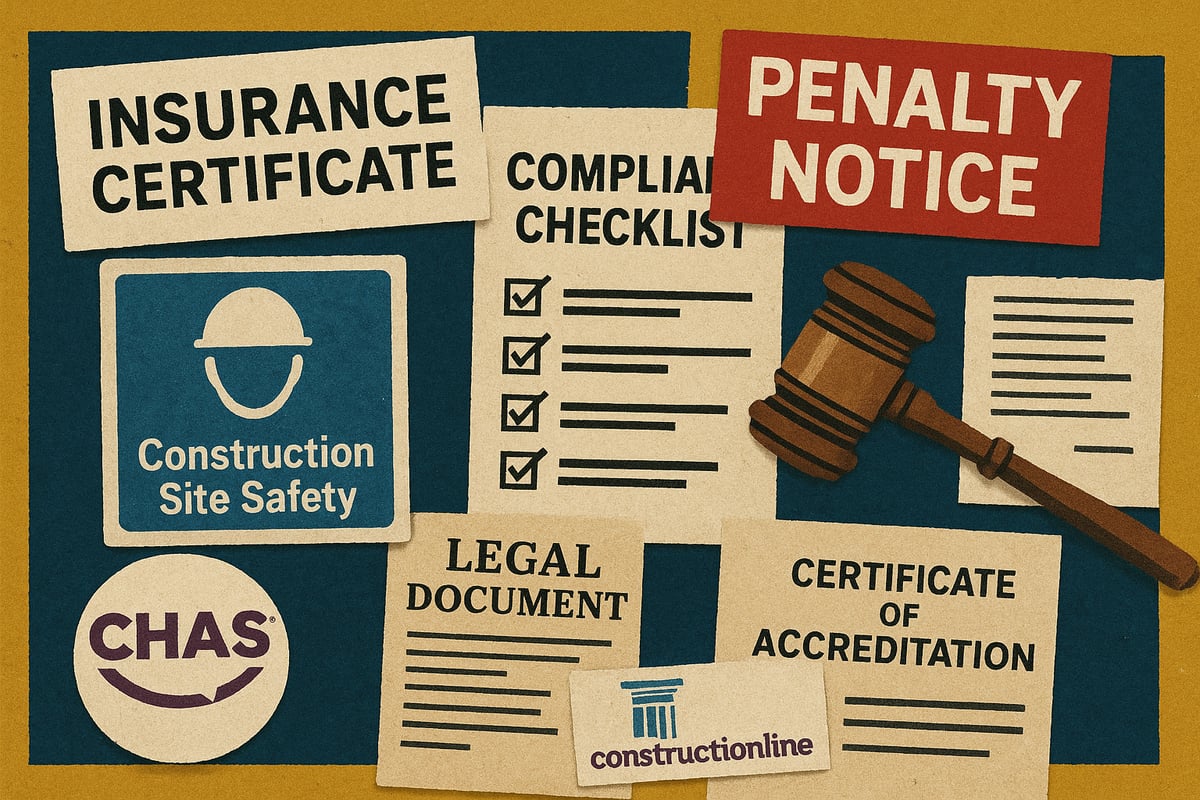
Statutory Insurance Requirements
Civil engineering firms must comply with statutory insurance requirements. The most significant legal obligation is holding Employers’ Liability Insurance, as mandated by the Employers’ Liability (Compulsory Insurance) Act 1969. This cover protects businesses against claims from employees who suffer injury or illness as a result of their work.
Other statutory requirements may include:
Motor insurance for company vehicles used on public roads.
Professional indemnity insurance, especially if the firm provides design or consultancy services.
Contractual Insurance Obligations
Often, insurance for civil engineering companies uk is shaped by contractual requirements. Local authorities, principal contractors, and industry frameworks frequently specify minimum insurance levels for public liability, professional indemnity, and contractors’ all risks policies. These requirements can differ by project value, location, and client, so it is crucial to review contracts carefully.
Common contractual obligations include:
Minimum public liability cover, sometimes exceeding £10 million for major infrastructure projects.
Professional indemnity insurance with specific retroactive dates and limits.
Named insured clauses for joint ventures or partnerships.
Industry Standards and Accreditations
Adhering to industry standards is vital when arranging insurance for civil engineering companies uk. Accreditations such as CHAS (Contractors Health and Safety Assessment Scheme) and Constructionline are often prerequisites for tendering on larger projects. These schemes require evidence of valid insurances, up-to-date documentation, and robust health and safety management.
Additionally, compliance with the Construction (Design and Management) Regulations 2015 overview is mandatory, as these regulations set out key responsibilities for safety, risk management, and insurance across all project phases.
Regulatory Changes and Penalties
The regulatory landscape for 2026 brings increased scrutiny and evolving obligations for insurance for civil engineering companies uk. Devolved governments may introduce new requirements for environmental liability or cyber cover, reflecting emerging risks.
Penalties for non-compliance can include:
Substantial fines from the Health and Safety Executive or other regulators.
Disqualification from bidding on public contracts.
Legal action from injured parties or employees.
Reputational damage affecting future business opportunities.
Best Practices for Compliance
To maintain compliance and protect your business, consider these best practices:
Conduct annual reviews of all insurance policies and ensure certificates are current.
Keep detailed records of insurance documentation, risk assessments, and claims history.
Align insurance covers with both statutory and contractual requirements for every project.
Engage with professional advisers to stay informed about regulatory changes.
Participate in industry accreditation schemes to demonstrate commitment to best practice.
Meeting legal and regulatory requirements for insurance for civil engineering companies uk is not just about avoiding penalties. It is a foundation for business resilience, market access, and long-term success.
Factors Affecting Insurance Costs for Civil Engineering Companies
Navigating the landscape of insurance for civil engineering companies uk requires a clear understanding of what drives premium calculations. Insurers assess a wide range of variables, each shaping the cost and scope of your cover.
What Determines Your Premiums?
Several core factors influence the cost of insurance for civil engineering companies uk:
Turnover and Payroll: Higher revenue and larger payrolls usually result in increased premiums, as they indicate greater exposure and larger project values.
Project Types and Values: Working on high-value, high-risk, or complex projects—such as bridges, tunnels, or public infrastructure—raises your risk profile.
Claims History: A track record of frequent or costly claims signals higher risk, often leading to increased premiums or stricter policy terms.
Nature of Work: Specialist activities like demolition, groundwork, or design consultancy may require extra cover and impact pricing.
Location: Operating in regions with higher theft rates, flood risk, or dense urban areas can affect the cost of insurance for civil engineering companies uk.
Health & Safety Record: Strong risk management, robust safety protocols, and industry accreditations can actively reduce premiums.
Market Benchmarks and Cost Trends
Industry data shows that average annual premiums for insurance for civil engineering companies uk can range widely, from £5,000 for smaller firms to more than £100,000 for large contractors. Factors like project complexity and regulatory requirements play a substantial role. According to UK construction sector insolvency statistics, rising insolvency rates highlight the financial pressure on firms, making comprehensive insurance more important than ever.
Optional covers such as cyber, business interruption, and legal expenses can add to the overall cost but are increasingly relevant in 2026. Customising your policy to your business and risk profile helps avoid unnecessary expense while ensuring adequate protection.
The Impact of Policy Structure
How you structure your insurance for civil engineering companies uk can make a significant difference:
Excesses: Opting for a higher excess (the amount you pay towards a claim) can lower your premium, but you must be confident you can cover this if a claim arises.
Cover Limits: Setting the right cover limits is crucial. Too low, and you risk underinsurance; too high, and you may be overpaying.
Add-ons and Bundled Policies: Optional add-ons and bundling multiple covers into a combined policy can sometimes offer cost savings and simplify administration. For a detailed overview, see Commercial Insurance for Businesses.
Strategies to Control and Reduce Costs
To keep insurance for civil engineering companies uk affordable and effective:
Invest in Risk Management: Regular training, robust site procedures, and industry accreditations like CHAS or Constructionline can demonstrate your commitment to safety.
Annual Policy Reviews: Review your cover each year to ensure it matches your business activities and risk exposures. This helps you avoid paying for unnecessary cover or leaving gaps.
Claims Management: Establish thorough reporting and claims management processes to reduce future premiums.
Shop Around: Obtain and compare quotes from specialist brokers who understand the civil engineering sector.
Bundle Policies: Combining covers with a reputable provider can result in better rates and more straightforward claims handling.
Understanding these factors is essential for making informed decisions and maintaining robust, cost-effective insurance for civil engineering companies uk in a rapidly evolving industry landscape.
Frequently Asked Questions: Insurance for Civil Engineering Companies UK
Navigating insurance for civil engineering companies uk can be complex, especially with changing regulations and growing project demands. Below, we answer the most common questions from civil engineering businesses seeking clarity on insurance essentials.
What insurance is legally required for civil engineering companies in the UK?
Employers’ Liability Insurance is mandatory for all companies with employees, as required by law. Public Liability Insurance is not a legal requirement but is considered essential for most contracts and to protect against third-party claims.
How much does insurance typically cost for a civil engineering business?
The cost of insurance for civil engineering companies uk varies based on turnover, project values, claims history, and risk profile. Premiums can range from a few thousand to tens of thousands of pounds annually, depending on the level and types of cover selected.
What is the difference between Contractors’ All Risks and Public Liability Insurance?
Contractors’ All Risks Insurance covers damage to construction works, plant, and materials on site. Public Liability Insurance protects against claims from third parties for injury or property damage caused by your business activities.
Can small civil engineering firms get bespoke insurance packages?
Yes, insurers and brokers offer tailored packages for small firms. These packages can combine essential covers, ensuring insurance for civil engineering companies uk is both comprehensive and cost-effective for businesses of all sizes.
How are insurance claims handled in the civil engineering sector?
Claims are typically managed through your broker or directly with the insurer. You will need to provide project details, incident reports, and supporting documentation. Prompt reporting and clear records can help speed up the process.
What documentation is needed for insurance applications?
Prepare details about your business structure, financials, project types, risk assessments, and previous claims history. For design and consultancy work, you may also need to show evidence of Professional Indemnity for Engineers cover.
How can companies reduce their insurance premiums?
Improving risk management, maintaining strong health and safety records, and regularly reviewing cover can help lower premiums. Bundling policies and investing in staff training may also reduce costs.
What impact do subcontractors have on insurance requirements?
Using subcontractors can affect your obligations. Ensure all subcontractors have their own valid insurance and check that your policy covers their activities, as this is often a stipulation in insurance for civil engineering companies uk.
After exploring the key risks, regulatory requirements, and tailored insurance solutions for civil engineering companies in the UK, you can see just how vital it is to have the right cover in place for your business. With industry standards evolving and projects becoming more complex, it’s never been more important to protect your company’s assets, reputation, and future. If you’re ready to take the next step and secure insurance that fits your unique needs, you don’t have to navigate it alone. Let us help you find the right cover—Get A Quote Now!

