Business and Insurance: Essential Protection Guide
Looking for a quick quote? Click here!
Navigating the complex landscape of business and insurance requires strategic planning, comprehensive risk assessment, and a thorough understanding of available coverage options. As commercial operations face increasingly sophisticated threats in 2026, from cyber vulnerabilities to supply chain disruptions, the relationship between business and insurance has never been more critical. Organizations of all sizes must recognise that appropriate insurance coverage isn't merely a regulatory checkbox but a fundamental pillar of sustainable business operations. Whether you're launching a startup or managing an established enterprise, understanding how business and insurance intersect determines your organization's resilience against unexpected challenges.
Understanding the Business and Insurance Relationship
The fundamental connection between business and insurance centres on risk transfer. Every commercial operation faces inherent risks that could potentially disrupt operations, damage assets, or create financial liabilities. Insurance provides a mechanism to transfer these risks to specialised providers who can absorb potential losses in exchange for premium payments.
Modern businesses operate in an environment where understanding different coverage options has become essential for survival. The complexity of commercial operations means that a single incident could trigger multiple types of coverage, from property damage to liability claims. This interconnected nature of risk makes comprehensive insurance planning an operational necessity rather than an optional consideration.
Core Components of Commercial Coverage
Business and insurance professionals identify several foundational coverage types that most organisations require:
General Liability Insurance protects against third-party bodily injury claims, property damage allegations, and advertising injury disputes
Property Insurance covers physical assets including buildings, equipment, inventory, and furnishings against fire, theft, and natural disasters
Professional Liability Insurance shields service providers from errors, omissions, and negligence claims related to professional advice or services
Workers' Compensation provides mandatory coverage for employee injuries and illnesses occurring during work activities
Commercial Auto Insurance protects vehicles used for business purposes and drivers operating them
Cyber Liability Insurance addresses data breaches, network security failures, and digital asset compromises
Each coverage type addresses specific vulnerabilities within commercial operations. The Insurance Information Institute provides comprehensive data showing that businesses with multiple coverage types experience better financial outcomes following unexpected events compared to underinsured competitors.

Assessing Business Insurance Needs
Determining appropriate coverage levels requires systematic evaluation of operational risks, asset values, and potential liability exposures. The relationship between business and insurance becomes most effective when coverage aligns precisely with actual organisational needs rather than generic industry templates.
Industry-Specific Risk Considerations
Different sectors face unique challenges that demand specialized coverage approaches. Manufacturing operations require substantial property coverage for expensive equipment and inventory protection. Professional services firms need robust errors and omissions policies. Retail businesses must address customer injury risks and product liability exposures.
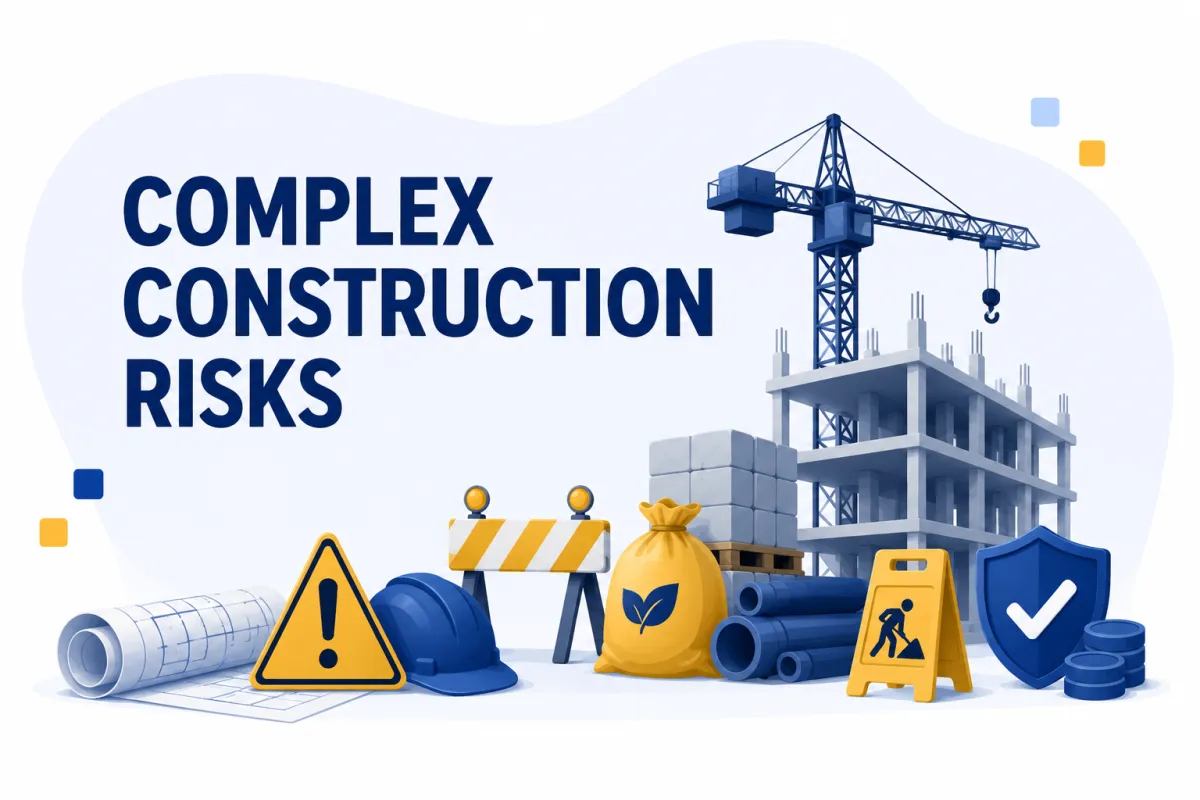
Various types of business insurance cater to these industry-specific requirements, with underwriters developing specialized products for distinct commercial sectors. Construction companies need builder's risk policies, while technology firms require intellectual property coverage. Healthcare providers must carry malpractice insurance with limits reflecting their specialty and jurisdiction.
Evaluating Coverage Adequacy
Business and insurance experts recommend conducting annual coverage reviews to ensure policies remain aligned with evolving operations. Organizations should consider:
Current asset valuations and replacement costs
Revenue growth and corresponding liability exposure increases
New product lines or service offerings requiring additional coverage
Geographic expansion into regions with different regulatory requirements
Technology implementations creating new cyber vulnerabilities
Contractual insurance requirements from clients or partners
Many businesses discover coverage gaps only after filing claims. Proactive evaluation prevents these costly surprises by identifying deficiencies before losses occur. Working with experienced commercial insurance brokers ensures comprehensive risk assessment and appropriate coverage selection.
Strategic Risk Management Through Insurance
The intersection of business and insurance extends beyond simply purchasing policies. Effective risk management integrates insurance into broader organizational strategies that minimize exposures while maintaining operational flexibility.
Loss Prevention and Premium Optimisation
Insurers reward businesses that demonstrate commitment to loss prevention through reduced premiums and enhanced coverage terms. Implementing safety protocols, employee training programs, and security measures directly impacts insurance costs while reducing claim frequency.
Risk management best practices include:
Regular safety audits identifying potential hazards before incidents occur
Comprehensive employee training on equipment operation and emergency procedures
Documented maintenance schedules for critical equipment and systems
Security system implementations including surveillance, access controls, and alarm monitoring
Incident response protocols ensuring rapid, appropriate reactions to emerging situations
Claims management processes that document events thoroughly and communicate effectively with insurers
Organizations that prioritize these practices often negotiate more favorable terms with insurers. The relationship between business and insurance becomes collaborative rather than transactional, with underwriters viewing well-managed operations as preferable risks worthy of competitive pricing.

Navigating Policy Selection and Procurement
Selecting appropriate business and insurance solutions requires understanding policy structures, coverage limitations, and contractual provisions that define when protection applies. The procurement process significantly influences long-term satisfaction with insurance arrangements.
Comparing Coverage Options
Not all policies offering similar coverage types provide identical protection. Exclusions, sublimits, deductibles, and coverage triggers vary substantially between insurers and policy forms. Business owners must examine these details carefully to understand actual protection levels.
Key comparison factors include:
Coverage territory and geographic limitations
Definition of covered events and triggering circumstances
Exclusions eliminating specific risks from coverage
Sublimits restricting payouts for particular loss types
Deductibles determining out-of-pocket expenses before insurance applies
Policy limits establishing maximum available protection
Claims-made versus occurrence-based coverage triggers
Additional insured provisions extending protection to third parties
Research on business insurance reveals that underwriting practices and pricing cycles fluctuate based on market conditions, making timing an important consideration in procurement decisions. Soft markets with abundant capacity offer opportunities to negotiate enhanced terms, while hard markets require accepting less favorable conditions.
Working With Commercial Insurance Brokers
The complexity surrounding business and insurance makes professional guidance valuable for most organizations. Commercial insurance brokers provide expertise in coverage assessment, market access, and claims advocacy that individual businesses typically cannot replicate internally.
Experienced brokers offer several advantages:
Access to multiple insurance markets and specialized underwriters
Technical knowledge of policy language and coverage nuances
Negotiation leverage based on established insurer relationships
Claims support ensuring proper documentation and fair settlements
Risk management consulting identifying exposures and mitigation strategies
Ongoing service throughout policy periods rather than only at renewal
Selecting the right broker requires evaluating their industry experience, market relationships, service capabilities, and technological resources. The broker-client relationship should function as a partnership focused on long-term risk management rather than simply annual policy placement.
Common Business and Insurance Challenges
Despite insurance's protective benefits, organizations frequently encounter obstacles in obtaining appropriate coverage and navigating claims processes. Understanding these challenges enables proactive solutions that preserve business and insurance effectiveness.
Coverage Gaps and Exclusions
Many businesses discover coverage gaps only when filing claims. Common gaps include:
Flood and earthquake damage excluded from standard property policies
Cyber incidents not covered under traditional liability insurance
Professional services provided outside policy definitions
Employee injuries occurring outside work hours or premises
Contractual liabilities assumed but not properly insured
Business interruption without direct physical damage
Identifying these gaps requires thorough policy review and professional risk assessment. Business News Daily offers practical tips on selecting appropriate coverage to protect against potential risks, emphasizing the importance of understanding policy exclusions and purchasing supplemental coverage for identified gaps.
Claims Management Complexities
The relationship between business and insurance becomes most critical during claims situations. Effective claims management requires:
Immediate incident notification to insurers within policy timeframes
Comprehensive documentation including photos, witness statements, and financial records
Clear communication with adjusters throughout investigation processes
Understanding of coverage positions and potential disputes
Professional representation when disagreements arise
Strategic decision-making regarding settlements versus litigation
Best practices for avoiding insurance policy errors emphasize human verification, thorough documentation, and continuous training. These same principles apply to claims management, where attention to detail determines outcome quality.

Emerging Trends in Business and Insurance
The commercial insurance landscape continues evolving in response to technological advances, regulatory changes, and emerging risk categories. Understanding these trends helps businesses anticipate future coverage needs and adapt insurance strategies accordingly.
Technology and Digital Transformation
Insurance technology has revolutionised how business and insurance interact in 2026. Digital platforms enable real-time policy management, instant certificate generation, and streamlined claims submission. Artificial intelligence assists in risk assessment, while predictive analytics identify emerging exposures before they materialize into losses.
Key technological developments include:
Automated underwriting platforms reducing application processing times
Telematics and IoT devices providing real-time risk data
Blockchain applications improving policy transparency and claims verification
Parametric insurance products triggering automatic payments based on predefined conditions
Digital risk management dashboards consolidating exposure information
Research on insurance industry technological developments indicates continued investment in digital capabilities, fundamentally changing how businesses purchase and manage coverage.
Evolving Risk Landscape
New risk categories continuously emerge, requiring innovative insurance solutions. Climate change intensifies natural disaster frequency and severity. Cyber threats grow more sophisticated and damaging. Supply chain vulnerabilities create operational dependencies. Social inflation drives liability verdicts to unprecedented levels.
Business and insurance relationships must adapt to these evolving challenges through:
Enhanced risk modeling incorporating climate projections and cyber threat intelligence
Specialized coverage products addressing emerging exposure categories
Flexible policy structures allowing mid-term adjustments as risks change
Collaborative risk management programs combining insurance with loss prevention
Alternative risk transfer mechanisms including captives and risk retention groups
Organizations that anticipate these trends position themselves advantageously, securing appropriate coverage before market conditions tighten or new exposures materialize into significant losses.
Regulatory Compliance and Insurance Requirements
The relationship between business and insurance extends into regulatory compliance, with many jurisdictions mandating specific coverage types. Understanding these requirements prevents legal violations while ensuring adequate protection.
Mandatory Coverage Types
Most jurisdictions require certain insurance coverages for legally operating businesses:
Workers' compensation insurance in virtually all states for businesses with employees
Commercial auto insurance for vehicles titled to business entities
Professional liability insurance for licensed professionals in certain industries
Unemployment insurance funding state unemployment benefits
Disability insurance in select jurisdictions providing wage replacement
Failure to maintain required coverage results in penalties ranging from fines to business closure orders. Some industries face additional mandated coverage based on operational characteristics or regulatory oversight.

Contractual Insurance Obligations
Beyond statutory requirements, contractual relationships often impose insurance obligations. Lease agreements typically require tenant liability and property coverage. Client contracts frequently mandate specific liability limits and additional insured endorsements. Loan agreements may require property insurance with lender loss payee provisions.
Meeting these contractual requirements demands attention to:
Policy limit adequacy matching or exceeding contractual minimums
Additional insured endorsements providing required third-party protection
Waiver of subrogation clauses preventing insurer recovery actions against specified parties
Certificate of insurance delivery documenting coverage to interested parties
Notice requirements informing contract parties of policy changes or cancellations
Business and insurance professionals recommend maintaining detailed records of contractual insurance requirements to ensure ongoing compliance throughout policy periods.
Frequently Asked Questions
What types of insurance does every business need?
Most businesses require general liability insurance protecting against third-party injury and property damage claims, property insurance covering business assets, and workers' compensation if they employ staff. Professional liability insurance becomes essential for service providers, while commercial auto insurance covers business vehicle use. Specific needs vary based on industry, size, location, and operational characteristics.
How can businesses reduce insurance costs without sacrificing coverage?
Organizations reduce premiums through loss prevention programs demonstrating risk management commitment, higher deductibles accepting more self-insured retention, bundling multiple policies with single insurers, implementing safety training reducing claim frequency, and regularly reviewing coverage eliminating unnecessary protections. Working with commercial insurance brokers provides market access and negotiation expertise that often secures better pricing.
When should businesses review their insurance coverage?
Annual policy renewals provide natural review opportunities, but businesses should also evaluate coverage when experiencing significant operational changes. Revenue growth, new locations, additional employees, service expansion, equipment purchases, and technology implementations all trigger coverage reassessment needs. Major industry events affecting risk landscapes also warrant coverage reviews.
What happens if a business is underinsured?
Underinsurance creates significant financial exposure when losses exceed coverage limits or fall within coverage gaps. Businesses may face out-of-pocket expenses for claim portions exceeding policy limits, complete denial of claims for uncovered risks, business interruption from inability to rebuild or replace damaged property, and potential legal liability for contractual insurance requirement failures.
How does business size affect insurance needs?
Larger businesses typically require higher coverage limits reflecting greater asset values and revenue-based liability exposures. They often need more specialized coverage types addressing complex operations and diverse risk profiles. Smaller businesses may purchase package policies combining multiple coverages, while larger organizations usually need customized programs with separate policies for each coverage type. Employee count directly impacts workers' compensation costs and requirements.
Understanding the critical relationship between business and insurance enables organisations to protect assets, manage risks effectively, and maintain operational continuity against unexpected challenges. Strategic insurance planning, comprehensive coverage selection, and ongoing policy management create resilient frameworks supporting long-term business success. Miller & Partner Limited specializes in matching businesses with appropriate commercial insurance coverage, providing expert guidance throughout policy selection, procurement, and ongoing management processes to ensure your organization maintains optimal protection.