


Business and Liability Insurance: Complete Guide 2026
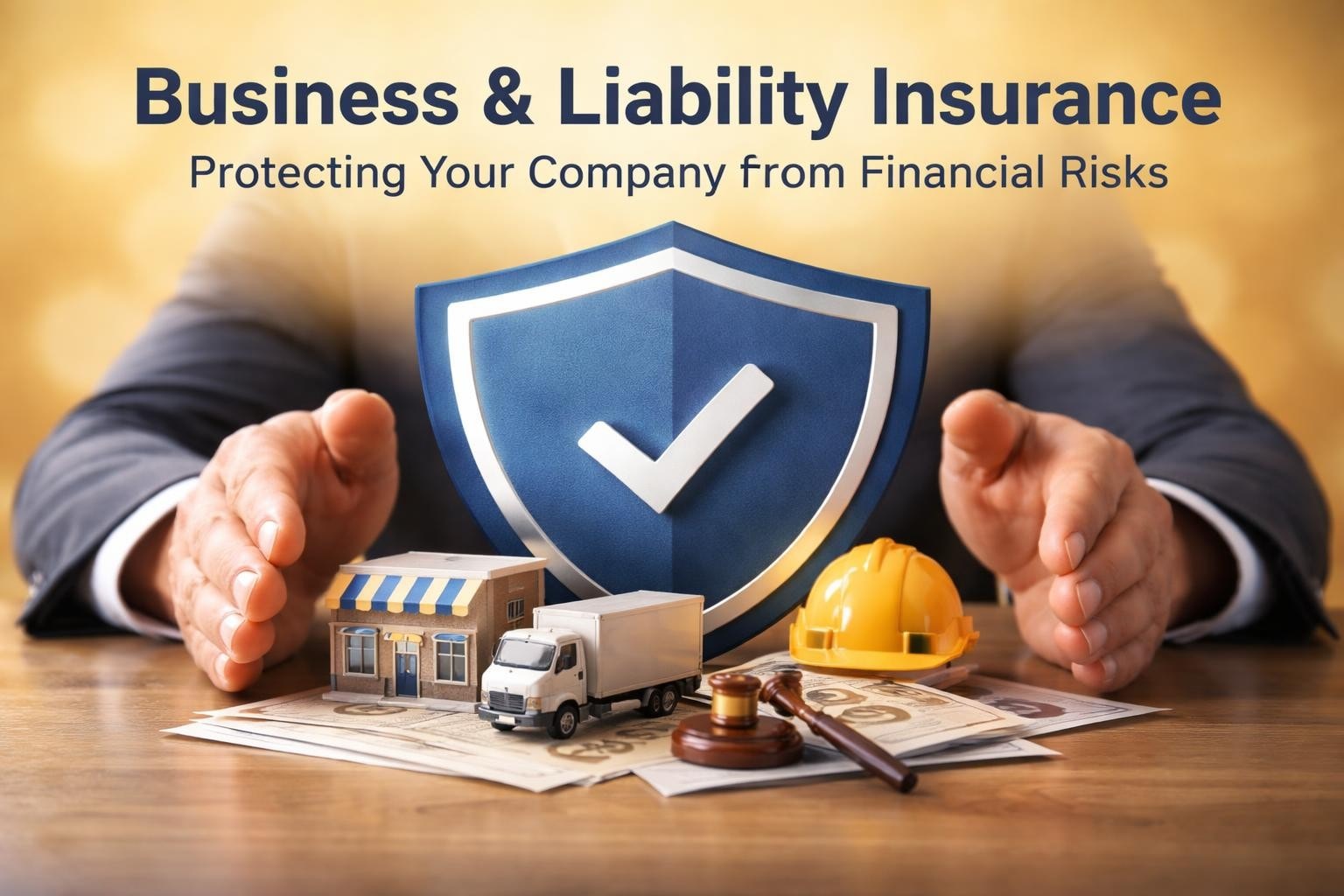
Running a business in the UK requires more than just a solid strategy and dedicated workforce. Protection against unexpected events, legal claims, and financial liabilities forms the foundation of sustainable operations. Business and liability insurance serves as a critical safety net, shielding companies from potentially catastrophic financial losses whilst enabling them to operate with confidence in an increasingly complex regulatory environment.
Understanding Business and Liability Insurance Fundamentals
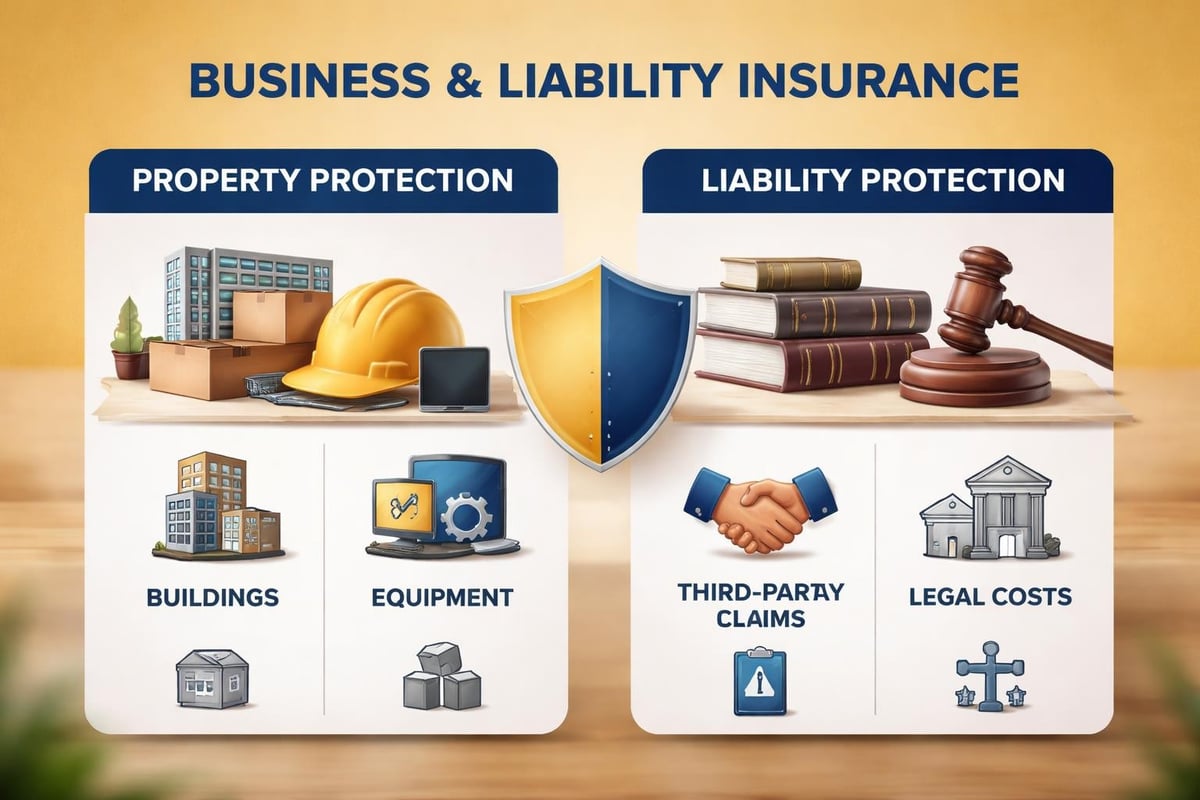
Business and liability insurance encompasses a broad range of coverage designed to protect commercial enterprises from various risks. At its core, this insurance addresses two fundamental concerns: damage to your business assets and liability for harm caused to others.
The landscape of business insurance options has evolved considerably, reflecting the changing nature of commercial risks in 2026. Traditional coverage areas remain vital, yet new exposures such as cyber threats and environmental liabilities have emerged as significant considerations for modern businesses.
Core Components of Business Coverage
Property Insurance forms the foundation of most commercial policies, protecting physical assets including:
Buildings and premises
Equipment and machinery
Stock and inventory
Fixtures and fittings
Business interruption costs
Liability Coverage addresses claims made against your business by third parties. This protection extends beyond simple accidents, encompassing professional errors, product defects, and even reputational damage in certain policies.
The distinction between these coverage types matters significantly when structuring your insurance programme. Whilst property insurance addresses your own losses, liability coverage protects against claims from customers, suppliers, or the public.
Types of Liability Insurance for UK Businesses
Understanding the specific types of business and liability insurance available enables you to build comprehensive protection tailored to your operational risks. Each policy type addresses distinct exposures that businesses face.
Public Liability Insurance
This essential coverage protects against claims from members of the public who suffer injury or property damage due to your business activities. Public liability remains one of the most frequently claimed policy types in the UK commercial insurance market.
Common scenarios include:
Customer slipping on your premises
Accidental damage to client property during service delivery
Injury caused by defective products sold
Damage caused at third-party locations
Most policies provide cover ranging from £1 million to £10 million, with many clients and contracts requiring minimum coverage levels as a condition of engagement.
Employers' Liability Insurance
For any business employing staff, employers' liability coverage remains a legal requirement in the UK. This protection addresses claims from employees who suffer work-related injuries or illnesses.
The minimum legal requirement stands at £5 million, though many insurers provide £10 million as standard. Failing to maintain valid employers' liability insurance can result in fines of £2,500 per day.
Professional Indemnity Insurance
Businesses providing advice, services, or expertise require professional indemnity coverage. This policy addresses claims arising from professional errors, omissions, or negligent advice that cause financial loss to clients.
Industries commonly requiring professional indemnity:
Accountants and financial advisors
Solicitors and legal professionals
Architects and engineers
IT consultants and software developers
Management consultants
Marketing and PR agencies
Claims can arise years after services were provided, making "run-off" cover essential when ceasing certain business activities.
Product Liability Insurance
Manufacturers, distributors, and retailers need product liability protection against claims related to defective goods causing injury or damage. The complexity of supply chains means even businesses simply selling products manufactured elsewhere face exposure.
Recent business insurance statistics indicate product liability claims have increased by 18% since 2024, driven by enhanced consumer awareness and stricter product safety regulations.
Assessing Your Business and Liability Insurance Needs
Determining appropriate coverage levels requires systematic risk assessment. Generic policies rarely provide optimal protection, making tailored insurance programmes essential for comprehensive risk management.
Risk Identification Process
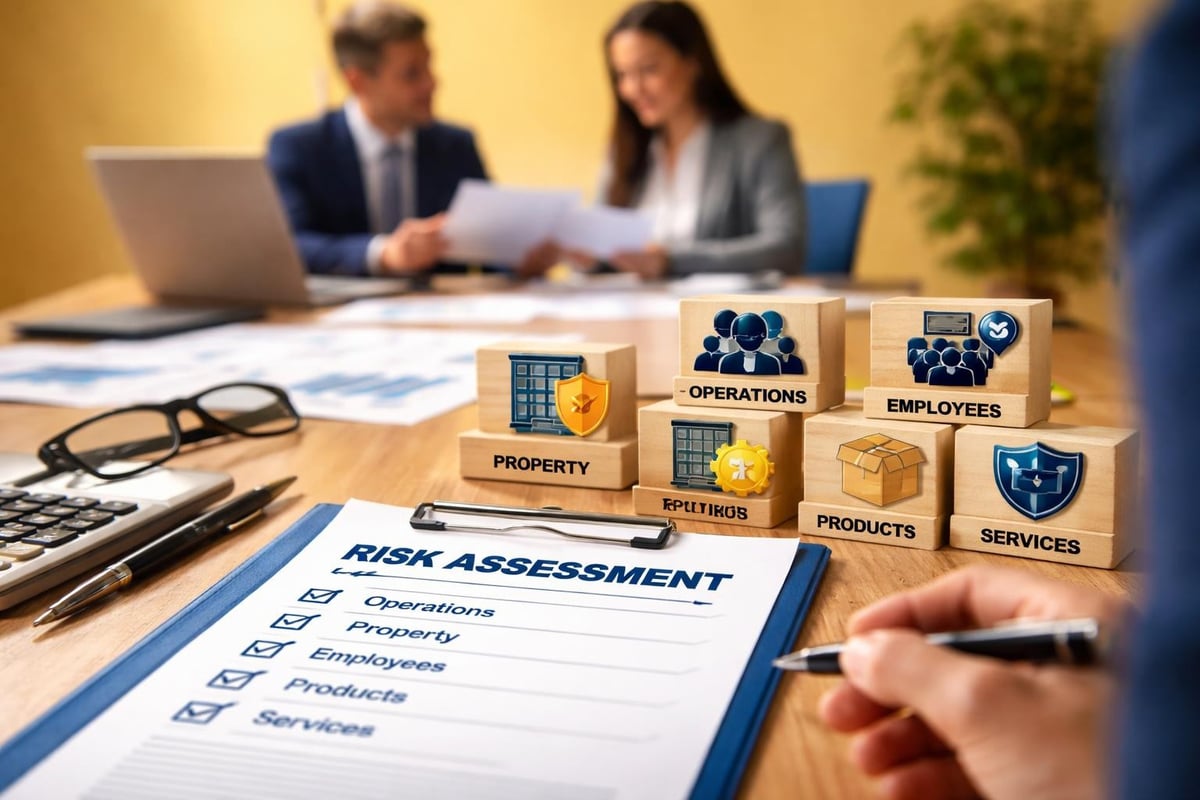
Begin by cataloguing all activities your business undertakes, considering:
Direct customer interactions and service delivery
Products manufactured, distributed, or sold
Professional advice or expertise provided
Premises accessed by the public or clients
Employee activities and workplace hazards
Contractual obligations requiring specific insurance
Many businesses underestimate their exposure by focusing solely on primary operations whilst overlooking ancillary activities that create liability.
Industry-Specific Considerations
Different sectors face distinct risk profiles requiring specialised business and liability insurance approaches. Comparing insurance providers becomes more complex when seeking industry-specific expertise.
Construction and trades: Require substantial public liability limits due to high-risk activities, plus contractors' all risks coverage for projects and tools.
Healthcare professionals: Need comprehensive professional indemnity with extended reporting periods, given the long-tail nature of medical negligence claims.
Hospitality businesses: Require robust public liability given constant customer interaction, plus potentially food contamination coverage and liquor liability.
Technology companies: Face cyber liability exposures alongside traditional professional indemnity, with particular attention to data protection breaches.
Coverage Limits and Excesses
Selecting appropriate policy limits balances adequate protection against premium costs. Insufficient coverage can prove catastrophic if claims exceed policy limits, leaving the business to fund the difference.
Consider these factors when determining limits:
Typical contract requirements from clients
Industry standards and competitor coverage
Maximum potential claim scenarios
Asset values requiring protection
Annual turnover and revenue
Number of employees
Excess amounts (the portion of claims you pay) directly impact premiums. Higher excesses reduce costs but increase financial exposure on smaller claims.
Structuring Comprehensive Insurance Programmes
Businesses rarely achieve optimal protection through single policies. Effective risk management requires coordinated insurance programmes addressing all significant exposures.
Combined Business Policies
Many insurers offer packaged solutions combining multiple coverage types into streamlined policies. These "combined" or "commercial combined" policies typically include:
Buildings and contents insurance
Business interruption coverage
Public liability protection
Employers' liability insurance
Equipment breakdown cover
Combined policies simplify administration and often prove more cost-effective than purchasing separate policies. However, they may lack the specialised coverage certain businesses require.
Standalone Specialist Policies
Alongside core coverage, many businesses need additional protection addressing specific risks. Professional indemnity typically sits outside combined policies, as do more specialised covers:
Cyber insurance for data breaches and technology failures
Directors and officers liability for board-level decisions
Environmental liability for pollution incidents
Product recall insurance for contamination events
Legal expenses insurance for dispute costs
The professional liability market continues evolving, with insurers developing increasingly sophisticated products addressing emerging risks.
The Claims Process and Liability Management
Understanding how business and liability insurance functions when claims arise proves just as important as securing coverage. Prompt, proper claims handling can mean the difference between successful resolution and policy complications.
Notification Requirements
Most policies require immediate notification of circumstances that might give rise to claims, even before formal claims are made. Delayed notification can jeopardise coverage, particularly for professional indemnity claims.
Critical notification triggers include:
Accidents causing injury or property damage
Receipt of complaint letters or legal notices
Discovery of professional errors or service failures
Product defects identified affecting customer safety
Employee accidents or work-related illnesses
Maintaining detailed incident records supports the claims process and helps insurers assess liability accurately.
Defence Costs and Legal Representation
Quality business and liability insurance includes defence costs, covering legal expenses even if claims prove groundless. These costs can exceed settlement amounts, making comprehensive coverage vital.
Insurers typically appoint solicitors to handle claims, though some policies allow businesses to select their own legal representatives subject to insurer approval. Understanding these provisions before claims arise prevents disputes during stressful claim situations.
Claims Trends and Prevention
Analysis of liability insurance trends reveals that proactive risk management significantly reduces claim frequency and severity. Insurers increasingly reward businesses demonstrating robust safety procedures and professional standards through preferential premium rates.
Effective prevention strategies include:
Regular health and safety training programmes
Quality assurance procedures for products and services
Professional development for staff
Clear communication protocols with clients
Documented policies and procedures
Regular equipment maintenance schedules
When seeking coverage, securing a quick quote for business insurance allows you to compare options efficiently whilst ensuring you don't operate without essential protection. Professional brokers can streamline this process significantly, matching your specific requirements to suitable insurers.

Regulatory Requirements and Compliance
The UK regulatory framework mandates certain types of business and liability insurance whilst strongly recommending others. Compliance failures can result in substantial penalties beyond the insurance implications.
Statutory Insurance Obligations
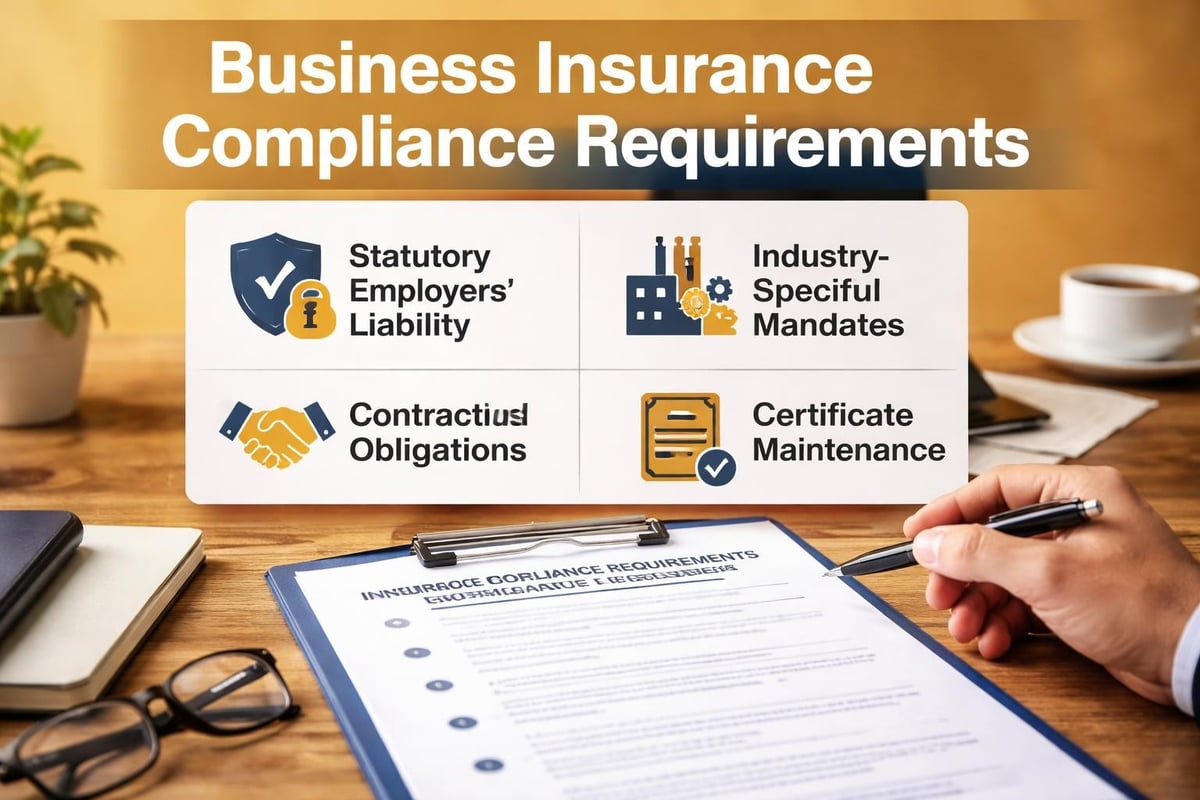
Employers' liability insurance remains the only universally mandatory business insurance in the UK for businesses with employees. The Employers' Liability (Compulsory Insurance) Act 1969 requires minimum coverage of £5 million.
Businesses must display their employers' liability certificate at each workplace or make it available electronically to employees. Digital certificates have gained acceptance since 2024, simplifying compliance for multi-site operations.
Industry-Specific Requirements
Certain sectors face additional insurance mandates:
Financial services firms require professional indemnity under FCA regulations
Solicitors must maintain minimum professional indemnity through the SRA scheme
Construction contractors need specified liability limits for many public sector contracts
Care providers require enhanced liability coverage meeting CQC standards
Vehicle operators need goods in transit and motor fleet insurance
Contractual Requirements
Beyond statutory obligations, commercial contracts frequently specify insurance requirements. Tender documents and client agreements commonly mandate:
Minimum public liability limits (typically £5-10 million)
Professional indemnity coverage relevant to contract value
Product liability for goods supplied
Contractors' all risks for project work
Failing to maintain contractually required insurance can constitute breach of contract, exposing businesses to termination and potential damages claims.
Cost Factors and Premium Management
Business and liability insurance premiums vary significantly based on multiple factors. Understanding these drivers enables businesses to manage costs whilst maintaining appropriate coverage.
Premium Calculation Elements
Insurers assess risk using numerous variables:
Industry sector and specific business activities
Annual turnover and revenue projections
Number of employees and their roles
Claims history and loss experience
Coverage limits and excess levels
Risk management procedures implemented
Geographic location and premises type
Premium rates for identical coverage can vary substantially between insurers depending on their appetite for specific risks and recent claims experience in particular sectors.
Strategies for Premium Optimisation
Implement robust risk management: Demonstrating active risk reduction through documented procedures, training programmes, and safety measures convinces insurers of lower claim probability.
Maintain continuous coverage: Insurance history matters. Gaps in coverage or frequent insurer changes suggest instability, potentially increasing premiums.
Annual review processes: Market conditions fluctuate. Regular policy reviews ensure competitive pricing whilst coverage remains appropriate for evolving business operations.
Appropriate excess selection: Higher excesses reduce premiums but increase out-of-pocket expenses on claims. Balance immediate affordability against potential claim costs.
Bundle policies strategically: Combined policies often cost less than separate arrangements, though ensure coverage depth isn't sacrificed for convenience.
The broader insurance research landscape indicates that businesses reviewing their insurance arrangements annually achieve 12-18% better value than those maintaining static policies.
Emerging Risks and Future Coverage Needs
The business landscape evolves continuously, creating new exposures requiring insurance solutions. Forward-thinking businesses consider emerging risks when structuring their business and liability insurance programmes.
Cyber and Technology Risks
Digital dependency has transformed business operations, creating vulnerabilities unimaginable a decade ago. Cyber insurance addresses:
Data breach notification and remediation costs
Business interruption from system failures
Ransomware payments and recovery expenses
Third-party liability for compromised customer data
Reputation management following security incidents
Cyber coverage has transitioned from niche product to mainstream necessity, with many businesses now requiring it as part of comprehensive risk management.
Environmental Liability
Increasing environmental regulation creates liability exposures for businesses across all sectors. Environmental insurance addresses:
Pollution clean-up costs
Third-party environmental damage claims
Regulatory investigation expenses
Historical contamination issues
Even businesses without obvious environmental impact face potential exposure through historic site usage or supply chain activities.
Supply Chain Disruption
Global supply chain complexity creates dependencies outside direct business control. Specialist coverage addresses revenue losses from supplier failures, logistics disruptions, and contingent business interruption.
The pandemic highlighted vulnerabilities in traditional business interruption coverage, leading insurers to develop more sophisticated products addressing non-damage business interruption scenarios.
Frequently Asked Questions
What is the difference between public liability and professional indemnity insurance?
Public liability insurance covers bodily injury or property damage to third parties caused by your business activities or premises. Professional indemnity insurance protects against claims arising from professional advice, services, or expertise you provide that causes financial loss to clients. Businesses providing services often need both types of coverage.
How much business and liability insurance does my company need?
Required coverage depends on your industry, business size, contractual obligations, and risk profile. Many contracts specify minimum public liability of £5-10 million. Professional indemnity limits typically relate to project values or annual turnover. Conducting a thorough risk assessment with an experienced broker helps determine appropriate coverage levels for your specific circumstances.
Is employers' liability insurance required if I only employ family members?
Generally yes. The legal requirement applies to most employment relationships, including family members. Limited exemptions exist for family businesses where all employees are closely related and the business isn't incorporated as a limited company. However, maintaining coverage protects the business regardless of legal requirements.
Can I claim on business and liability insurance for mistakes made years ago?
This depends on your policy type and when it was active. "Claims-made" policies cover claims made during the policy period, regardless of when the incident occurred, provided the policy was active when the error happened. "Claims-occurring" policies cover incidents that occurred during the policy period. Professional indemnity typically operates on a claims-made basis, making continuous coverage essential.
What happens if my business insurance claim is denied?
If an insurer denies a claim, first request detailed written reasons for the decision. Review your policy wording carefully to understand the grounds for denial. You can challenge the decision through the insurer's complaints procedure, then escalate to the Financial Ombudsman Service if dissatisfied. Legal expenses insurance can cover costs of disputing claim denials, though this won't help if the dispute concerns the legal expenses policy itself.
Protecting your business through comprehensive business and liability insurance requires understanding your unique risk profile and selecting coverage that addresses both current operations and future growth. The right insurance programme provides financial security and operational confidence, enabling you to focus on business development rather than potential liabilities. Miller & Partner Limited specialises in matching businesses with appropriate commercial insurance coverage, offering expert guidance through the complex process of building comprehensive protection tailored to your specific requirements.