



Guide to Commercial Dental Insurance: What Businesses Need in 2026
In 2026, workplace wellbeing is more critical than ever, and dental health is taking centre stage for UK businesses. As the insurance landscape evolves, robust commercial dental insurance is rapidly becoming a cornerstone of smart business strategy.
Offering comprehensive dental cover can mean financial savings, improved employee wellbeing, and greater compliance with new standards. Inadequate cover, however, leaves businesses exposed to higher costs and talent loss.
This guide delivers an up-to-date, practical overview of commercial dental insurance for businesses. You will find essential coverage details, expert selection advice, regulatory updates, and the latest trends to help your organisation make informed decisions.
Understanding Commercial Dental Insurance: The Basics
Commercial dental insurance is a business-focused policy designed to provide dental care benefits for employees. Unlike individual dental cover, which is arranged personally, commercial dental insurance is organised and often funded by the employer, making it a key part of a company’s employee benefits package.
For businesses, from small dental practices to national enterprises, commercial dental insurance offers more than just routine dental care. It supports staff wellbeing, helps control unexpected dental costs, and can play a significant role in attracting and retaining talent. Providing comprehensive cover demonstrates a commitment to employee health, which can improve morale and boost productivity.
There are several types of commercial dental insurance policies available to UK businesses:
Employer-sponsored group plans: The company pays all or a portion of the premium, and employees benefit from collective bargaining power and broader coverage.
Voluntary employee-paid plans: Employees have the option to buy dental cover through the workplace at group rates, but pay their own premiums.
Bespoke business dental insurance: Tailored solutions for unique needs, such as multi-site practices or organisations with specific requirements.
Typically, commercial dental insurance covers:
Routine check-ups and hygiene appointments
Emergency dental treatment
Restorative care, such as fillings, crowns, and bridges
Specialist referrals for complex cases
However, there are common exclusions and limitations. Cosmetic procedures, orthodontics, and some advanced treatments might not be included unless specifically added. Policies may also have annual limits, waiting periods, and restrictions on certain procedures.
Recent figures highlight the importance of commercial dental insurance for UK businesses. In 2024, the uptake of private dental insurance reached a record high, reflecting a shift towards enhanced employee benefits and growing demand for workplace dental cover. According to a recent report, more businesses are recognising the value of providing dental benefits, both for staff wellbeing and for competitive advantage.
Consider the experience of a mid-sized dental practice that introduced a group commercial dental insurance plan. The practice reported fewer staff absences due to dental issues, improved employee satisfaction, and a smoother recruitment process. Employees valued the peace of mind and quick access to treatment, while the business benefited from reduced downtime and improved loyalty.
Understanding the basics of commercial dental insurance is essential for any business leader. With the right foundation, companies can make informed decisions about coverage, manage costs, and create a healthier, more engaged workforce.

Regulatory and Compliance Considerations for 2026
As the landscape for commercial dental insurance rapidly evolves, regulatory and compliance demands are becoming more complex for UK businesses. Staying ahead of these requirements is not just about meeting legal obligations, but also about ensuring business continuity and safeguarding employee wellbeing.
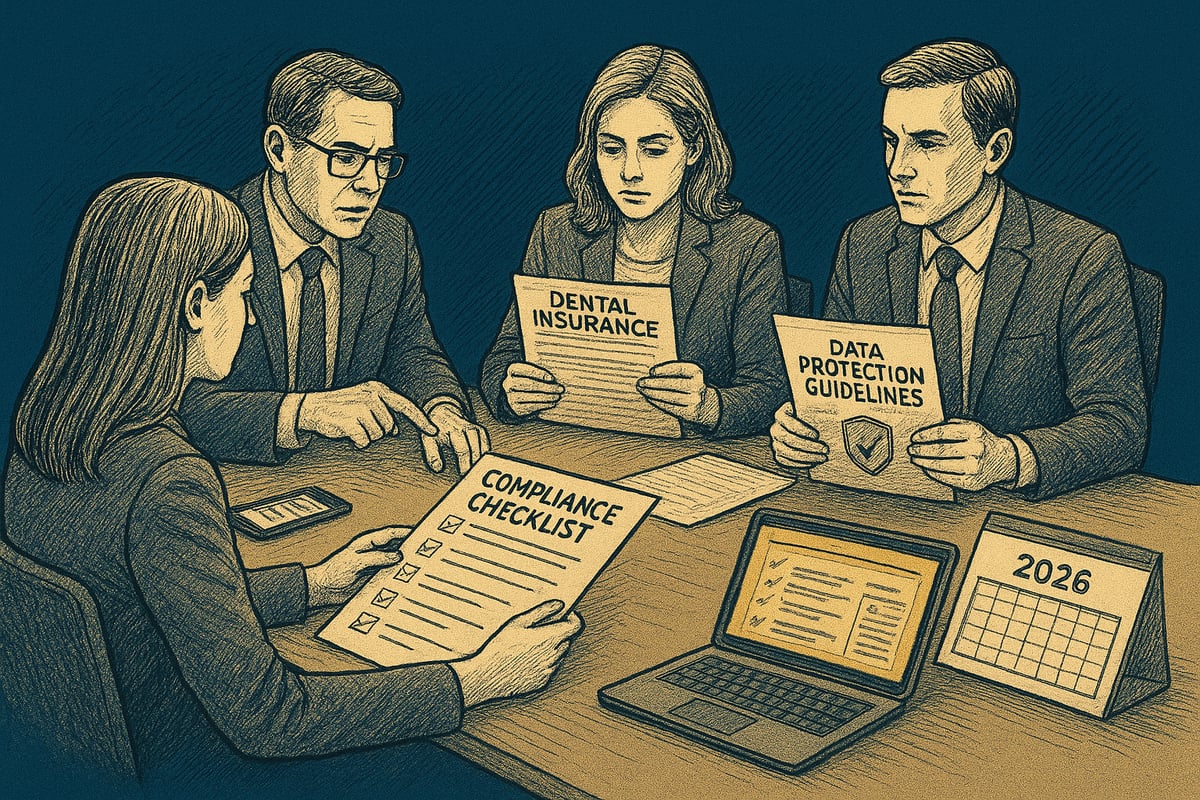
Current UK Regulations for Commercial Dental Insurance
UK businesses offering commercial dental insurance must comply with several regulatory frameworks:
The Financial Conduct Authority (FCA) regulates insurance providers and sets standards for fair treatment and transparency.
NHS England establishes contractual obligations for dental care delivery, especially for dental practices.
Employers must adhere to the Equality Act 2010, ensuring non-discriminatory access to benefits.
Regular reviews and policy updates are crucial, as regulatory bodies frequently update guidance. Failure to monitor these changes increases the risk of penalties or reputational damage.
Anticipated Changes for 2026
Looking ahead to 2026, significant updates are expected from both the FCA and NHS England. New NHS dental contract reforms, set to take effect in April 2026, will alter quality and payment structures for dental providers. Staying informed about these changes is vital for businesses managing commercial dental insurance. For a comprehensive breakdown of these reforms, review the NHS dentistry quality and payment reforms.
FCA updates may also introduce stricter reporting and consumer protection standards, making it essential for employers to work closely with insurance partners to ensure ongoing compliance.
Employee Health and Wellbeing Standards
From 2026, new employee health and wellbeing benchmarks will influence what is expected from commercial dental insurance. Employers may need to demonstrate that dental benefits meet minimum standards for preventive care, access, and inclusivity.
Adapting benefit structures to exceed these benchmarks not only supports compliance but also boosts employee satisfaction and retention.
GDPR and Data Protection in Dental Insurance
Administering commercial dental insurance involves processing sensitive personal health data. Under the UK GDPR, businesses must:
Obtain explicit consent from employees for data use.
Ensure that insurers and third-party administrators comply with data security requirements.
Conduct regular audits to identify and mitigate risks.
A robust data protection strategy is now essential to avoid breaches and maintain employee trust.
Example: Penalties and the Importance of Proactive Compliance
In 2025, a mid-sized dental practice was fined 2 percent of its annual turnover by the FCA for failing to update its insurance documentation following regulatory changes. According to recent FCA reports, 14 percent of UK businesses faced penalties last year for non-compliance related to insurance benefits.
Taking a proactive approach to commercial dental insurance compliance not only reduces risk but also positions your business as a responsible and attractive employer in a competitive market.
How to Select the Right Commercial Dental Insurance for Your Business
Choosing the right commercial dental insurance is a strategic decision that can shape your business’s financial health and workforce satisfaction. The process starts by understanding your unique needs and aligning them with the right policy features.
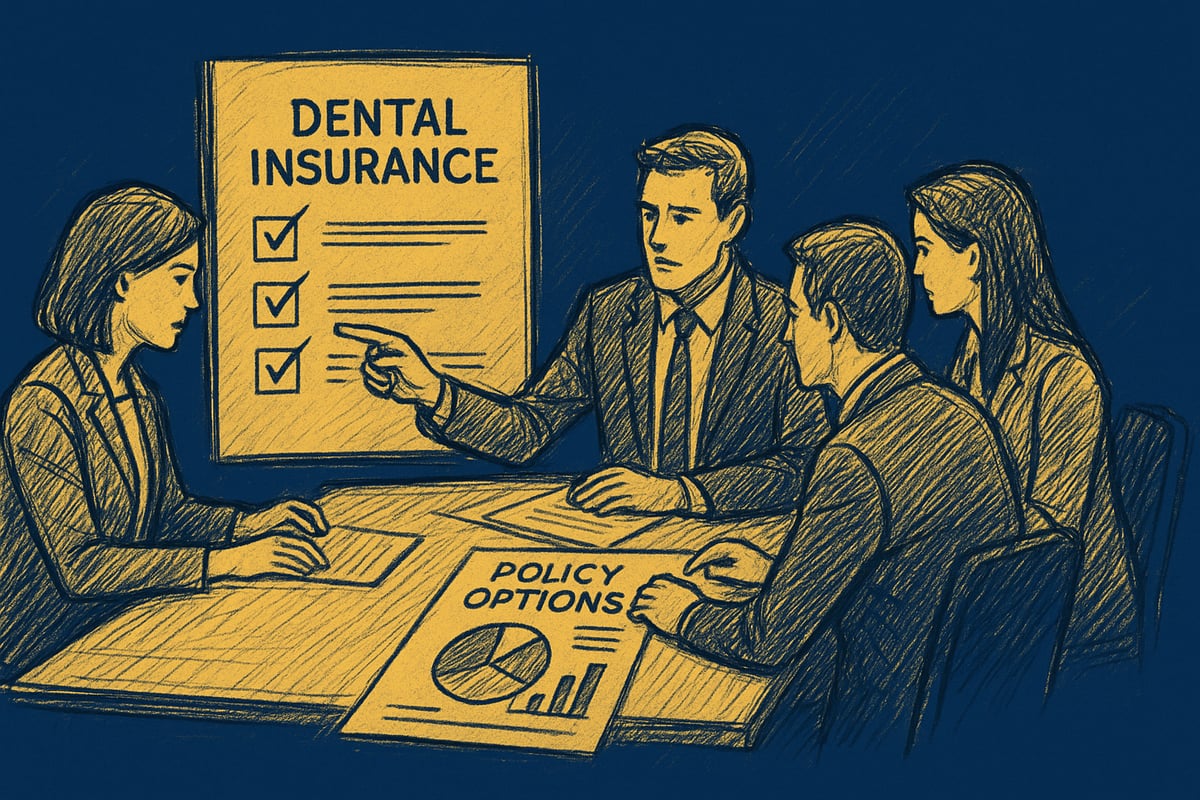
Begin by evaluating your workforce demographics, including age range, family status, and specific dental health needs. Consider your budget constraints and set clear priorities for the level of cover required. Some businesses may prioritise preventative care and routine check-ups, while others may need comprehensive support for specialist treatments.
Next, research potential insurers by examining their reputation, financial strength, and the quality of their claims service. Look for providers with a proven track record of supporting businesses similar to yours. Review customer feedback and industry ratings to ensure reliability and transparency.
When comparing commercial dental insurance policies, scrutinise the small print. Identify any hidden clauses, such as waiting periods, annual limits, or exclusions on pre-existing conditions. Bullet points to review include:
Coverage for routine and emergency care
Optional extras like orthodontics or cosmetic dentistry
Network restrictions versus open-access providers
Co-payment structures and excess fees
Flexibility and scalability are crucial, especially for growing companies. A start-up with a lean team may require a simple, cost-effective group plan, while an established dental practice might need bespoke cover with enhanced benefits. As your business evolves, ensure your policy can adapt to new locations, employee numbers, or changing regulatory demands.
A tailored approach to commercial dental insurance delivers maximum value and return on investment. According to recent surveys, over 30 percent of UK SMEs switched providers last year to secure a better fit for their workforce. For those seeking expert guidance, commercial insurance solutions for businesses can support your decision-making and streamline the selection process.
Taking time to assess your business requirements, compare providers, and review policy details ensures you secure the most appropriate and cost-effective commercial dental insurance. The right choice protects your team, controls costs, and supports your long-term business goals.
The Business Case for Dental Insurance: ROI, Employee Wellbeing, and Competitive Advantage
A robust commercial dental insurance policy is more than just a staff benefit—it is a strategic investment. Businesses that offer comprehensive dental cover see direct returns, including reduced recruitment costs, lower absenteeism, and increased productivity. By investing in commercial dental insurance, employers can manage long-term healthcare expenses and reduce the financial risk of unexpected dental claims.
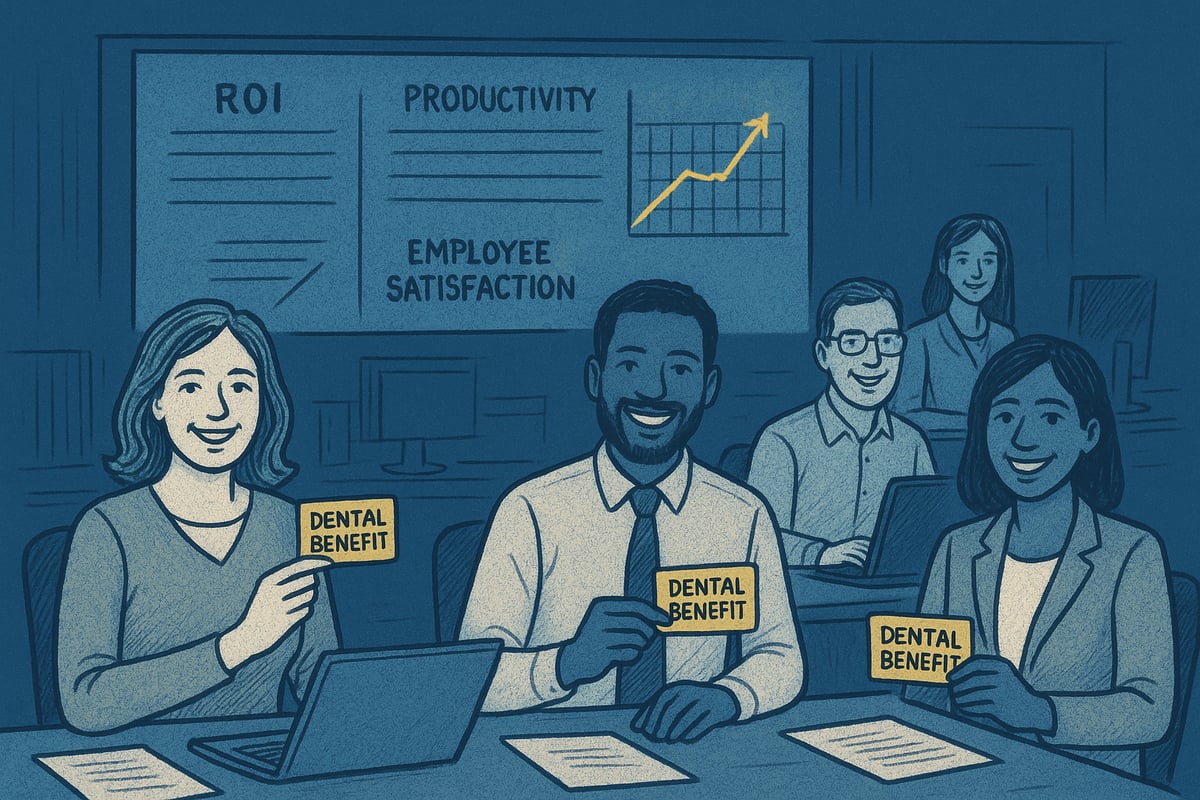
Return on Investment and Cost Savings
The financial benefits of commercial dental insurance are clear. Offering dental cover helps prevent costly oral health issues, leading to fewer sick days and a healthier workforce.
Reduced staff turnover as employees value benefits.
Lower risk of productivity loss due to dental emergencies.
Potential savings on group premiums thanks to risk pooling.
Employers who prioritise commercial dental insurance often report measurable cost savings within the first year, especially when policies are tailored to business needs.
Positive Impact on Employee Wellbeing
Employee wellbeing is central to business success. With commercial dental insurance, staff gain access to preventative care and timely treatment, reducing the likelihood of chronic dental problems.
Improved morale as dental worries are eased.
Fewer days missed due to dental pain or appointments.
Employees feel valued, strengthening loyalty to the business.
Recent industry data highlights the growing importance of dental benefits, with Unum reports 35% rise in dental claims in 2024. This surge signals that employees are increasingly reliant on workplace dental cover.
Employer Branding and Staff Retention
Offering commercial dental insurance enhances employer branding and makes a company more attractive to top talent. In competitive sectors, dental benefits can tip the balance for candidates choosing between job offers.
Enhanced reputation as a caring employer.
Higher employee satisfaction scores in internal surveys.
Retention rates improve when staff feel supported.
One UK technology firm saw a 20% boost in recruitment outcomes after adding dental cover to its benefits package, demonstrating the tangible impact of commercial dental insurance on talent acquisition.
Gaining a Competitive Advantage
In 2026, commercial dental insurance is no longer a luxury but a necessity for forward-thinking businesses. As the UK dental insurance market expands, companies that adapt quickly will stand out.
Stay ahead of legal and compliance changes.
Meet rising employee expectations for holistic health cover.
Position the business as an employer of choice in a crowded market.
Treating commercial dental insurance as a strategic lever ensures ongoing competitiveness, financial stability, and a healthier, more engaged workforce.
Future Trends: What to Expect from Commercial Dental Insurance in 2026 and Beyond
The landscape of commercial dental insurance is undergoing rapid evolution, influenced by technological innovation and shifting employee expectations. Businesses in the UK are witnessing a transformation in how dental cover is delivered, managed, and perceived. As digital health becomes mainstream, insurers are integrating tele-dentistry services within their plans, making access to dental care more convenient for employees across multiple locations.
Emerging solutions now include secure video consultations, digital oral health assessments, and online appointment management. These advancements not only streamline the claims process but also empower employees to take proactive control of their dental wellbeing. For employers, this means a more engaged workforce and the ability to offer highly accessible benefits as part of their commercial dental insurance package.
A significant trend shaping commercial dental insurance is the shift towards preventative and wellness-focused cover. Insurers are increasingly offering benefits for routine hygiene visits, early intervention programmes, and oral health education. Customisation is becoming standard, allowing businesses to tailor cover to the specific needs of their workforce, such as adding orthodontics or specialist treatments.
Flexible benefits platforms now enable employees to select dental options that best fit their lifestyles, contributing to higher satisfaction and lower absenteeism. For example, one UK insurer recently launched a digital-first dental plan, providing real-time claims tracking and wellness incentives, which has seen rapid uptake among tech-savvy firms.
Artificial intelligence and data analytics are revolutionising the administration of commercial dental insurance. AI-driven claims processing accelerates approvals and reduces errors, while predictive analytics help insurers identify fraud and forecast future claims trends. These technologies not only drive operational efficiency but also enhance the overall value proposition for businesses.
Employers benefit from improved transparency, faster resolution of disputes, and actionable insights into workforce health trends. As a result, commercial dental insurance is becoming a strategic tool for risk management and long-term planning, rather than just a transactional employee benefit.
The commercial dental insurance market in the UK is set for substantial growth, with projections indicating it could reach USD 23.5 billion by 2030. According to UK dental insurance market projected to reach USD 23.5 billion by 2030, this expansion is driven by rising corporate demand, regulatory changes, and the increasing importance of employee wellbeing.
To remain competitive and compliant, businesses must stay informed on industry developments and adapt their benefits strategy accordingly. Those that invest in future-ready commercial dental insurance will be best positioned to attract and retain top talent in 2026 and beyond.
Frequently Asked Questions (FAQ)
Businesses often have questions when considering commercial dental insurance. Here are answers to some of the most common queries:
What is the difference between commercial and personal dental insurance?
Commercial dental insurance covers multiple employees under a business policy, while personal dental insurance is for individuals and families.How can businesses manage rising dental insurance costs?
Reviewing policy structures, claims history, and implementing preventative care can help control costs.Are there tax benefits for providing dental insurance to employees?
Dental insurance premiums may be treated as a business expense, but consult your accountant for specific tax implications.What should businesses look for when selecting a dental insurance provider?
Consider coverage options, claims service, and financial stability. Working with an insurance broker can help you compare providers and secure the right fit.How can a broker help with dental insurance policy selection and management?
Brokers offer expert advice, negotiate terms, and support claims. Learn more about working with an insurance broker.What are the emerging trends in commercial dental insurance for 2026?
Trends include digital health integration, customisable benefits, and regulatory updates. Stay informed by following insurance news and updates.
After exploring the essentials of commercial dental insurance for businesses in 2026, you can see how the right cover supports your team’s wellbeing, safeguards your finances, and keeps you ahead of compliance changes. If you’re ready to make informed decisions that truly benefit your business and employees, now is the perfect time to take the next step. Let’s ensure your workplace is protected with a solution tailored to your unique needs.