

Commercial Property Coverage: A Complete Guide for 2026
Every business depends on physical assets to operate successfully. Whether you run a manufacturing facility, retail shop, or professional services firm, protecting your property from unexpected damage is essential. Commercial property coverage provides financial protection when buildings, equipment, stock, and other business assets suffer loss or damage. Understanding how this coverage works, what it includes, and how to select appropriate limits can prevent devastating financial consequences when disaster strikes.
Understanding Commercial Property Coverage Fundamentals
Commercial property coverage forms a cornerstone of business insurance protection. This coverage responds when physical assets sustain damage from covered perils, including fire, theft, vandalism, and certain natural disasters. Unlike personal property insurance for homeowners, commercial policies address the unique exposures businesses face, from specialised equipment to large inventory holdings.
Key components typically protected under commercial property coverage include:
Buildings and structures owned by the business
Leasehold improvements made to rented premises
Business equipment and machinery
Inventory and raw materials
Furniture, fixtures, and fittings
Computers and electronic equipment
Outdoor signs and property
The Texas Department of Insurance emphasises that understanding replacement cost versus actual cash value is critical when selecting coverage limits. Replacement cost coverage reimburses the full amount needed to replace damaged property with new items of similar kind and quality, whilst actual cash value accounts for depreciation.

Named Perils Versus Special Form Coverage
Businesses can choose between two primary coverage approaches. Named perils policies specifically list covered events, such as fire, lightning, explosion, windstorm, hail, smoke, aircraft damage, vehicle damage, vandalism, and theft. If a loss occurs from a peril not explicitly listed, the policy won't respond.
Special form coverage, conversely, operates on an "all-risk" basis. This broader protection covers all causes of loss except those specifically excluded in the policy. Exclusions typically include flood, earthquake, war, nuclear hazard, and certain types of water damage.
Most insurance professionals recommend special form coverage when budgets allow. The comprehensive protection eliminates gaps that might exist with named perils policies, though premiums reflect this enhanced coverage.
Property Valuation Methods and Their Impact
Determining how much commercial property coverage your business requires starts with accurate valuation. The valuation method you select directly influences both premium costs and claim settlements. Two primary approaches dominate the commercial insurance market.
Replacement Cost Coverage
This method pays to replace damaged property with new items of comparable quality without deducting for depreciation. If a five-year-old roof suffers fire damage, replacement cost coverage provides funds for a brand-new roof meeting current building codes. Whilst premiums run higher than actual cash value policies, the full replacement benefit often proves invaluable during recovery.
Businesses should note that Business Owner's Policies frequently include replacement cost coverage as standard, making them attractive options for small to medium enterprises.
Actual Cash Value Coverage
Actual cash value settlements account for depreciation based on the item's age and condition. Using the roof example, the insurer calculates the replacement cost, then subtracts depreciation for five years of wear and tear. The business receives less money, potentially creating a funding gap when replacing damaged property.
Considerations when choosing between valuation methods:
Current financial resources and cash flow
Age and condition of existing assets
Long-term business growth plans
Risk tolerance and budget constraints
Regulatory requirements for your industry
For businesses with significant capital invested in property, replacement cost coverage typically provides superior financial protection, despite higher premiums.
Essential Coverage Enhancements and Extensions
Basic commercial property coverage provides substantial protection, but many businesses benefit from additional coverages addressing specific exposures. These enhancements can be added through endorsements or purchased as separate policies.
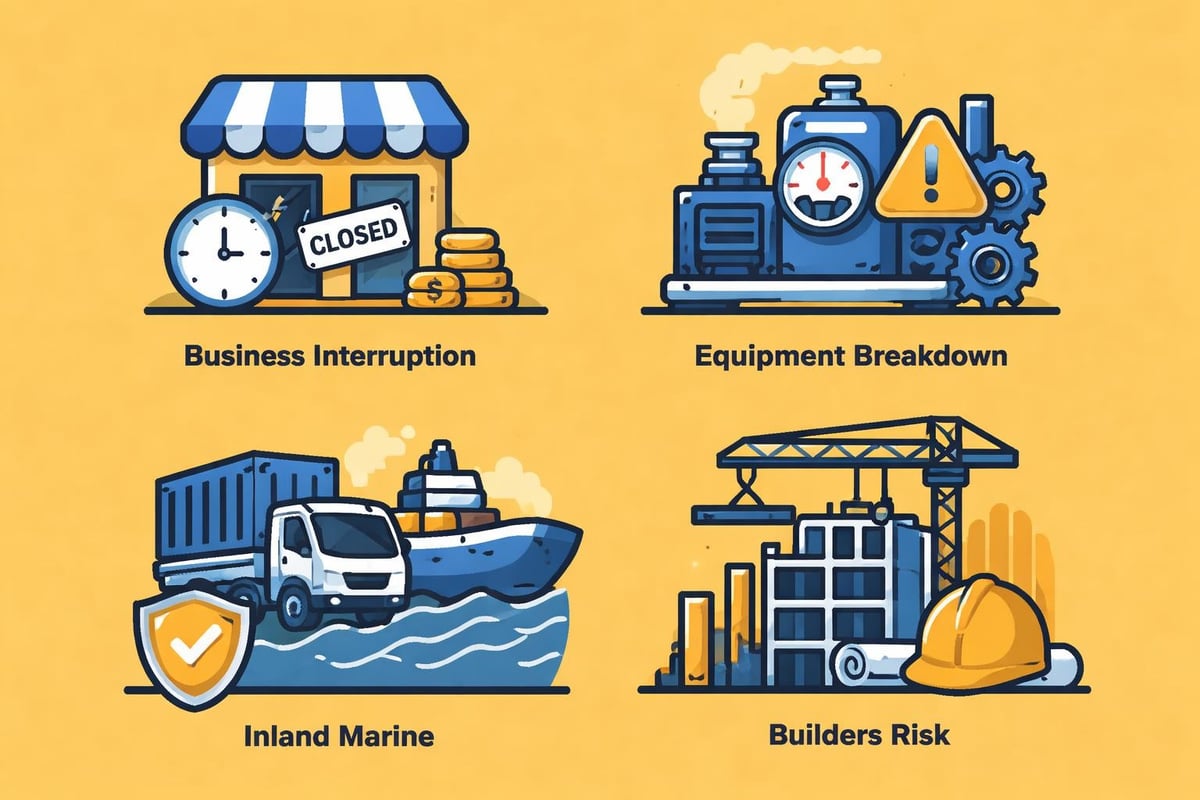
Business interruption insurance, also called business income coverage, compensates for lost revenue when property damage forces temporary closure. This coverage proves crucial for businesses with thin profit margins or significant fixed expenses. The Virginia State Corporation Commission highlights business interruption as an essential consideration for commercial insurance buyers.
Equipment breakdown coverage addresses mechanical and electrical failures not covered under standard property policies. When heating systems, refrigeration units, or production machinery fail, this coverage pays for repairs and lost business income during downtime.
Inland Marine and Builders Risk Insurance
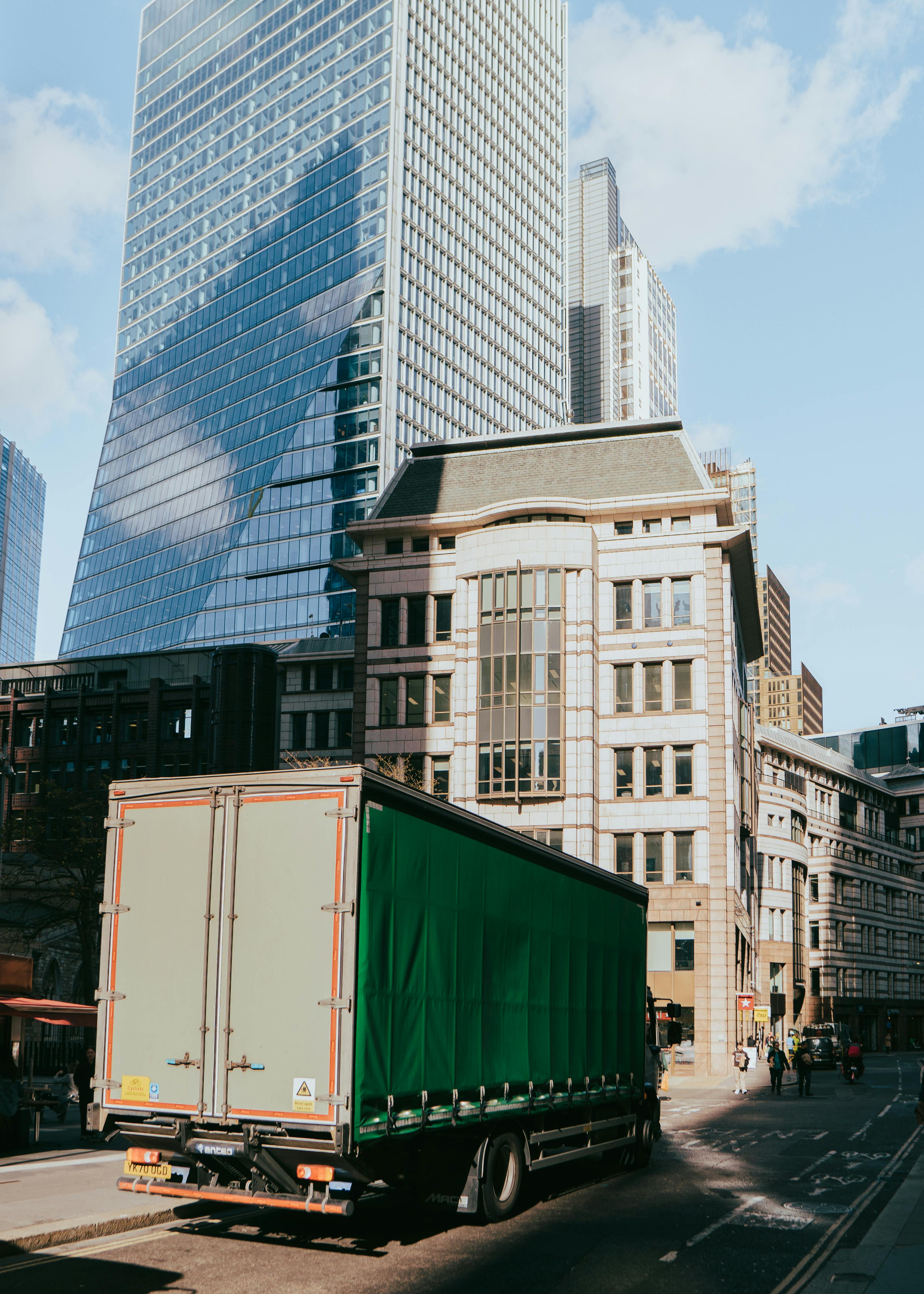
Inland marine coverage protects property in transit or located away from your primary business premises. This specialised coverage suits businesses that transport goods, use mobile equipment, or maintain inventory at multiple locations. Coverage can include contractors' tools and equipment, goods in transit, and valuable papers and records.
Builder's risk insurance provides essential protection during construction projects. Whether you're constructing a new facility or undertaking major renovations, this temporary coverage protects the structure, materials, and equipment on-site. Miller & Partner Limited specialises in matching businesses with appropriate coverage for construction-related risks, ensuring projects proceed with confidence. Getting a quick quote helps you understand available options quickly.

Additional coverage options worth considering:
Ordinance or law coverage for building code upgrades
Utility service interruption protection
Accounts receivable coverage
Electronic data and media restoration
Outdoor property protection
Tenant improvements and betterments
Risk Assessment and Underwriting Considerations
Insurers evaluate numerous factors when pricing commercial property coverage. Understanding these elements helps businesses present their risk favourably and potentially secure better premiums.
Property construction and occupancy significantly influence rates. Buildings constructed with fire-resistant materials like concrete and steel attract lower premiums than wood-frame structures. The Washington Surveying and Rating Bureau explains how underwriters use detailed property reports to assess fire-insurance risk accurately.
Location matters tremendously. Properties in areas prone to natural disasters, high crime rates, or limited fire protection face higher premiums. Distance from fire hydrants and fire stations affects rates, as does the availability of professional emergency services.
Protection and Prevention Measures
Implementing robust loss prevention measures can substantially reduce insurance costs whilst enhancing overall business safety. Insurers reward proactive risk management through premium discounts.
Effective loss prevention strategies include:
Installing automatic sprinkler systems throughout the property
Maintaining monitored burglar and fire alarm systems
Implementing regular property maintenance programmes
Training staff in emergency response procedures
Securing high-value items in safes or vaults
Upgrading electrical and heating systems
Installing security cameras and access control systems
Many businesses find that investing in loss prevention technology delivers dual benefits: reduced insurance premiums and fewer actual losses. The savings often offset the initial investment within several years.
Policy Structure and Common Exclusions
Commercial property coverage policies follow standardised formats, though specific terms vary between insurers. Most policies contain declarations, insuring agreements, conditions, and exclusions sections. Understanding each component prevents surprises during claims.
The declarations page specifies covered property, policy limits, deductibles, and premium amounts. This section identifies your business, describes covered locations, and lists any optional coverages or endorsements.
Conditions outline both your obligations and the insurer's responsibilities. Common conditions require prompt loss notification, cooperation during investigations, and maintaining adequate records. Failure to comply with policy conditions can jeopardise claim payments.
Standard Exclusions to Recognise
Nearly all commercial property policies exclude certain perils and circumstances. Flood damage requires separate coverage through specialist insurers. Earthquake protection similarly demands additional coverage in most policies.
Policies typically exclude losses from ordinance or law enforcement unless specifically endorsed. If building codes change after construction, and damaged property must be upgraded to current standards, basic coverage may not pay the additional costs.
Common exclusions across commercial property policies:
War and military action
Nuclear hazard and radioactive contamination
Government seizure or destruction of property
Dishonest acts by employees or business owners
Wear and tear, deterioration, and mechanical breakdown
Pollution and environmental contamination
Earth movement including landslide and subsidence
When reviewing commercial insurance options, carefully examine exclusions to identify coverage gaps requiring additional policies or endorsements.
Navigating Claims and Documentation Requirements
Effective claims management begins long before loss occurs. Maintaining detailed property records, photographs, and valuation documentation expedites claim settlement and ensures accurate reimbursement.
Create a comprehensive inventory listing all business property, including purchase dates, costs, and current values. Photograph or video record assets periodically, storing copies off-site or in cloud storage. These records prove invaluable when reconstructing losses after major disasters.
When loss occurs, notify your insurer immediately. Most policies require notification within specified timeframes, and delays can complicate claims. Take reasonable steps to prevent additional damage, such as covering roof openings or boarding broken windows. Preserve damaged property for insurer inspection whilst documenting the loss through photographs.
Essential steps during the claims process:
Contact your insurance broker and insurer immediately
Document the damage thoroughly with photos and written descriptions
Separate damaged property from undamaged items
Provide detailed inventories of affected property
Retain damaged items until the insurer authorises disposal
Keep records of emergency repairs and temporary protection costs
Maintain communication with adjusters throughout the process
The LexisNexis guide on commercial property insurance provides comprehensive information about coverage exclusions and causes of loss, helping businesses understand their rights during claims.
Coordinating Property Coverage with Other Policies
Commercial property coverage rarely stands alone. Most businesses maintain multiple insurance policies working together to provide comprehensive protection. Understanding how these policies interact prevents coverage gaps and duplicate coverage.
Commercial general liability insurance addresses third-party bodily injury and property damage claims. Whilst property coverage protects your assets, liability insurance protects against claims from others. These policies complement rather than overlap each other.
Professional indemnity insurance, relevant for service businesses, covers claims arising from professional advice or services. If you provide professional services requiring specialised coverage, coordinating property and professional indemnity policies ensures holistic protection.
Bundled Coverage Options
Many insurers offer package policies combining property and liability coverage. Business owner's policies bundle these protections at reduced premiums compared to purchasing separately. These packages suit small to medium businesses with straightforward risk profiles.
For larger or more complex operations, owner-controlled insurance programmes might provide superior coverage during construction projects. These comprehensive programmes coordinate multiple coverage types under unified administration.

Industry-Specific Coverage Considerations
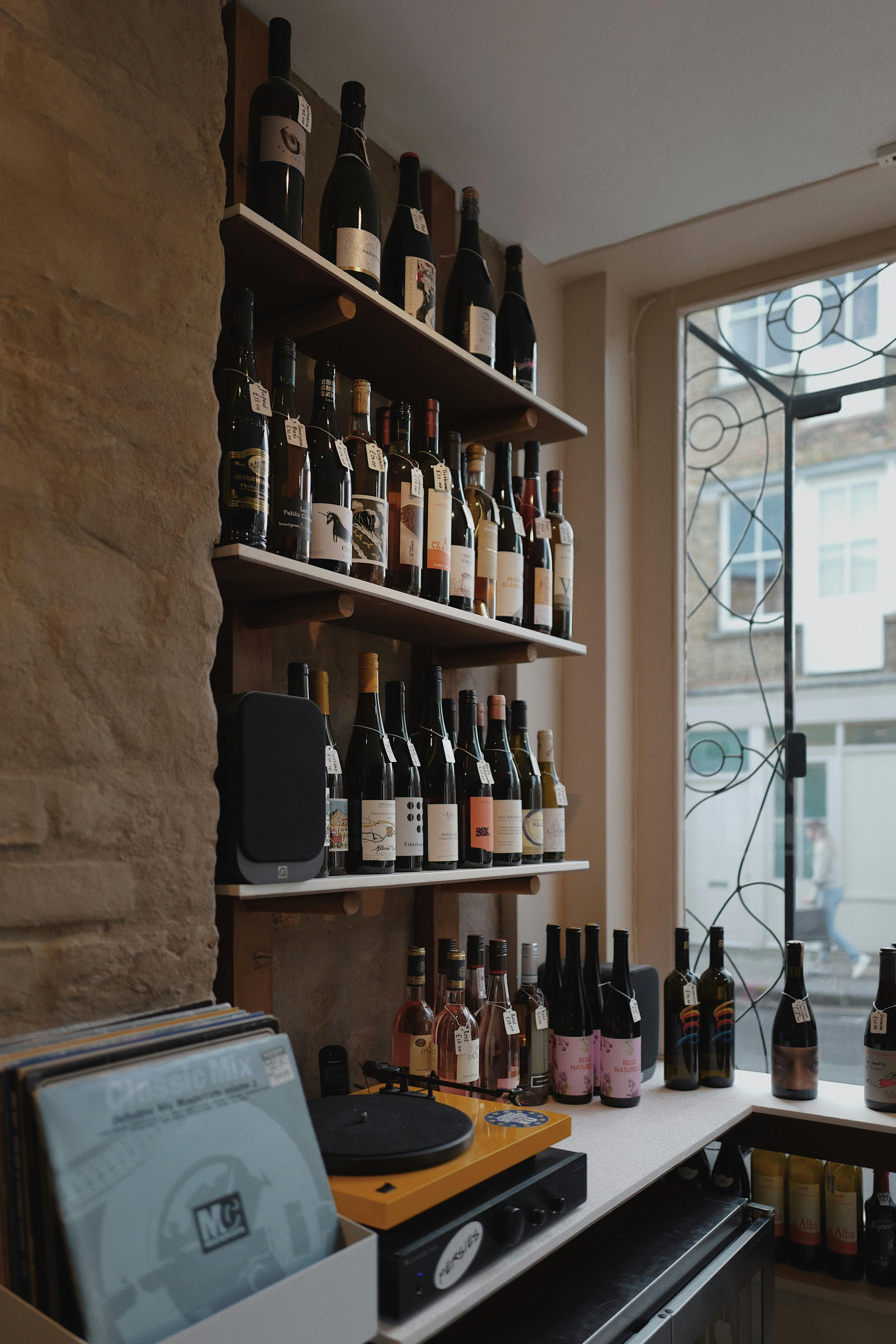
Different industries face unique property risks requiring tailored coverage approaches. Manufacturers maintain expensive machinery vulnerable to breakdown and business interruption. Retailers stock substantial inventory exposed to theft and damage. Service businesses often lease premises requiring leasehold improvement coverage.
Hospitality businesses, including hotels and restaurants, face distinct exposures from cooking equipment, guest property, and liquor liability. Specialist policies addressing these risks often prove more suitable than standard commercial property coverage.
Technology businesses, particularly those involved in 3D printing operations, require coverage for sophisticated equipment and intellectual property. Standard policies may inadequately address these emerging technology risks.
Industry-specific coverage enhancements:
Product contamination coverage for food businesses
Spoilage coverage for refrigerated goods
Fine arts and collectibles coverage for galleries
Bailee's coverage for property repair businesses
Data breach coverage for technology companies
Businesses should consult experienced insurance brokers familiar with their industry when structuring commercial property coverage. Industry expertise ensures appropriate coverage selection and adequate limits.
Frequently Asked Questions
What's the difference between commercial property coverage and commercial property insurance?
The terms are often used interchangeably. Commercial property coverage refers to the specific protection within a policy addressing property damage and loss. Commercial property insurance describes the complete policy providing this coverage, which may include additional protections like business interruption.
Does commercial property coverage protect against flood damage?
Standard commercial property policies exclude flood damage. Businesses requiring flood protection must purchase separate flood insurance through specialist providers or government-backed programmes. This additional coverage proves essential for properties in flood-prone areas.
How often should I review my commercial property coverage limits?
Annual reviews ensure coverage keeps pace with property values, business growth, and inflation. Major events triggering immediate reviews include property purchases, significant equipment investments, business expansions, and substantial inventory increases. Regular reviews prevent underinsurance that could leave you vulnerable during claims.
Can I insure property I don't own?
Yes, through various mechanisms. Tenants can insure leasehold improvements made to rented premises. Businesses can insure customer property temporarily in their care. Contractors can insure property during renovation or construction. The key is demonstrating insurable interest in the property.
What happens if I'm underinsured when a claim occurs?
Many policies include coinsurance clauses penalising underinsurance. If you insure property for less than the required percentage of its value (commonly 80%), claim payments are reduced proportionally. For example, insuring a £100,000 building for only £60,000 when £80,000 is required means receiving just 75% of covered losses, regardless of claim size.
Commercial property coverage provides essential financial protection for businesses of all sizes, safeguarding the physical assets that enable daily operations and long-term growth. From understanding valuation methods to recognising industry-specific risks, selecting appropriate coverage requires careful consideration of your unique business circumstances. Whether you need protection for owned buildings, leased premises, equipment, or inventory, matching your exposure with the right policy structure prevents devastating financial consequences when unexpected losses occur. Miller & Partner Limited specialises in connecting businesses with commercial property coverage tailored to their specific needs, ensuring you maintain the protection necessary for confident business operation.