



Insurance Business Insurance: Essential Cover Guide
Running any enterprise requires careful consideration of potential risks that could threaten operations, finances, and long-term viability. Insurance business insurance serves as a critical safety net, protecting companies from unexpected events that could otherwise prove devastating. Whether you're a startup founder, an established business owner, or managing a growing enterprise, understanding the landscape of commercial insurance coverage is fundamental to sustainable business operations. As businesses face increasingly complex risks in 2026, from cyber threats to supply chain disruptions, comprehensive insurance protection has become not just advisable but essential.
Understanding Insurance Business Insurance Fundamentals
Insurance business insurance encompasses a broad range of coverage types designed to protect commercial enterprises from various operational risks. At its core, this protection addresses financial losses arising from property damage, liability claims, employee injuries, professional errors, and business interruptions.
The commercial insurance marketplace has evolved significantly, with the number of businesses requiring coverage expanding across multiple sectors. Modern insurance business insurance policies offer modular coverage options that allow businesses to tailor protection to their specific industry requirements and risk profiles.
Core Components of Business Protection
Every enterprise faces unique challenges, but certain coverage areas form the foundation of comprehensive insurance business insurance programmes:
Public Liability Insurance: Protects against third-party injury and property damage claims
Employers' Liability Insurance: Legally required coverage for businesses with employees, addressing workplace injury claims
Professional Indemnity Insurance: Essential for service-based businesses, covering claims of professional negligence or errors
Property Insurance: Safeguards physical assets including buildings, equipment, and stock
Business Interruption Insurance: Covers lost income during periods when operations cease due to insured events

Understanding these fundamentals enables business owners to identify gaps in their current protection and make informed decisions about coverage levels.
Why Businesses Need Comprehensive Insurance Coverage
The financial implications of operating without adequate insurance business insurance can be catastrophic. A single liability claim, property fire, or cyber attack could potentially bankrupt an uninsured or underinsured business. Research shows that businesses without proper insurance face significant financial vulnerability, particularly during economic uncertainty.
Financial Protection Beyond Basic Cover
Modern businesses encounter risks that extend far beyond traditional concerns. Cyber breaches, regulatory compliance failures, and reputational damage present new challenges requiring specialised coverage. Insurance business insurance has adapted to address these contemporary threats.
Legal compliance: Certain types of coverage are legally mandated, particularly employers' liability for businesses with staff
Client requirements: Many contracts require proof of specific insurance levels before engagement
Financial stability: Insurance protection prevents single incidents from destroying years of business growth
Peace of mind: Comprehensive cover allows business owners to focus on growth rather than constant worry about potential disasters
Professional service providers, including those offering professional indemnity coverage, increasingly require evidence of appropriate insurance business insurance before commencing projects.
Types of Insurance Business Insurance Available
The commercial insurance landscape offers numerous specialised coverage options designed for specific industries and risk profiles. Understanding which types apply to your enterprise is crucial for building effective protection.
Industry-Specific Coverage Solutions
Different sectors face unique risks requiring tailored insurance business insurance approaches:
Retail businesses: Stock protection, public liability, and theft cover
Professional services: Professional indemnity, cyber liability, and directors' and officers' insurance
Manufacturing: Product liability, equipment breakdown, and supply chain insurance
Hospitality: Public liability, property damage, and event cancellation cover
Technology companies: Cyber insurance, professional indemnity, and intellectual property protection
Sectors such as commercial property ownership require specialised policies addressing tenant-related risks, building damage, and loss of rental income.
Packaging Policies for Comprehensive Protection
Many insurers offer combined policies that bundle multiple coverage types into single packages. These commercial combined policies typically include public liability, employers' liability, and property insurance as standard, with options to add specialist cover.
Cost efficiency: Bundled policies often cost less than purchasing individual coverage types separately
Administrative simplicity: One policy document and renewal date simplifies management
Comprehensive protection: Pre-designed packages ensure no critical coverage gaps
Customisation options: Add-on modules allow businesses to tailor standard packages to specific needs
Assessing Your Insurance Business Insurance Requirements
Determining appropriate coverage levels requires systematic evaluation of your business's risk exposure. This process involves identifying potential threats, estimating financial impact, and matching coverage to risk tolerance and budget constraints.
Risk Assessment Methodology
Effective insurance business insurance planning begins with thorough risk analysis. Business owners should document all activities, assets, and stakeholder relationships that could generate liability or loss exposure.
Consider operational factors including:
Revenue and turnover: Higher revenues typically require increased coverage limits
Employee numbers: Staff levels influence employers' liability requirements and premium calculations
Physical assets: Property value determines necessary building and contents insurance levels
Client interactions: Customer-facing businesses need robust public liability protection
Data handling: Businesses processing personal information require cyber insurance consideration
Commercial insurance brokers specialise in helping businesses identify coverage gaps and recommend appropriate insurance business insurance solutions tailored to specific operational contexts.
Coverage Limit Calculations
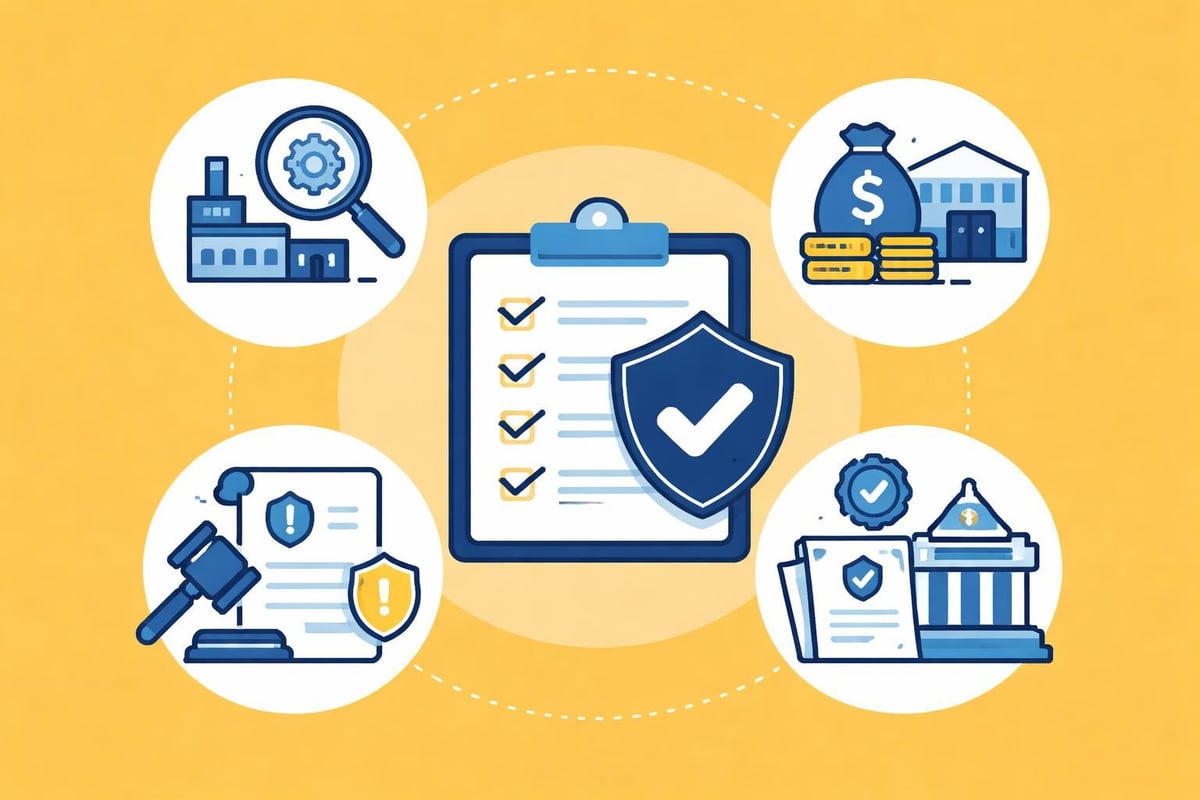
Determining appropriate coverage limits requires balancing adequate protection against premium affordability. Insufficient limits leave businesses exposed to catastrophic losses, whilst excessive coverage wastes resources.
Historical claims data: Review industry claim statistics to understand typical loss scenarios
Asset replacement costs: Calculate full replacement value for property and equipment
Contract requirements: Review client contracts for minimum insurance specifications
Regulatory minimums: Ensure compliance with legal requirements, particularly for employers' liability
Growth projections: Consider future expansion when setting multi-year policy terms
Navigating the Insurance Purchasing Process
Acquiring appropriate insurance business insurance involves multiple steps, from initial research through policy selection and ongoing management. Understanding this process helps businesses secure optimal coverage at competitive rates.
Working with Insurance Brokers
Commercial insurance brokers provide invaluable expertise in navigating complex coverage options. Unlike direct insurers representing single companies, brokers access multiple markets to identify best-fit solutions.
Market access: Brokers work with numerous insurers, comparing coverage and pricing across providers
Expert guidance: Experienced brokers understand industry-specific risks and appropriate coverage types
Claims support: Quality brokers assist throughout the claims process, advocating for clients
Policy management: Brokers handle renewals, amendments, and ongoing policy maintenance
Cost efficiency: Broker market knowledge often secures better terms than direct approaches
When you need tailored coverage that matches your specific business profile, obtaining a quick quote from specialist brokers streamlines the process whilst ensuring comprehensive protection.

Comparing Insurance Business Insurance Quotes
Once you've identified required coverage types, comparing quotes from multiple providers ensures competitive pricing and appropriate terms. However, the cheapest option rarely represents best value.
Key comparison factors include:
Coverage scope: Verify exact protections included and any exclusions or limitations
Policy limits: Compare maximum claim amounts and sub-limits for specific coverage sections
Excess amounts: Higher excesses reduce premiums but increase out-of-pocket costs when claiming
Insurer reputation: Research claim settlement track records and financial stability ratings
Additional services: Consider value-added benefits like legal helplines or risk management support
Common Insurance Business Insurance Mistakes to Avoid
Many businesses make preventable errors when purchasing or managing insurance business insurance, potentially leaving themselves exposed to significant financial risk. Awareness of these pitfalls helps ensure robust protection.
Underinsurance and Coverage Gaps
Perhaps the most dangerous mistake is purchasing insufficient coverage limits or failing to include necessary policy sections. This often occurs when businesses prioritise premium savings over adequate protection.
Declaring accurate information: Providing incorrect turnover or employee figures can invalidate policies
Reading exclusions carefully: Understanding what isn't covered prevents unpleasant surprises during claims
Reviewing annually: Business changes throughout the year may require mid-term policy adjustments
Considering all scenarios: Think beyond obvious risks to identify less apparent exposures
Professional advice: Consult insurance professionals rather than relying solely on online comparisons
Failing to Update Policies
Business circumstances change constantly. Expanding operations, hiring staff, acquiring new premises, or launching new products all impact insurance business insurance requirements. Failing to notify insurers of material changes can result in claim rejection.
Regular policy reviews ensure coverage remains aligned with current business operations. Annual renewals provide natural review points, but significant mid-year changes warrant immediate insurer notification.
Industry-Specific Insurance Business Insurance Considerations
Different sectors face unique risk profiles requiring specialised insurance business insurance approaches. Understanding industry-specific requirements ensures appropriate protection.
Professional Services Sector
Consultants, accountants, solicitors, and other professional service providers face particular exposure to negligence claims. Professional indemnity insurance forms the cornerstone of protection for these businesses.
Regulatory requirements: Many professional bodies mandate minimum indemnity levels
Retroactive cover: Protection for past work performed before policy inception
Run-off cover: Continued protection after business cessation
Reputation management: Some policies include PR support following claims
Legal defence costs: Coverage for defending claims even when unfounded
Retail and Hospitality Businesses
Customer-facing enterprises require robust public liability protection alongside property and stock insurance. These businesses face particular exposure to slip-and-trip claims and food safety issues.
Specialist policies for sectors like pubs and restaurants address unique industry challenges including licensing risks and seasonal trading patterns.
Technology and Digital Businesses
Modern technology companies face cyber risks, intellectual property disputes, and professional liability exposure. Traditional insurance business insurance often inadequately addresses these contemporary threats.
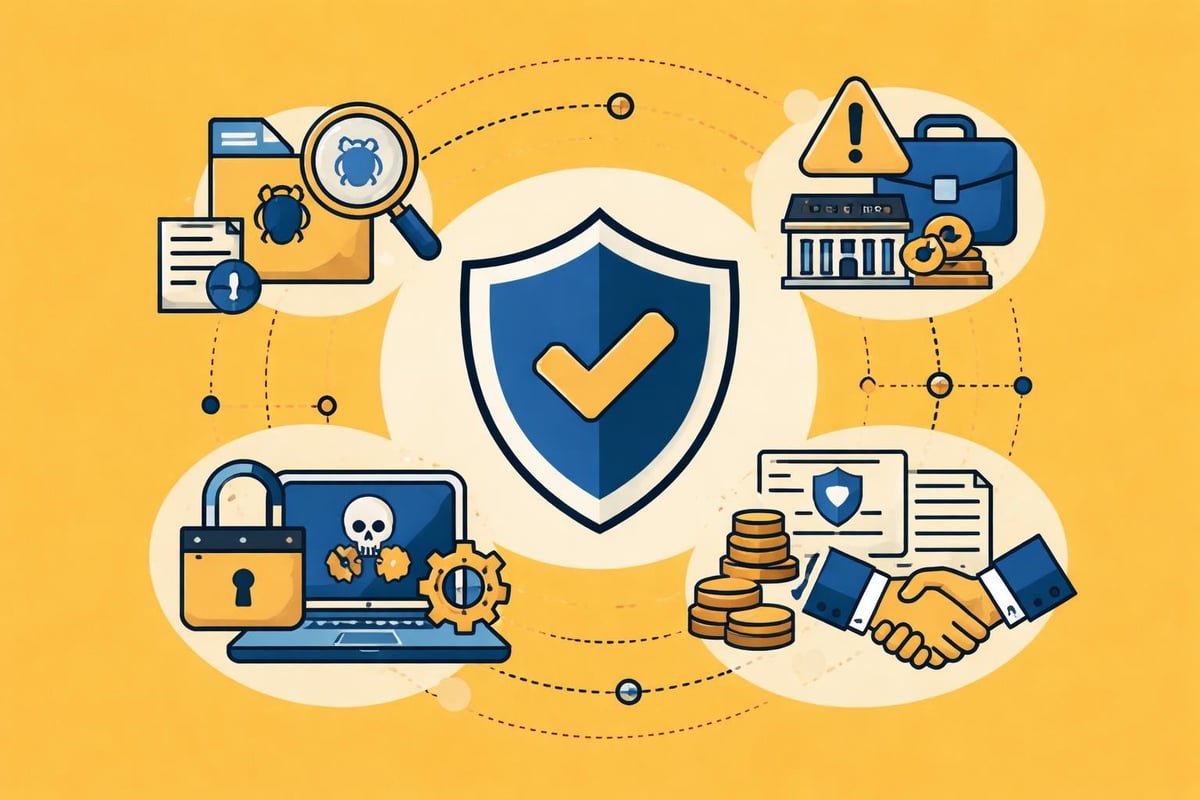
Cyber liability: Protection against data breaches, ransomware, and system failures
Technology errors and omissions: Coverage for software failures and technology service interruptions
Intellectual property defence: Legal protection for IP infringement claims
Media liability: Protection against defamation and copyright infringement allegations
The Role of Excess and Deductibles
Insurance business insurance policies typically include excess provisions requiring policyholders to contribute towards claims. Understanding how excesses work influences both premium costs and claims experience.
Voluntary and Compulsory Excesses
Insurers impose compulsory excesses on certain coverage types, particularly those prone to frequent small claims. Policyholders can often elect voluntary excesses to reduce premiums.
Premium reduction: Higher voluntary excesses significantly decrease annual insurance costs
Claims frequency: Businesses with good risk management may benefit from higher excesses
Cash flow implications: Ensure excess levels align with available working capital
Per-claim basis: Remember excesses apply to each individual claim, not annually
Different excess levels: Various policy sections may have different excess amounts
Claims Management and Best Practices
Even with comprehensive insurance business insurance, effective claims management ensures smooth settlements and maintains insurer relationships. Understanding the claims process proves invaluable during stressful post-incident periods.
Immediate Post-Incident Actions
When incidents occur, prompt appropriate action protects both safety and insurance position. Delay and poor documentation can complicate or jeopardise claims.
Ensure safety: Prioritise people's wellbeing before property or business concerns
Document everything: Photograph damage, collect witness statements, and preserve evidence
Notify insurers promptly: Most policies require immediate or rapid incident notification
Avoid admitting liability: Let insurers and legal professionals handle fault determinations
Maintain records: Keep detailed accounts of incident circumstances and subsequent actions
Working Through the Claims Process
Insurance business insurance claims follow structured processes from notification through settlement. Understanding expectations helps businesses navigate efficiently.
Typical claim stages include initial notification, investigation and assessment, validation and coverage determination, settlement negotiation, and final payment. Throughout this process, maintain regular communication with insurers and brokers, provide requested information promptly, and document all conversations and correspondence.
Cost Factors Affecting Insurance Business Insurance Premiums
Multiple variables influence insurance business insurance costs. Understanding these factors helps businesses identify opportunities to reduce premiums whilst maintaining adequate coverage.
Business-Specific Rating Factors
Insurers assess numerous business characteristics when calculating premiums:
Industry sector: High-risk industries pay higher premiums than low-risk sectors
Turnover and revenue: Premium calculations often use turnover as a base rating factor
Claims history: Previous claims significantly impact future premium levels
Risk management: Demonstrable safety procedures and risk controls reduce costs
Location: Business premises location affects property and liability premium calculations
Market Conditions and Trends
Broader insurance market dynamics impact pricing beyond individual business factors. The commercial insurance market experiences cyclical patterns affecting premium levels across all businesses.
Hard markets (where capacity reduces and prices rise) and soft markets (with abundant capacity and competitive pricing) alternate periodically. Current market conditions in 2026 show stabilisation following the hardening experienced in previous years, though cyber insurance remains in a challenging rating environment.
Regulatory Compliance and Insurance Business Insurance
Certain insurance business insurance types are legally mandated in the UK, whilst others, though not compulsory, are effectively essential due to contractual or professional requirements.
Legally Required Coverage
Employers' liability insurance is mandatory for any business employing staff, with minimum coverage of £5 million (though £10 million is standard). Operating without this protection can result in daily fines of up to £2,500.
Motor insurance is compulsory for any vehicle used for business purposes, with minimum third-party cover required by law. Professional indemnity insurance, whilst not universally mandatory, is required by many professional regulatory bodies.
Contractual Insurance Requirements
Beyond legal obligations, commercial contracts frequently specify minimum insurance requirements. Clients commissioning work commonly require evidence of:
Public liability: Typically £5 million minimum, often £10 million for larger contracts
Professional indemnity: Varies by sector, commonly £1-10 million depending on project value
Employers' liability: Standard £10 million cover
Product liability: For businesses manufacturing or supplying goods
Getting business insurance early in your business journey ensures compliance and positions you to pursue larger opportunities requiring proof of coverage.
Emerging Risks and Modern Insurance Business Insurance
The risk landscape evolves continuously, with new threats emerging alongside technological advancement and changing business practices. Modern insurance business insurance adapts to address contemporary challenges.
Cyber and Technology Risks
Cyber threats represent one of the fastest-growing risk categories facing businesses in 2026. Ransomware attacks, data breaches, and system failures can devastate operations and finances.
Specialist cyber insurance policies address:
Data breach response costs: Legal advice, notification expenses, and credit monitoring for affected individuals
Business interruption: Lost income during system downtime
Cyber extortion: Ransomware payments and negotiation costs
Regulatory fines: Penalties for GDPR and data protection violations
Reputation management: PR support following cyber incidents
Environmental and Climate Risks
Climate change impacts business operations through increased severe weather events, flooding, and supply chain disruptions. Insurance business insurance increasingly incorporates climate risk considerations.
Businesses should consider flood risk assessments for premises, business interruption extensions covering supply chain failures, and environmental liability coverage for pollution incidents.
Supply Chain Vulnerabilities
Global supply chain disruptions experienced in recent years highlight business interdependence. Modern insurance business insurance includes contingent business interruption coverage protecting against supplier or customer failures.
Frequently Asked Questions About Insurance Business Insurance
What is the difference between business insurance and commercial insurance?
Business insurance and commercial insurance are essentially the same thing, with both terms referring to insurance coverage designed to protect businesses from various operational risks. Commercial insurance is typically used to describe policies for larger enterprises or specific sectors, whilst business insurance is a broader term encompassing all business-related coverage. Both include protections such as public liability, employers' liability, professional indemnity, and property insurance tailored to business needs.
How much does insurance business insurance typically cost?
Insurance business insurance costs vary enormously based on industry, turnover, employee numbers, coverage types, and claim history. A small consultancy with minimal risk might pay £500-1,500 annually for basic cover, whilst a medium-sized manufacturer could face premiums of £5,000-20,000 or more. High-risk industries or businesses requiring specialist coverage may pay substantially more. The best approach is obtaining tailored quotes based on your specific business profile rather than relying on generic estimates.
Can I operate my business without insurance?
Whilst some insurance types are optional, employers' liability insurance is legally mandatory for businesses with employees. Motor insurance is required for business vehicles. Beyond legal requirements, operating without adequate insurance business insurance exposes your business to potentially catastrophic financial losses from liability claims, property damage, or business interruption. Most clients and contracts also require proof of insurance, meaning lack of cover limits business opportunities significantly.
How often should I review my insurance business insurance?
Annual policy renewal provides a natural review point, but businesses should assess coverage whenever significant changes occur. This includes hiring employees, expanding premises, launching new products or services, entering new markets, or experiencing substantial revenue growth. Quarterly reviews help ensure coverage remains aligned with evolving business operations. Major incidents or near-misses also warrant immediate policy reviews to identify potential coverage gaps.
What happens if I make a claim on my insurance business insurance?
When you make a claim, you must notify your insurer promptly (typically within a specified timeframe in your policy). The insurer will appoint a claims handler to investigate the incident, assess coverage, and validate the claim. This process may involve providing documentation, photos, witness statements, and financial records. If the claim is accepted, the insurer will either repair/replace damaged property, settle financial losses, or defend liability claims on your behalf. Your policy excess will be deducted from settlement amounts. Claims can affect future premiums, though this depends on claim type and fault determination.
Protecting your business with comprehensive insurance business insurance ensures operational continuity and financial stability when unexpected events occur. The complexity of modern commercial insurance requires expert guidance to navigate effectively. Miller & Partner Limited specialises in matching businesses with appropriate coverage across all sectors, ensuring you have the protection needed to operate confidently and grow sustainably.