


Property Insurance for Commercial Property in 2026
Property insurance for commercial property represents one of the most critical financial safeguards for businesses operating in the United Kingdom. Whether you own a retail shop, warehouse, office building, or manufacturing facility, protecting your physical assets against damage, theft, and business disruption forms the foundation of sound risk management. This comprehensive coverage extends beyond simple building protection to encompass equipment, inventory, furnishings, and even the financial consequences of operational downtime. Understanding the intricacies of commercial property insurance enables business owners to make informed decisions that protect their investments and ensure continuity when unexpected events occur.
Understanding Commercial Property Insurance Coverage
Commercial property insurance provides financial protection for the physical assets that businesses own or lease. This coverage addresses damage or loss resulting from various perils, including fire, theft, vandalism, storm damage, and other specified risks.
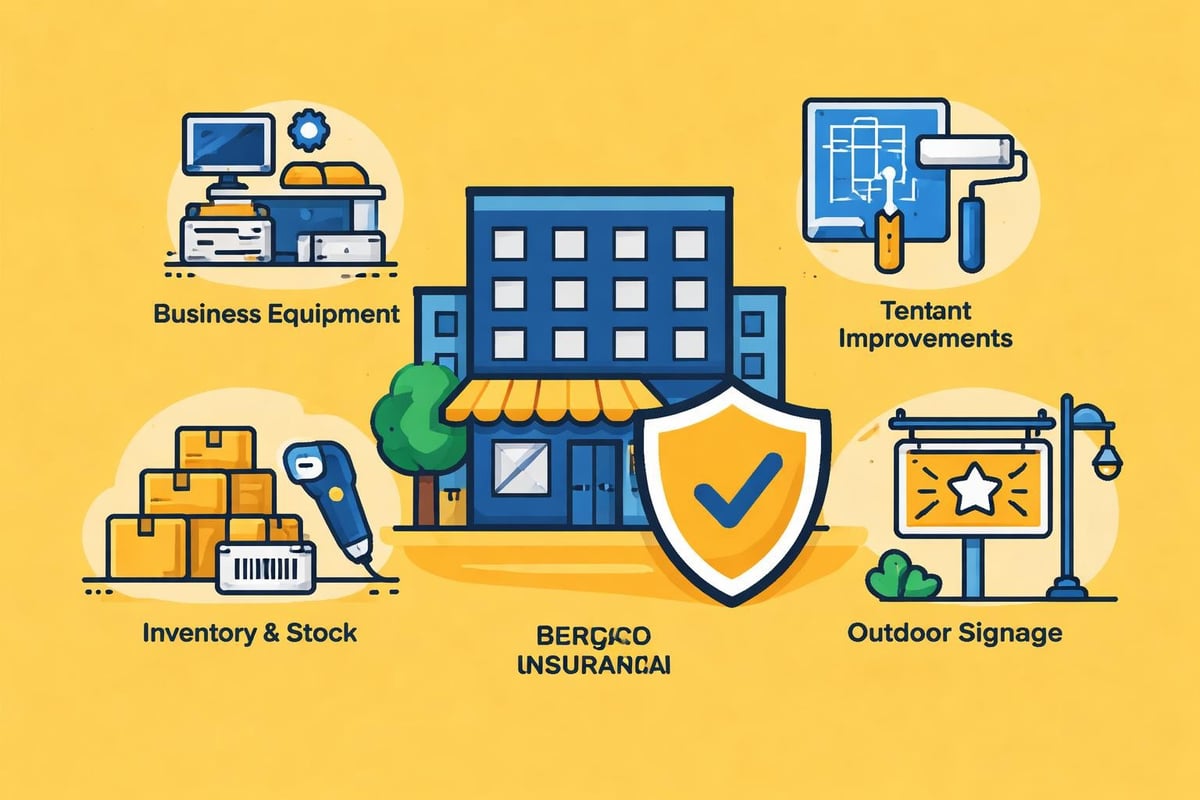
The scope of property insurance for commercial property typically encompasses several distinct categories of assets. Buildings themselves represent the most obvious component, covering the physical structure, permanent fixtures, and integral building systems. Business personal property includes furniture, equipment, machinery, computers, and inventory held for sale or use in operations.
Types of Coverage Forms
When selecting property insurance for commercial property, businesses encounter three primary coverage forms, each offering different levels of protection:
Basic Form: Covers specifically named perils such as fire, lightning, explosion, windstorm, hail, smoke, vandalism, and theft
Broad Form: Includes all basic form perils plus additional risks like falling objects, weight of snow or ice, and water damage from plumbing systems
Special Form: Provides all-risk coverage, protecting against all perils except those specifically excluded in the policy
The special form coverage represents the most comprehensive option, shifting the burden to insurers to prove a loss falls under an exclusion rather than requiring policyholders to demonstrate coverage under a named peril. This broader protection proves particularly valuable for businesses facing diverse operational risks.
Valuation Methods for Property Insurance
Determining how insurers calculate claim payments represents a crucial consideration when purchasing property insurance for commercial property. Two primary valuation methods exist, each with distinct implications for claim settlements.
Replacement Cost Coverage pays to repair or replace damaged property with new items of similar kind and quality, without deducting for depreciation. This valuation method ensures businesses can fully restore their operations to pre-loss condition, though it typically commands higher premiums than alternatives.
Actual Cash Value Coverage reimburses for replacement cost minus depreciation, reflecting the property's diminished value due to age, wear, and obsolescence. Whilst this option reduces premium costs, it may leave businesses with insufficient funds to purchase new replacements, potentially forcing operational compromises.
Most commercial insurance brokers recommend replacement cost coverage for essential business assets, ensuring adequate capital for complete recovery following significant losses. The Texas Department of Insurance guide provides detailed analysis of how these valuation methods affect claim outcomes in various scenarios.
Business Interruption and Loss of Income Protection
Property insurance for commercial property extends beyond physical damage to address the financial consequences of operational disruption. Business interruption insurance, often included or available as an endorsement, compensates for lost income when covered perils force temporary closure or reduced operations.
This coverage typically includes several components:
Lost net profit during the restoration period
Continuing fixed expenses such as rent, utilities, and employee salaries
Extra expenses incurred to minimise business interruption
Costs to temporarily relocate operations or rent alternative premises
The indemnity period-the timeframe during which business interruption coverage applies-requires careful consideration. Businesses should assess realistic recovery timelines, accounting for potential delays in obtaining building permits, sourcing specialised equipment, or rebuilding customer relationships.
For companies with seasonal revenue fluctuations or growing operations, appropriate business interruption limits prove essential. General commercial insurance often incorporates these provisions, ensuring comprehensive protection against both physical and financial losses.
Specialised Commercial Property Insurance Options
Beyond standard coverage, property insurance for commercial property encompasses several specialised options addressing unique business circumstances and operational risks.
Builder's Risk Insurance
Construction projects require builder's risk insurance, a specialised form of property insurance covering buildings under construction. This coverage protects against damage to structures, materials, and equipment during the building process, typically from commencement through completion or occupancy.
Builder's risk policies address risks specific to construction sites, including theft of materials, vandalism, fire, wind damage, and in some cases, faulty workmanship. Both property owners and contractors may purchase this coverage, depending on contractual arrangements and risk allocation agreements.
Inland Marine Insurance
Despite its maritime nomenclature, inland marine insurance provides property coverage for goods in transit, mobile equipment, and property regularly moved between locations. This specialised coverage proves essential for businesses with:
Equipment transported to client sites
Inventory shipped between warehouses and retail locations
Trade show displays and promotional materials
Contractor tools and machinery moved between job sites
The various types of commercial property insurance extend to these mobile assets, ensuring comprehensive protection regardless of location.
Equipment Breakdown Coverage
Mechanical and electrical equipment failures can halt operations without triggering traditional property damage coverage. Equipment breakdown insurance addresses this gap, covering repair or replacement costs when boilers, HVAC systems, computer equipment, or production machinery malfunction due to mechanical breakdown, electrical arcing, or operator error.
This coverage often includes business interruption provisions specific to equipment failures, compensating for lost income during repair periods. For manufacturing operations, food service establishments, and technology-dependent businesses, equipment breakdown protection represents a critical component of comprehensive property insurance for commercial property.
Factors Affecting Commercial Property Insurance Premiums
Understanding premium determinants enables businesses to manage insurance costs whilst maintaining adequate protection. Insurers evaluate multiple risk factors when pricing property insurance for commercial property.
Building Construction and Age: Newer buildings constructed with fire-resistant materials receive more favourable rates than older structures with combustible components. Masonry construction typically costs less to insure than wood-frame buildings.
Location and Exposure: Properties in areas prone to flooding, earthquakes, or high crime rates face elevated premiums. Proximity to fire stations and adequate water supply for firefighting may reduce costs.
Business Operations: The nature of activities conducted within the property significantly influences risk assessment. Manufacturing operations involving hazardous materials command higher premiums than office spaces, whilst restaurants face elevated fire risks compared to retail shops.
Security and Risk Management Measures: Installing sprinkler systems, fire alarms, security systems, and surveillance equipment demonstrates risk mitigation commitment, often qualifying for premium discounts. Regular maintenance programmes and employee safety training further support favourable pricing.
Claims History: Businesses with frequent or severe claims face higher premiums, whilst those maintaining clean claims records benefit from reduced rates and potential loyalty discounts.
For businesses seeking competitive rates whilst ensuring adequate protection, obtaining quotes through Miller & Partner Limited provides access to multiple insurers and policy options tailored to specific operational requirements.

Policy Exclusions and Coverage Limitations
Property insurance for commercial property contains standard exclusions that businesses must understand to avoid coverage gaps. Common exclusions include:
Flood damage (requiring separate flood insurance)
Earthquake and ground movement
Wear and tear, gradual deterioration, and inherent defects
Pollution and contamination
Acts of war and nuclear hazards
Intentional acts by the insured
Some perils excluded from standard policies may be added through endorsements or separate policies. Flood insurance, for instance, requires specific coverage through designated programmes or specialist insurers. Earthquake coverage similarly demands separate consideration in seismically active regions.

Coverage limits and sub-limits also warrant careful review. Whilst the overall policy limit may appear adequate, sub-limits for specific property categories-such as outdoor signs, money and securities, or valuable papers-may prove insufficient for actual exposure. The MoneyGeek guide to business property insurance explores these nuances in detail.
Business Owner's Policy Integration
Many small to medium-sized enterprises obtain property insurance for commercial property through a Business Owner's Policy (BOP), which packages property coverage with general liability insurance. This bundled approach offers several advantages:
Simplified procurement through a single policy
Reduced administrative burden with unified renewals and claims
Cost savings compared to purchasing separate policies
Coordinated coverage limits avoiding gaps or overlaps
BOPs typically include building and business personal property coverage, business interruption insurance, and liability protection. Additional coverages may be added through endorsements, customising the policy to specific business needs.
However, businesses with unique risks, high-value property, or specialised operations may find standalone property insurance for commercial property offers more tailored protection and higher limits than standard BOP provisions.
Tenant Improvements and Betterment Coverage
Businesses leasing commercial space rather than owning buildings face specific coverage considerations. Lease agreements typically assign responsibility for insuring the building structure to landlords, whilst tenants must protect their own interests in tenant improvements and betterments.
Tenant Improvements and Betterments include alterations, installations, or additions made to leased premises at the tenant's expense. Examples include:
Customised flooring or wall finishes
Specialised lighting or electrical systems
Built-in shelving or display fixtures
Partitions and office configurations
Enhanced HVAC or plumbing systems
Property insurance for commercial property designed for tenants covers these improvements, along with business personal property and potential business interruption losses. Coordination with landlord insurance ensures no coverage gaps exist between structural protection and tenant interests. Commercial property insurance specialists can navigate these divided responsibilities effectively.
Risk Assessment and Coverage Adequacy
Determining appropriate coverage limits for property insurance for commercial property requires comprehensive asset valuation and exposure analysis. Underinsurance-maintaining limits below actual property values-triggers coinsurance penalties, reducing claim payments proportionally even for partial losses.
Conducting regular property valuations ensures limits keep pace with inflation, renovation projects, and business growth. Professional appraisals provide documented values supporting adequate limits and facilitating smoother claims processes.
Business interruption limits demand careful projection of recovery timeframes and financial impacts. Consider:
Time required to repair or rebuild damaged facilities
Seasonal revenue variations affecting loss calculations
Lead times for replacing specialised equipment
Regulatory approval processes potentially extending restoration periods
The Business.com guide to commercial property insurance emphasises the importance of periodic coverage reviews, particularly following business expansions, equipment acquisitions, or operational changes.
Claims Process and Documentation Requirements
Understanding the claims process for property insurance for commercial property enables faster recovery and maximises settlement amounts. When losses occur, immediate actions prove critical:
Ensure safety and prevent further damage: Protect undamaged property from additional harm
Notify your insurer promptly: Report claims within timeframes specified in policy conditions
Document the loss thoroughly: Photograph damage, preserve evidence, and create detailed inventories
Obtain repair estimates: Gather multiple quotes for restoration work
Maintain records of business interruption: Track lost revenue and continuing expenses
Insurers typically dispatch adjusters to assess damage and verify coverage. Cooperation with this investigation whilst protecting your interests requires balancing transparency with documentation of your position.
Detailed inventory records maintained before losses significantly streamline claims processes. Photographic or video documentation of property, updated financial records, and current equipment lists support accurate valuations and expedite settlements.
Industry-Specific Property Insurance Considerations
Different business sectors face unique risks requiring tailored property insurance for commercial property approaches. Understanding industry-specific exposures ensures adequate protection.
Manufacturing and Industrial Operations: Face elevated risks from equipment failures, fire hazards, and supply chain disruptions. Coverage should address machinery breakdowns, raw material inventories, and extended business interruption periods.
Retail Businesses: Require protection for inventory, point-of-sale systems, and seasonal stock fluctuations. Crime coverage addressing employee theft and burglary proves essential, whilst glass coverage protects storefront windows.
Restaurants and Hospitality: Face significant fire risks from cooking operations, spoilage risks for perishable inventory, and potential liquor liability exposures. Equipment breakdown coverage for refrigeration and cooking equipment proves critical.
Technology and Professional Services: Whilst having lower physical property values, face substantial business interruption exposure from even brief operational disruptions. Data and electronic equipment coverage, along with cyber insurance, addresses modern risks.
For specialised operations ranging from 3D printing companies to craft breweries, working with brokers experienced in specific industries ensures appropriate coverage tailored to unique operational characteristics.
Frequently Asked Questions
What does property insurance for commercial property typically cost?
Premium costs vary significantly based on property value, location, construction type, business operations, and selected coverage limits. Small businesses might pay £500 to £2,000 annually, whilst larger operations with substantial property values may face premiums exceeding £10,000. Obtaining quotes specific to your circumstances provides accurate pricing.
Does commercial property insurance cover flooding?
Standard property insurance for commercial property typically excludes flood damage. Businesses in flood-prone areas require separate flood insurance through specialist providers or government-backed programmes. The Virginia commercial insurance guide explains these coverage distinctions.
How does the coinsurance clause affect claims?
Coinsurance clauses require businesses to maintain coverage equal to a specified percentage (typically 80% or 90%) of property value. Failing to meet this requirement results in proportional claim reductions, even for partial losses. If property valued at £500,000 requires 80% coinsurance (£400,000) but only £300,000 coverage exists, claims are reduced by 25%.
Can property insurance cover work-from-home employees' equipment?
Property insurance for commercial property can be extended to cover business equipment located at employees' homes through appropriate endorsements. This proves increasingly relevant with remote work arrangements. Standard homeowners insurance typically provides limited or no coverage for business property.
What happens if my business outgrows its current property insurance limits?
Regular policy reviews enable limit adjustments matching business growth. Significant acquisitions, expansions, or equipment purchases should trigger immediate coverage reviews to prevent underinsurance. The Mohr Agency guide recommends annual reassessments at minimum.
Does property insurance cover tenant improvements if I lease my premises?
Yes, property insurance for commercial property can be structured to cover tenant improvements and betterments. These policies protect your financial interest in modifications made to leased spaces, complementing landlord coverage for building structures.
Property insurance for commercial property provides essential financial protection against the physical and operational risks facing businesses today. Understanding coverage options, valuation methods, policy exclusions, and industry-specific considerations enables informed decisions that safeguard your assets and ensure business continuity. Whether you operate a small retail shop or manage multiple commercial properties, tailored insurance solutions matched to your specific risks prove invaluable. Miller & Partner Limited specialises in connecting businesses with appropriate commercial property insurance, ensuring comprehensive protection at competitive rates through access to multiple insurers and expert guidance throughout the policy selection process.