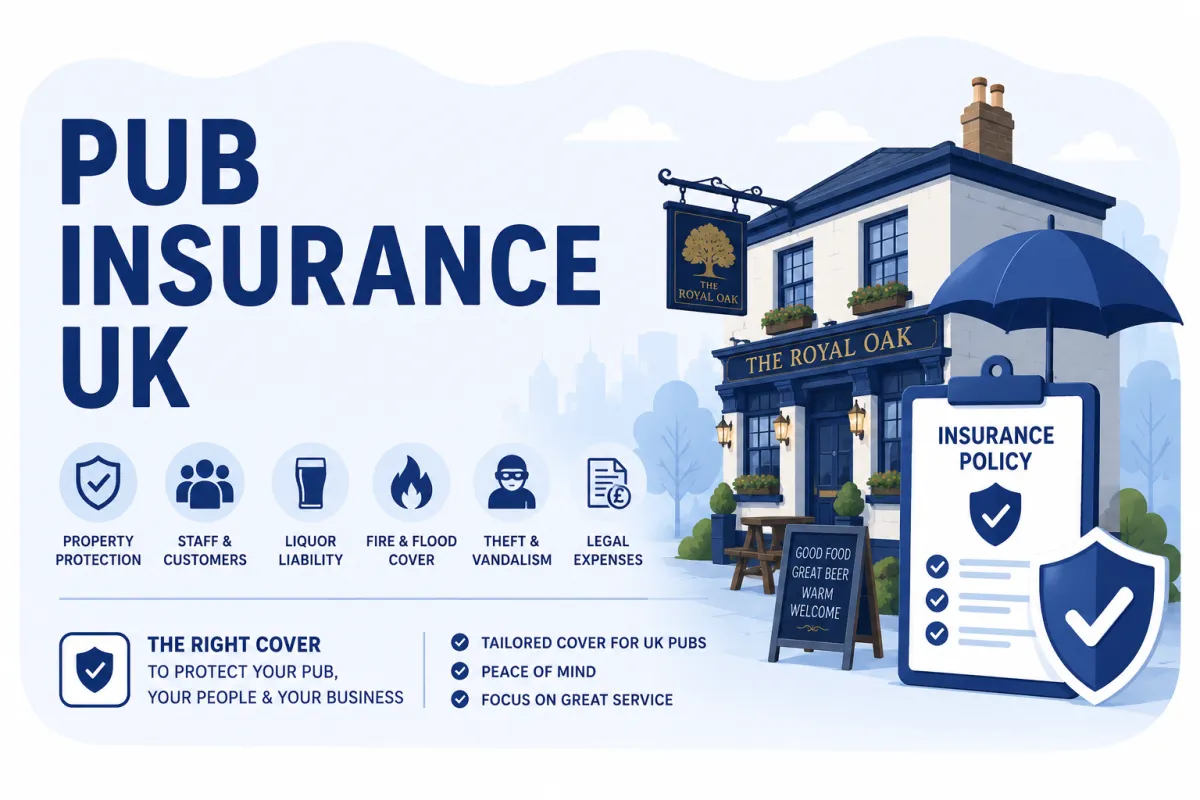
Pub Insurance UK

Pub Insurance UK: What Licensees Need in 2026 | Miller & Partner

December 07, 20259 min read

This is the number one guide for pubs insurance in the UK. We are experts at sourcing this insurance...

Custom HTML/CSS/JAVASCRIPT

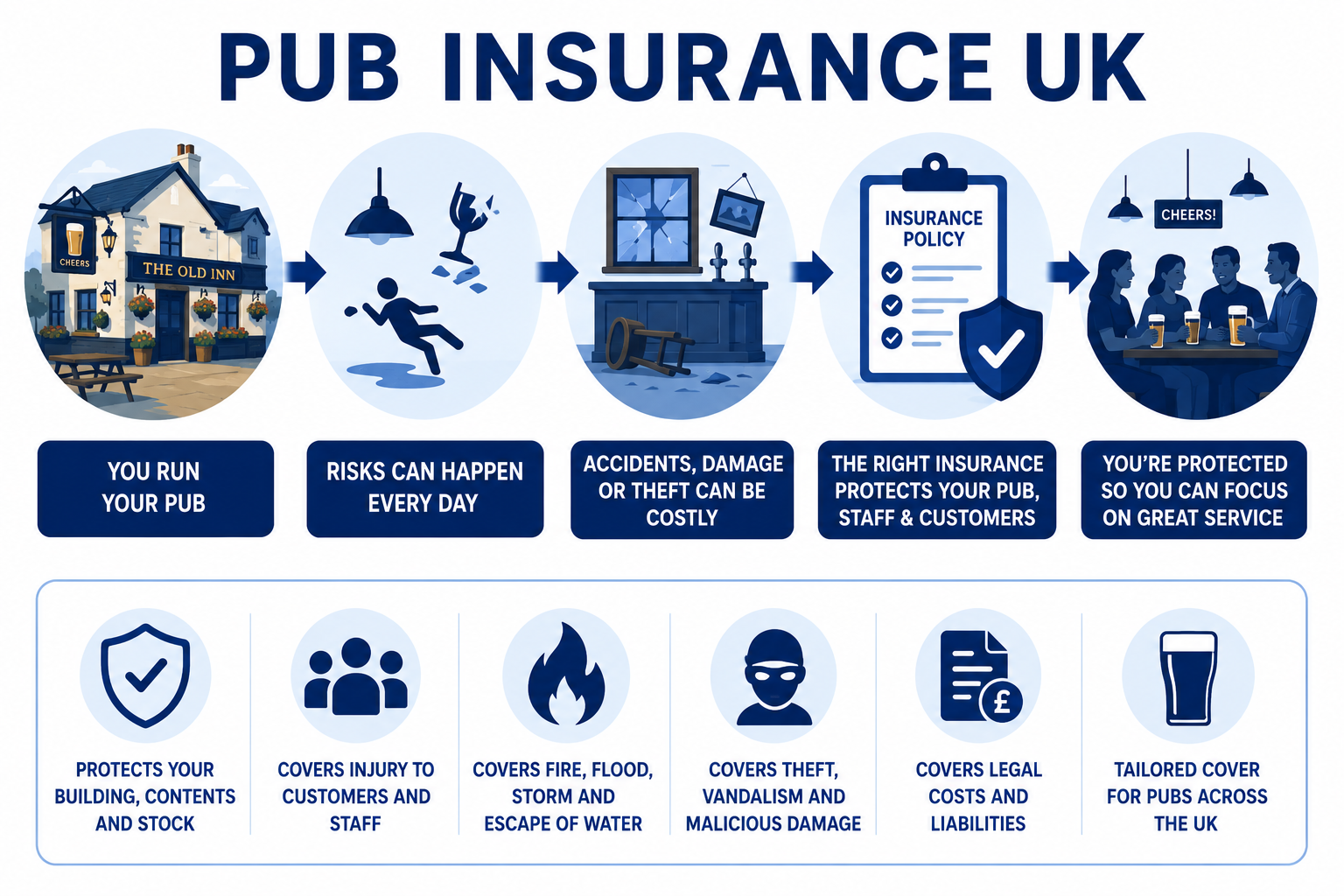
Running a pub has never been straightforward, but the risk landscape in 2026 is more demanding than most licensees have faced before. Between rising claims costs, tighter licensing enforcement, and new cyber exposures from card terminals and booking platforms, a standard commercial policy often leaves significant gaps in pub and restaurant insurance.

This guide cuts through the noise. Whether you run a community local, a gastropub with a full kitchen, or a city-centre bar with late-night events, here is what your insurance needs to cover — and why.


Why Many Pubs Are Underinsured Right Now

The hospitality sector has seen a wave of claim disputes in recent years, and a common thread runs through them: underinsurance. Pub owners tend to insure buildings at market value rather than rebuild cost, and contents policies frequently fail to account for increases in stock values or newly installed equipment.

There is also a disconnect between what standard combined policies cover and what the modern pub actually does. A venue that has added kitchen service, hosts ticketed live events, or processes customer data through a loyalty app is carrying risks that many off-the-shelf policies simply were not written to address.

The result is that when a claim arises — a kitchen fire, a serious customer injury, a data breach — the payout falls short, or the insurer declines outright on the basis of undisclosed activities.

Getting the right cover starts with an honest assessment of your operation, not just ticking boxes on a renewal form.

Understanding the Risks Faced by Pubs in 2026

The Core Covers Every Pub Should Hold

Public Liability

If a customer is injured on your premises, or their property is damaged, public liability insurance covers the compensation and legal costs. For pubs, the risk is constant: wet floors, uneven steps, crowded beer gardens, and the unpredictability that comes with alcohol service.

Most insurers recommend a minimum of £2 million for a pub. Busy venues in city centres, those with outdoor spaces, or those hosting events should consider £5 million as a starting point. Some events organisers and licensing authorities will require evidence of cover before allowing a booking to proceed.

Employers' Liability

If you have any staff — full-time, part-time, casual, or even volunteers — employers' liability insurance is a legal requirement under the Employers' Liability (Compulsory Insurance) Act 1969. The minimum required level is £5 million, though most insurers provide £10 million as standard.

A valid certificate must be displayed where employees can see it, and failure to hold cover exposes you to fines of up to £2,500 per day.

Kitchen environments generate a significant proportion of hospitality claims — burns, cuts, slips on wet floors, and manual handling injuries are all common. Employers' liability is your first line of financial defence when an employee is hurt at work.

Buildings and Contents

If you own your freehold, commercial property insurance covers the cost of rebuilding or repairing the structure following an insured event such as fire, flood, escape of water, or storm damage. The sum insured must reflect the full reinstatement cost, not what you paid for the building or what it would sell for. Getting this wrong — known as underinsurance — means a proportional reduction in any payout.

Contents cover protects your fixtures, fittings, cellar equipment, kitchen appliances, furniture, and stock. For a pub with a full kitchen, the value of installed equipment alone can be substantial.

Tenants leasing their premises typically need a contents-only policy, but should review their tenancy agreement carefully — some tied tenancies specify which insurer must be used, a point addressed by the Pubs Code Adjudicator.

Business Interruption

Business interruption cover replaces lost income and helps meet ongoing fixed costs — rent, loan repayments, utilities, staff wages — when a pub is forced to close following an insured event.

The two critical decisions here are the indemnity period (typically 12, 18, or 24 months) and the accuracy of the turnover figure declared. A pub that takes three months to repair but has only 12 months' cover will find itself meeting fixed costs out of its own pocket once the indemnity period expires.

Choose your indemnity period based on how long a realistic worst-case repair or rebuild would take, not on what minimises your premium.

Custom HTML/CSS/JAVASCRIPT

Product Liability

If food or drink you serve causes illness, injury, or an allergic reaction, product liability cover responds to the resulting claims. This is particularly important for pubs serving meals or hosting private functions where catering is provided.

Allergen labelling requirements under the Food Information to Consumers Regulation have tightened enforcement, and a single undisclosed allergen incident can trigger both a civil claim and a local authority investigation.

Types of Insurance Cover Every Pub Needs

Covers That Are Optional — But Increasingly Necessary

Cyber Insurance

Most pubs now take card payments, operate EPOS systems, and may hold customer data through booking platforms or loyalty schemes. Any of these creates an exposure to cyberattack, data breach, or ransomware.

A successful attack on a pub's payment system can result in regulatory notification requirements under the UK GDPR, compensation claims from affected customers, and significant costs to restore systems and data. Cyber insurance covers incident response, legal costs, customer notification, and business interruption arising from the attack.

For smaller pubs, standalone cyber policies are relatively affordable and increasingly offered as an add-on to commercial combined packages.

Loss of Licence

If your premises licence is suspended or revoked — due to a licensing breach, noise complaints, or a serious incident — loss of licence cover compensates for the resulting loss of income while you work to reinstate your licence or wind down the business.

This is a risk that many licensees overlook until it happens. Local authorities have become more assertive in enforcement, and a single serious incident can trigger a review hearing with very little notice.

Legal Expenses

Disputes with landlords, suppliers, or employees are a regular feature of pub life. Legal expenses cover funds the cost of pursuing or defending civil claims, employment tribunal cases, and regulatory investigations — costs that can run into tens of thousands of pounds without cover.

Stock Insurance

Standard contents policies may include limited stock cover, but pubs with a high-value wine list, aged spirits, or substantial cellar stock may need to arrange dedicated stock cover. The declared value should be reviewed regularly and updated seasonally if stock levels change significantly.


What Affects the Cost of Pub Insurance

Premiums vary considerably between venues. The key variables insurers assess include:

Location — Urban pubs face higher theft and liability risk. Venues in flood-prone areas will pay more for buildings cover. Rural pubs often benefit from lower base premiums but may have limited insurer options.

Claims history — A pattern of liability claims, even minor ones, signals a risk management problem to underwriters. Investing in staff training, regular safety audits, and robust incident reporting pays dividends at renewal.

Activities and opening hours — Late-night trading, live entertainment, and club-style events increase liability exposure and restrict the pool of available insurers. Always disclose these activities fully; a failure to do so can invalidate a claim.

Building construction and age — Thatched roofs, timber-framed buildings, and listed structures carry higher rebuild costs and specialist requirements. Make sure your insurer is aware of these features before binding cover.

Security measures — Alarms, CCTV, and secure cash-handling procedures reduce theft risk and can lower premiums. Some insurers impose minimum security conditions for cover to apply.

Staff numbers and payroll — Employers' liability premiums are typically calculated as a percentage of wage roll, so this feeds directly into overall policy cost.

Choosing the Right Broker

Pub insurance sits at the intersection of hospitality, licensing law, and commercial risk management. A general insurance comparison website will not capture the nuances of your operation, and the cheapest quote is rarely the right one.

A specialist hospitality broker understands the difference between a tied tenancy and a freehold, knows which insurers take a pragmatic view of entertainment licences, and can negotiate policy terms rather than simply placing cover on a standard basis.

When speaking to a broker, come prepared with accurate figures: your annual turnover, the number of employees, your total contents value, and details of any planned events or changes to the business. The quality of the information you provide directly affects the accuracy of the cover you receive.

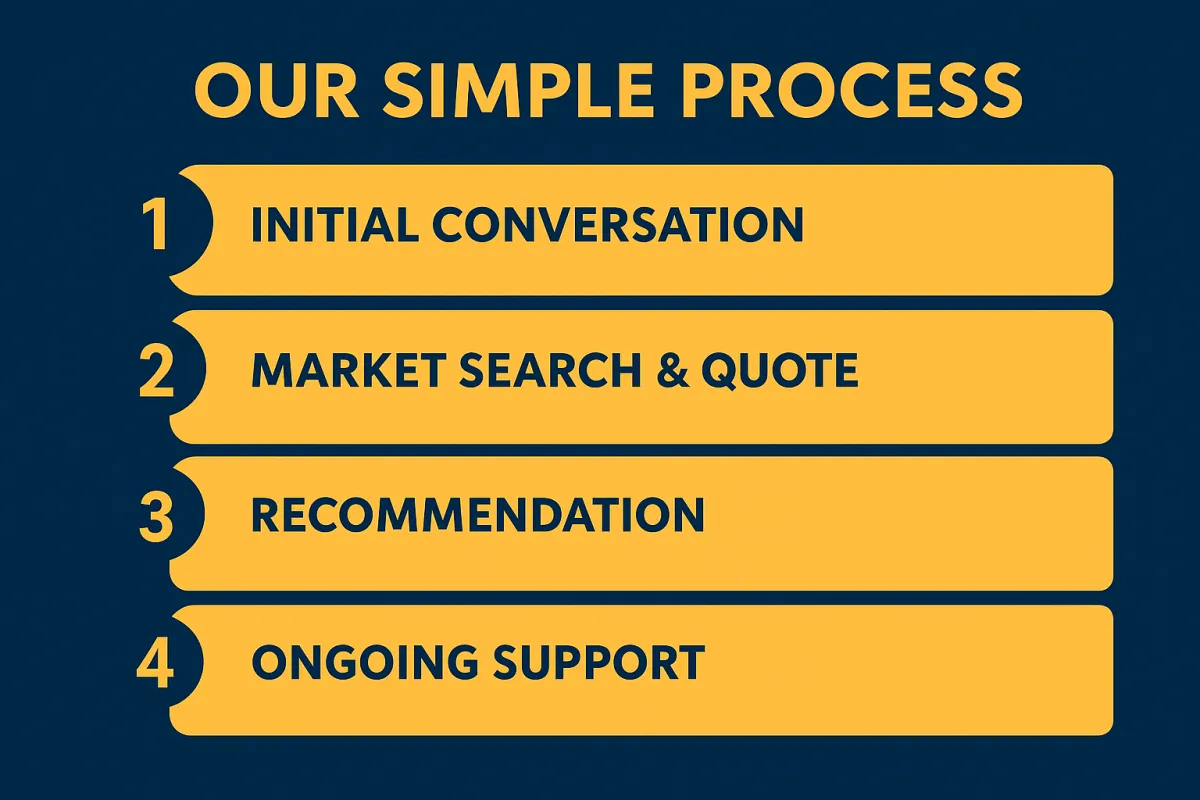
At Miller & Partner, we work with pub operators across the UK to structure insurance programmes that reflect the real risks of running a licensed premises — not a generic hospitality template. Request a quote here and we'll come back to you with options tailored to your venue.

Navigating Legal and Regulatory Requirements in 2026

Frequently Asked Questions

Is public liability insurance compulsory for pubs? It is not a legal requirement in the way employers' liability is, but in practice it is essential. Many premises licences, event bookings, and supplier contracts require evidence of public liability cover as a condition of doing business.

What level of cover do I need as a tied tenant? This depends on the terms of your lease. Some pub-owning businesses stipulate specific insurers under the Pubs Code, while others allow tenants to arrange their own contents and liability cover. Review your lease carefully and seek independent advice if you are uncertain.

Can I get cover if I have previous claims? Yes, though a claims history will influence both the availability of cover and the premium. Being transparent about previous claims is essential — concealing them is grounds for a policy to be voided. A specialist broker can approach insurers who take a more considered view of individual circumstances.

Does standard cover include damage caused during a function or event? Not always. Liability arising from ticketed events, external caterers, or third-party entertainers may require separate endorsements or event-specific cover. Discuss any planned events with your broker before the booking is confirmed.

What should I do after an incident? Notify your insurer or broker as soon as reasonably possible. Preserve evidence, take photographs, record witness details, and do not admit liability. Delays in notification or interference with evidence can complicate a claim.


Miller & Partner is an Authorised Representative of Gauntlet Risk Management Ltd, authorised and regulated by the Financial Conduct Authority (FCA, Firm Reference 1029698).

Ready to protect your business?
Get expert advice and a tailored commercial insurance quote today.

✔ Independent broker
✔ Access to leading UK insurers
✔ Fast turnaround

[[email protected]]
[Call 01792 001350]

Custom HTML/CSS/JAVASCRIPT

pub insurancecommercial insurancepublic house
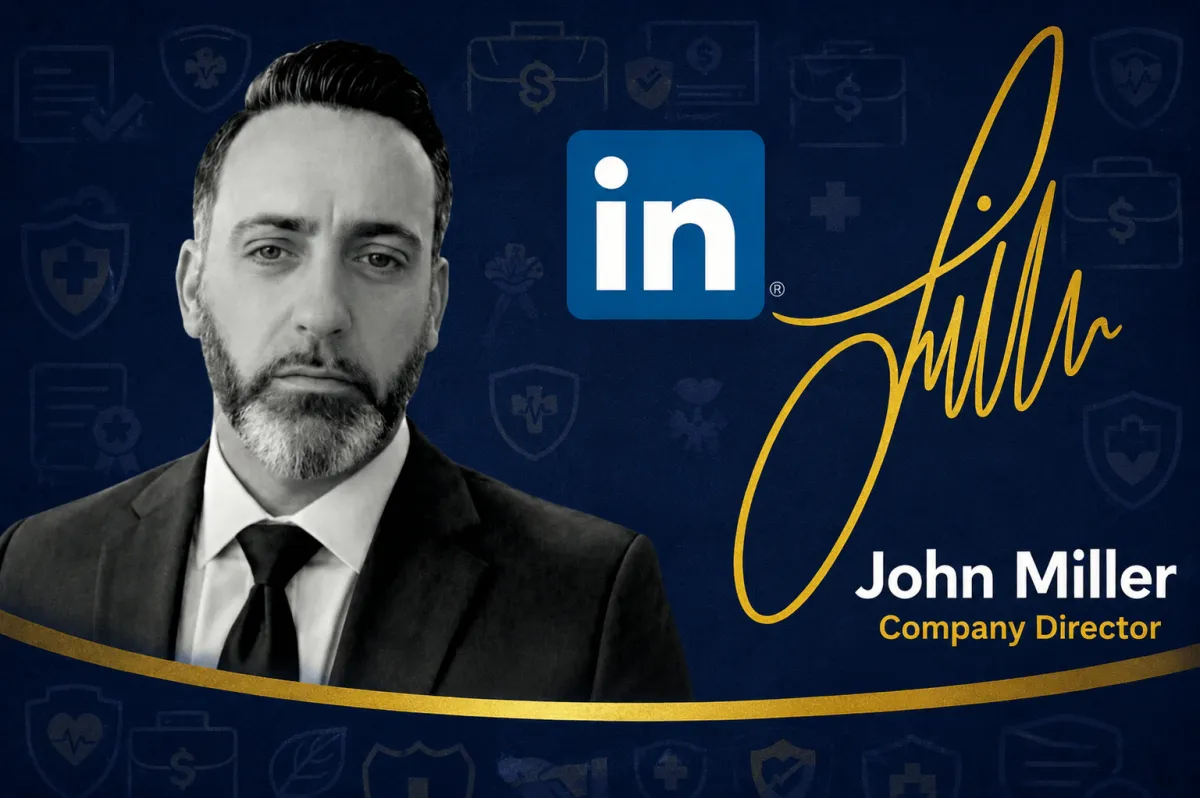
Working in the insurance industry for 15 years, I finally decided to go it alone and set up my own brokerage.

John Miller

Working in the insurance industry for 15 years, I finally decided to go it alone and set up my own brokerage.

LinkedIn logo icon
Back to Blog


We’re authorised and regulated by the FCA. You can check our registration on the FCA Register.

Office: Vivian House, Roman Bridge Close, Mumbles, Swansea, SA3 5BG

Miller & Partner is an Authorised Representative of Gauntlet Risk Management Ltd and are authorised and regulated by the Financial Conduct Authority (FCA) under firm reference number 1029698. You may check this on the Financial Services Register by visiting the FCA website, https://www.fca.org.uk/register/ or by contacting the FCA on 0800 111 6768 Privacy Policy