




Broker Commercial Insurance: Complete UK Business Guide
Navigating the commercial insurance landscape in 2026 requires more than simply purchasing a policy off the shelf. UK businesses face increasingly complex risks, from cyber threats to supply chain disruptions, making professional guidance essential. When you broker commercial insurance, you're accessing specialist knowledge that matches your unique business needs with appropriate coverage. This comprehensive approach ensures that companies across all sectors, from manufacturing to professional services, receive protection tailored to their operational realities rather than generic solutions that leave critical gaps.
Understanding the Role of Commercial Insurance Brokers
Commercial insurance brokers serve as strategic partners for businesses seeking protection against operational risks. Unlike insurance agents who represent specific insurers, brokers work on behalf of their clients to identify optimal coverage from across the entire market. This fundamental distinction shapes how brokers approach risk assessment and policy selection.
The broker's primary responsibility involves conducting thorough risk assessments that examine every aspect of a business operation. They analyse:
Physical assets including property, equipment, and inventory
Liability exposures from products, services, and professional advice
Employee-related risks such as workplace injuries and employment disputes
Operational vulnerabilities including business interruption and supply chain failures
Regulatory compliance requirements specific to the industry
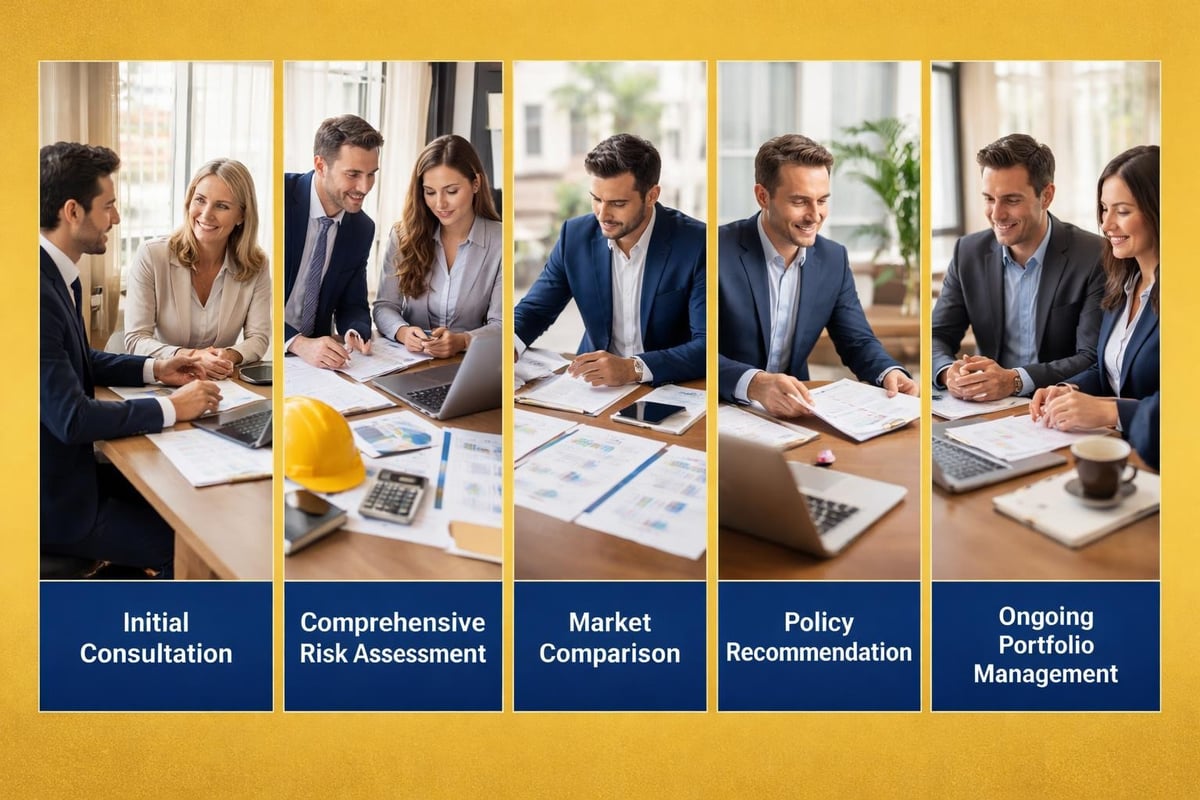
Beyond initial placement, brokers provide ongoing portfolio management. They monitor changing business circumstances, emerging risks, and market conditions to ensure coverage remains appropriate. When claims arise, brokers advocate for their clients throughout the settlement process, leveraging their industry relationships to secure fair outcomes.
Market Access and Negotiating Power
When you broker commercial insurance, you gain access to markets and products that might not be available through direct channels. Specialist insurers often work exclusively through broker networks, particularly for complex or high-value risks. This expanded market access becomes crucial for businesses with unique exposures that standard policies cannot adequately address.
Brokers leverage their collective purchasing power to negotiate competitive terms. A broker placing millions in annual premiums across their client base commands significantly more influence than an individual business approaching insurers directly. This negotiating position translates into better pricing, enhanced coverage terms, and more flexible policy conditions.
The strategic role of insurance brokers has evolved considerably in recent years, with brokers now serving as risk management consultants rather than merely policy distributors.
How Commercial Insurance Brokers Operate
Professional brokers follow structured processes to ensure comprehensive protection. Understanding these operational frameworks helps businesses maximise the value they receive from broker relationships.
Initial Consultation and Fact-Finding
The engagement begins with detailed fact-finding sessions where brokers gather information about:
Business structure, ownership, and operational history
Revenue streams, turnover, and financial projections
Geographic locations and expansion plans
Current insurance arrangements and claims history
Risk management practices already in place
Budget parameters and coverage priorities
This information forms the foundation for accurate risk assessment and appropriate policy recommendations. Thorough fact-finding distinguishes professional brokers from transactional sales approaches.
Market Presentation and Insurer Selection
Armed with comprehensive business knowledge, brokers present risks to appropriate insurers. This process involves preparing detailed submission documents that highlight:
Key business information and operational details
Risk management controls and safety procedures
Loss history and claims experience
Specific coverage requirements and policy preferences
Financial information demonstrating business stability
Brokers typically approach multiple insurers simultaneously, creating competitive tension that benefits the client through improved pricing and terms. They evaluate responses not only on premium cost but also on coverage breadth, insurer financial strength, and claims service reputation.

For businesses seeking streamlined access to commercial coverage, many brokers now offer digital tools that accelerate the quotation process whilst maintaining professional oversight.
Selecting the Right Commercial Insurance Broker
Choosing an appropriate broker significantly impacts the quality of coverage and service you receive. Not all brokers possess equal expertise, market access, or service capabilities.
Specialist Knowledge and Industry Experience
Industry-specific knowledge proves invaluable when you broker commercial insurance for sectors with unique risks. A broker experienced in your field understands:
Typical exposures and common claims scenarios
Regulatory requirements and compliance obligations
Specialist insurers who actively write your business class
Industry benchmarks for coverage and premium costs
Emerging risks specific to your sector
For instance, contractors require different expertise than hospitality businesses or professional service firms. Specialist brokers bring targeted knowledge that generalist competitors cannot match.
Service Model and Client Support
Brokers operate under different service models, from fully bespoke advisory services to more transactional approaches. Consider which model aligns with your needs:
Full-service advisory: Comprehensive risk consulting, regular portfolio reviews, dedicated account management
Guided placement: Professional guidance through the buying process with standard servicing thereafter
Execution-only: Basic placement services with minimal ongoing support
Hybrid models: Combining digital efficiency with human expertise for specific touchpoints
The responsibilities of commercial insurance brokers have expanded significantly, with many now offering risk management consulting alongside traditional placement services.
Technology and Digital Capabilities
Modern brokers leverage technology to enhance service delivery and client experience. Assess potential brokers on:
Online policy documentation and certificate issuance
Digital claims notification and tracking systems
Risk management resources and tools
Mobile access to policy information
Data analytics for risk insights
Integration with client business systems
Technology should complement rather than replace human expertise, providing efficiency whilst maintaining the personalised service that makes brokers valuable.
Commercial Insurance Products Brokers Place
Professional brokers arrange comprehensive insurance programmes covering multiple exposure categories. Understanding these products helps businesses identify gaps in their current protection.
Property and Business Interruption Coverage
Property insurance protects physical assets including buildings, equipment, stock, and tenant improvements. Commercial property insurance typically covers:
Fire, explosion, and smoke damage
Storm, flood, and weather-related losses
Theft, vandalism, and malicious damage
Accidental damage to buildings and contents
Glass breakage and signage damage
Business interruption coverage extends protection beyond physical assets to address lost income following insured property damage. This crucial coverage maintains cash flow during repair or rebuilding periods, covering ongoing expenses even when operations cease temporarily.
Liability Protection

Liability exposures represent significant financial threats that businesses must address through appropriate insurance. Brokers arrange multiple liability categories:
Public Liability: Protection against third-party injury and property damage claims
Product Liability: Coverage for harm caused by manufactured or supplied products
Employers' Liability: Legally required protection for employee workplace injuries
Professional Indemnity: Defence against claims alleging professional negligence or breach of duty
Cyber Liability: Protection for data breaches, privacy violations, and cyber incidents
Understanding business liability coverage proves essential for comprehensive risk management across all commercial sectors.
Specialist and Niche Coverages
Beyond standard products, brokers access specialist policies for unique risks. These include:
Directors and officers liability protecting individual decision-makers
Environmental impairment liability for pollution incidents
Crime insurance covering employee dishonesty and theft
Motor fleet policies for business vehicles
Trade credit insurance protecting against customer insolvency
Contract works insurance for construction projects
Specialist coverage often requires brokers with specific market knowledge and insurer relationships. Industries from professional services to emerging technology sectors benefit from brokers who understand their particular exposures.
The Commercial Insurance Broking Process
When businesses engage brokers, they follow structured processes designed to deliver optimal outcomes. Understanding these stages helps set appropriate expectations.
Risk Assessment and Exposure Analysis
Professional risk assessment examines both obvious and hidden exposures. Brokers conduct:
Site inspections and operational reviews
Financial analysis and growth projection assessments
Supply chain and business partner evaluations
Contractual obligation reviews
Regulatory compliance audits
Business continuity planning reviews
This comprehensive analysis identifies risks that businesses might overlook, from contractual indemnity requirements to emerging cyber threats. Thorough assessment prevents coverage gaps that only become apparent when claims arise.
Market Placement and Negotiation
After assessing risks, brokers approach appropriate markets with detailed presentations. The placement process involves:
Preparing comprehensive submission documents with accurate business information
Selecting insurers based on appetite, capacity, and service reputation
Negotiating policy terms, conditions, and pricing
Reviewing policy wordings to ensure appropriate coverage
Addressing insurer concerns and providing additional information as required
Securing competitive quotations from multiple markets
Effective negotiation requires deep market knowledge and strong insurer relationships. Experienced brokers understand which insurers offer competitive advantages for specific risk types and how to position submissions for optimal results.
For businesses requiring immediate coverage, platforms offering a Quick Quote streamline the initial enquiry process whilst ensuring professional broker oversight guides final policy selection.

Policy Implementation and Ongoing Management
Once terms are agreed, brokers facilitate policy implementation by:
Reviewing final policy documentation for accuracy
Arranging payment schedules and premium finance if required
Issuing policy schedules and certificates of insurance
Briefing clients on coverage details, exclusions, and obligations
Setting up systems for ongoing policy management
Scheduling mid-term reviews and renewal preparations
Ongoing management ensures policies remain fit for purpose as businesses evolve. Brokers proactively recommend coverage adjustments when circumstances change, preventing protection gaps from emerging between renewal cycles.
Claims Support and Advocacy
The true value of professional brokers often becomes apparent when claims arise. Skilled brokers transform complex claims processes into manageable experiences whilst maximising settlement outcomes.
Immediate Claims Response
When incidents occur, brokers provide immediate guidance on:
Notification requirements and timelines under policy conditions
Evidence preservation and documentation best practices
Temporary repairs and loss mitigation steps
Communication with third parties and claimants
Regulatory reporting obligations where applicable
Prompt, appropriate action in the immediate aftermath of incidents significantly influences claim outcomes. Brokers prevent common mistakes that jeopardise coverage or complicate settlement negotiations.
Claims Negotiation and Settlement
Throughout claims processes, brokers advocate for clients by:
Presenting claims professionally with supporting documentation
Engaging loss adjusters and negotiating settlement values
Challenging unreasonable coverage denials or settlement offers
Coordinating specialist input from legal advisors or engineers
Expediting payments to minimise cash flow disruption
Resolving disputes through appropriate channels when necessary
This advocacy proves particularly valuable for complex claims involving coverage disputes, large financial exposures, or multiple interested parties. Professional representation ensures clients receive fair treatment throughout settlement processes.
Compensation Models and Cost Considerations
Understanding how brokers are compensated helps businesses evaluate value and manage costs effectively. Transparency in fee structures has improved significantly across the industry in recent years.
Commission-Based Remuneration
Traditional broker compensation involves commissions paid by insurers as a percentage of premium. Whilst this model creates no direct client cost, it can create potential conflicts of interest. Progressive brokers address this through:
Full commission disclosure showing amounts received
Client agreements defining duties and responsibilities
Demonstrable market comparison across multiple insurers
Service commitments independent of commission levels
Commission rates typically range from 10% to 25% depending on policy type, with specialist covers often attracting higher rates reflecting placement complexity.
Fee-Based and Hybrid Structures
Increasingly, brokers offer fee-based services where clients pay directly for advice and placement services. Benefits include:
Alignment of broker interests with client outcomes rather than premium volume
Transparent cost structure independent of policy pricing
Flexibility to provide advice on risk retention and alternative risk transfer
Clear value proposition for professional services rendered
Hybrid models combine reduced commissions with professional fees, balancing transparency with market conventions. What commercial insurance brokers do extends beyond simple policy placement to comprehensive risk consulting, justifying appropriate professional fees.
Technology and Data in Modern Commercial Broking
The broker commercial insurance broking landscape has transformed through technological advancement. Modern brokers leverage data analytics, artificial intelligence, and digital platforms to enhance service delivery.
Digital Placement Platforms
Online submission and quotation systems accelerate placement timelines whilst maintaining accuracy. These platforms enable:
Instant policy quotations for standard risks
Digital document storage and access
Automated renewal processing and reminders
Real-time policy amendments and endorsements
Integrated claims notification systems
According to insurance brokerage industry statistics, AI automation has improved operational efficiency by up to 40% across leading brokerages, enabling faster response times and enhanced client service.
Risk Analytics and Predictive Modelling
Advanced brokers employ data analytics to provide deeper risk insights. Applications include:
Benchmarking client risk profiles against industry data
Identifying emerging exposures through trend analysis
Predicting potential claim scenarios using historical data
Optimising coverage structures through portfolio modelling
Demonstrating return on investment for risk mitigation measures
These capabilities position brokers as strategic advisors rather than transactional intermediaries, delivering measurable value beyond policy placement.
Regulatory Framework and Professional Standards
UK commercial insurance brokers operate within comprehensive regulatory frameworks ensuring professional standards and client protection.
FCA Regulation and Compliance
The Financial Conduct Authority regulates insurance broking activities, establishing requirements for:
Professional competence and ongoing training
Financial soundness and client money protection
Clear, fair, and not misleading communications
Appropriate product recommendations based on client needs
Complaints handling and dispute resolution procedures
Regulated firms must maintain professional indemnity insurance, protecting clients against negligent advice or errors in placement.
Professional Bodies and Qualifications
Leading brokers hold professional qualifications from bodies including:
Chartered Insurance Institute (CII)
Chartered Institute of Loss Adjusters (CILA)
British Insurance Brokers' Association (BIBA)
These qualifications demonstrate technical knowledge and commitment to professional standards. Membership in professional bodies provides clients additional protection through codes of conduct and dispute resolution schemes.
Emerging Trends Shaping Commercial Insurance Broking
The profession continues evolving in response to changing risk landscapes, technological innovation, and client expectations.
Cyber Risk and Digital Exposures
Cyber threats represent the fastest-growing commercial risk category. Brokers increasingly specialise in cyber insurance, helping businesses understand and address exposures including:
Data breach response and notification costs
Ransomware attacks and business interruption
Privacy liability and regulatory fines
Technology errors and omissions
Social engineering and funds transfer fraud
The commercial insurance market shows sustained growth in cyber coverage demand, with brokers playing crucial roles in educating clients about digital risks and appropriate protection.
Climate Change and Environmental Risks
Increasing frequency and severity of weather events reshape property insurance markets. Brokers help clients navigate:
Flood risk assessment and appropriate coverage limits
Business continuity planning for climate-related disruptions
Sustainability initiatives and their insurance implications
Environmental liability exposures from operations
Supply chain vulnerability to climate impacts
Forward-thinking brokers integrate climate considerations into risk assessments and coverage recommendations.
Parametric and Alternative Risk Transfer
Innovation in insurance products provides new tools for managing commercial risks. Brokers increasingly arrange:
Parametric policies paying predetermined amounts when triggers occur
Captive insurance structures for large organisations
Risk pooling arrangements for industry groups
Contingent capital facilities combining insurance and financing
These sophisticated approaches require specialised broker knowledge and strong insurer relationships.
Frequently Asked Questions
Successfully navigating commercial insurance requires professional expertise that matches businesses with appropriate protection across all operational exposures. Working with experienced brokers provides market access, negotiating power, and ongoing support that individual businesses cannot achieve independently. Whether you operate in traditional sectors or emerging industries, the right insurance partnership ensures comprehensive coverage tailored to your specific risk profile. Miller & Partner Limited specialises in matching UK businesses with optimal commercial insurance solutions, combining market expertise with personalised service to deliver protection that grows with your enterprise.