




Property Insurance Insurance: Complete UK Business Guide
Property insurance insurance represents a critical component of risk management for businesses across the United Kingdom. In 2026, commercial property owners face increasingly complex challenges, from climate-related events to cyber threats affecting smart building systems. Understanding how property insurance insurance works, what it covers, and how to secure appropriate protection has never been more important for British enterprises seeking to safeguard their physical assets and maintain business continuity.
Understanding Property Insurance Insurance in the UK Commercial Sector
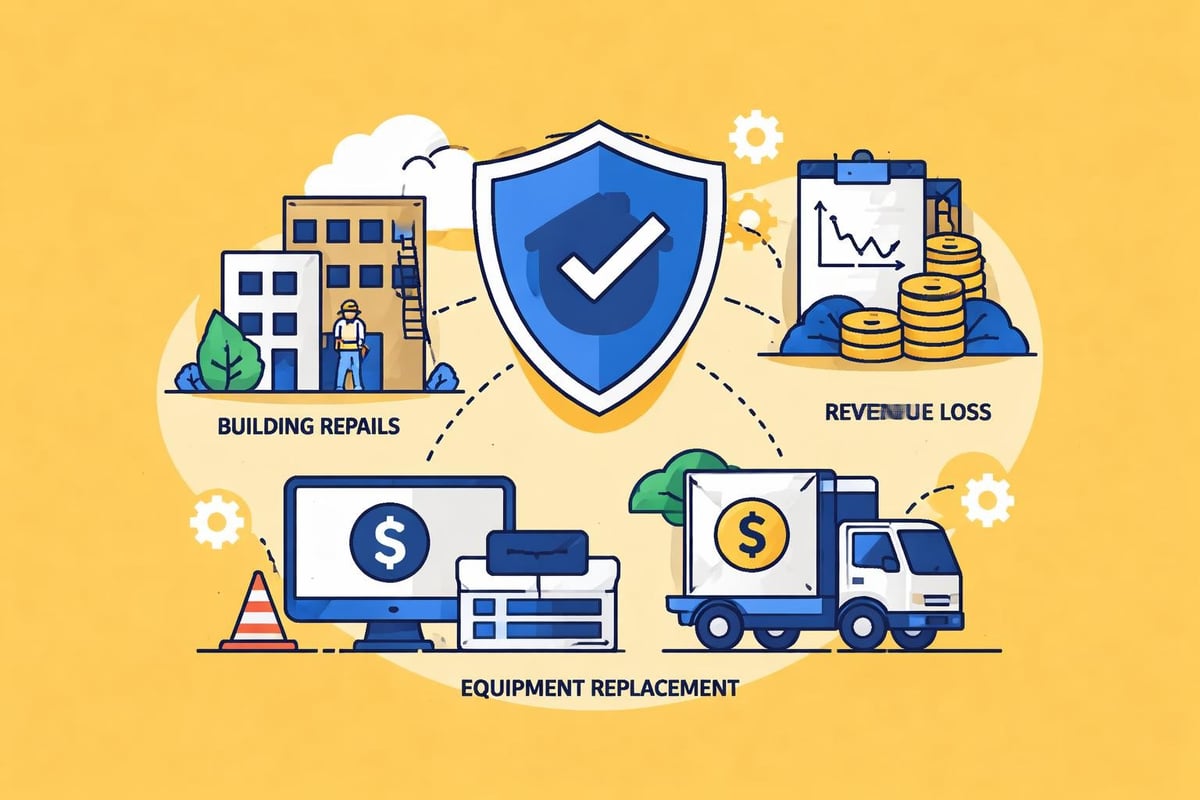
Property insurance insurance functions as a protective financial mechanism that shields businesses from losses related to physical assets. This coverage extends beyond simple building protection to encompass contents, equipment, stock, and business interruption scenarios that could devastate unprepared organisations.
The fundamental principle behind property insurance insurance involves transferring risk from the business owner to an insurance provider. When catastrophic events occur-whether fire, flood, theft, or other covered perils-the insurer compensates the policyholder according to the terms outlined in the contract. This arrangement allows businesses to operate with confidence, knowing their substantial capital investments receive adequate protection.

Core Components of Property Insurance Insurance Coverage
Modern property insurance insurance policies typically include several distinct coverage elements:
Buildings insurance protects the physical structure itself, including walls, roofs, permanent fixtures, and integral building systems
Contents insurance covers moveable items such as furniture, equipment, computers, and stock
Business interruption insurance compensates for lost revenue when property damage forces temporary closure
Employers' liability safeguards against claims from employees injured on your premises
Public liability protects against third-party injury or property damage claims
When selecting property insurance insurance, businesses must carefully assess which components align with their specific operational needs. A manufacturing facility faces vastly different risks compared to a professional services office, requiring tailored coverage solutions. Understanding these nuances enables better decision-making when structuring your commercial insurance programme.
Types of Property Insurance Insurance Policies Available
The UK insurance marketplace offers various property insurance insurance formats designed to accommodate different business structures and risk profiles. Selecting the appropriate policy type directly impacts both premium costs and claims outcomes.
All-Risks versus Named-Perils Coverage
Property insurance insurance policies generally fall into two categories: all-risks and named-perils. All-risks policies provide broader protection, covering any loss except those specifically excluded in the policy wording. This comprehensive approach suits businesses with valuable or unique property requiring extensive protection.
Named-perils policies, conversely, specify exact events covered under the contract. Common named perils include:
Fire and smoke damage
Explosion and lightning strikes
Theft and vandalism
Storm and flood damage
Impact from vehicles or aircraft
Water damage from burst pipes
Whilst named-perils policies typically cost less than all-risks coverage, they leave businesses vulnerable to unexpected events falling outside listed scenarios. According to research from the Casualty Actuarial Society, understanding policy structure significantly influences claims satisfaction and financial recovery.
Replacement Cost versus Actual Cash Value
Property insurance insurance valuation methods determine claim payments following a loss. Replacement cost coverage reimburses the full expense of replacing damaged property with new items of similar quality, without depreciation deductions. This approach ensures businesses can truly rebuild without out-of-pocket expenses.
Actual cash value policies, however, factor in depreciation when calculating settlements. A ten-year-old computer system might have significant replacement cost but minimal actual cash value, leaving substantial gaps in recovery funding. Most commercial enterprises benefit from replacement cost coverage despite higher premiums.
Essential Features in Property Insurance Insurance for British Businesses
When evaluating property insurance insurance options, several critical features merit close attention. These elements often distinguish adequate coverage from comprehensive protection that truly safeguards your business interests.
Adequate Sum Insured
The sum insured represents the maximum amount your insurer will pay following a claim. Underinsuring property creates dangerous coverage gaps, whilst overinsuring wastes premium expenditure on unnecessary protection. Professional property valuations ensure your sum insured accurately reflects current replacement costs, accounting for inflation and market fluctuations.
Many businesses fall victim to gradual underinsurance as property values increase over time. Annual policy reviews with experienced brokers help maintain appropriate coverage levels, adjusting sums insured to reflect contemporary market conditions.
Additional Perils and Extensions
Standard property insurance insurance policies exclude certain risks that may prove critical for specific industries. Additional perils and extensions broaden protection to encompass scenarios like:
Subsidence and ground movement
Terrorism and malicious damage
Accidental damage to cables and underground services
Damage to glass and signage
Loss of refrigerated stock
Temporary removal of property from premises
Businesses operating in specialised sectors, such as those requiring battery storage facility insurance, often need bespoke extensions addressing unique operational risks.
Property Insurance Insurance Claims Process and Best Practices
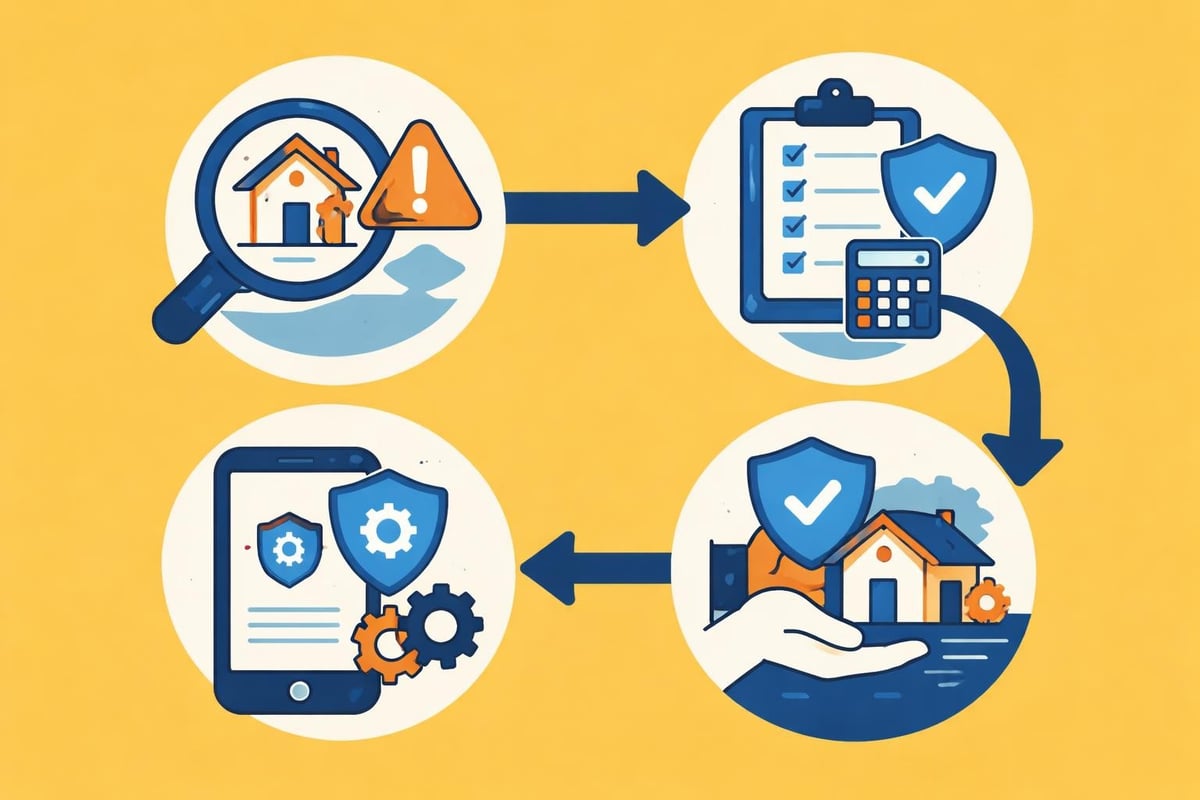
Understanding how to navigate the claims process maximises recovery outcomes following property damage. Efficient claims management reduces business disruption and ensures timely compensation for legitimate losses.
Immediate Post-Loss Actions
When property damage occurs, swift action protects both your business and your claim validity:
Ensure safety first by evacuating if necessary and contacting emergency services
Document everything through photographs, videos, and detailed written descriptions
Notify your insurer immediately as policy terms often impose strict reporting deadlines
Mitigate further damage by taking reasonable steps to prevent additional losses
Preserve evidence by retaining damaged items until the loss adjuster completes their inspection
Maintain detailed records of all expenses incurred during the claims process
Failure to follow proper procedures can jeopardise claim settlements or reduce compensation amounts. Many property insurance insurance policies contain specific requirements regarding notification timelines and mitigation efforts that policyholders must honour.
Working with Loss Adjusters
Insurance companies typically appoint loss adjusters to investigate significant property insurance insurance claims. These professionals assess damage extent, verify coverage applies, and recommend settlement amounts. Understanding their role helps businesses navigate this process effectively.
Loss adjusters work for insurers, not policyholders. Consider engaging your own loss assessor or claims consultant for substantial losses, particularly when disputes arise regarding coverage interpretation or settlement values. This investment often proves worthwhile when significant sums are at stake.
Risk Management Strategies to Complement Property Insurance Insurance
Whilst property insurance insurance provides essential financial protection, proactive risk management reduces both claim frequency and premium costs. Businesses implementing robust safety measures demonstrate lower risk profiles to underwriters, resulting in more favourable terms.
Fire Prevention and Detection Systems
Fire remains amongst the most devastating perils affecting commercial property. Modern detection and suppression systems significantly reduce fire-related losses:
Automatic fire detection with 24-hour monitoring
Sprinkler systems throughout occupied areas
Regular equipment maintenance and testing
Staff fire safety training programmes
Clear evacuation procedures and designated assembly points
Insurers often provide premium discounts for businesses maintaining certified fire protection systems, recognising the reduced risk these measures represent.
Security Measures and Crime Prevention
Theft and vandalism cause substantial losses across UK commercial properties annually. Implementing comprehensive security protocols protects physical assets whilst demonstrating due diligence to insurers:
CCTV coverage of vulnerable areas with remote monitoring
Intruder alarm systems certified to British Standards
Access control systems limiting entry to authorised personnel
Security lighting and physical barriers
Regular security audits and vulnerability assessments
Businesses in sectors like motor trade insurance face elevated theft risks requiring enhanced security measures as policy prerequisites.
Sector-Specific Property Insurance Insurance Considerations
Different industries face unique property risks requiring tailored insurance solutions. Understanding sector-specific exposures ensures appropriate coverage selection.
Hospitality and Leisure Businesses
Hotels, restaurants, and entertainment venues face particular property insurance insurance challenges. Public access creates elevated liability exposures, whilst business interruption following property damage can prove catastrophic given high fixed costs and seasonal revenue patterns. Operators in this sector benefit from specialised policies addressing affordable pub and restaurant insurance needs.
Manufacturing and Industrial Operations
Manufacturing facilities contain expensive machinery, significant stock values, and complex supply chain dependencies. Property insurance insurance for these businesses must address equipment breakdown, contamination risks, and extended business interruption periods whilst replacement machinery is sourced and installed. The Society of Actuaries publishes research highlighting manufacturing sector risk trends that inform insurance solutions.
Technology and Professional Services
Modern technology businesses face evolving property risks beyond traditional perils. Server rooms, data centres, and sophisticated IT infrastructure require specialised coverage extensions. Additionally, businesses offering 3D printing company insurance face unique material storage and equipment risks requiring bespoke insurance arrangements.
Choosing the Right Property Insurance Insurance Provider
Selecting an appropriate insurer represents a critical decision affecting both coverage quality and claims experiences. Several factors merit consideration when comparing property insurance insurance options.
Financial Strength and Claims-Paying Ability
An insurer's financial stability directly impacts their ability to honour claims, particularly following catastrophic events affecting multiple policyholders simultaneously. Rating agencies like AM Best, Standard & Poor's, and Fitch provide independent assessments of insurance companies' financial strength. Prioritise insurers with strong ratings demonstrating robust reserves and prudent risk management.
Industry Expertise and Specialisation
Insurance providers specialising in your sector understand industry-specific risks and can structure appropriate coverage. Specialist insurers often provide more competitive terms than generalist providers unfamiliar with your business model. Resources like the Insurance Information Institute's publications offer insights into industry specialisation trends.
When evaluating property insurance insurance providers, businesses benefit from working with experienced commercial insurance brokers who understand market dynamics and maintain relationships with multiple insurers. These professionals navigate complex coverage requirements and negotiate favourable terms on your behalf.
Getting appropriate property insurance insurance coverage doesn't need to be complicated. By partnering with specialists who understand your sector's unique requirements, you can secure comprehensive protection tailored to your specific business needs.

Property Insurance Insurance Premium Calculations and Cost Management
Understanding how insurers calculate property insurance insurance premiums empowers businesses to manage costs effectively whilst maintaining adequate protection. Multiple factors influence pricing, many of which lie within business owners' control.
Rating Factors Affecting Premium Costs
Insurers assess numerous variables when pricing property insurance insurance policies:
Property location influences exposure to flood, crime, and other geographical risks
Construction type affects fire resistance and repair costs
Occupancy determines fire loading and operational hazards
Security measures reduce theft and vandalism probability
Claims history demonstrates risk management effectiveness
Sum insured determines maximum insurer exposure
Deductible amount affects claim frequency expectations
Businesses can influence several rating factors through proactive risk management. Investing in superior security systems, maintaining properties to high standards, and implementing robust safety protocols typically generate premium savings exceeding improvement costs.
Strategies for Premium Optimisation
Managing property insurance insurance costs requires balancing adequate protection against budget constraints:
Increase deductibles on losses your business can absorb from reserves
Bundle coverages by purchasing multiple policies from the same insurer
Implement risk improvements and document changes for underwriter review
Review coverage annually to eliminate unnecessary extensions or reduce sums insured on depreciated property
Maintain strong risk management programmes demonstrating commitment to loss prevention
Shop the market regularly to ensure competitive pricing
According to statistical data from the Library of Congress, businesses actively managing their insurance programmes typically achieve 15-25% cost reductions compared to those simply renewing existing policies without review.
Regulatory Compliance and Property Insurance Insurance
UK businesses must navigate various regulatory requirements intersecting with property insurance insurance. Compliance failures create both legal liability and potential coverage gaps.
Building Regulations and Safety Standards
Commercial properties must comply with current Building Regulations, including fire safety provisions under the Regulatory Reform (Fire Safety) Order 2005. Following the Grenfell Tower tragedy, enhanced scrutiny applies to building materials, particularly external cladding systems. Property insurance insurance policies may exclude claims arising from non-compliant building elements, making regulatory adherence essential.
Data Protection and Cyber Risks
Modern commercial properties incorporate sophisticated building management systems, security cameras, and access control technologies that collect and store personal data. These systems create cyber vulnerabilities that traditional property insurance insurance may not adequately address. Businesses require cyber insurance alongside conventional property coverage to comprehensively protect against contemporary threats.
Environmental Regulations and Pollution Liability
Certain businesses store hazardous materials or operate processes with environmental impact potential. Property insurance insurance typically excludes pollution-related damage unless specifically endorsed. Understanding regulatory obligations under environmental legislation and securing appropriate coverage extensions prevents unexpected claim denials.
Emerging Trends in Property Insurance Insurance for 2026
The property insurance insurance landscape continues evolving in response to technological advancement, climate change, and shifting risk profiles. Businesses must stay informed about emerging trends affecting coverage availability and pricing.
Climate Change Impact on Property Risks
Increasing frequency and severity of weather-related events reshape property insurance insurance markets. Flood risks expand beyond traditional floodplains, whilst storms cause escalating damage across the UK. Insurers respond through:
More sophisticated risk modelling incorporating climate projections
Premium increases for properties in high-risk locations
Enhanced underwriting requirements for flood defences and building resilience
Potential coverage restrictions or exclusions for extreme weather perils
Forward-thinking businesses invest in property resilience measures like flood barriers, reinforced roofing, and improved drainage systems to maintain insurance accessibility and manage costs.
Technology Integration and Smart Buildings
Internet of Things (IoT) sensors, artificial intelligence, and predictive analytics transform property risk management. Smart building systems monitor for leaks, temperature fluctuations, and security breaches, enabling early intervention before minor issues escalate into major claims. Progressive insurers offer premium discounts for businesses implementing these technologies, recognising their loss prevention value.
Parametric Insurance Solutions
Traditional property insurance insurance operates on an indemnity basis, compensating actual losses following assessment. Parametric insurance, conversely, pays predetermined amounts when specific triggers occur-such as earthquake magnitude or rainfall exceeding defined thresholds. These products provide rapid claims settlement without lengthy adjustment processes, particularly valuable for business interruption scenarios. The Journal of Insurance Regulation explores regulatory implications of parametric products entering mainstream commercial markets.
Frequently Asked Questions About Property Insurance Insurance
What's the difference between buildings and contents property insurance insurance?
Buildings insurance covers the permanent structure-walls, roof, floors, and fixed installations like heating systems. Contents insurance protects moveable items such as furniture, equipment, stock, and computers. Most businesses require both coverages, though tenants leasing premises typically need only contents insurance as landlords maintain buildings coverage. Commercial property insurance packages often bundle both elements for comprehensive protection.
How quickly must I notify my insurer after property damage occurs?
Most property insurance insurance policies require "immediate" notification, typically interpreted as within 24-48 hours of discovering damage. Delays can jeopardise claims, particularly if they prevent proper damage assessment or allow losses to worsen. Even outside business hours, contact your insurer's emergency claims line immediately following significant incidents. Document everything thoroughly whilst awaiting adjuster inspection.
Does property insurance insurance cover flood damage?
Standard property insurance insurance may include or exclude flood coverage depending on your policy type and property location. Many insurers now offer flood cover as an optional extension requiring additional premium, particularly for properties in designated flood risk areas. Review your policy schedule carefully and discuss flood protection with your broker, as this represents one of the fastest-growing perils affecting UK commercial properties in 2026.
Can I reduce my property insurance insurance premiums without sacrificing coverage?
Yes, through several strategies: implement enhanced security and fire protection systems, increase your policy deductible to levels your business can absorb, maintain excellent claims history through proactive risk management, and regularly review coverage to eliminate unnecessary extensions. Working with experienced commercial insurance brokers ensures you're accessing appropriate discounts and competitive market rates without compromising essential protection.
What happens if I'm underinsured when making a property insurance insurance claim?
Underinsurance triggers the "average clause" in most commercial policies. If your sum insured represents only 70% of your property's actual value, the insurer pays only 70% of any claim, regardless of size. This proportional reduction applies even to partial losses well below the sum insured. Professional property valuations and annual policy reviews prevent underinsurance scenarios that could devastate your financial recovery following major losses.
Property insurance insurance forms the foundation of comprehensive risk management for UK businesses, protecting substantial capital investments whilst enabling operational continuity following unexpected events. Understanding coverage options, selecting appropriate policy structures, and implementing proactive risk management creates resilient organisations prepared for whatever challenges 2026 brings. Whether you're safeguarding manufacturing facilities, retail premises, or professional office spaces, partnering with specialists who understand your sector's unique requirements ensures optimal protection. Miller & Partner Limited matches businesses with appropriate insurance solutions tailored to your specific operational needs, combining market expertise with personalised service to deliver comprehensive commercial insurance programmes.