
Quote Commercial Insurance: Complete Guide for UK Businesses
Securing the right insurance cover for your business begins with understanding how to quote commercial insurance effectively. Whether you're launching a new venture or reviewing existing policies, the quoting process determines not only your premium costs but also the quality and breadth of protection your business receives. Many business owners approach this process without adequate preparation, leading to incomplete quotes, coverage gaps, or unnecessarily high premiums. This comprehensive guide explores everything UK businesses need to know about obtaining accurate commercial insurance quotes that genuinely reflect their risk profile and operational needs.
Understanding Commercial Insurance Quotes
A commercial insurance quote represents an insurer's estimated premium based on information you provide about your business operations, assets, and risk exposure. Unlike consumer insurance, where standardised pricing models often apply, commercial quotes require detailed evaluation of unique business characteristics.
The quoting process serves multiple purposes beyond simply revealing costs. It forces you to assess your business risks comprehensively, identify potential vulnerabilities, and clarify exactly what protection you need. When you quote commercial insurance properly, you create an opportunity to educate insurers about your specific circumstances, potentially unlocking better terms and more competitive pricing.
How Insurers Calculate Quotes
Insurance providers use sophisticated algorithms and underwriting expertise to assess risk and determine premiums. Every detail you submit feeds into this calculation, from your industry sector to your claims history. Underwriters evaluate both the likelihood of claims occurring and the potential severity if they do.
Key calculation components include:
Risk assessment: Evaluation of your business activities, location, and operational practices
Claims probability: Statistical analysis of similar businesses and historical claims data
Coverage scope: The breadth and depth of protection you're requesting
Excess levels: Your willingness to bear initial losses before insurance responds
Loss prevention measures: Security systems, safety protocols, and risk management programmes
Understanding these factors helps you present your business favourably when seeking quotes. Businesses demonstrating robust risk management often secure better insurance rates than those without documented safety measures.

Essential Information for Accurate Quotes
The accuracy of your commercial insurance quote depends entirely on the quality and completeness of information you provide. Incomplete or inaccurate data inevitably leads to revised quotes later, potentially at significantly different price points.
Business Details and Operations
Begin with fundamental business information. Insurers need your exact trading name, legal structure, registration details, and years of operation. New businesses face different rating approaches than established enterprises with proven track records.
Your business activities require precise description. Generic industry classifications don't suffice. Explain exactly what you do, how you do it, and where operations occur. A "construction company" might specialise in domestic extensions or commercial high-rise projects-vastly different risk profiles requiring distinct coverage approaches.
When you quote commercial insurance, be prepared to detail:
Annual turnover and revenue projections: Financial scale directly influences premium calculations
Employee numbers and roles: Staff count and their activities affect liability exposures
Operational territories: Where you conduct business matters significantly
Subcontractor usage: Extent and nature of third-party contractor engagement
Product or service specifics: Detailed descriptions of what you sell or provide
Property and Asset Information
Commercial property insurance quotes require comprehensive asset details. Insurers need building descriptions including construction materials, age, condition, and occupancy type. Failing to mention a thatched roof or timber-frame construction, for instance, can invalidate cover entirely.
Contents valuation presents another critical component. You must accurately estimate replacement costs for stock, equipment, fixtures, and fittings. Understanding factors that affect commercial property insurance helps ensure your valuations reflect current market realities.
Don't rely on guesswork for asset values. Conduct proper inventories, obtain professional valuations where appropriate, and update assessments regularly to avoid underinsurance.
Vehicle Fleet Details
For businesses requiring commercial vehicle insurance, prepare detailed fleet information. Each vehicle needs individual assessment, with insurers considering multiple factors affecting commercial vehicle rates.
Essential vehicle information includes:
Make, model, and year of manufacture
Vehicle usage and typical mileage
Security features and tracking systems
Driver details including ages, experience, and licence histories
Overnight storage locations and security measures
Load types and weight capacities
Factors Influencing Your Quote
Commercial insurance premiums reflect complex risk calculations, with numerous variables affecting final costs. Understanding these influences helps you anticipate quote ranges and identify areas where you might reduce premiums.
Industry-Specific Risk Profiles
Your business sector fundamentally shapes insurance costs. High-risk industries-construction, manufacturing, hospitality-naturally attract higher premiums than office-based professional services. Insurers maintain extensive claims data showing which sectors generate frequent or severe claims.
Within sectors, specialisation matters. A restaurant serving alcohol faces different liability risks than a takeaway operation. Manufacturing businesses handling hazardous materials encounter stricter underwriting than those producing benign products.
Claims History Impact
Your claims history weighs heavily when insurers quote commercial insurance. Businesses with clean records demonstrate effective risk management, warranting preferential pricing. Conversely, frequent claims signal higher future risk, driving premiums upward.
The relationship between claims history and premium calculations extends beyond simple claim counts. Insurers examine claim types, severities, and patterns. Multiple small claims sometimes concern underwriters more than a single larger incident, suggesting systemic risk management failures.

Location and Regional Factors
Where your business operates significantly influences quotes. Urban locations typically cost more to insure than rural areas due to higher crime rates, increased liability exposures, and elevated property values. Proximity to flood plains, coastal areas, or high-crime neighbourhoods affects premiums noticeably.
Regional variations extend beyond simple geography. Local economic conditions, legal environments, and claims frequencies all play roles. Businesses in areas experiencing significant property insurance market pressures may face capacity constraints or premium increases regardless of individual risk profiles.
Coverage Limits and Excess Choices
Your selected coverage limits directly correlate with premium costs. Higher limits mean greater potential insurer payouts, naturally commanding higher premiums. However, selecting inadequate limits to save money proves false economy if major losses exceed your cover.
Excess levels offer premium control. Agreeing to bear larger initial losses before insurance responds reduces insurer exposure, typically lowering premiums. This strategy suits businesses with strong cash reserves capable of absorbing smaller claims without financial strain.
Preparing to Quote Commercial Insurance
Thorough preparation streamlines the quoting process and ensures accurate, competitive quotes. Businesses should prepare specific information before approaching insurers or brokers.
Documentation Gathering
Compile comprehensive business records before requesting quotes. Current financial statements demonstrate business stability and support underwriting decisions. Health and safety policies, risk assessments, and training records showcase your commitment to loss prevention.
If you hold existing insurance, gather current policy documentation. This provides baseline coverage information and helps identify gaps or overlaps in protection. Details of any ongoing claims or incidents require disclosure, even if you're switching insurers.
Risk Assessment and Mitigation
Conducting thorough risk assessments before seeking quotes benefits you doubly. First, you identify genuine coverage needs, ensuring quotes reflect appropriate protection levels. Second, you discover risk reduction opportunities that can lower premiums.
Document all risk mitigation measures. Security systems, sprinkler installations, staff training programmes, and quality control processes all demonstrate proactive risk management. Insurers reward businesses investing in loss prevention with more competitive pricing.
Miller & Partner Limited specialises in helping businesses present their risk profiles effectively, ensuring insurers understand your specific circumstances and can offer accurate, competitive quotes. Our expertise in matching businesses with appropriate coverage ensures you receive quotes that genuinely reflect your operational reality. Get a Quick Quote today to see how proper preparation translates into better insurance terms.

Working with Insurance Brokers
Whilst you can approach insurers directly to quote commercial insurance, working with specialist brokers offers significant advantages. Brokers access multiple insurers, comparing coverage and pricing across the market to identify optimal solutions.
Broker Benefits and Market Access
Commercial insurance brokers maintain relationships with numerous insurers, including specialist providers you might not discover independently. This market access proves particularly valuable for unusual risks or niche industries where mainstream insurers lack appetite.
Brokers understand insurer preferences, knowing which providers excel in specific sectors or coverage types. Rather than submitting identical information to multiple insurers, brokers present your risk in formats each underwriter prefers, maximising quote competitiveness.
Professional brokers add value beyond simply gathering quotes. They interpret policy wordings, explain coverage nuances, and negotiate terms on your behalf. Their expertise helps you avoid common pitfalls like inadequate limits or problematic exclusions.
The Broker Quoting Process
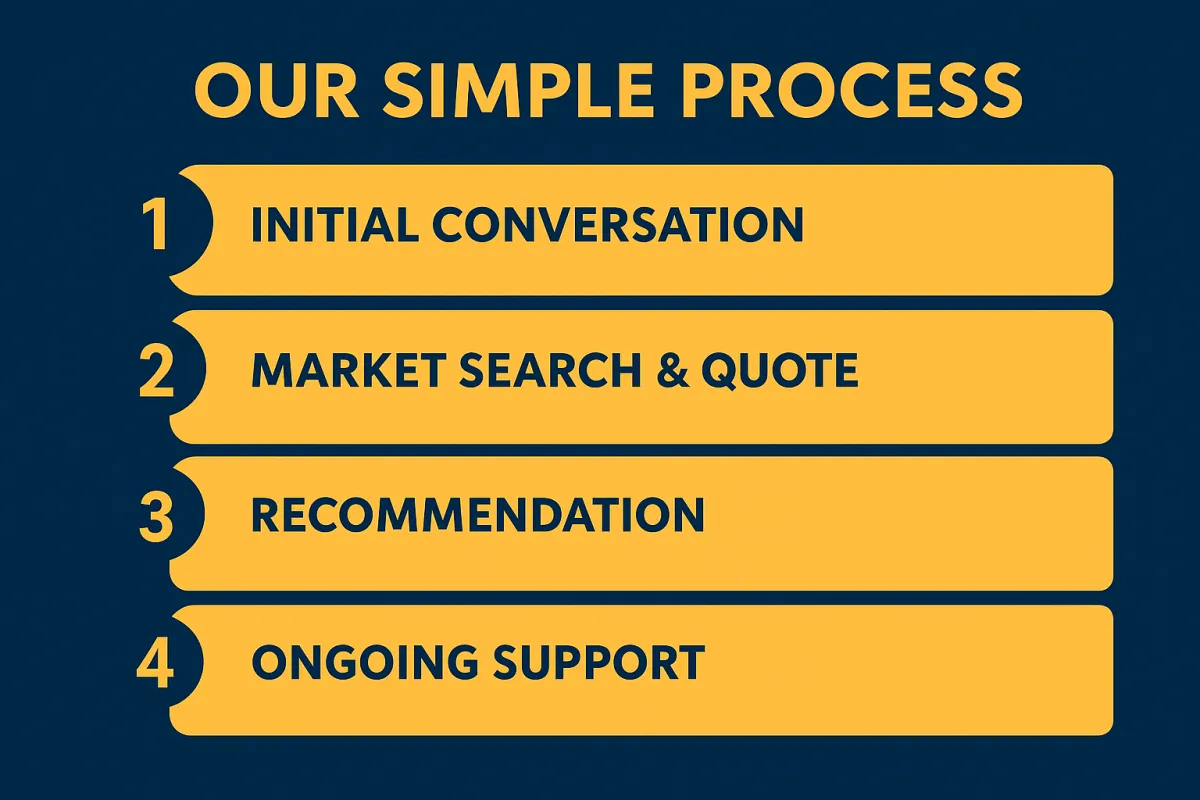
When working with brokers to quote commercial insurance, expect a structured approach. Initial consultations explore your business comprehensively, often revealing coverage needs you hadn't considered. Brokers ask probing questions, seeking information that influences underwriting decisions.
Following information gathering, brokers approach suitable insurers, presenting your risk professionally. They manage the entire process, handling insurer queries, negotiating terms, and presenting comparative quotes with clear recommendations.
How commercial insurance brokers evaluate and compare multiple insurer quotes: coverage breadth, premium costs, policy terms, and insurer stability
Common Quoting Mistakes to Avoid
Many businesses undermine their quoting process through avoidable errors. Understanding these pitfalls helps you secure accurate quotes that translate into appropriate coverage.
Information Accuracy and Completeness
The most frequent mistake involves providing incomplete or inaccurate information. Whether through oversight or intentional misrepresentation, incorrect details lead to invalid quotes. Discovering errors post-inception can result in coverage gaps or policy voidance when you need protection most.
Non-disclosure proves particularly problematic. Failing to mention previous claims, business activities, or material facts breaches insurance principles of utmost good faith. Even innocent omissions can have severe consequences when claims arise.
Price-Only Focus
Selecting insurance solely on price represents dangerous false economy. The cheapest quote often reflects the narrowest coverage or highest excesses. Understanding what you're actually buying matters far more than the premium cost when significant losses occur.
Compare quotes on consistent coverage bases. Ensure policy wordings, limits, and terms align before making price comparisons. Sometimes moderately higher premiums deliver substantially better protection, proving better value over time.
Inadequate Coverage Limits
Underinsurance saves premium costs short-term but creates catastrophic financial exposures long-term. Many businesses select limits based on affordability rather than genuine replacement costs or liability exposures.
Professional liability limits deserve particular attention. In litigious environments, inadequate professional indemnity cover can expose business assets and personal wealth to claims exceeding policy limits. Consider realistic worst-case scenarios when selecting coverage amounts.
Reviewing and Comparing Quotes
Once you receive quotes, systematic comparison ensures informed decision-making. Understanding how independent agents approach quote comparisons provides valuable perspective on professional evaluation techniques.
Policy Wording Analysis
Premium costs represent just one comparison dimension. Policy wordings contain crucial details affecting coverage breadth and quality. Examine exclusions carefully, as these define what isn't covered-often more important than what is.
Pay particular attention to:
Coverage triggers: What events activate the policy
Territorial limits: Where coverage applies geographically
Claims notification requirements: How quickly you must report incidents
Policy conditions: Obligations you must fulfill to maintain coverage
Extensions and add-ons: Additional protections included or available
Insurer Financial Stability
Your chosen insurer must possess financial strength to honour claims potentially years in the future. Check insurer credit ratings and financial stability assessments from agencies like A.M. Best or Standard & Poor's.
An inexpensive quote from a financially precarious insurer offers little value if they cannot pay legitimate claims. Broker recommendations typically steer clients toward financially robust insurers, though direct buyers should conduct this due diligence independently.
Timing and Market Considerations
When you quote commercial insurance influences available options and pricing. Insurance markets fluctuate based on economic conditions, claims trends, and capacity availability.
Market Cycles and Pricing
Insurance markets operate in cycles alternating between "soft" markets with abundant capacity and competitive pricing, and "hard" markets characterised by restricted capacity and rising premiums. Understanding current market conditions helps set realistic expectations.
Hard markets require earlier preparation and potentially more flexible coverage approaches. Insurers become more selective, scrutinising risks closely and applying stricter terms. Soft markets offer opportunities to expand coverage or negotiate better terms.
Recent years have seen significant pressures on commercial property insurance markets, with capacity constraints and rising costs affecting many businesses. Awareness of these broader trends helps contextualise individual quotes.
Renewal Timing Strategy
Starting the renewal process early provides crucial advantages. Approaching renewal dates with minimal lead time restricts options and reduces negotiating leverage. Insurers appreciate adequate evaluation time, often rewarding early submissions with better terms.
Begin renewal discussions at least 90 days before expiry for straightforward risks, extending to six months for complex or high-value programmes. This timeline accommodates thorough market testing and meaningful comparison.
FAQ: Quote Commercial Insurance
How long does a commercial insurance quote remain valid?
Most commercial insurance quotes remain valid for 30 days from issue, though this varies by insurer and risk complexity. Time-sensitive quotes reflect rapidly changing risk factors or market conditions. If circumstances change during the quote validity period-new vehicles, location changes, operational modifications-you must inform the insurer as these alterations may affect pricing and terms.
Can I get a commercial insurance quote without a broker?
Yes, many insurers offer direct quoting for straightforward commercial risks. However, broker involvement typically delivers better outcomes for most businesses. Brokers access multiple markets simultaneously, possess specialist knowledge of coverage nuances, and negotiate on your behalf. Direct approaches suit very simple risks or businesses with specialist insurance knowledge, but most companies benefit from professional broker guidance.
What happens if I underestimate values when getting a quote?
Underestimating asset values or revenue when you quote commercial insurance leads to underinsurance, with serious consequences at claim time. Insurers apply average clauses, reducing claim settlements proportionately to reflect the underinsurance degree. For example, insuring a £200,000 building for £100,000 means claims settle at 50% of their value. Always provide accurate, current valuations to ensure adequate protection.
How often should I quote commercial insurance?
Review and quote commercial insurance annually, even if satisfied with current arrangements. Annual reviews ensure coverage remains appropriate as your business evolves and allows market testing to confirm competitive pricing. Significant business changes-acquisitions, new premises, service expansions-warrant immediate quote requests to verify adequate protection. Some policies automatically adjust for moderate business growth, but substantial changes require formal reassessment.
Do all businesses receive quotes immediately?
Simple, low-value risks often generate instant online quotes, whilst complex or high-exposure businesses require detailed underwriter assessment taking several days or weeks. Manufacturing operations, professional services, or businesses with significant property values typically need bespoke underwriting. Unusual risks or those with adverse claims histories may require even longer as insurers conduct thorough risk evaluation before committing to terms.
Understanding how to quote commercial insurance effectively ensures your business secures appropriate protection at competitive prices whilst avoiding common coverage pitfalls. Thorough preparation, accurate information provision, and professional guidance transform the quoting process from administrative burden into strategic opportunity. Whether you're placing cover for the first time or seeking better terms at renewal, Miller & Partner Limited helps businesses navigate the commercial insurance market with expert guidance tailored to your specific operational needs and risk profile.