




Simple Business Insurance: A Complete Guide for 2026
Protecting your business doesn't have to be complicated. In 2026, securing simple business insurance has become more straightforward than ever, yet many business owners still find the process overwhelming. Whether you're launching a start-up or managing an established enterprise, understanding the fundamentals of business insurance ensures you're prepared for unexpected challenges whilst maintaining compliance with UK regulations. This guide breaks down everything you need to know about simple business insurance, from essential coverage types to finding the right policies for your specific needs.
Understanding Simple Business Insurance Basics
Simple business insurance provides financial protection against various risks that could otherwise threaten your company's survival. At its core, this coverage safeguards your assets, employees, and operations from unexpected losses.
The concept of simple business insurance revolves around making protection accessible and understandable. Rather than getting lost in complex policy language, modern insurance solutions focus on clear terms and straightforward coverage options that directly address your business needs.
Why Every UK Business Needs Insurance
Operating without adequate insurance exposes your business to devastating financial consequences. A single claim could deplete your reserves or force closure entirely.
Legal requirements drive many coverage decisions:
Employers' liability insurance is mandatory if you employ staff
Public liability protection shields against third-party claims
Professional indemnity covers service-based businesses against advice claims
Commercial vehicle insurance is legally required for business use
Beyond legal obligations, comprehensive business insurance protects your investment and provides peace of mind. Client contracts often require proof of coverage before work commences, making insurance essential for winning new business.
Core Types of Simple Business Insurance
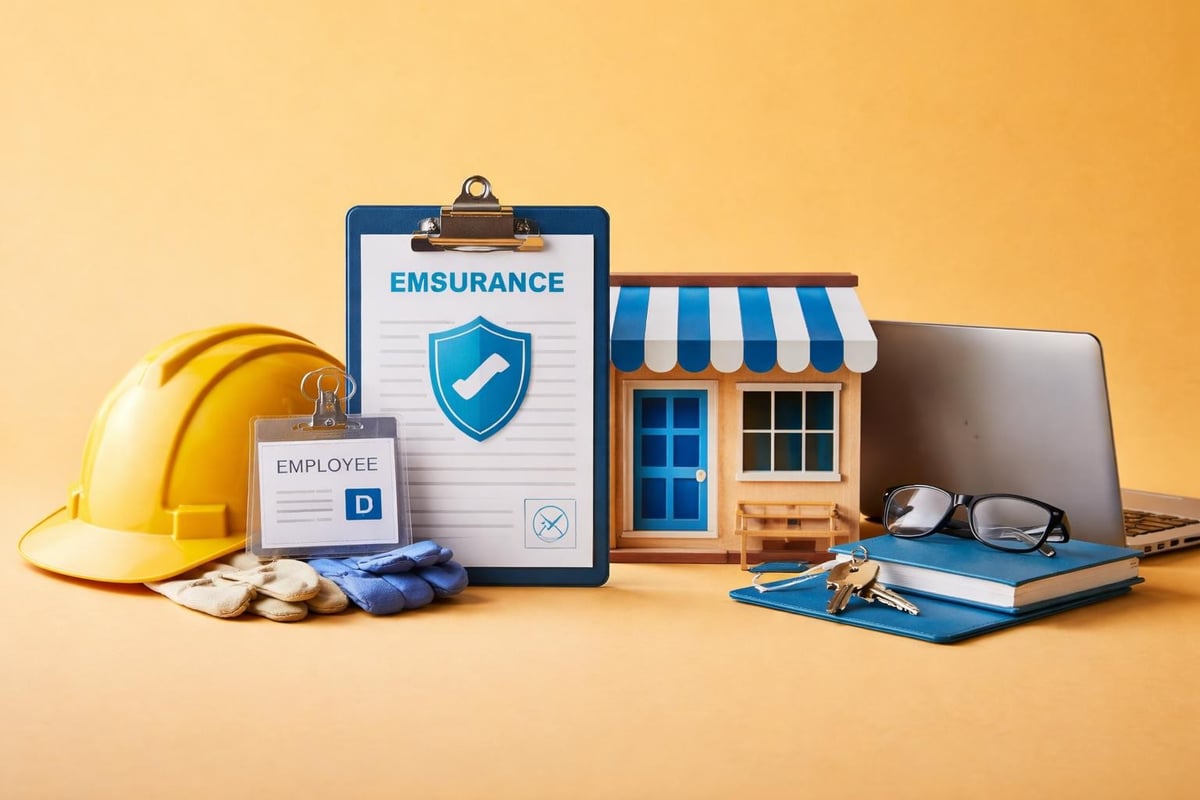
Understanding the main coverage categories helps you build a protection package tailored to your operations. Each type addresses specific risks your business faces daily.
Public Liability Insurance
Public liability insurance protects your business when third parties suffer injury or property damage due to your activities. This coverage is fundamental for businesses interacting with customers, suppliers, or the general public.
Key protection areas include:
Customer injuries on your premises
Damage to client property during service delivery
Accidents at off-site locations during business activities
Legal defence costs and compensation payments
Most businesses carry between £1 million and £5 million in public liability coverage. The amount you need depends on your industry, client requirements, and risk exposure. According to guidance from the Insurance Information Institute, selecting appropriate liability limits requires careful assessment of your specific business operations.
Employers' Liability Insurance
If you employ anyone, even part-time staff or contractors, employers' liability insurance is legally required in the UK. This coverage protects you if employees become ill or injured due to their work.
The minimum legal requirement is £5 million of coverage, though many policies provide £10 million as standard. Failing to maintain valid employers' liability insurance can result in fines up to £2,500 per day.
Professional Indemnity Insurance
Service-based businesses particularly benefit from professional indemnity coverage. This insurance protects against claims arising from professional advice, services, or designs that cause client financial loss.
Professional indemnity coverage proves essential for consultants, designers, accountants, solicitors, and technology professionals. Claims can arise years after completing work, making extended reporting periods valuable.
Commercial Property Insurance
Your premises and contents represent significant investment requiring protection. Commercial property insurance covers buildings you own and contents within them against various perils.
Standard coverage protects against:
Fire and explosion damage
Theft and vandalism
Weather-related damage (storms, floods)
Accidental damage to buildings and equipment
Business interruption following insured events
Commercial property insurance policies should reflect current replacement costs, not original purchase prices. Under-insurance leads to reduced claim settlements.
How to Choose the Right Simple Business Insurance
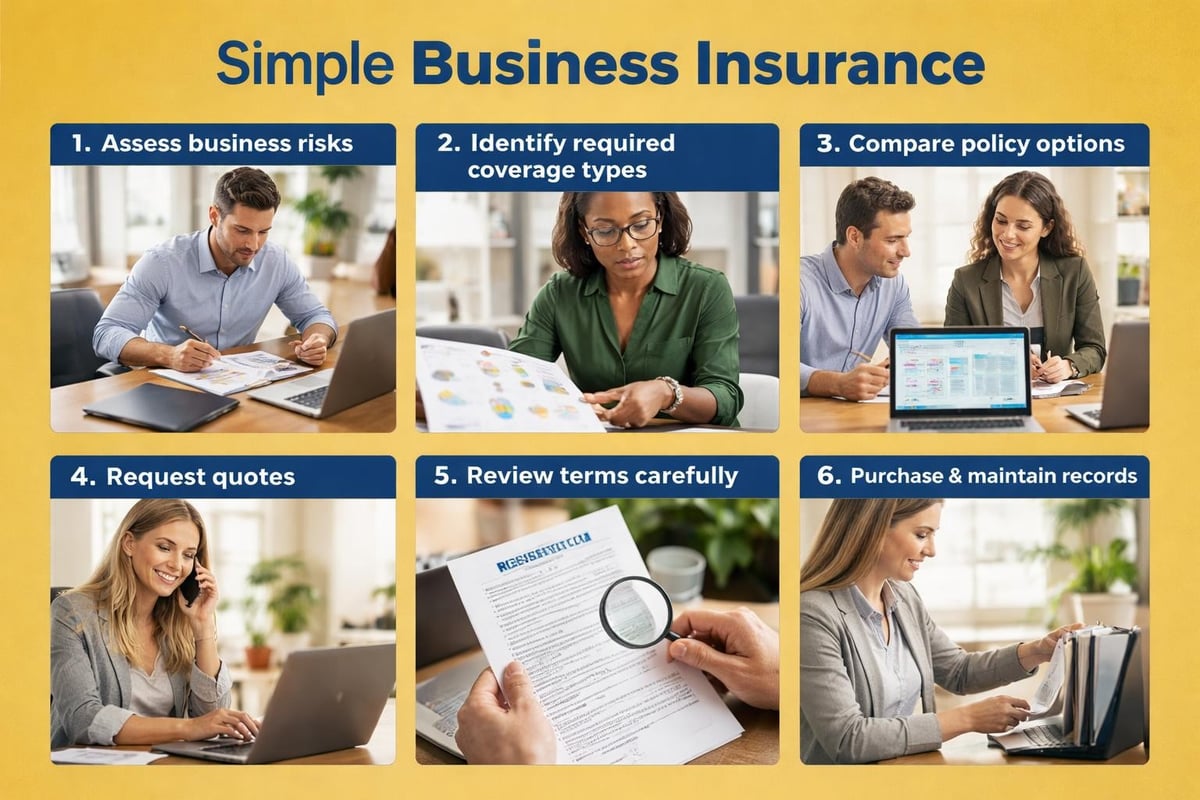
Selecting appropriate coverage requires understanding your unique risk profile and operational requirements. The wrong policy leaves gaps in protection or wastes money on unnecessary coverage.
Assessing Your Business Risks
Start by identifying specific risks your business faces. Different industries encounter distinct challenges requiring tailored protection.
Consider your daily operations, premises, equipment, employees, and client interactions. What could go wrong? What financial impact would various incidents create? This risk assessment forms the foundation for appropriate coverage selection.
Physical risks include property damage, equipment failure, and inventory loss. Liability risks encompass customer injuries, professional errors, and product defects. Cyber risks increasingly threaten businesses of all sizes in 2026.
Determining Required Coverage Levels
Coverage limits should reflect your potential exposure, not just minimum legal requirements. Under-insurance saves premium pounds but costs thousands in uncovered losses.
Calculate appropriate limits by considering:
Asset replacement values (buildings, equipment, stock)
Potential liability claim sizes in your industry
Contract requirements from major clients
Legal minimum requirements for your sector
Financial capacity to absorb uninsured losses
Many businesses benefit from annual reviews ensuring coverage keeps pace with growth. Your insurance needs in 2026 likely differ from those when you launched.
Finding the Right Insurance Provider
Not all insurers understand every business type equally well. Specialist providers often offer better terms for niche industries than general market insurers.
Working with experienced commercial insurance brokers gives you access to multiple markets simultaneously. Brokers compare options across numerous insurers, identifying the best combination of coverage and price for your specific needs.
Research potential providers thoroughly. Check their financial strength ratings, claims handling reputation, and industry expertise. Reading reviews from similar businesses provides valuable insights into customer experiences.
The Cost of Simple Business Insurance in 2026
Understanding pricing factors helps you budget appropriately and find better value. Simple business insurance costs vary dramatically based on numerous variables.
Factors Affecting Premium Costs
Insurers assess multiple risk factors when calculating your premium. Some you can control, others you cannot.
Major pricing influences include:
Industry sector and specific business activities
Revenue and number of employees
Claims history and risk management practices
Coverage types, limits, and deductibles selected
Location and premises characteristics
Security measures and safety protocols
Businesses with strong safety records and robust risk management programmes typically secure lower premiums. Demonstrating your commitment to preventing losses makes you more attractive to insurers.
Typical Price Ranges
Small businesses often pay between £400 and £1,500 annually for basic coverage packages. However, this varies enormously based on your specific circumstances.
A small consultancy might pay £600 annually for professional indemnity and public liability coverage. A manufacturing business with employees and machinery could easily pay £5,000 or more for comprehensive protection.
Obtaining quotes from multiple sources reveals the actual cost for your business. Generic price guides provide limited value given the personalised nature of commercial insurance pricing.
Ways to Reduce Insurance Costs
Several strategies help control premium expenses without compromising essential protection. Smart buyers focus on value rather than simply choosing the cheapest option.
Increasing deductibles lowers premiums but raises your out-of-pocket exposure for smaller claims. This approach works well when you can absorb minor losses without financial strain.
Bundling multiple coverage types with one insurer often triggers discounts. Combined policies also simplify administration through single renewal dates and one point of contact.
Investing in risk prevention delivers long-term savings. Security systems, employee training, and safety equipment reduce incident likelihood, eventually lowering your premiums through improved claims history. The Business Insurance research and reports section offers valuable insights into market trends and cost management strategies.
Getting Started with Simple Business Insurance
Taking action to protect your business begins with a systematic approach. Breaking the process into manageable steps prevents overwhelm and ensures thorough coverage.
Gathering Necessary Information
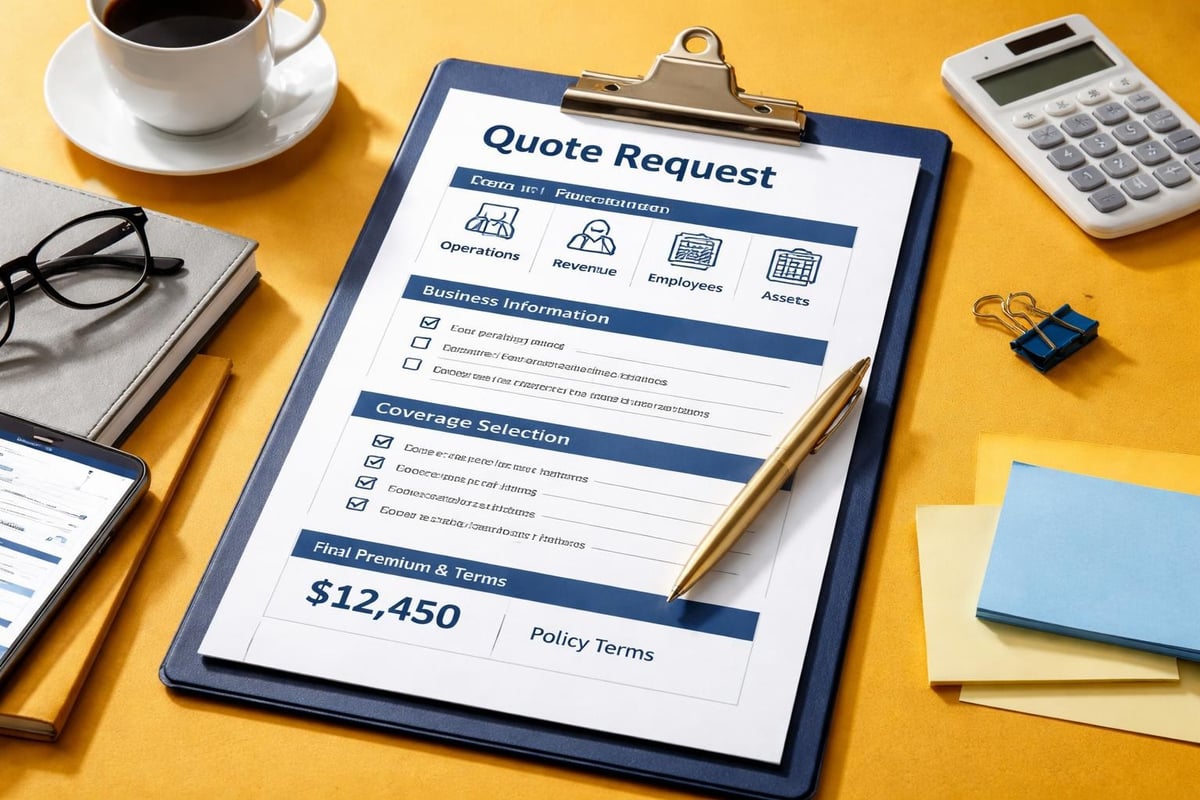
Before requesting quotes, compile essential business details insurers need for accurate pricing. Having this information ready streamlines the quotation process.
Prepare the following details:
Business structure and ownership information
Detailed description of products or services
Annual revenue figures and projections
Number of employees and payroll costs
Property values and equipment inventories
Existing coverage details and claims history
Accurate information produces accurate quotes. Underestimating revenue or omitting operations can invalidate coverage when you need it most.
Requesting and Comparing Quotes
The quickest way to secure appropriate simple business insurance involves obtaining quotes from multiple sources. This comparison reveals market pricing and coverage variations.
When you're ready to move forward, you can get a quick quote for your business insurance through a streamlined online process that matches you with suitable coverage options. Working with specialists who understand your sector ensures you receive relevant recommendations rather than generic packages.

Compare quotes carefully beyond just premium costs. Examine coverage limits, exclusions, deductibles, and additional benefits each policy offers. The cheapest option rarely provides the best value.
Understanding Policy Documents
Insurance policies contain important details governing your coverage. While dense legal language seems intimidating, understanding key sections prevents nasty surprises during claims.
Pay particular attention to the definitions section, which clarifies what terms mean within your policy context. The exclusions section lists what isn't covered, often the most critical information.
Coverage limits, deductibles, and conditions outline when and how much the insurer pays. Notice periods, cancellation terms, and renewal conditions affect your ongoing relationship with the provider.
Ask questions about anything unclear before purchasing. Reputable insurers and brokers welcome questions and provide clear explanations.
Common Mistakes to Avoid
Even experienced business owners occasionally make insurance errors that create coverage gaps or waste resources. Learning from common mistakes helps you avoid similar pitfalls.
Under-Insurance Pitfalls
Selecting inadequate coverage limits represents the most frequent and costly mistake. Many businesses choose limits based on affordability rather than actual exposure.
Under-insurance affects claims settlements dramatically. If you insure a £200,000 building for only £100,000, the insurer may apply proportional reductions to all claims, not just total losses.
Regular valuations ensure your coverage keeps pace with inflation and business growth. What sufficed three years ago likely falls short in 2026.
Overlooking Specific Coverage Needs
Generic business insurance packages may not address your unique risks. Specialist equipment, professional services, or unusual operations often require specific endorsements or separate policies.
Business liability coverage needs vary considerably between industries. Understanding sector-specific exposures ensures comprehensive protection.
Cyber insurance increasingly becomes essential as businesses rely more heavily on digital systems and store sensitive customer data. Data breaches, ransomware attacks, and system failures can devastate businesses without adequate cyber coverage.
Failing to Review and Update Coverage
Business circumstances change constantly. Launching new products, hiring employees, acquiring equipment, or expanding premises all affect your insurance needs.
Schedule annual insurance reviews coinciding with policy renewals. This timing allows adjustments before coverage gaps emerge. Major business changes warrant immediate review regardless of renewal timing.
Document all business changes throughout the year. This record simplifies the renewal process and ensures nothing gets overlooked when updating coverage.
Industry-Specific Considerations
Different business sectors face unique risks requiring tailored simple business insurance approaches. Understanding your industry's specific exposures ensures appropriate protection.
Retail and Hospitality Businesses
Shops, restaurants, and hospitality venues encounter high public interaction creating significant liability exposure. Stock damage, customer injuries, and food safety issues represent common claims.
Affordable pub and restaurant insurance addresses these sector-specific risks whilst remaining cost-effective for businesses with tight margins.
Product liability coverage protects retailers against claims from defective goods. Even if you didn't manufacture items, selling them creates potential liability under UK consumer protection laws.
Construction and Trade Businesses
Contractors face complex insurance needs spanning multiple coverage types. Tools, equipment, vehicles, and liability exposures all require attention.
Contractors insurance for small builders typically includes public liability, employers' liability, tools coverage, and contract works insurance protecting projects under construction.
Professional indemnity becomes relevant when providing design services or specialist advice. Errors in specifications or recommendations can lead to expensive rectification costs.
Professional Services Firms
Consultancies, accountants, solicitors, and advisors rely heavily on professional indemnity insurance. Client relationships centre on trust in your expertise, making negligence claims particularly damaging.
Coverage should extend beyond your current practice to include "run-off" protection covering claims arising after you cease trading. Some professions require minimum professional indemnity levels for regulatory compliance.
Cyber insurance proves increasingly important for firms holding sensitive client data. GDPR compliance failures and data breaches create both regulatory fines and compensation claims.
Technology and Digital Businesses
Tech companies encounter rapidly evolving risks traditional insurance products may not fully address. Intellectual property disputes, software errors, and cyber threats require specialised coverage.
Errors and omissions insurance (essentially professional indemnity for tech firms) covers financial losses clients suffer due to software bugs, failed implementations, or missed deadlines. The additional resources from the Insurance Information Institute provide further information on emerging technology risks.
Product liability extends to software and digital products causing financial harm or data loss. Even free software can generate liability if failures cause consequential losses.
Managing Your Simple Business Insurance Effectively
Purchasing appropriate coverage represents just the beginning. Effective ongoing management ensures your insurance delivers value when needed.
Maintaining Accurate Records
Comprehensive documentation supports smooth claims processes and helps evidence your coverage history to future insurers. Poor record-keeping complicates claims and renewals.
Maintain organised files containing:
Current policy documents and schedules
Premium payment receipts and finance agreements
Claims correspondence and settlement documents
Risk assessments and safety inspection reports
Asset inventories with photographs and valuations
Certificates of insurance issued to clients
Digital copies stored securely off-site ensure access even if your premises suffer damage. Cloud storage provides convenient backup whilst maintaining security.
Implementing Risk Management Practices
Insurers reward businesses demonstrating commitment to loss prevention. Robust risk management reduces claims frequency and severity, ultimately lowering your premiums.
Regular staff training on safety procedures, equipment operation, and emergency responses prevents many incidents. Document all training activities as evidence of your risk management efforts.
Physical security measures including alarms, CCTV, and secure storage deter theft and vandalism. Fire prevention systems and regular maintenance reduce property damage risks.
Handling Claims Efficiently
When incidents occur, prompt and thorough claims reporting expedites settlements. Understanding the claims process before you need it reduces stress during difficult situations.
Notify your insurer immediately upon discovering incidents that might generate claims, even before full details emerge. Delays in notification can jeopardise coverage under some policy conditions.
Document everything related to the incident. Photographs, witness statements, correspondence, and financial records all support your claim. The more evidence you provide, the smoother the settlement process typically proceeds.
Maintain open communication with your insurer throughout the claims process. Respond promptly to information requests and keep them updated on developments.
Frequently Asked Questions About Simple Business Insurance
Understanding simple business insurance fundamentals empowers you to make informed protection decisions aligned with your specific operational needs and risk profile. The right coverage combination shields your business from financial devastation whilst meeting legal requirements and client expectations. When you're ready to secure appropriate protection for your business, Miller & Partner Limited specialises in matching UK businesses with the correct insurance cover tailored to their unique circumstances, ensuring comprehensive protection without unnecessary complexity or cost.