




Cryotherapy Business Insurance UK | Cover, Costs & Requirements
This is the ultimate guide for cryotherapy business insurance in the UK

The cryotherapy industry has experienced remarkable growth across the United Kingdom, with wellness centres, sports recovery facilities, and dedicated cryotherapy studios becoming increasingly popular. As this innovative treatment sector expands, business owners face unique insurance challenges that require specialist understanding.
If you offer other treatments alongside this then check out our Alternative Therapies page for a broader view. This article will just focus on cryotherapy covers for your business.
Operating a cryotherapy business without comprehensive insurance protection exposes you to significant financial risks, from client injury claims to equipment failures and professional liability issues. Whether you're launching a new cryotherapy venture or reviewing your existing cover, understanding the specific insurance requirements for this specialised sector is essential for long-term success and regulatory compliance.
Understanding Cryotherapy Business Risks in the UK
Cryotherapy businesses operate in a high-risk environment where clients voluntarily expose themselves to extremely low temperatures, typically ranging from minus 110 to minus 160 degrees Celsius. This inherent risk profile makes these policies fundamentally different from standard wellness or beauty treatment cover.
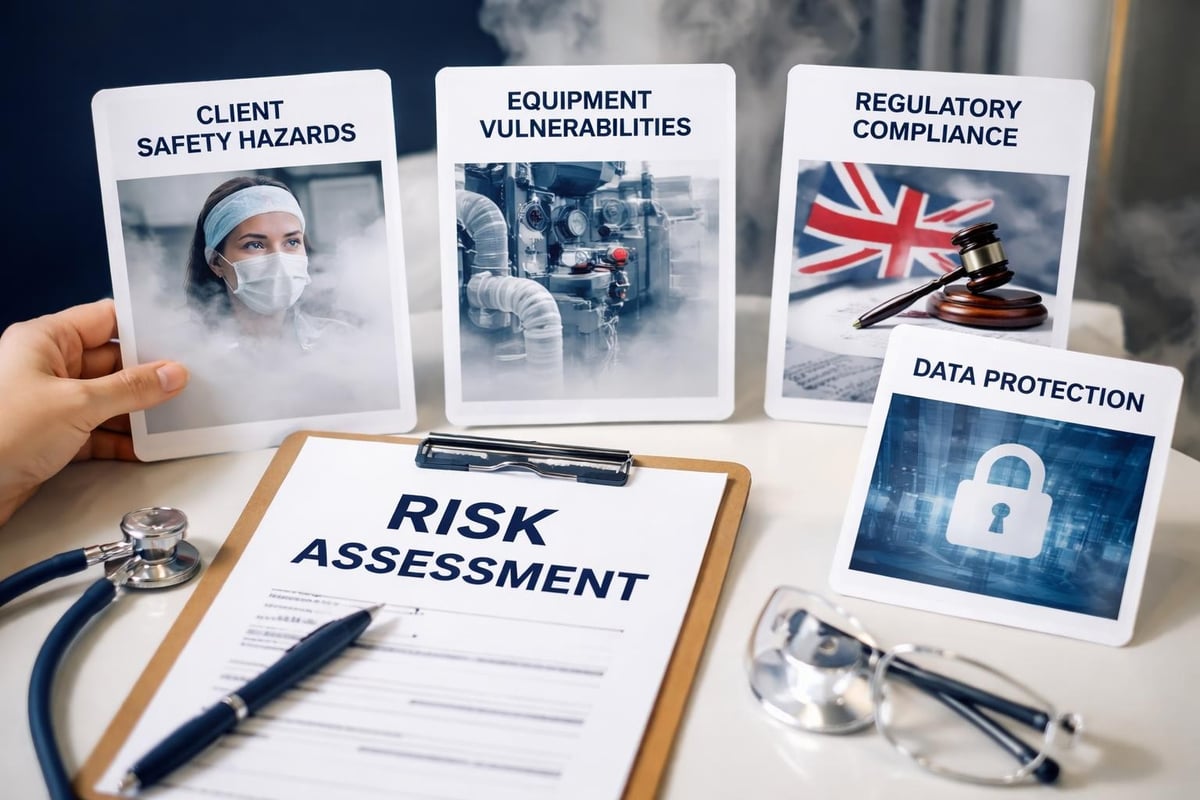
The primary risks facing cryotherapy operators include client injuries from cold burns, frostbite, or adverse reactions to extreme temperatures. Equipment malfunctions can result in serious harm, whilst improper supervision or inadequate safety protocols may lead to significant liability claims. Additionally, businesses must consider property damage risks, particularly given the specialised nature of cryotherapy chambers and the nitrogen systems that power them.
What are the key risk categories for cryotherapy businesses:
Client injury from temperature exposure or equipment failure
Professional negligence claims arising from inadequate assessments
Equipment breakdown leading to business interruption
Property damage from nitrogen leaks or system malfunctions
Data breaches involving client health information
Regulatory compliance failures and enforcement actions
Beyond immediate physical risks, cryotherapy operators face reputational challenges. A single serious incident can generate negative publicity that damages client confidence and affects future bookings. This makes comprehensive insurance protection not merely a regulatory requirement but a fundamental business continuity measure.
Essential Insurance Cover Types for Cryotherapy Businesses
Cryotherapy Public Liability Insurance
Public liability insurance forms the cornerstone of cryotherapy business insurance UK protection. This cover responds to claims from clients or visitors who suffer injury or property damage whilst on your premises or receiving treatment. Given the extreme temperatures involved in cryotherapy, insurers typically require higher coverage limits than standard wellness businesses.
Most cryotherapy businesses need public liability cover starting at £5 million, though some commercial landlords or licensing authorities may mandate £10 million limits. The policy should specifically include cold therapy treatments within its scope, as standard beauty therapy policies often exclude this activity.
Professional Indemnity Insurance
Professional indemnity insurance protects against claims arising from professional advice, treatment recommendations, or service delivery failures. For cryotherapy operators, this becomes critical when clients allege that inadequate health screening, improper treatment protocols, or negligent advice caused them harm.
This cover typically addresses situations where clients claim their condition worsened following cryotherapy sessions, or where pre-existing health conditions weren't properly identified during consultation. Professional indemnity also covers legal defence costs, which can accumulate rapidly even when claims prove unfounded. Understanding professional indemnity requirements ensures your business maintains appropriate protection levels.
Equipment and Contents Insurance
Cryotherapy chambers represent substantial capital investments, often costing between £30,000 and £150,000 depending on specification. Equipment insurance must cover not only the chamber itself but also nitrogen delivery systems, cooling units, monitoring equipment, and related technology.
Standard contents policies rarely provide adequate protection for this specialised equipment. Your cryotherapy business insurance UK policy should include:
New replacement cover for cryotherapy chambers
Mechanical and electrical breakdown protection
Accidental damage cover for sensitive equipment
Temporary replacement costs during repairs
Loss of nitrogen and other consumables
Employers' Liability Insurance
Any cryotherapy business employing staff requires employers' liability insurance by law, with minimum cover of £5 million. This protects your business if employees suffer injury or illness arising from their work. Given the unique environment, staff face risks from nitrogen exposure, cold-related injuries, and repetitive strain from assisting clients.
If you offer other therapies such as IV Drip therapy, Red Light therapy or Cold Plunge therapy, you will need a more comprehensive package that can cover all aspects of your alternative therapies business. Speaking with a knowledgable broker can ensure you are covered for every individual therapy so there are no gaps in your cover.
Regulatory Compliance and Licensing Requirements
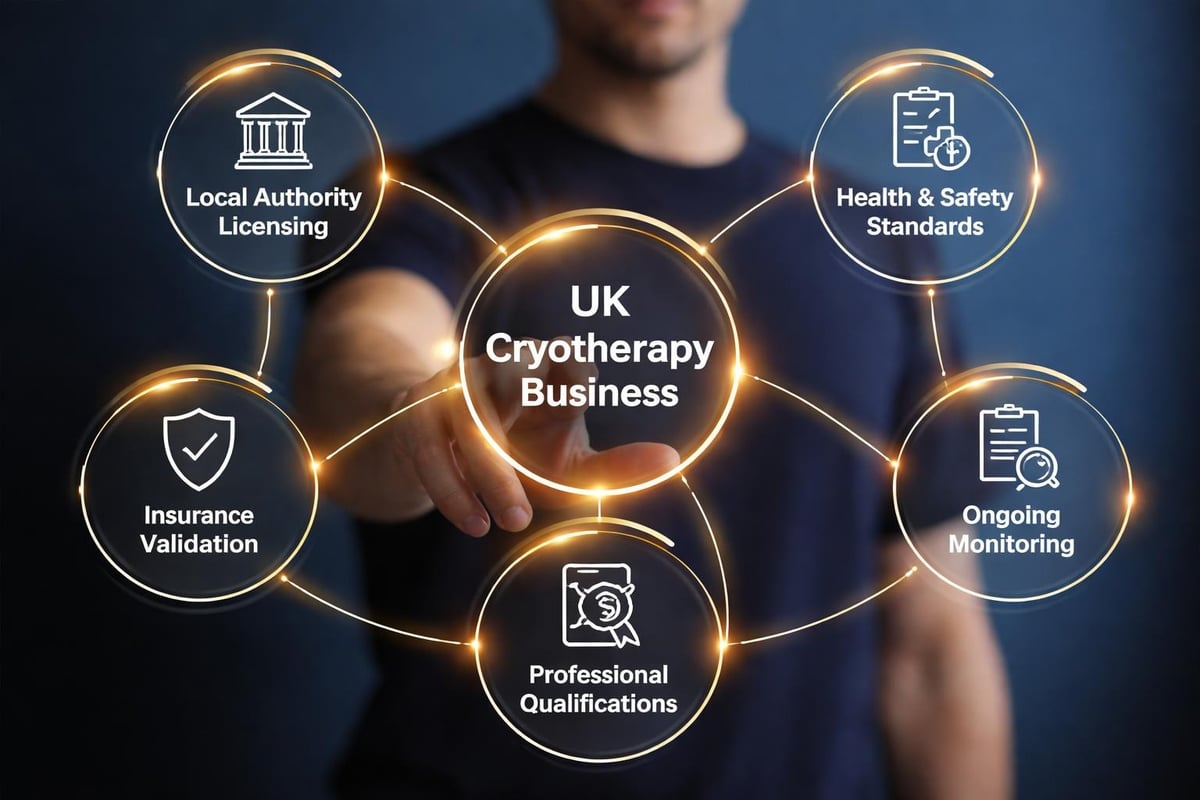
Operating a cryotherapy business in the UK requires adherence to multiple regulatory frameworks. Local councils typically classify cryotherapy facilities as special treatment premises, requiring specific licensing under local authority bylaws. Your insurance provider must understand these requirements, as many policies include compliance conditions.
Regulatory considerations affecting insurance:
Health and Safety Executive (HSE) guidance on cryogenic equipment
Local authority special treatment licensing
Data protection obligations under UK GDPR
Advertising Standards Authority (ASA) requirements for health claims
Environmental health and safety standards
Professional qualification requirements for operators
Non-compliance with these regulations can void insurance coverage, leaving your business completely exposed. When selecting cryotherapy liability providers, verify that your policy remains valid provided you maintain necessary licences and adhere to regulatory requirements.
Cost Factors for Cryotherapy Treatment Insurance
Insurance premiums for cryotherapy businesses vary significantly based on multiple factors. Understanding these elements helps you anticipate costs and potentially reduce premiums through risk management improvements.
Primary cost determinants include:
Annual turnover: Higher revenue typically correlates with increased premium costs
Treatment volume: More client sessions mean greater exposure to claims
Equipment value: Expensive chambers require higher contents cover limits
Claims history: Previous incidents significantly impact renewal premiums
Staff qualifications: Properly trained operators demonstrate lower risk
Safety protocols: Documented procedures and emergency plans reduce premiums
Location: Urban centres with higher claim frequencies cost more
Cover limits: Higher protection levels naturally increase costs
A small cryotherapy studio with single-chamber operations might expect annual insurance costs between £2,500 and £5,000. Larger facilities with multiple chambers, extensive staff, and higher turnover could face premiums exceeding £10,000 annually. These figures represent indicative ranges, with actual costs depending on your specific risk profile.
Unsure on what covers you need? Get in touch with us today on [email protected], call 01792 001350 or just....
What are Some Risk Management Strategies to Reduce Insurance Costs?
Implementing robust risk management measures not only enhances client safety but also demonstrates to insurers that you operate responsibly. This proactive approach can significantly reduce your cryotherapy treatment insurance premiums whilst improving overall business resilience.
Client Screening and Consultation Protocols
Thorough health screening forms your first line of defence against claims. Develop comprehensive consultation forms that identify contraindications including pregnancy, cardiovascular conditions, cold sensitivity disorders, and recent surgeries. Document every client interaction, ensuring signed acknowledgment of risks and treatment limitations.
Maintain detailed records showing you advised clients appropriately based on their disclosed health status. This documentation becomes crucial evidence if claims arise, demonstrating your professional diligence and adherence to duty of care obligations.
Staff Training and Competency
Invest in formal training programmes for all staff operating cryotherapy equipment. Whilst the UK lacks mandatory certification for cryotherapy operators, completing recognised courses through bodies like CIBTAC or VTCT demonstrates commitment to professional standards.
Regular refresher training ensures staff remain current with best practices, emergency procedures, and equipment operation protocols. Document all training activities, creating an audit trail that proves ongoing competency development.
Equipment Maintenance and Safety Systems
Establish rigorous maintenance schedules for all cryotherapy equipment, following manufacturer recommendations precisely. Keep detailed service records showing regular inspections, calibration checks, and component replacements. Modern insurance policies increasingly require evidence of preventive maintenance as a condition of cover.
Install comprehensive safety systems including emergency stop mechanisms, temperature monitors, oxygen level detectors, and communication systems inside chambers. These investments reduce incident likelihood whilst demonstrating your commitment to client safety.
Comparing Cryotherapy Insurance Providers
Not all insurers understand the cryotherapy sector equally well. Selecting a provider with relevant expertise ensures appropriate cover without unnecessary exclusions or inflated premiums. When evaluating cryotherapy insurance cover options, consider these critical factors:
Sector experience: Has the insurer covered cryotherapy businesses previously?
Policy wording clarity: Are treatment types explicitly included rather than vaguely referenced?
Claims handling reputation: How efficiently does the insurer process claims?
Financial stability: Can the insurer meet large claims if necessary?
Additional services: Does the provider offer risk management support?
Premium competitiveness: How do costs compare for equivalent cover?
Working with specialist commercial insurance brokers often provides access to insurers you wouldn't find through direct searches. Brokers understand which providers actively seek cryotherapy business and can negotiate terms on your behalf.
Avoid the temptation to select coverage based solely on price. The cheapest policy frequently contains exclusions that render it ineffective when you need it most. Instead, focus on comprehensive protection from reputable insurers with proven claims-paying ability.
Are There any Mobile Cryotherapy Services and Insurance Implications?
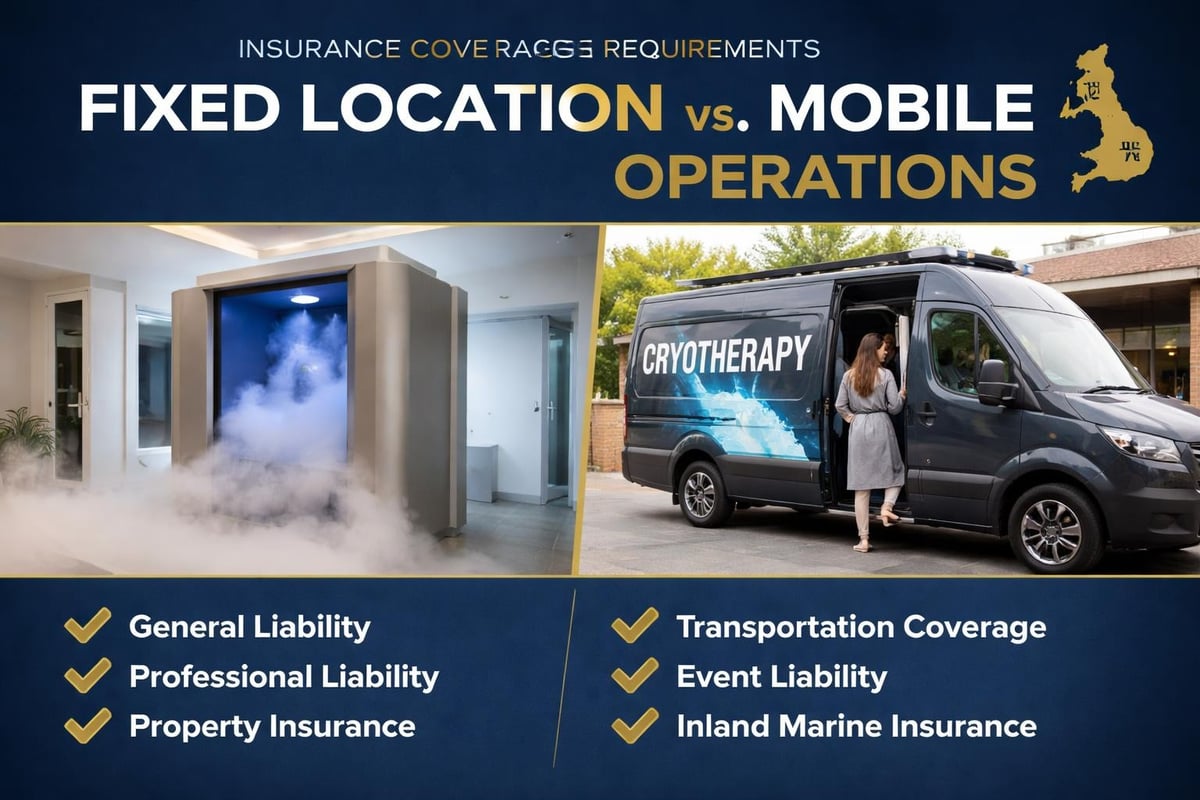
Mobile cryotherapy services, where operators transport equipment to clients' homes, gyms, or events, present additional insurance considerations. These businesses require extended public liability coverage addressing off-premises operations, whilst goods in transit insurance protects equipment during transportation.
Additional cover requirements for mobile operations:
Public liability extension for temporary locations
Goods in transit insurance for equipment
Commercial vehicle insurance if using dedicated transport
Occupiers' liability at client premises
Equipment breakdown cover during transportation
Increased professional indemnity limits
Mobile operators often face higher premiums reflecting increased risk exposure from varied locations, transportation hazards, and reduced control over operating environments. However, this business model can access diverse client bases, potentially offsetting higher insurance costs through increased revenue.
Specific Exclusions to Watch for in Policies
Standard cryotherapy business insurance in the UK policies contain numerous exclusions that could leave you exposed if not properly addressed. Understanding these limitations enables you to negotiate amended terms or purchase supplementary cover where necessary.
Common exclusions include:
Pre-existing client conditions: Claims arising from health issues present before treatment
Unauthorised treatments: Procedures outside your licensed scope
Unlicensed staff: Incidents involving unqualified operators
Alcohol or drug influence: Claims where clients were intoxicated
Deliberate misconduct: Intentional acts by staff or clients
Contractual liability: Obligations you've assumed through contracts
Pollution: Environmental damage from refrigerant leaks
Cyber incidents: Data breaches or system failures (unless cyber insurance added)
Review policy wordings carefully, questioning any exclusions that seem overly broad or ambiguous. Some insurers use restrictive definitions that effectively exclude common scenarios. For instance, policies defining "professional service" narrowly might not cover consultations or assessments, only the actual cryotherapy exposure.
Whole-Body Cryotherapy vs Localised Cryotherapy: Different Treatments, Different Insurance Needs
Not all cryotherapy is the same from an insurance perspective, and treating it as a single category is a mistake that can leave parts of your business unprotected or result in you paying premiums for cover that does not match your actual operations.
Whole-body cryotherapy involves a client entering a cryotherapy chamber and being exposed to temperatures between minus 110 and minus 160 degrees Celsius for a controlled period, typically two to four minutes. The risk profile here is substantial. The equipment is complex, capital-intensive, and powered by liquid nitrogen systems that carry their own safety and regulatory obligations. A single whole-body chamber can cost between £30,000 and £150,000 to purchase, and the consequences of equipment failure, nitrogen leaks, or inadequate supervision can be severe. Insurers class whole-body cryotherapy as a high-risk treatment category, and policies covering it require explicit inclusion in the schedule, higher public and treatment liability limits, and equipment cover that reflects the true replacement value of the chamber.
Localised cryotherapy — sometimes called targeted cryotherapy — applies cold therapy to a specific area of the body using handheld cryotherapy devices, cryo wands, or spot-treatment applicators. Common applications include facial cryotherapy, joint and muscle recovery treatments, and localised fat-reduction procedures. The equipment is significantly less complex, typically costing between £500 and £5,000, and the exposure risk is lower given that only a targeted area of the body is involved. Many beauty therapy insurers will cover localised cryotherapy as an add-on to an existing treatment policy, provided the operator holds appropriate qualifications.
The practical implications for your insurance programme are as follows. If you operate whole-body chambers only, you need a specialist cryotherapy business insurance policy — a standard beauty or wellness policy will not provide adequate cover regardless of what a general description might suggest. If you offer localised treatments only, a specialist beauty therapy insurer may be able to accommodate you at lower premiums, though you should still verify that cryogenic devices are specifically listed. If you offer both, your policy must explicitly cover both treatment modalities, and it is worth confirming with your broker that the liability limits are appropriate for your whole-body operations rather than being set at the lower threshold suited to localised work only.
One further consideration applies to businesses that start with localised treatments and later invest in a whole-body chamber — a common growth path in the sector. Adding whole-body cryotherapy to your operations is a material change that must be declared to your insurer immediately. Failing to notify them before you begin offering chamber sessions could invalidate your entire policy, not just the new treatment type.
Additional Cover Considerations for Comprehensive Cryotherapy Business Protection
Beyond core policies, several supplementary covers warrant consideration based on your specific business model and risk appetite.
Business Interruption Insurance
Business interruption cover compensates for lost income when insured events prevent normal operations. For cryotherapy businesses, this becomes valuable when equipment failures, property damage, or mandated closures interrupt revenue. Policies typically cover fixed costs like rent and salaries alongside lost profits during the interruption period.
Calculate your maximum probable interruption period based on equipment replacement timescales. If your cryotherapy chamber requires three months for replacement following major damage, ensure your policy provides adequate cover for this duration.
Cyber Insurance
Cryotherapy businesses collect sensitive client health data, making them attractive targets for cybercriminals. Cyber insurance addresses data breach costs including notification expenses, regulatory fines, legal fees, and compensation payments. Given UK GDPR penalties reaching £17.5 million or 4% of annual turnover, this protection increasingly becomes essential rather than optional.
Legal Expenses Insurance
Legal expenses cover funds defence costs for various disputes including employment tribunals, contract disagreements, and regulatory investigations. This protection proves particularly valuable for smaller businesses lacking substantial cash reserves to fund extended legal proceedings.
Why Public Liability Alone Won't Protect Your Cryotherapy Business
This is one of the most common and costly misconceptions among cryotherapy operators, particularly those coming from a beauty therapy background. Public liability insurance does not cover injuries caused by the treatment itself.
Public liability responds to general premises incidents — a client slips on a wet floor, a visitor trips over a cable, a member of the public damages their property whilst on your premises. These are incidental events that happen to occur at your business. The moment an injury arises from the cryotherapy treatment itself — a cold burn, a frostbite injury, an adverse reaction to extreme temperature exposure — you move outside the scope of standard public liability cover entirely.
This distinction matters enormously in practice. If a client suffers skin burns during a three-minute whole-body session, your public liability insurer can legitimately decline the claim on the basis that the injury arose from a professional treatment, not a general premises hazard. Without treatment liability cover sitting alongside your public liability policy, that claim lands with you personally.
Treatment liability insurance is the specific cover that fills this gap. It is designed to respond to injury or property damage arising directly from the delivery of a cryotherapy treatment — the part of your business that carries the greatest risk. Some specialist insurers bundle treatment liability within a broader public liability policy for wellness businesses, but the critical point is to verify it is explicitly included in the policy wording, not assumed. If the words "cryotherapy," "cold therapy," or "whole-body cryotherapy" do not appear in your schedule of covered treatments, you should treat that policy as offering no treatment protection whatsoever.
When reviewing any cryotherapy insurance quote, ask the broker or insurer one direct question: does this policy cover injury arising from the cryotherapy treatment itself, including cold burns and adverse temperature reactions? The answer will tell you immediately whether you have appropriate cover or a dangerous gap.
Claims Process and What to Expect
Understanding the claims process helps you respond appropriately when incidents occur, maximising the likelihood of successful claim settlement. When client injuries, property damage, or other insured events happen, follow these steps:
Immediate incident management: Ensure client safety, provide necessary first aid, and prevent further harm
Documentation: Photograph the scene, gather witness statements, and preserve equipment in its current state
Insurer notification: Contact your insurance provider within timeframes specified in your policy, typically 24-48 hours
Claim form completion: Provide comprehensive details about the incident, avoiding speculation about liability
Cooperation: Assist investigators, provide requested documentation, and maintain communication throughout
Legal representation: Let your insurer appoint solicitors rather than engaging your own initially
Never admit liability or offer compensation directly to claimants. These actions can prejudice your insurer's ability to defend claims effectively. Instead, direct all communications through your insurance provider once they've been notified.
Most cryotherapy liability claims settle within three to six months for straightforward matters, though complex cases involving serious injuries may extend beyond a year. Maintain detailed records of all incident-related expenses, as these may be recoverable under your policy.
Real-World Claims Example: Why Specialist Cryotherapy Insurance Matters
Consider a scenario that illustrates exactly why standard commercial insurance falls short for cryotherapy operators.
A wellness studio in Manchester offered whole-body cryotherapy sessions as part of a broader recovery programme. A client completed a standard intake form but did not disclose a history of Raynaud's disease — a condition that causes extreme sensitivity to cold temperatures. During a three-minute session at minus 130 degrees Celsius, the client suffered a severe vasospastic episode and cold burns to both hands, requiring hospital treatment and time off work.
The client subsequently brought a claim against the studio on two grounds: first, that the intake consultation was insufficiently thorough to identify their contraindication; and second, that the supervising therapist failed to respond quickly enough when the client signalled distress.
The total claim — combining medical expenses, lost earnings, and legal costs — reached £47,000.
Because the studio held specialist cryotherapy business insurance with both public liability and professional indemnity cover, the outcome was manageable:
Public liability responded to the injury sustained on premises
Professional indemnity covered the allegation of negligent screening and inadequate supervision
Legal defence costs were handled entirely by the insurer, avoiding out-of-pocket expenditure during an eight-month claims process
Had the studio been operating under a standard beauty therapy policy — which commonly excludes whole-body cryotherapy — the claim would have fallen entirely outside the scope of cover, leaving the business owner personally liable.
The studio also avoided regulatory action by demonstrating documented safety protocols and staff training records, which supported the insurer's defence throughout the process.
Annual Review and Policy Updates
Your insurance needs evolve as your business grows, making annual policy reviews essential. Schedule comprehensive assessments before each renewal, evaluating whether your current coverage remains appropriate.
Annual review checklist:
Has your turnover increased requiring higher cover limits?
Have you added new treatment types or equipment?
Are staff numbers or qualifications different?
Has your claims history affected renewal terms?
Do regulatory changes impact coverage requirements?
Are competitor premiums significantly lower for equivalent cover?
Don't assume renewal quotations represent the best available terms. Market conditions fluctuate, with insurers entering or exiting the cryotherapy sector regularly. Obtaining comparative quotations from multiple providers ensures you maintain competitive pricing whilst securing comprehensive protection.
Consider engaging insurance brokers who specialise in wellness and beauty sectors. These professionals monitor market developments, understand emerging coverage options, and negotiate improved terms based on their insurer relationships. For businesses exploring various commercial insurance options, specialist advice proves invaluable for navigating complex requirements.
Frequently Asked Questions
Understanding cryotherapy business insurance UK requirements protects your investment whilst ensuring clients receive treatments in a properly safeguarded environment. The combination of specialist equipment, extreme temperatures, and health treatment considerations creates a unique risk profile requiring tailored insurance solutions rather than generic commercial policies.
Miller & Partner Limited specialises in matching businesses with appropriate insurance cover, understanding the specific challenges facing cryotherapy operators across the United Kingdom. For expert guidance on securing comprehensive protection for your cryotherapy business.
Related Alternative Therapy Insurance Guides
Contact us now on [email protected] or call 01792 001350.
Or simply...