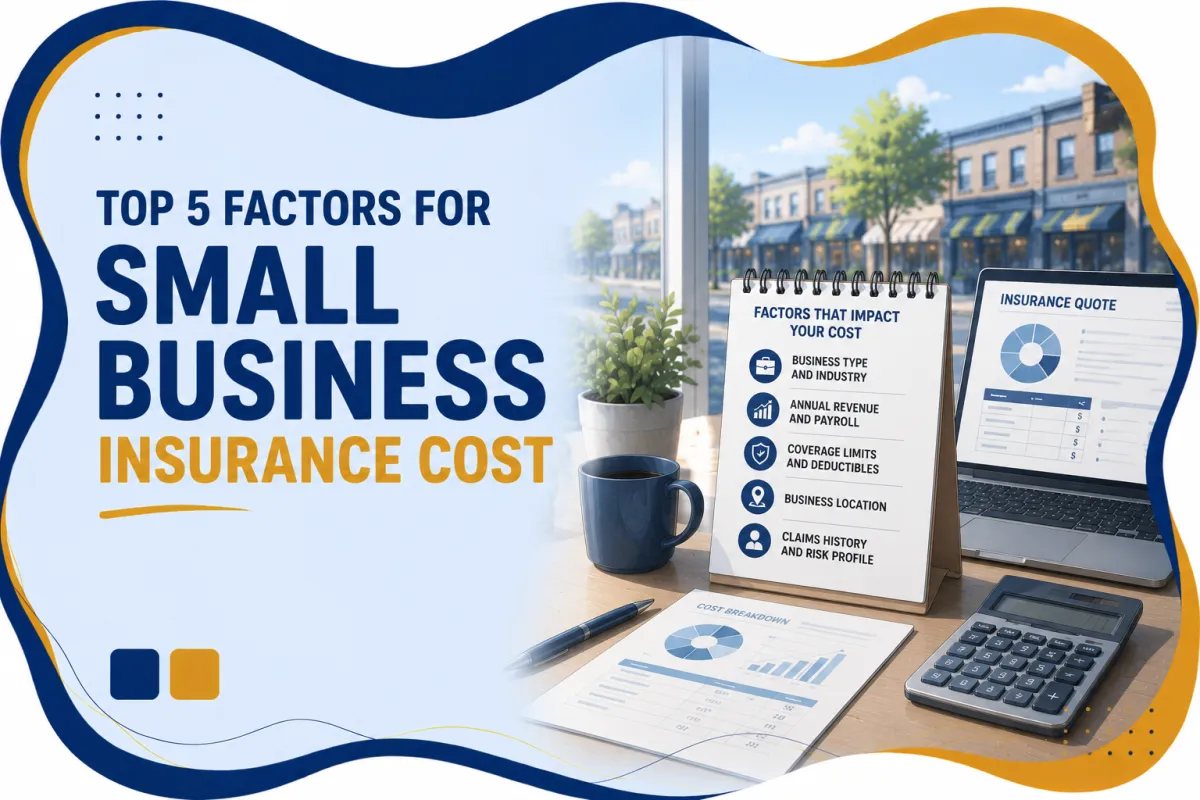
Small Business Insurance Prices: UK Costs & Factors

Small Business Insurance Prices: UK Costs & Factors

March 20, 202613 min read

Understanding small business insurance prices remains one of the most pressing concerns for UK entrepreneurs and established companies alike. Whether you're launching a new venture or reviewing existing coverage, the cost of protecting your business can significantly impact your budget and cash flow. Insurance prices vary dramatically across industries, locations, and coverage types, making it essential to understand the factors that influence what you'll pay and how to secure the best value for your specific needs.

What Determines Small Business Insurance Prices in the UK

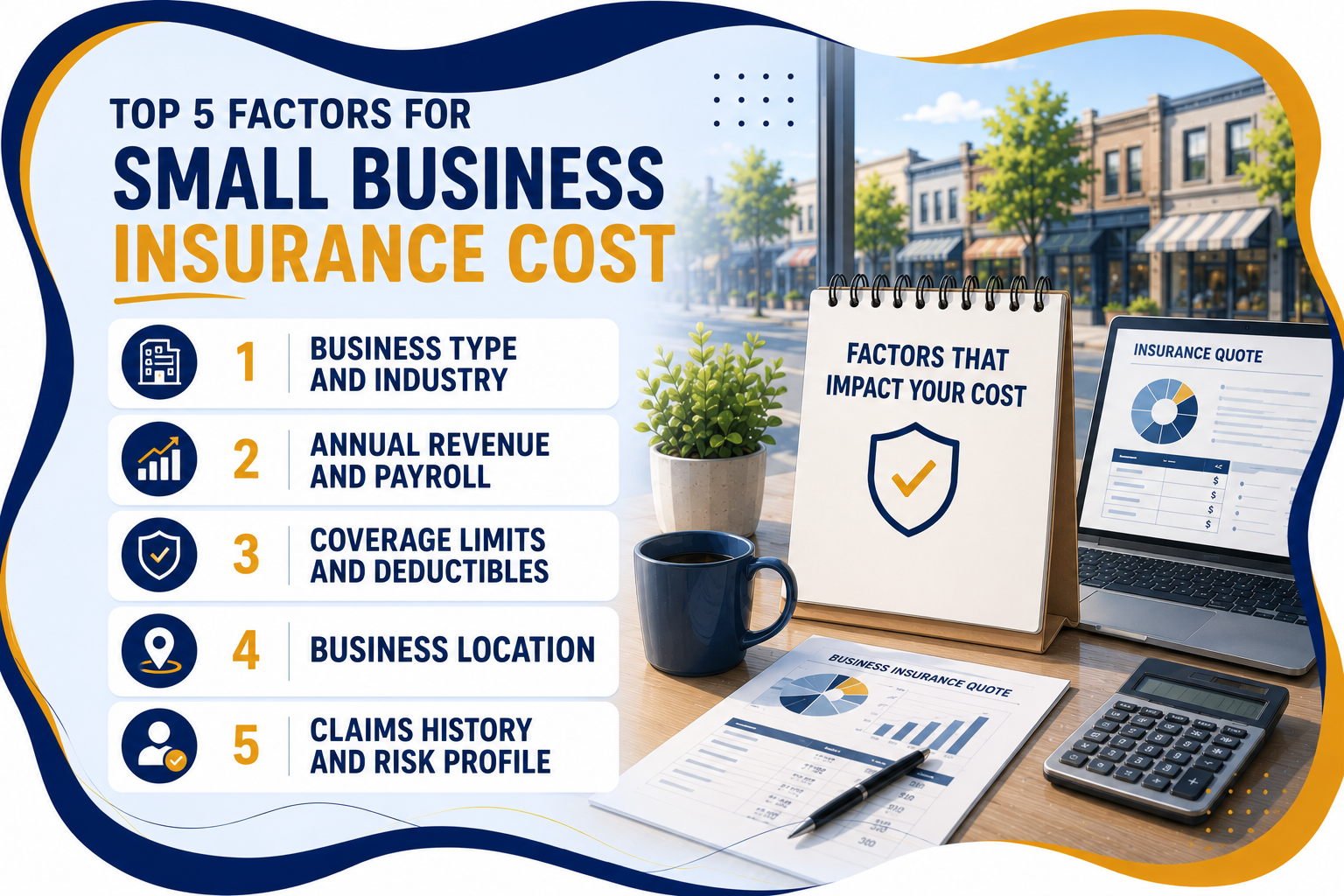
Small business insurance prices reflect a complex calculation based on multiple risk factors that insurers assess when underwriting your policy. The premium you pay represents the insurer's evaluation of how likely your business is to make a claim and the potential severity of that claim.

Industry and Business Activities

Your sector plays perhaps the most significant role in determining insurance costs. A construction firm faces vastly different risks compared to a consultancy, and factors that affect your business insurance premiums reflect these variations. High-risk industries such as manufacturing, construction, and hospitality typically pay substantially more than professional services or retail operations.

Key industry risk factors include:

  • Physical hazards present in daily operations

  • Likelihood of workplace injuries

  • Exposure to public liability claims

  • Professional negligence risks

  • Product liability concerns

  • Environmental hazards

Business Size and Revenue

Insurers consider your turnover, number of employees, and physical premises when calculating small business insurance prices. Larger businesses with higher revenues generally pay more in absolute terms, though not necessarily as a percentage of turnover. A business employing 50 staff members carries different liability exposures than a sole trader, affecting premium calculations accordingly.

Business size impact on insurance costs

Location and Operating Territory

Where you conduct business significantly impacts your insurance costs. Urban locations with higher crime rates, greater public footfall, or increased traffic density often command higher premiums than rural areas. Additionally, if you operate across multiple regions or internationally, your comprehensive business insurance needs become more complex and costly.

Average Small Business Insurance Prices by Coverage Type

Understanding the typical costs for different policy types helps you budget appropriately and identify competitive quotes. Small business insurance costs vary considerably depending on coverage levels and business characteristics.

Public Liability Insurance

This essential coverage protects against third-party injury or property damage claims. Most small businesses pay between £100 and £500 annually for £5 million in cover, though high-risk sectors may pay significantly more. Public liability remains one of the most commonly required policies, often mandated by clients or landlords.

Employers' Liability Insurance

Legally required for businesses with employees, employers' liability insurance typically costs between £75 and £300 annually for basic coverage. The price increases with employee numbers and the inherent risks within your industry. For those needing specialised coverage, contractors insurance for small builders addresses specific sector requirements.

Professional Indemnity Insurance

Professional service providers require this coverage against claims of negligence, errors, or omissions. Annual premiums range from £150 to £1,500+ depending on your profession, turnover, and required coverage limit. Consultants, accountants, and IT professionals often find this their most expensive policy.

Factors affecting professional indemnity prices:

  1. Professional qualifications and accreditations

  2. Years of trading experience

  3. Claims history in your sector

  4. Contract values and client types

  5. Coverage limit required

Commercial Property Insurance

Protecting your premises, contents, and stock typically costs between £200 and £2,000 annually. Variables include property value, location, security measures, and whether you own or lease the premises. Businesses operating from home generally pay less than those with dedicated commercial properties.

How Claims History Affects Small Business Insurance Prices

Your claims record exerts considerable influence over what you'll pay for coverage. Insurers view previous claims as indicators of future risk, and even legitimate claims can result in increased premiums at renewal.

A clean claims history spanning three to five years demonstrates lower risk and often qualifies you for no-claims discounts ranging from 10% to 30%. Conversely, multiple claims within a short period can lead to premium increases of 20% to 100%, depending on severity and frequency.

Managing your claims approach:

  • Only claim for significant losses exceeding your excess by a meaningful margin

  • Implement robust risk management procedures

  • Document all safety measures and employee training

  • Consider higher voluntary excesses to reduce premiums

  • Maintain detailed records of preventative actions

Understanding commercial insurance premiums helps you anticipate how different factors combine to determine your final price.

Regional Variations in UK Insurance Pricing

Small business insurance prices fluctuate considerably across different UK regions. London and the South East typically command the highest premiums due to elevated property values, higher crime rates, and increased public liability exposures. Northern England, Scotland, and Wales often benefit from lower baseline costs.

Urban vs Rural Considerations

City centre businesses face higher theft risks, greater public footfall, and more complex liability scenarios. Rural enterprises may enjoy lower baseline premiums but could face higher costs if they're distant from emergency services or operate in areas prone to flooding.

Regional pricing factors:

  • Local crime statistics and theft rates

  • Proximity to emergency services

  • Historical weather patterns and flood risks

  • Property values and rebuild costs

  • Competition among insurers in the area

Regional insurance cost variations infographic

Reducing Your Small Business Insurance Costs

Whilst maintaining adequate coverage remains paramount, several strategies can help moderate your small business insurance prices without compromising protection.

Risk Management and Loss Prevention

Insurers reward businesses that demonstrate proactive risk management. Installing security systems, implementing health and safety protocols, and providing regular staff training can all reduce premiums. Some insurers offer specific discounts for certified security measures or industry accreditations.

Documenting your risk management efforts proves invaluable during renewal negotiations. Maintain records of employee training, safety inspections, equipment maintenance, and security upgrades. This evidence demonstrates your commitment to minimising claims.

Policy Bundling and Multi-Cover Discounts

Purchasing multiple policies from a single insurer often unlocks significant savings. Combined packages can reduce total costs by 10% to 25% compared to buying separate policies. Commercial insurance brokers can identify the most cost-effective bundling options for your specific needs.

Increasing Voluntary Excesses

Accepting higher voluntary excesses demonstrates confidence in your risk management and reduces insurer exposure to smaller claims. Increasing your excess from £250 to £500 or £1,000 can reduce premiums by 15% to 30%, though you must ensure you can afford the excess if you need to claim.

Annual Payment Discounts

Paying annually rather than monthly eliminates interest charges and administrative fees that can add 10% to 15% to your total cost. Whilst this requires larger upfront capital, the savings prove worthwhile for businesses with adequate cash flow.

Obtaining multiple quotes remains essential for securing competitive small business insurance prices. Working with a specialist broker provides access to multiple insurers and exclusive schemes unavailable directly to consumers.

Understanding Policy Endorsements and Add-Ons

Standard policies rarely provide comprehensive coverage for all business scenarios. Understanding which endorsements you genuinely need versus those that unnecessarily inflate small business insurance prices requires careful evaluation.

Essential vs Optional Endorsements

Essential endorsements address genuine gaps in standard coverage relevant to your operations. Optional add-ons might provide peace of mind but may not justify their cost for your specific risk profile.

Commonly required endorsements:

  • Tools and equipment cover for tradespeople

  • Goods in transit coverage for delivery businesses

  • Cyber liability protection for data processors

  • Environmental liability for manufacturers

  • Pollution cover for certain trades

Often unnecessary add-ons:

  • Coverage for risks already addressed elsewhere

  • Limits far exceeding realistic exposure

  • Protections for scenarios unlikely in your sector

  • Duplicate coverage across multiple policies

When reviewing business liability coverage, ensure each endorsement serves a clear purpose aligned with your actual operations and exposures.

Seasonal Businesses and Insurance Pricing

Businesses operating seasonally face unique challenges when managing insurance costs. Small business insurance prices for seasonal enterprises require careful structuring to avoid paying for unnecessary coverage during dormant periods.

Seasonal Adjustment Options

Many insurers offer seasonal rating, reducing premiums during inactive months. A holiday accommodation provider might pay higher premiums during peak tourist seasons and reduced rates when closed. Similarly, seasonal traders at Christmas markets or summer festivals can structure coverage around active trading periods.

Seasonal insurance strategies:

  1. Negotiate laid-up periods for reduced coverage

  2. Maintain minimum liability cover year-round

  3. Increase coverage limits during peak trading

  4. Adjust stock and inventory valuations seasonally

  5. Review employee numbers and adjust employers' liability accordingly

How Payment Terms Affect Total Insurance Costs

The way you pay for coverage significantly impacts your overall expenditure on small business insurance prices. Understanding the true cost of different payment methods helps you make informed financial decisions.

Monthly Payment Premium Increases

Spreading payments monthly adds interest charges typically ranging from 8% to 15% APR. On a £1,000 annual premium, this could add £80 to £150 to your total cost. Additionally, monthly payment arrangements may include administrative fees of £25 to £50 annually.

Alternative Payment Solutions

Some businesses use business credit cards offering 0% introductory periods to pay annual premiums upfront whilst maintaining cash flow flexibility. Others negotiate staggered payment terms directly with insurers or brokers, potentially avoiding some finance charges.

Insurance payment comparison

The Role of Business Age and Trading History

Established businesses with proven trading records generally secure better small business insurance prices than startups. Insurers view longevity as evidence of stability and competent management, reducing perceived risk.

Start-Up Premium Loadings

New businesses often face premium loadings of 20% to 50% compared to established competitors. This reflects uncertainty about operational practices, financial stability, and management experience. As you build a trading history, these loadings typically decrease.

Building a favourable insurance profile:

  • Maintain continuous coverage without gaps

  • Build a claims-free record

  • Document business growth and stability

  • Obtain relevant industry accreditations

  • Implement formal risk management systems

After three to five years of successful trading, businesses typically achieve standard rating and access to more competitive pricing. Statistics on small business insurance reveal that established businesses pay significantly less than start-ups in equivalent sectors.

Specialist Sectors and Premium Variations

Certain industries require specialist insurance knowledge and face unique pricing structures. Small business insurance prices for these sectors often bear little resemblance to general commercial policies.

High-Risk Specialist Sectors

Construction, hospitality, healthcare, and professional services each present distinct risk profiles requiring tailored coverage. A construction business might spend 3% to 5% of turnover on insurance, whilst a consultancy might pay less than 1%.

Sector-specific pricing considerations:

  • Licensed premises face alcohol-related liability exposures

  • Healthcare providers require substantial malpractice coverage

  • Construction firms need significant public and products liability

  • Technology businesses require comprehensive cyber and professional indemnity

  • Manufacturing operations need product liability and recall coverage

The Impact of Business Structure on Insurance Costs

Your legal business structure influences small business insurance prices through liability exposure and regulatory requirements. Sole traders, partnerships, and limited companies face different insurance considerations.

Sole Trader Considerations

Operating as a sole trader means personal and business assets aren't legally separated, potentially increasing personal liability exposure. However, insurance costs might be lower due to smaller scale operations and reduced complexity. Understanding sole proprietorship insurance requirements helps you secure appropriate coverage.

Limited Company Implications

Limited companies benefit from separation between personal and business liabilities, though they often face higher insurance costs due to increased regulatory requirements and typically larger operations. Directors and officers insurance becomes relevant for limited companies, adding to overall insurance expenditure.

Using Insurance Brokers vs Direct Insurers

Deciding whether to purchase through a broker or directly from an insurer affects both the small business insurance prices you'll pay and the service you'll receive. Each approach offers distinct advantages depending on your circumstances.

Broker Advantages

Commercial insurance brokers access multiple insurers and specialist schemes unavailable directly to businesses. They negotiate on your behalf, explain complex coverage details, and manage claims. Whilst some charge fees, many receive commission from insurers, meaning their service costs you nothing directly.

Brokers prove particularly valuable for complex risks, specialist sectors, or businesses requiring multiple policies. They understand market conditions and know which insurers favour specific industries or risk profiles.

If you're looking for competitive rates and expert guidance, obtaining a quick quote through a specialist broker ensures you're matched with insurers who understand your specific sector and can offer the most competitive terms.

Quick Quote - Miller & Partner Limited

Direct Insurer Benefits

Purchasing directly suits straightforward risks with standard coverage needs. Direct insurers often provide online quotes instantly, enabling quick comparisons. However, you're limited to that insurer's products and pricing, potentially missing better options elsewhere.

Frequency of Premium Reviews and Shopping Around

Loyalty rarely rewards business insurance buyers. Small business insurance prices vary significantly between insurers, making regular market reviews essential for controlling costs.

Annual Review Process

Reviewing your insurance annually, preferably 4-6 weeks before renewal, provides time to obtain competitive quotes and negotiate effectively. Market conditions change, new insurers enter sectors, and your business circumstances evolve, all potentially affecting available pricing.

Effective review checklist:

  1. Assess coverage adequacy against current operations

  2. Update business turnover and employee numbers

  3. Document any risk management improvements

  4. Obtain at least three competitive quotes

  5. Challenge renewal terms with evidence of better pricing

  6. Review policy exclusions and endorsements

  7. Confirm all business activities remain covered

Research shows businesses that regularly review coverage save an average of 15% to 25% compared to those who automatically renew. This discipline becomes increasingly important as your business grows and insurance costs rise proportionally.

Understanding Insurance Premium Tax

All UK business insurance includes Insurance Premium Tax (IPT), currently set at 12% for most commercial policies. This tax adds significantly to your base premium and represents an unavoidable cost component affecting final small business insurance prices.

A £1,000 base premium becomes £1,120 after IPT. Understanding this helps you accurately compare quotes and budget for total insurance expenditure. Some specialist policies carry different IPT rates, though these remain uncommon in standard commercial insurance.

Youtube Video: Understanding Small Business Insurance Costs

Future Trends Affecting Small Business Insurance Prices

Understanding emerging trends helps you anticipate future changes to small business insurance prices and prepare accordingly. Several developments currently reshape commercial insurance markets.

Technology and Data Analytics

Insurers increasingly use sophisticated data analytics to assess risk more precisely. This benefits well-managed businesses demonstrating strong risk controls but may increase costs for those with poor safety records or inadequate documentation.

Telematics, previously limited to motor insurance, now extends to commercial applications. Sensors monitoring workplace conditions, equipment usage, and safety compliance enable insurers to price more accurately based on actual rather than assumed risk.

Climate Change Implications

Increasing weather volatility affects property insurance costs, particularly for flood-prone locations. Businesses should expect gradual premium increases for property coverage as insurers adjust to changing climate patterns and more frequent severe weather events.

Cyber Risk Growing Importance

Cyber liability coverage, once optional, becomes increasingly essential across all sectors. As cyber threats proliferate, small business insurance prices for this coverage rise, particularly for businesses handling customer data or relying heavily on technology.

Emerging coverage considerations:

  • Mandatory cyber insurance for data processors

  • Environmental liability as regulations tighten

  • Supply chain disruption coverage

  • Pandemic-related business interruption

  • Drone and autonomous vehicle liability

Frequently Asked Questions About Small Business Insurance Prices

Custom HTML/CSS/JAVASCRIPT

Managing small business insurance prices effectively requires understanding the factors that influence costs, implementing risk management strategies, and regularly reviewing your coverage against market options. By taking a proactive approach to insurance procurement and working with specialists who understand your sector, you can secure comprehensive protection at competitive rates. Miller & Partner Limited specialises in matching businesses with the right insurance coverage at the best available prices, leveraging extensive market knowledge and insurer relationships to deliver value for UK businesses across all sectors.

Working in the insurance industry for 15 years, I finally decided to go it alone and set up my own brokerage.

John Miller

Working in the insurance industry for 15 years, I finally decided to go it alone and set up my own brokerage.

LinkedIn logo icon
Back to Blog

Office: Vivian House, Roman Bridge Close, Mumbles, Swansea, SA3 5BG

Miller & Partner is an Authorised Representative of Gauntlet Risk Management Ltd and are authorised and regulated by the Financial Conduct Authority (FCA) under firm reference number 1029698. You may check this on the Financial Services Register by visiting the FCA website, https://www.fca.org.uk/register/ or by contacting the FCA on 0800 111 6768 Privacy Policy