



UK INS: Your Complete Guide to UK Insurance in 2026
The landscape of insurance in the UK has evolved dramatically over recent years, transforming how businesses approach commercial protection. As we navigate through 2026, understanding the intricacies of the UK insurance market has become essential for business owners seeking comprehensive coverage. Whether you're a sole trader, SME, or established corporation, navigating the complexities of UK INS requires expert knowledge and strategic planning to ensure your business remains properly protected against an ever-expanding range of risks.
Understanding the UK INS Market Landscape
The UK insurance industry represents one of the largest and most sophisticated insurance markets globally, with commercial insurance forming a substantial portion of overall premiums written. In 2026, the market continues to demonstrate resilience whilst adapting to emerging risks such as cyber threats, climate-related exposures, and technological disruption.

Market data from the UK insurance sector analysis reveals consistent growth patterns, with commercial lines experiencing particular strength. This growth stems from increasing awareness amongst business owners about the importance of comprehensive risk management and the evolving nature of commercial exposures.
Key Market Segments Within UK INS
The UK INS market comprises several distinct segments, each addressing specific business needs:
Property Insurance: Covering buildings, contents, and business interruption
Liability Insurance: Including public liability, employers' liability, and product liability
Professional Indemnity: Protecting against claims of professional negligence
Cyber Insurance: Addressing digital risks and data breaches
Fleet and Motor Trade: Specialised cover for vehicle-related businesses
Specialist Covers: Tailored solutions for niche industries
Different industries require different approaches to UK INS. For instance, contractors need specific insurance considerations that differ significantly from retail businesses or professional service providers.
Regulatory Framework Governing UK INS
The regulatory environment surrounding UK INS provides robust consumer protection whilst ensuring market stability. The Financial Conduct Authority (FCA) and Prudential Regulation Authority (PRA) maintain oversight of insurance activities, implementing standards that protect policyholders and promote fair competition.
Following Brexit, the UK has gained greater autonomy in shaping its insurance regulatory framework. The government's draft regulations reflect ongoing efforts to reform Solvency II requirements, potentially creating a more streamlined regulatory environment that maintains high standards whilst reducing unnecessary administrative burdens.
Compliance Requirements for UK INS Participants
Insurance brokers and providers operating within UK INS must adhere to stringent compliance standards:
Maintaining appropriate professional indemnity insurance
Adhering to FCA conduct of business rules
Implementing robust data protection measures under UK GDPR
Maintaining adequate financial resources and solvency margins
Providing clear, fair, and not misleading information to clients
The FCA's simplification initiatives demonstrate a commitment to reducing regulatory complexity whilst preserving essential consumer protections. These changes affect how brokers present information and structure their client relationships.
Essential Types of Commercial Cover in the UK
Understanding which insurance policies your business requires constitutes a fundamental aspect of effective risk management. UK INS encompasses numerous policy types, with certain covers being legally mandatory whilst others remain highly advisable.
Employers' Liability Insurance stands as the only legally required insurance for most UK businesses employing staff. This mandatory cover protects businesses against claims from employees who suffer injury or illness arising from their work. Failure to maintain appropriate employers' liability insurance can result in substantial fines.
Beyond mandatory requirements, general commercial insurance provides comprehensive protection against common business risks. This typically combines property damage, public liability, and business interruption coverage under a single policy structure.
Emerging Coverage Needs in 2026
The evolution of business operations has created new insurance requirements within UK INS:
Cyber and Data Breach Insurance: With shocking numbers of businesses lacking cyber insurance, this coverage has become critical for protecting against ransomware, data breaches, and system failures
Professional Indemnity: Essential for consultants, advisors, and service providers facing potential negligence claims
Directors and Officers Insurance: Protecting company leadership from personal liability
Environmental Liability: Addressing pollution and environmental damage risks
Technology Errors and Omissions: Covering tech companies against software failures and data loss

Businesses operating in commercial property face unique considerations, particularly regarding building reinstatement values, business interruption periods, and tenant liability exposures.
How to Choose the Right UK INS Provider
Selecting an appropriate insurance partner represents a critical business decision. The UK INS market offers numerous options, from direct insurers to specialist brokers, each presenting distinct advantages depending on your business circumstances.
Working with Specialist Brokers provides access to multiple insurance markets, expert risk assessment, and ongoing policy management support. Brokers act as intermediaries, leveraging market relationships to secure competitive terms whilst ensuring coverage adequately addresses your specific risk profile.
When evaluating UK INS options, consider these factors:
Industry expertise and relevant experience
Access to multiple insurance markets
Claims handling reputation and support
Financial stability of recommended insurers
Value-added services such as risk management guidance
Transparency in fee structures and commissions
For businesses seeking streamlined processes, obtaining a Quick Quote through specialist platforms can accelerate the insurance placement process whilst ensuring competitive pricing. This approach combines efficiency with professional expertise, allowing businesses to make informed decisions without lengthy delays.

Evaluating Policy Terms and Conditions
Understanding policy wording within UK INS requires careful attention to detail. Key areas demanding scrutiny include:
Policy Exclusions: What circumstances or events aren't covered
Cover Limits: Maximum amounts payable under different policy sections
Deductibles and Excesses: Amounts you'll pay before insurance responds
Policy Extensions: Additional benefits beyond standard coverage
Territorial Limits: Geographic scope of coverage
Many businesses benefit from professional indemnity coverage tailored to their specific professional activities, with policy wording reflecting the particular risks associated with their industry sector.
Cost Factors Influencing UK Insurance Premiums
Insurance pricing within UK INS reflects numerous variables, creating significant premium variations between businesses even within the same industry. Understanding these factors enables businesses to influence their insurance costs through proactive risk management.
Primary Premium Determinants:
Business turnover and revenue projections
Claims history and loss experience
Industry sector and associated risk profile
Coverage limits and policy extensions required
Risk management measures implemented
Geographic location and operational territory
Number of employees and payroll costs
Property values and construction types
Insurance Premium Tax regulations also affect overall insurance costs, with IPT currently applied to most commercial insurance policies at standard rates. This tax component adds to gross premium costs and should be factored into budgeting calculations.
Strategies for Optimising UK INS Costs
Businesses can implement various approaches to manage their UK INS expenditure without compromising coverage quality:
Implementing robust health and safety procedures
Installing security systems and protective equipment
Maintaining detailed risk registers and mitigation plans
Bundling multiple coverage types with single insurers
Reviewing coverage annually to ensure appropriate limits
Considering higher voluntary excesses where financially viable
Demonstrating strong governance and compliance frameworks
Specialist sectors such as AI and technology businesses may access preferential terms by demonstrating sophisticated cyber security measures and data protection protocols.
Claims Management
Effective claims handling distinguishes superior UK INS providers from mediocre alternatives. When incidents occur, the claims process determines whether insurance delivers meaningful protection or creates frustration and financial uncertainty.
The Claims Process:
Immediate Notification: Contact your insurer or broker immediately upon becoming aware of potential claims
Documentation Gathering: Compile relevant evidence including photographs, witness statements, and financial records
Initial Assessment: Insurers evaluate the claim against policy terms and coverage provisions
Investigation: More complex claims may require specialist adjusters or forensic examination
Settlement Negotiation: Discussion of claim value and settlement terms
Resolution: Payment or alternative resolution of the claim
Understanding policy conditions regarding notification timescales proves crucial. Many UK INS policies contain strict requirements for prompt notification, with potential coverage implications if these aren't met.
Common Claims Challenges
Businesses frequently encounter specific challenges when pursuing UK INS claims:
Coverage Disputes: Disagreements about whether policy terms cover specific circumstances
Valuation Differences: Conflicts over claim amounts and loss calculations
Causation Issues: Debates about what actually caused the loss or damage
Documentation Gaps: Insufficient evidence to substantiate claimed losses
Policy Condition Breaches: Allegations that policyholders failed to meet obligations
Working with experienced brokers significantly improves claims outcomes, as they advocate on behalf of clients and navigate technical policy language to maximise legitimate recoveries.
Specialist UK INS Solutions for Niche Industries
The diversity of UK businesses creates demand for highly specialised UK INS products addressing unique risk profiles. Standard commercial policies often prove inadequate for businesses operating in niche sectors or those facing unusual exposures.
Emerging industries particularly benefit from tailored insurance solutions. For example, 3D printing companies face distinctive product liability and intellectual property risks requiring specialised coverage adaptations.
Industry-Specific Coverage Examples
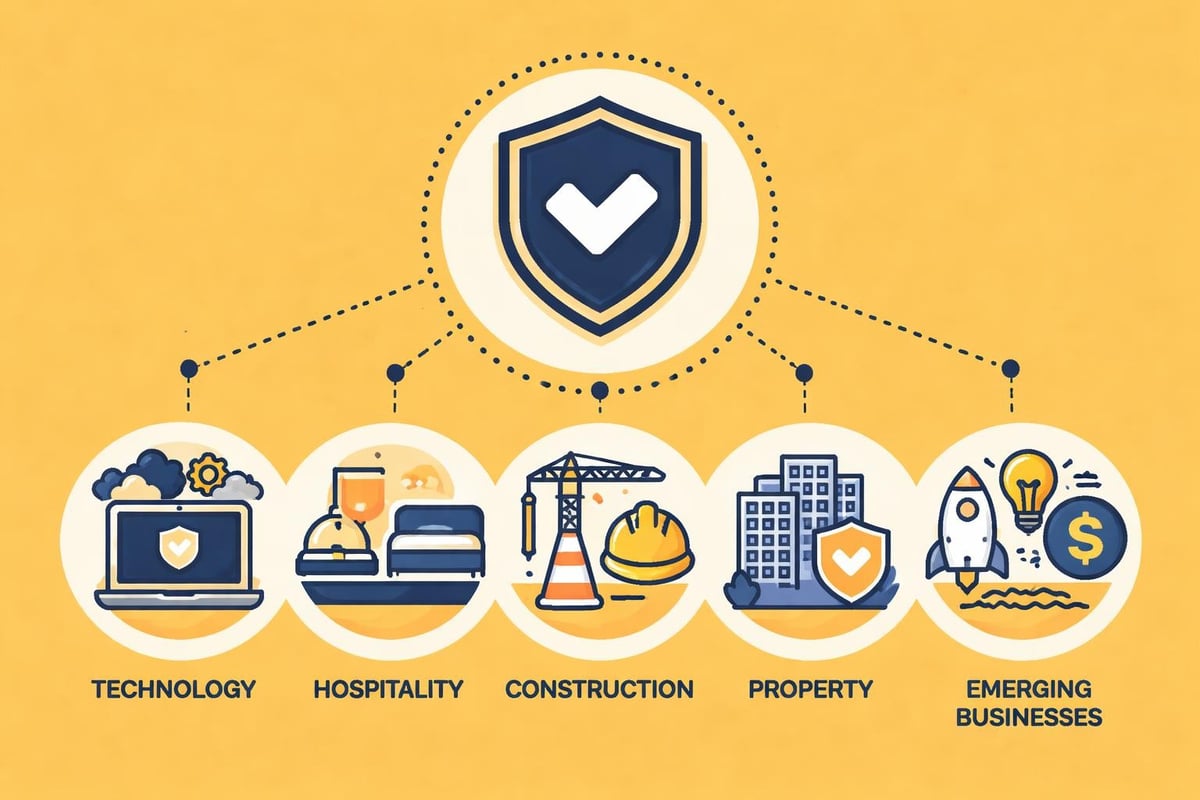
Different sectors require targeted UK INS approaches:
Hospitality Sector: Pub and restaurant insurance addressing liquor liability, food contamination, and premises risks
Construction Industry: Contractors' all risks, plant equipment, and contract works insurance
Technology Contractors: Combined policies merging professional indemnity with general liability
Property Investors: Landlord insurance covering buildings, rental income, and liability exposures
Alternative Accommodation: Short-let insurance for Airbnb and holiday rental properties
Even unusual business ventures require appropriate protection. Exotic pet businesses exemplify how UK INS adapts to serve truly niche market segments with bespoke policy structures.
Digital Transformation in UK INS
Technology continues reshaping how businesses interact with UK INS providers. Digital platforms, artificial intelligence, and data analytics are transforming traditional insurance processes, creating efficiencies whilst raising new considerations.
Technological Innovations Impacting UK INS:
Automated underwriting systems accelerating quote generation
Telematics and IoT devices providing real-time risk data
Blockchain applications for policy administration and claims settlement
AI-powered chatbots handling routine enquiries and service requests
Digital documentation reducing paperwork and improving accessibility
The regulatory framework for insurance accounting continues evolving to accommodate technological changes whilst maintaining appropriate financial reporting standards.
Balancing Innovation and Personal Service
Despite technological advancement, complex commercial risks still demand human expertise. The optimal UK INS experience combines digital convenience for routine transactions with access to specialist knowledge for sophisticated risk management challenges.
Businesses benefit from hybrid models offering online policy management alongside direct access to experienced account handlers for complex queries, claims support, and coverage reviews.
Future Trends Shaping UK INS
The UK INS market continues evolving in response to emerging risks, regulatory changes, and shifting business practices. Several key trends will influence commercial insurance throughout 2026 and beyond.
Climate Change Impact: Increasing frequency and severity of weather-related events affects property insurance pricing and availability. Businesses must demonstrate climate resilience through adaptation measures and business continuity planning.
Cyber Risk Evolution: Sophisticated cyber attacks and ransomware incidents drive demand for comprehensive cyber insurance. However, insurers are simultaneously tightening underwriting requirements, demanding evidence of robust cyber security controls before providing coverage.
ESG Considerations: Environmental, Social, and Governance factors increasingly influence insurance underwriting. Businesses demonstrating strong ESG credentials may access preferential terms, whilst those with poor sustainability records face higher premiums or coverage restrictions.
Regulatory Developments: International prudential regulation continues influencing UK INS market capacity and pricing. Post-Brexit regulatory divergence creates both opportunities and complexities for UK businesses and insurers.
Understanding UK Commercial Insurance in 2026
Preparing Your Business for UK INS Changes
Forward-thinking businesses can position themselves advantageously by anticipating UK INS market developments:
Investing in risk mitigation technology and security systems
Developing comprehensive business continuity and disaster recovery plans
Implementing robust cyber security frameworks and staff training
Documenting risk management procedures and governance structures
Engaging early with brokers about emerging exposures
Reviewing coverage annually rather than simply renewing existing policies
The general insurance supervision framework provides context for understanding how regulatory oversight shapes market behaviour and insurer obligations.
Frequently Asked Questions About UK INS
What is the difference between an insurance broker and an insurer in the UK INS market?
An insurer is the company that underwrites the risk and pays claims, whilst a broker acts as an intermediary representing clients' interests. Brokers access multiple insurers to find optimal coverage and pricing, whereas dealing directly with insurers limits options to that company's products. Brokers provide ongoing service, claims advocacy, and market expertise that direct relationships typically don't offer.
How often should businesses review their UK INS coverage?
Annual reviews represent the minimum standard, ideally conducted 90 days before renewal to allow adequate time for market comparison. However, businesses should also review coverage following significant changes such as acquiring new premises, launching new products or services, entering new markets, experiencing substantial turnover growth, or after any claims. Material changes to risk profile warrant immediate broker consultation rather than waiting until renewal.
Can businesses obtain UK INS coverage if they have poor claims history?
Yes, though options may be limited and premiums higher. The UK INS market includes specialist insurers willing to consider adverse claims histories, particularly where businesses demonstrate implemented improvements addressing previous loss causes. Working with experienced brokers proves essential, as they know which insurers consider non-standard risks and can present applications favourably. Expect higher excesses, sub-limits on certain covers, and potentially staged premium reductions contingent on claims-free periods.
What happens if a business operates without required UK INS coverage?
Consequences depend on the coverage type. Operating without mandatory employers' liability insurance constitutes a criminal offence punishable by fines up to £2,500 per day. For non-mandatory coverage, businesses face significant financial exposure, with claims potentially threatening business viability. Additionally, many contracts require proof of insurance, and operating without required coverage may breach contractual obligations, professional regulations, or lease agreements. Directors may face personal liability in certain circumstances.
How does UK INS differ for sole traders versus limited companies?
Legal structure influences insurance requirements and coverage approaches. Sole traders and limited companies both need appropriate business insurance, but limited companies must maintain employers' liability if employing staff, whereas sole traders without employees don't face this requirement. Liability claims against sole traders can affect personal assets, making adequate coverage particularly crucial. Sole proprietorship insurance considerations differ from corporate structures regarding asset protection, tax treatment of premiums, and coverage scope. Professional indemnity requirements often vary based on business structure and industry regulations.
Navigating the complexities of UK INS requires specialist knowledge and market access to ensure your business receives appropriate protection at competitive rates. Understanding regulatory requirements, emerging risks, and coverage options enables informed decisions that safeguard your commercial interests whilst optimising insurance expenditure. Whether you're establishing a new venture, expanding existing operations, or simply reviewing current arrangements, partnering with experienced professionals ensures your UK INS programme aligns with your specific risk profile and business objectives. Miller & Partner Limited connects businesses with tailored insurance solutions across all commercial sectors, providing expert guidance and market access to protect what matters most to your organisation.