


Commercial Insurance Cover: Complete Business Guide 2026
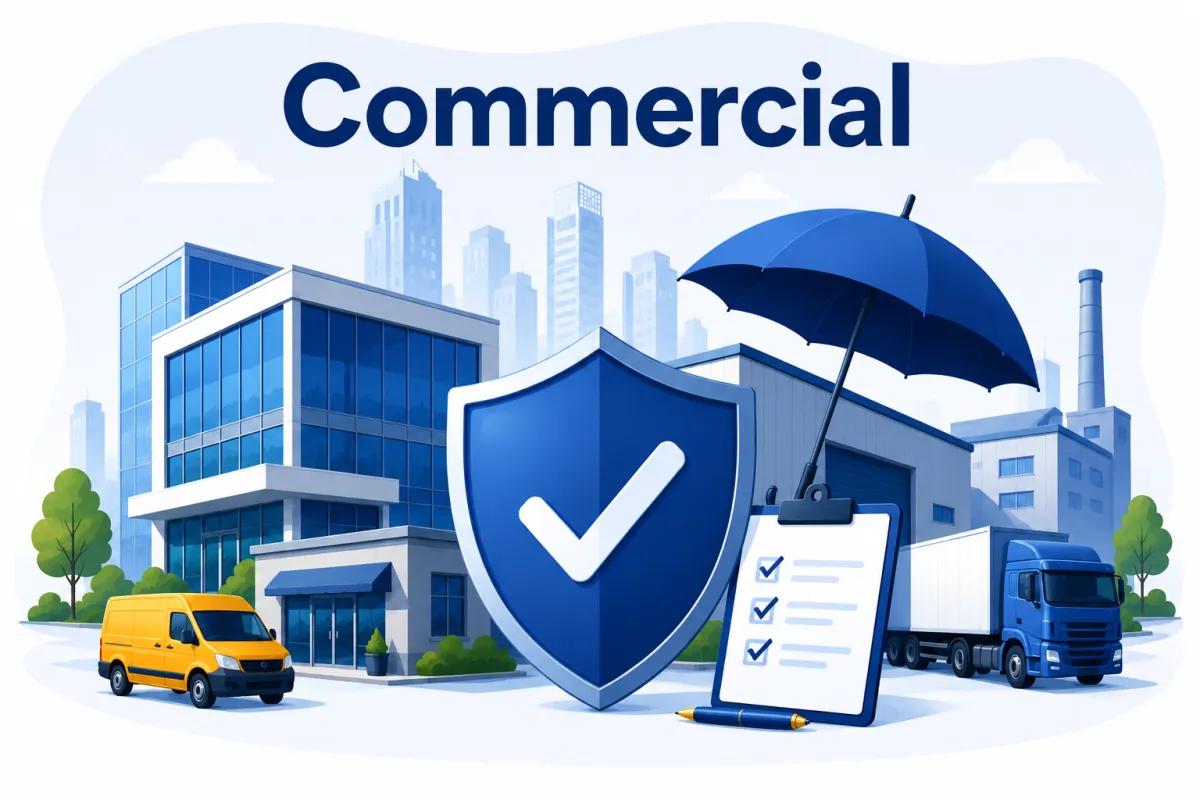
Protecting your business from unforeseen risks requires more than just a basic understanding of coverage options. Commercial insurance insurance encompasses the policies, processes, and protections that safeguard enterprises from financial losses arising from property damage, legal liability, employee injuries, and countless other operational hazards. Whether you're a small start-up or an established corporation, selecting appropriate commercial insurance insurance determines whether a single incident becomes a minor inconvenience or a business-ending catastrophe. This comprehensive guide explores the essential elements of business protection, helping you navigate the complex landscape of coverage options, regulatory requirements, and emerging market trends that will shape your insurance decisions in 2026.
Understanding Commercial Insurance Insurance Fundamentals
Commercial insurance insurance provides financial protection for businesses against various risks that could otherwise result in devastating losses. Unlike personal insurance policies designed for individual households, business coverage addresses the unique exposures companies face daily.
The foundation of commercial insurance insurance rests on identifying and mitigating operational risks specific to your industry. Manufacturing businesses face different hazards than professional services firms, whilst retail operations encounter exposures entirely distinct from construction companies. Each sector requires tailored protection that addresses both common business risks and industry-specific vulnerabilities.
Core Coverage Components
Every comprehensive commercial insurance insurance programme typically includes several essential elements:
Property insurance protecting physical assets including buildings, equipment, inventory, and furnishings
Liability coverage defending against third-party claims for bodily injury or property damage
Business interruption insurance compensating for lost income during forced closures
Workers' compensation covering employee injuries sustained during work activities
Professional indemnity protecting against claims of negligent professional services
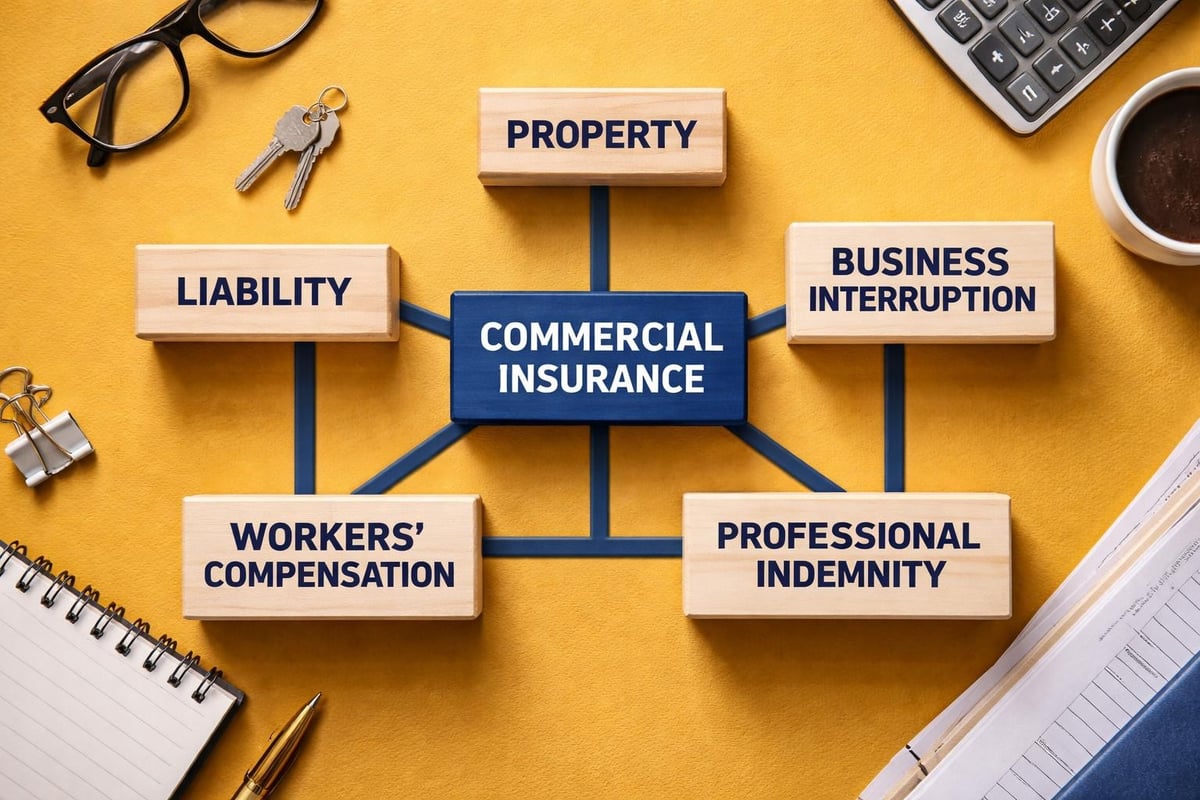
These foundational coverages form the backbone of most business insurance programmes. Understanding how each component functions individually whilst contributing to overall protection enables business owners to make informed decisions about their coverage needs.
Evaluating Your Commercial Insurance Insurance Requirements
Determining appropriate coverage levels requires systematic risk assessment across all operational areas. Businesses often underestimate their true exposure, leaving critical gaps that surface only during claims.
Start by conducting a thorough inventory of your physical assets. Document all property, equipment, and inventory with current replacement values rather than depreciated book values. Many businesses discover during claims that their insured values fall significantly short of actual replacement costs, resulting in substantial out-of-pocket expenses.
Industry-Specific Considerations
Different sectors face unique challenges when structuring commercial insurance insurance programmes. Commercial property insurance requirements vary dramatically between industries, with manufacturing operations requiring extensive coverage for machinery breakdown whilst office-based businesses prioritise professional liability protection.
Hospitality businesses need specialised coverage addressing food contamination, liquor liability, and guest injuries. Technology companies require robust cyber insurance alongside traditional property and liability policies. Construction firms must secure contractor-specific policies addressing project risks, subcontractor activities, and equipment protection.
Your industry classification directly influences both coverage availability and premium costs. Insurers categorise businesses by SIC codes and apply risk ratings based on historical claims data for each sector. High-risk industries face higher premiums and more restrictive coverage terms compared to low-risk sectors.
Navigating Commercial Insurance Insurance Market Conditions
The commercial insurance insurance marketplace experiences continuous fluctuation driven by economic factors, catastrophic losses, regulatory changes, and emerging risks. Understanding current market dynamics helps businesses time their renewals strategically and negotiate favourable terms.
Recent market analysis indicates rates have begun stabilising after several years of sustained increases, though certain sectors continue experiencing upward pressure. Property insurance in coastal areas faces ongoing rate challenges due to increased weather-related claims, whilst cyber insurance premiums fluctuate based on evolving threat landscapes.
Rate Trends and Market Pressures
Several factors influence commercial insurance insurance pricing in 2026:
Economic inflation driving increased claims costs across all coverage types
Supply chain disruptions extending repair timelines and inflating replacement expenses
Climate-related events increasing frequency and severity of property damage claims
Cyber threats escalating in sophistication, resulting in larger financial losses
Social inflation amplifying jury awards and settlement amounts in liability cases
Market conditions rarely move uniformly across all coverage lines. Emerging pressure points suggest certain sectors may experience renewed rate increases whilst others remain stable. Umbrella and excess liability coverage has seen particularly notable increases, with some businesses experiencing double-digit rate movements.
Timing renewals strategically can yield significant savings. Businesses approaching renewal during soft market periods often secure improved terms compared to those renewing during hard market cycles. Working with experienced brokers who monitor market conditions provides valuable intelligence for renewal timing decisions.
Structuring Effective Commercial Insurance Insurance Programmes
Building comprehensive protection requires balancing adequate coverage against budget constraints. Many businesses either over-insure, wasting premium dollars on unnecessary coverage, or under-insure, exposing themselves to catastrophic financial risk.
The most effective commercial insurance insurance programmes use a layered approach, combining different policy types to create comprehensive protection without coverage gaps or unnecessary overlaps. This strategy typically involves a primary layer providing basic coverage, excess policies extending limits for high-severity risks, and specialised policies addressing unique exposures.
Policy Limits and Deductibles
Selecting appropriate limits requires analysing potential maximum losses across various scenarios. Consider not just typical claims but catastrophic events that could generate multi-million pound losses. Many businesses select limits based on gut feeling rather than rigorous loss modelling, resulting in inadequate protection.
Deductible selection significantly impacts premium costs. Higher deductibles reduce premiums substantially but require businesses to retain more risk. Calculate whether annual premium savings from increased deductibles justify the additional financial exposure during claims.
Aggregate limits deserve particular attention in commercial insurance insurance programmes. Some policies impose annual aggregates capping total payouts regardless of how many separate incidents occur. Businesses experiencing multiple claims annually may exhaust aggregate limits before the policy period ends, leaving subsequent claims uninsured.
Comprehensive explanation of how policy limits and deductibles work in commercial insurance insurance, including practical examples of calculating appropriate coverage levels for different business types
Managing Commercial Insurance Insurance Claims
Even the most comprehensive commercial insurance insurance programme provides value only if claims are handled efficiently. Understanding the claims process before losses occur enables businesses to respond appropriately when incidents happen, maximising recovery whilst minimising disruption.
Immediate notification ranks among the most critical steps following any incident potentially triggering coverage. Most policies impose strict notification deadlines, with some requiring notification within 24 hours. Delayed notification can result in coverage denial regardless of policy validity.
Claims Documentation Requirements
Successful claims recovery depends heavily on thorough documentation. Insurers require extensive evidence supporting claimed losses, including:
Photographic documentation of damaged property before repairs commence
Detailed inventories of damaged or destroyed items with proof of ownership
Financial records substantiating business interruption losses
Police reports for theft, vandalism, or criminal activities
Witness statements supporting liability claims
Professional valuations for high-value items
Many commercial insurance insurance claims falter due to inadequate documentation rather than coverage disputes. Businesses lacking proper records struggle to prove losses, resulting in reduced settlements or denied claims. Implementing robust documentation procedures before losses occur streamlines recovery efforts.
Commercial Insurance Insurance Cost Management
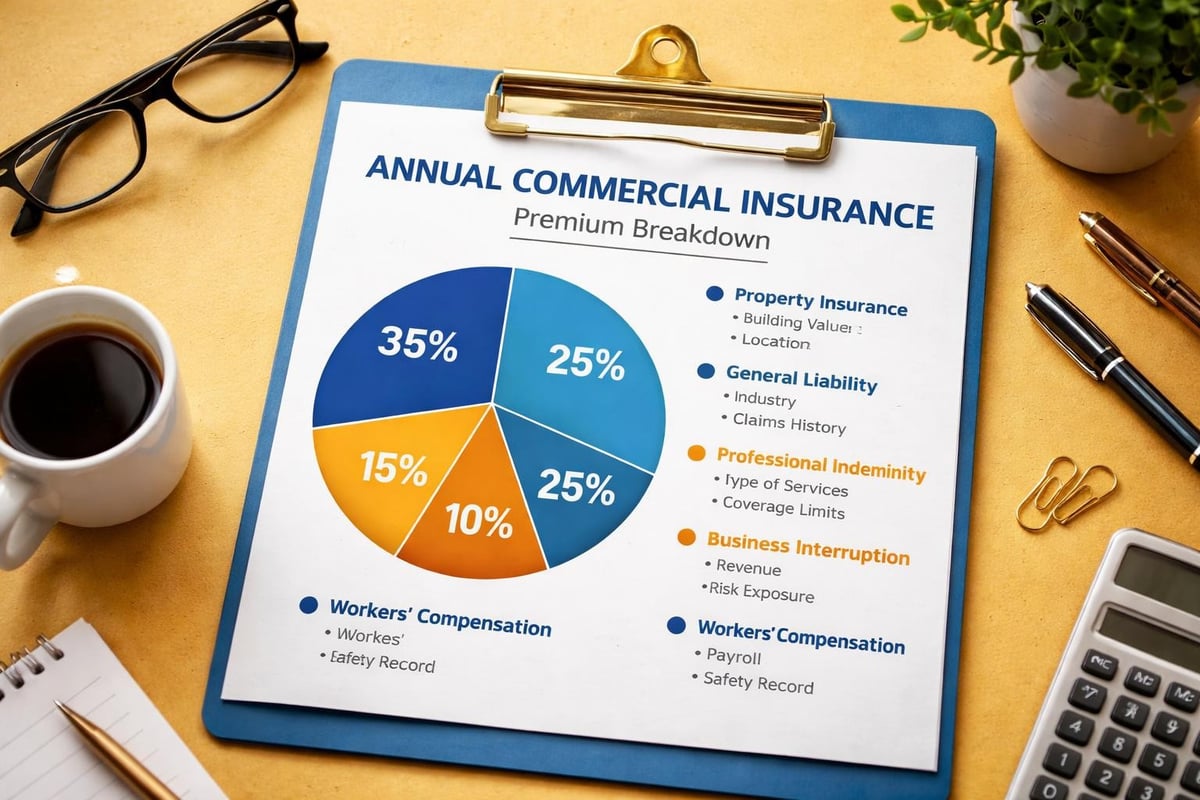
Premium costs represent significant operational expenses for most businesses. Whilst adequate protection remains non-negotiable, numerous strategies can reduce insurance costs without compromising coverage quality.
Risk management programmes demonstrating proactive loss prevention often secure premium discounts. Insurers reward businesses implementing safety protocols, employee training programmes, and security measures that reduce claim likelihood. Documented risk management efforts provide tangible evidence of reduced exposure, justifying lower premiums.
Premium Optimisation Strategies
Several approaches help businesses control commercial insurance insurance costs:
Bundle multiple coverage types with single insurers to access multi-policy discounts
Implement loss prevention measures reducing claim frequency and severity
Increase deductibles on low-severity exposures to reduce premium costs
Review coverage annually eliminating unnecessary policies as operations evolve
Maintain strong credit profiles since many insurers use credit-based insurance scores
Regular policy reviews identify coverage no longer needed due to operational changes. Equipment sold, discontinued product lines, or vacated premises may still carry insurance unnecessarily. Annual reviews with brokers ensure coverage aligns with current operations rather than outdated business models.
When seeking competitive quotes, businesses benefit from working with brokers who access multiple insurance markets. Miller & Partner Limited connects businesses with appropriate commercial insurance insurance providers, ensuring comprehensive coverage at competitive rates. Their expertise in matching specific business needs with suitable insurers streamlines the procurement process whilst securing optimal protection. You can request a quick quote to explore your coverage options and pricing.

Emerging Trends Affecting Commercial Insurance Insurance
The commercial insurance insurance landscape continuously evolves as new risks emerge and traditional exposures transform. Staying informed about industry developments helps businesses anticipate coverage needs before gaps create vulnerabilities.
Artificial intelligence introduces both opportunities and risks for commercial operations. AI-powered tools enhance efficiency and decision-making whilst simultaneously creating liability exposures from algorithmic errors, data breaches, and automated decision failures. Key trends affecting commercial insurance include AI-related risks requiring specialised coverage extensions.
Technology and Digital Exposures
Cyber threats represent perhaps the fastest-growing commercial insurance insurance concern. Ransomware attacks, data breaches, and system failures generate substantial financial losses extending far beyond IT repair costs. Business interruption from cyber incidents often exceeds direct breach response expenses, whilst regulatory fines for data protection failures add another costly dimension.
Traditional commercial insurance insurance policies often exclude cyber-related losses, requiring separate cyber liability policies. Many businesses mistakenly assume their standard commercial coverage addresses digital risks, discovering coverage gaps only during claims. Reviewing policies specifically for cyber coverage clarifies protection levels and identifies where supplemental policies prove necessary.
Supply chain vulnerabilities continue affecting commercial insurance insurance programmes. Global disruptions from pandemics, geopolitical tensions, and transportation bottlenecks extend business interruption periods and inflate replacement costs. Businesses dependent on international suppliers face extended recovery timelines when losses occur, requiring enhanced business interruption coverage addressing prolonged supply chain delays.
Regulatory Compliance and Commercial Insurance Insurance
Various regulations mandate specific commercial insurance insurance coverage for certain business types. Understanding legal requirements ensures compliance whilst avoiding penalties for inadequate coverage.
Employers' Liability insurance remains compulsory for UK businesses employing staff. This coverage protects employees injured during work activities, with legal requirements specifying minimum coverage limits. Operating without required Employers' Liability coverage carries severe penalties including substantial fines and potential prosecution.
Professional Standards and Insurance Requirements
Many professional sectors impose insurance requirements through regulatory bodies. Solicitors, accountants, architects, and medical practitioners must maintain specified professional indemnity coverage as licensing conditions. Coverage lapses can result in practice suspension or license revocation regardless of claims history.
Contractual obligations often mandate commercial insurance insurance beyond regulatory minimums. Lease agreements typically require tenants to maintain specified property insurance limits, whilst client contracts may demand particular liability coverage levels. Reviewing contracts before policy inception ensures coverage meets all obligations, preventing contract breaches due to inadequate insurance.
Comprehensive business insurance programmes address both regulatory requirements and contractual obligations, ensuring businesses maintain compliant coverage across all operational areas. Regular compliance audits verify ongoing adherence to evolving regulatory standards and contractual commitments.
Selecting Commercial Insurance Insurance Providers
Choosing insurers requires evaluating multiple factors beyond premium costs. Financial stability, claims-handling reputation, and coverage breadth all influence long-term satisfaction with commercial insurance insurance providers.
Financial strength ratings from agencies like AM Best, Standard & Poor's, and Moody's indicate insurers' ability to pay claims even during catastrophic loss events. Selecting financially weak insurers risks claim denial if the company becomes insolvent, regardless of policy validity. Prioritise insurers with strong financial ratings ensuring claim-paying ability over decades.
Broker Value in Commercial Insurance Insurance
Working with specialist brokers provides significant advantages over direct insurer relationships. Brokers access multiple insurance markets, comparing coverage and pricing across numerous providers. This market access often secures better terms than businesses could obtain independently.
Specialist knowledge represents another critical broker benefit. Commercial insurance insurance complexity requires expertise across multiple coverage types, policy wordings, and market conditions. Business liability coverage specialists understand policy nuances that generalist advisors might overlook, identifying coverage gaps and recommending appropriate enhancements.
Claims advocacy distinguishes exceptional brokers from average ones. When disputes arise, brokers negotiate with insurers on clients' behalf, leveraging market relationships and technical knowledge to maximise settlements. This advocacy proves invaluable during complex claims where coverage interpretations determine recovery amounts.
Frequently Asked Questions About Commercial Insurance Insurance
Understanding commercial insurance insurance fundamentals empowers businesses to make informed protection decisions that safeguard operations against financial catastrophe whilst managing costs effectively. Regular policy reviews, proactive risk management, and strategic market engagement ensure coverage evolves alongside changing business needs. Miller & Partner Limited specialises in matching businesses with appropriate commercial insurance insurance solutions, providing expert guidance through the complex process of securing comprehensive protection tailored to your specific operational requirements and industry exposures.