




Company Insurance Company: Choosing the Right Partner
Selecting the appropriate company insurance represents one of the most critical decisions any business owner will make. The right insurance partner protects your assets, ensures regulatory compliance, and provides peace of mind as your enterprise grows. However, with countless providers competing for your attention, understanding what distinguishes an exceptional company insurance company from an adequate one requires careful consideration. This comprehensive guide explores the essential factors businesses must evaluate when choosing their insurance provider, from coverage breadth to claims handling efficiency.
Understanding What Makes a Quality Company Insurance Company
A reputable company insurance business extends far beyond simply issuing policies. These organisations function as strategic partners in your business's risk management framework, offering expertise, support, and tailored solutions that evolve with your changing needs.
Core Characteristics of Reliable Providers
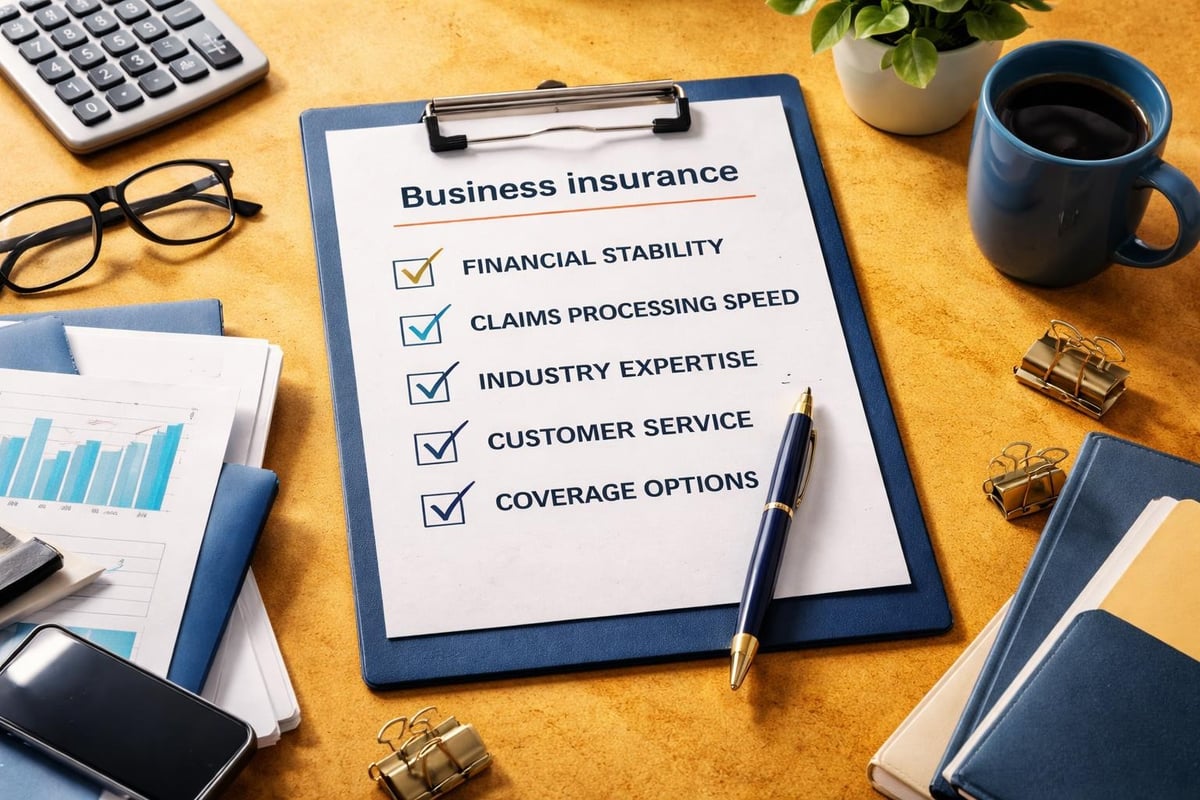
The foundation of any trustworthy company insurance company rests on several fundamental attributes:
Financial stability and strong credit ratings from independent agencies
Transparent communication about policy terms, exclusions, and limitations
Proven track record of fair and efficient claims processing
Industry-specific expertise relevant to your business sector
Responsive customer service available when you need assistance
Competitive pricing without compromising essential coverage elements
Financial strength matters immensely because your chosen company insurance company must possess the resources to pay claims, sometimes years after policy inception. Rating agencies such as Standard & Poor's and AM Best provide independent assessments of insurers' financial health, offering valuable insights into their long-term viability.
Specialisation Versus General Coverage
Different company insurance company providers adopt varying approaches to market positioning. Some specialise in particular industries, developing deep expertise in sectors like hospitality, manufacturing, or professional services. Others maintain broader portfolios, serving diverse business types across multiple sectors.
Specialist providers often understand nuanced risks within their chosen industries, potentially offering more comprehensive coverage for sector-specific exposures. Commercial insurance requirements vary significantly between industries, making this specialisation valuable for businesses with complex or unusual risk profiles.
Conversely, generalist company insurance company organisations may provide more competitive pricing through economies of scale and broader risk pooling. They often excel at serving small to medium-sized enterprises with straightforward insurance needs.
Essential Coverage Types Your Company Insurance Company Should Offer
The breadth and depth of coverage options available through your company insurance company directly impacts your business's protection level. Understanding what commercial insurance encompasses helps businesses identify gaps in their risk management strategy.
Foundational Business Insurance Products
Every company insurance company should provide access to these fundamental coverage types:
Public Liability Insurance: Protects against third-party injury or property damage claims
Employers' Liability Insurance: Legally required coverage for businesses with employees
Property Insurance: Safeguards buildings, equipment, and stock against physical damage
Business Interruption Insurance: Covers lost income following insured incidents
Professional Indemnity Insurance: Essential for service-based businesses providing advice
Beyond these basics, your company insurance company should facilitate access to specialised policies matching your unique operational requirements. Businesses operating in niche sectors benefit from providers offering tailored solutions rather than forcing standard products into inappropriate situations.
Advanced Risk Management Solutions
Progressive company insurance company providers extend beyond traditional policies, offering sophisticated risk management tools:
Cyber Insurance: Addresses data breaches, system failures, and digital threats
Environmental Liability: Covers pollution incidents and remediation costs
Product Liability: Protects manufacturers and retailers against defective product claims
Directors and Officers Insurance: Shields leadership from personal liability
Employment Practices Liability: Covers wrongful termination and discrimination claims
The National Association of Insurance Commissioners provides comprehensive guidance on assessing coverage needs, particularly valuable for growing businesses expanding their protection portfolio.

Evaluating Your Company Insurance Company's Claims Process
Claims handling efficiency separates exceptional company insurance company providers from mediocre ones. Even comprehensive coverage proves worthless if claims processing creates unnecessary obstacles during already stressful situations.
Key Claims Performance Indicators
When assessing potential providers, investigate these critical claims metrics:
Average claim settlement timeframes across different policy types
Percentage of claims approved versus denied or disputed
Availability of 24/7 emergency claims reporting
Clarity of documentation requirements and submission processes
Quality of claims assessor expertise and communication
Transparency regarding claim status updates throughout processing
A responsive company insurance company assigns experienced assessors who understand your industry's unique challenges. They communicate proactively, explaining requirements clearly whilst expediting legitimate claims without unnecessary bureaucracy.
The Role of Insurance Brokers in Claims Advocacy
Partnering with an experienced commercial insurance broker like Miller & Partner Limited provides significant advantages during claims situations. Brokers advocate on your behalf, ensuring your company insurance company processes claims fairly and efficiently.
Brokers possess established relationships with multiple insurers, understanding each provider's claims philosophy and processing capabilities. This knowledge proves invaluable when selecting your company insurance company initially, as brokers can match you with providers known for excellent claims service within your specific industry.
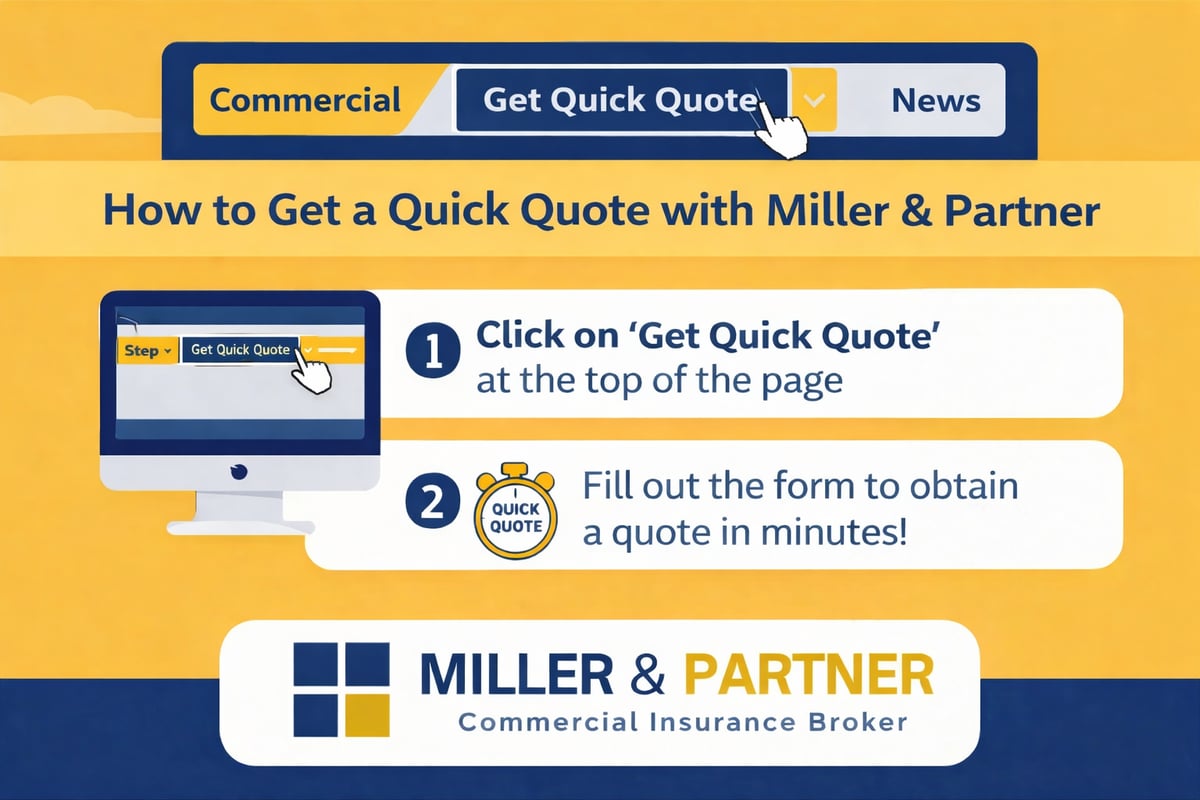
When challenges arise during claims, brokers intervene professionally, leveraging their industry relationships to resolve disputes and accelerate settlements. Many businesses find obtaining a quick quote through a broker not only simplifies the purchasing process but also establishes a valuable partnership for the policy's duration.
Cost Considerations When Selecting a Company Insurance Company
Premium pricing represents an obvious consideration when choosing your company insurance company, yet focusing exclusively on cost often proves counterproductive. The cheapest policy rarely delivers the best value, particularly when coverage gaps emerge during claims.
Understanding Premium Calculation Factors
Your company insurance company calculates premiums based on numerous variables:
Industry sector and associated risk levels
Business turnover and employee numbers
Claims history and loss experience
Coverage limits and deductible selections
Geographic location and premises characteristics
Risk management practices and safety protocols
Businesses implementing robust safety measures often qualify for premium discounts. The Occupational Safety and Health Administration highlights how proactive safety programmes reduce insurance costs whilst improving overall business performance.
Comparing Quotes Effectively
When evaluating proposals from different company insurance company providers, ensure you're comparing equivalent coverage. Key comparison points include:
Policy limits: Higher limits justify higher premiums
Excess amounts: Lower excesses increase premium costs
Coverage scope: Broader coverage commands premium increases
Exclusions: Policies with fewer exclusions cost more
Extension options: Additional benefits affect pricing
Request detailed breakdowns showing premium allocation across different coverage sections. This transparency helps identify where your company insurance company invests your premium pounds, revealing whether pricing aligns with your priority risks.
Industry-Specific Expertise Within Company Insurance Company Providers
Businesses operating in specialised sectors benefit significantly from company insurance company providers possessing deep industry knowledge. This expertise manifests through tailored policy wordings, understanding of sector-specific risks, and claims handling by assessors familiar with industry operations.
Matching Providers to Your Business Sector
Consider these sector-specific insurance requirements:
Hospitality businesses: Require comprehensive pub and restaurant insurance addressing food safety, liquor liability, and customer injuries
Property investors: Need specialised landlord coverage managing tenant-related risks and building protection
Technology companies: Demand cyber insurance and professional indemnity protecting against data breaches and project failures
Trade businesses: Benefit from contractors combined policies bundling liability, tools, and contract works coverage
Professional services: Require robust professional indemnity protection against negligence claims
Your chosen company insurance company should demonstrate understanding of these nuances rather than applying generic solutions to specialised situations. Ask potential providers about their experience within your sector, requesting case studies or references from similar businesses.

Regulatory Compliance Support
Beyond basic coverage, knowledgeable company insurance company providers help businesses navigate industry-specific regulations. They understand mandatory insurance requirements within different sectors, ensuring you maintain compliance whilst avoiding unnecessary coverage duplication.
This regulatory expertise proves particularly valuable for businesses operating across multiple jurisdictions or expanding into new geographic markets with varying insurance mandates.
Technology and Digital Services From Modern Company Insurance Company Providers
Contemporary company insurance company organisations leverage technology to enhance customer experience, streamline administration, and provide real-time policy management capabilities. These digital innovations distinguish forward-thinking providers from those relying on outdated processes.
Essential Digital Capabilities
Expect these technological features from progressive providers:
Online policy access and documentation download
Digital certificate generation for contract requirements
Mobile apps enabling claim reporting with photo submission
Automated renewal processing with clear change notifications
Integration capabilities with business management systems
Real-time chat support supplementing traditional contact methods
These digital tools shouldn't replace personalised service but rather complement it, offering convenience for routine transactions whilst maintaining human expertise for complex situations.
Data Security and Privacy Considerations
When sharing sensitive business information with your company insurance company, ensure they maintain robust cybersecurity protocols. Verify their data protection policies comply with UK GDPR requirements, particularly regarding how they store, process, and protect your confidential information.
Building Long-Term Relationships With Your Company Insurance Company
Insurance purchasing shouldn't be purely transactional. The most successful business-insurer relationships develop over years, with your company insurance company becoming a trusted advisor understanding your enterprise's evolution and changing risk profile.
Benefits of Provider Loyalty
Maintaining relationships with the same company insurance company offers several advantages:
Continuity of coverage: Consistent protection without gaps during provider transitions
Claims history recognition: Long-term relationships may influence favourable claims assessments
Loyalty discounts: Some providers reward customer retention with premium reductions
Simplified renewals: Established relationships streamline annual renewal processes
Proactive risk management: Long-term partners anticipate emerging risks affecting your business
However, loyalty shouldn't prevent periodic market reviews. Even satisfied customers should benchmark their company insurance company against competitors every few years, ensuring continued competitiveness and coverage adequacy.
When to Consider Changing Providers
Certain situations warrant seeking a new company insurance company:
Significant premium increases without corresponding claims or risk changes
Poor claims service experiences indicating cultural misalignment
Business growth or diversification requiring capabilities your current provider lacks
Merger or acquisition activity creating complex insurance requirements
Persistent communication difficulties or unresponsive service
Transitioning between providers requires careful timing to avoid coverage gaps. Work with experienced brokers who coordinate the switch, ensuring seamless protection continuity whilst capitalising on improved terms from your new company insurance company.
Risk Management Services Beyond Insurance Policies
Leading company insurance company providers recognise that effective risk management extends beyond transferring risk through insurance policies. They offer value-added services helping businesses reduce exposure to losses, ultimately benefiting both parties through fewer claims and lower premiums.
Comprehensive Risk Assessment Programmes
Progressive providers conduct detailed risk surveys, identifying potential exposures and recommending mitigation strategies. These assessments examine:
Physical security measures protecting premises and assets
Health and safety protocols reducing injury likelihood
Business continuity planning addressing operational disruptions
Contractual risk transfer through appropriate agreement terms
Supply chain vulnerabilities affecting business operations
Your company insurance company's risk consultants bring cross-industry perspective, having observed effective risk management across numerous businesses. They identify blind spots you may overlook whilst validating areas where your current practices excel.
Training and Educational Resources
Many company insurance company providers offer complimentary training covering topics relevant to policyholders:
Fire safety and evacuation procedures
Manual handling and workplace ergonomics
Driver safety for businesses operating vehicle fleets
Cyber security awareness reducing data breach risks
Customer safety protocols for public-facing operations
These educational initiatives demonstrate your company insurance company's commitment to loss prevention rather than simply processing claims. Businesses investing in these programmes often see reduced incidents alongside lower insurance costs.
FAQ Section
Selecting the right company insurance company profoundly impacts your business's financial security and operational resilience. By evaluating providers across financial stability, claims performance, industry expertise, and value-added services, you position your enterprise for comprehensive protection. For businesses seeking expert guidance through this selection process, Miller & Partner Limited offers experienced brokerage services, matching companies with insurers delivering optimal coverage at competitive rates whilst providing ongoing support throughout your policy's lifetime.







Instagram
LinkedIn