






Insurance on a Commercial Building: Complete Guide
Looking for a quick quote? Click here!
Protecting your commercial property represents one of the most critical decisions you'll make as a business owner or investor. Insurance on a commercial building shields your investment from unexpected perils, natural disasters, and liability claims that could otherwise devastate your finances. Whether you own an office block in Manchester, a retail unit in Birmingham, or a warehouse in Glasgow, understanding the nuances of commercial building insurance ensures you're neither underinsured nor paying for unnecessary coverage. This comprehensive guide explores everything you need to know about securing the right protection for your commercial property.
Understanding Commercial Building Insurance Fundamentals
Insurance on a commercial building provides financial protection against physical damage to the structure itself, including walls, roofs, foundations, and permanent fixtures. Unlike residential property insurance, commercial policies account for the unique risks associated with business premises, higher property values, and multiple occupants.
What Commercial Building Insurance Covers
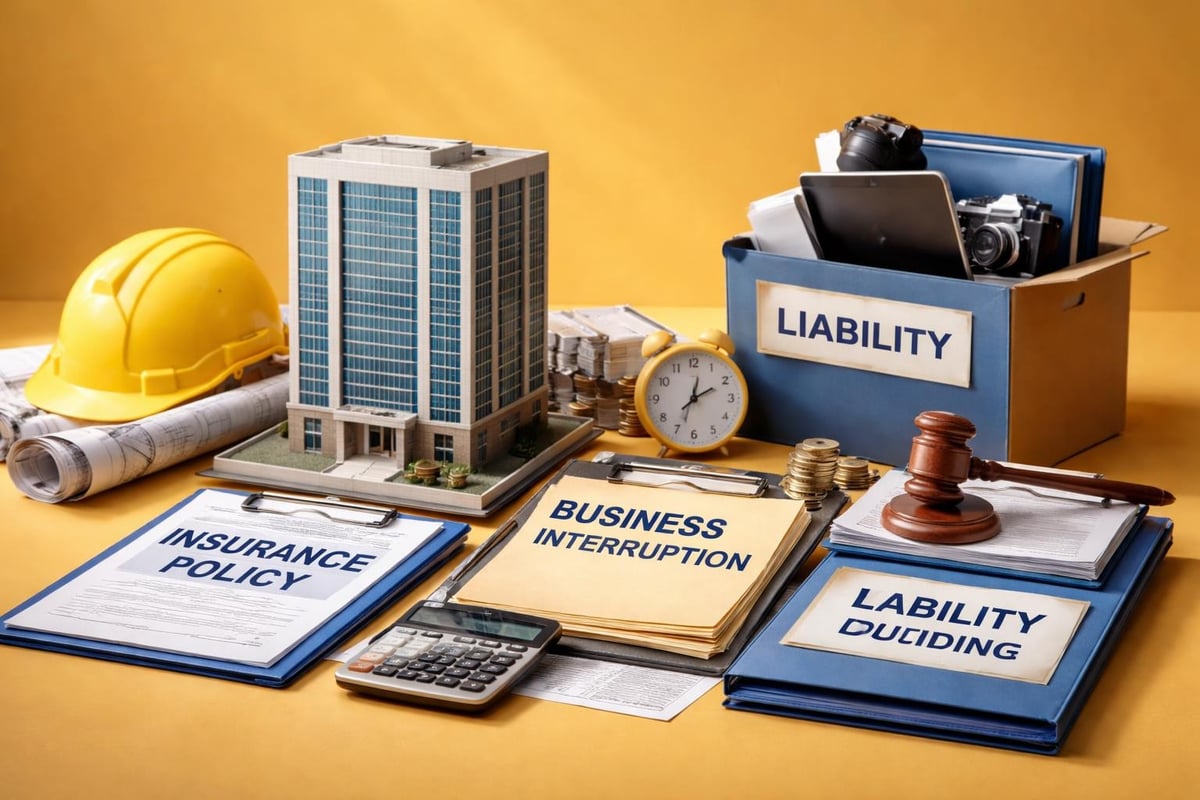
The standard policy for insurance on a commercial building typically includes several core protections:
Fire and smoke damage to the building structure and permanent fixtures
Storm and flood damage affecting the exterior and interior of the property
Theft and vandalism causing structural damage or loss of fixtures
Malicious damage from intentional acts that harm the building
Impact damage from vehicles or aircraft striking the property
Water damage from burst pipes, leaking roofs, or faulty plumbing systems
Subsidence, heave, and landslip affecting the building's foundations
Many property owners discover that comprehensive business insurance packages offer broader protection than standalone building policies. This approach addresses both the structure and the operational risks your business faces.
Distinguishing Between Buildings and Contents Insurance
Commercial buildings insurance protects the physical structure, whilst contents insurance covers movable items within the property. This distinction becomes crucial when determining your coverage needs.
Building insurance encompasses:
Permanent fixtures such as fitted kitchens and bathrooms
Walls, ceilings, floors, and roof structures
Outbuildings, garages, and external storage facilities
Landscaping and boundary walls or fences
Contents coverage includes office furniture, computer equipment, stock, and other movable assets. Many commercial property owners require both types of protection, particularly when they occupy the premises they own.
Essential Coverage Types for Commercial Properties
Beyond basic structural protection, insurance on a commercial building should address the specific risks your property faces. Different building types, locations, and uses require tailored coverage approaches.
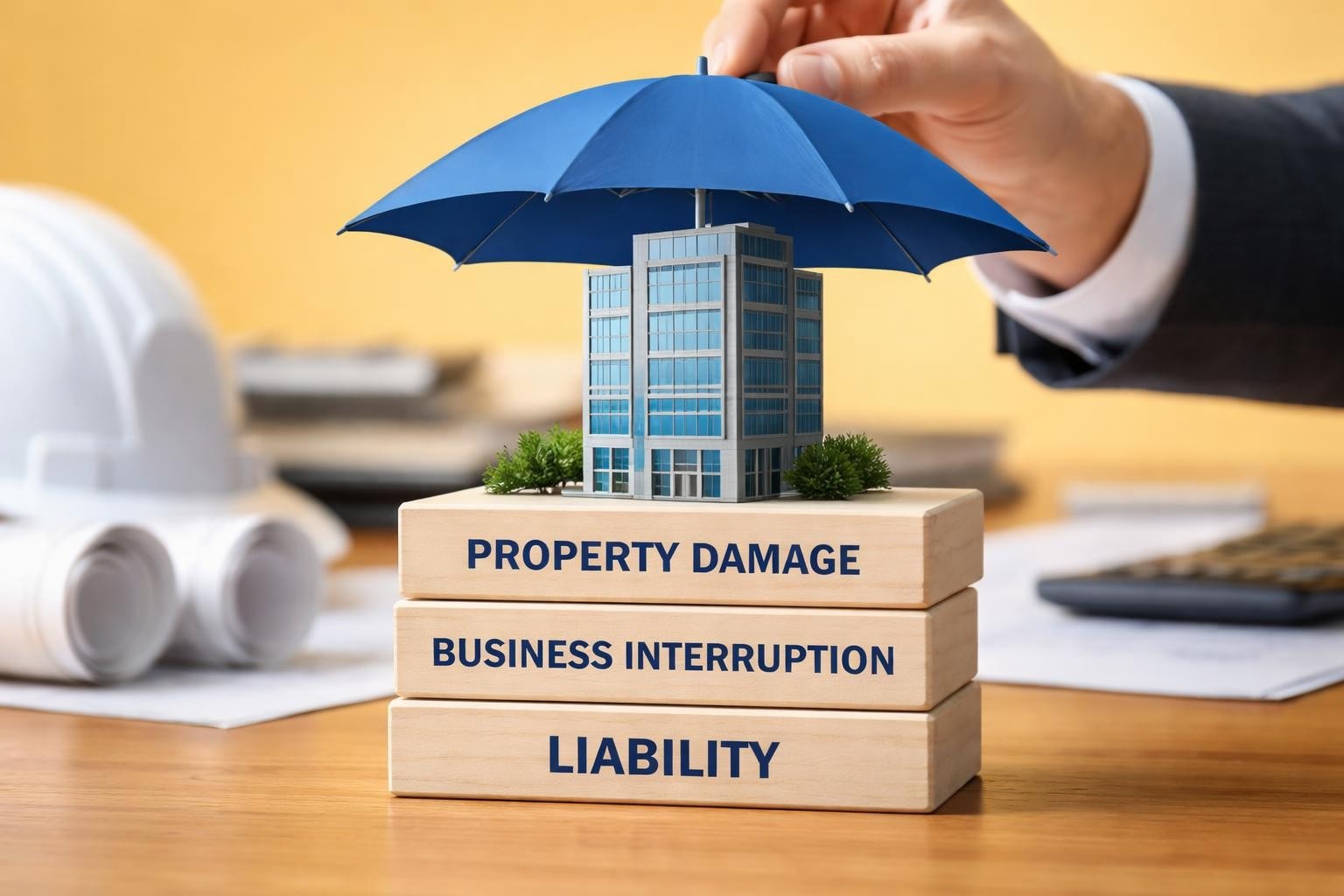
Property Damage and Business Interruption
Standard property damage coverage reimburses repair or rebuilding costs following an insured event. However, savvy property owners also consider business interruption insurance, which compensates for lost rental income or business revenue during repair periods.
The Insurance Information Institute provides comprehensive guidance on various commercial insurance coverages and how they protect different aspects of your business operations. This resource helps property owners understand the interconnected nature of commercial insurance policies.
Business interruption coverage typically includes:
Lost rent from tenants who cannot occupy damaged premises
Ongoing expenses such as mortgage payments and property taxes
Costs of temporary relocation for tenants
Alternative accommodation expenses during major repairs
Liability Protection for Property Owners
Public liability insurance protects commercial building owners from claims arising when visitors or tenants suffer injuries on the property. This coverage proves essential whether you lease to businesses or operate from your own commercial premises.
Understanding business liability coverage helps property owners recognise potential exposures beyond physical damage to the building itself. Slip and fall claims, inadequate maintenance lawsuits, and other liability issues can prove financially devastating without proper insurance.
Factors Affecting Commercial Building Insurance Costs
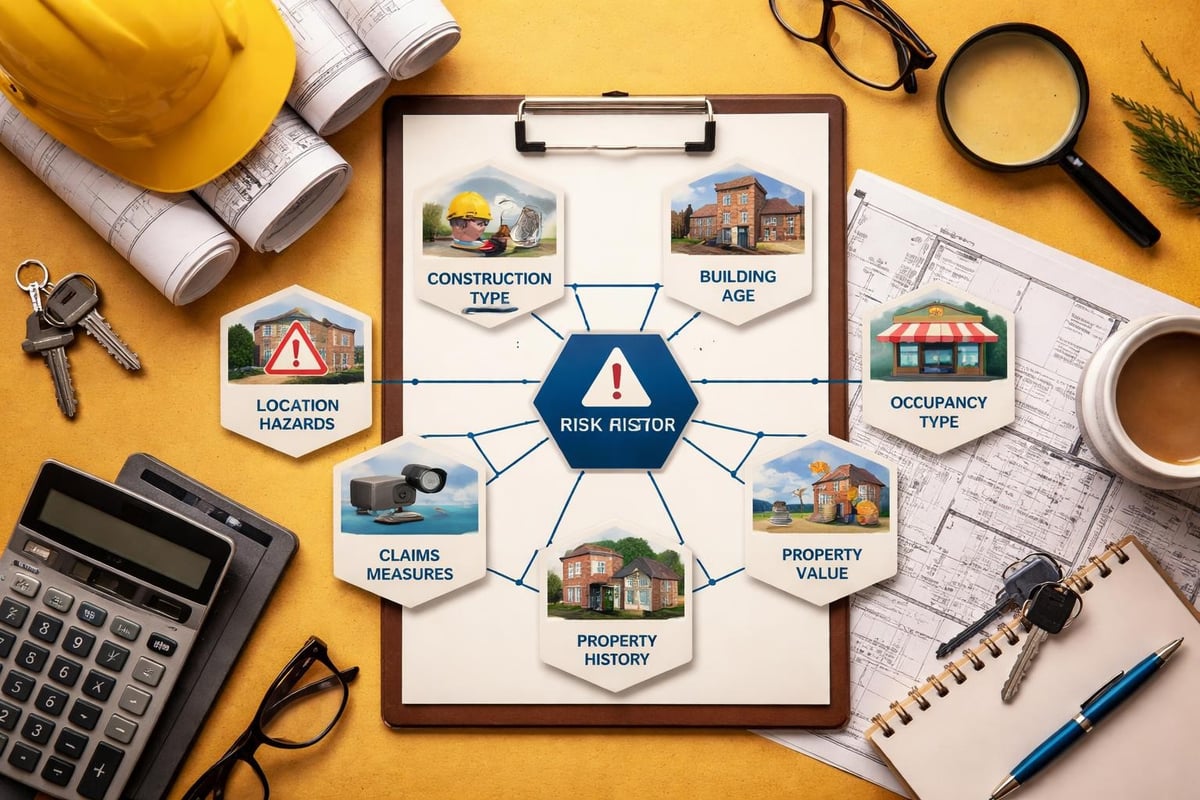
Insurance on a commercial building varies considerably in price based on numerous risk factors. Insurers assess each property individually, examining construction quality, location hazards, and intended use.
Building Construction and Age
The materials used in your building's construction significantly impact premium calculations:
Modern steel and concrete structures generally attract lower premiums due to fire resistance
Historic buildings with timber frames face higher costs reflecting increased fire risk
Mixed-use properties with residential and commercial spaces require specialised policies
Listed buildings need specialist coverage accounting for restoration requirements
Older buildings often require more comprehensive inspections before insurers offer coverage. The Washington Surveying and Rating Bureau explains the property inspection process that helps underwriters assess risk accurately.
Location-Specific Risk Factors
Where your commercial building sits geographically influences insurance costs substantially:
Flood risk areas require additional premiums or specialised flood coverage
Crime rates in the surrounding area affect theft and vandalism premiums
Proximity to fire stations may reduce premium costs
Coastal locations face higher storm and wind damage risks
Urban properties often cost more due to higher rebuild values
The Insurance Institute for Business & Home Safety offers resources on strengthening commercial properties against natural disasters, which can help reduce insurance premiums through risk mitigation.
Occupancy and Building Use
How you use your commercial building directly impacts insurance on a commercial building:
Office buildings typically present lower risks than manufacturing facilities
Retail properties face different theft and public liability exposures
Warehouses storing flammable materials require specialised coverage
Multi-tenanted buildings need policies addressing multiple occupiers
Vacant properties attract significantly higher premiums or restricted coverage
Specialist Coverage Considerations
Certain commercial properties require additional or specialist insurance provisions beyond standard building coverage. These situations demand careful policy evaluation to ensure comprehensive protection.
Builder's Risk Insurance During Construction
Properties under construction or major renovation need specialised builder's risk insurance. This coverage protects the structure during the building phase, addressing unique construction-related perils.
Builder's risk insurance covers the building, materials on-site, and temporary structures during construction. Once construction completes, you'll transition to standard commercial building insurance.
Multi-Tenanted Commercial Properties
Buildings housing multiple businesses require policies that clearly define the building owner's responsibilities versus tenant obligations. Lease agreements should specify who maintains which insurance coverages.
For landlords managing commercial properties, understanding landlord building insurance renewal processes ensures continuous coverage without gaps that could leave you vulnerable.
Key considerations for multi-tenanted properties include:
Requiring tenants to maintain their own contents and liability insurance
Ensuring your building policy covers common areas adequately
Coordinating coverage to avoid gaps or overlaps
Including landlord's fixtures and fittings in your policy
Maintaining adequate public liability limits for shared spaces
Determining Adequate Coverage Limits
Underinsurance represents one of the most common mistakes commercial property owners make with insurance on a commercial building. Setting appropriate coverage limits ensures you receive fair compensation following a major loss.
Rebuild Cost Assessments
Your insurance coverage should reflect the full rebuild cost of your commercial property, not its market value. These figures differ significantly, as rebuild costs account for labour, materials, and professional fees at current prices.
Professional rebuild cost assessments consider:
Current construction material costs in your region
Labour rates for skilled tradespeople
Architects' and surveyors' fees
Planning and building regulation compliance costs
Site clearance and demolition expenses
Price inflation during lengthy rebuild periods
The Dangers of Average Clauses
Many commercial building insurance policies include average clauses, which reduce claim payouts proportionally if you're underinsured. If your property is insured for 70% of its true rebuild value, insurers may only pay 70% of any claim, regardless of size.
Regular professional valuations protect against average clause penalties. As construction costs fluctuate, particularly during periods of inflation, updating your sum insured maintains adequate protection.
Risk Management and Premium Reduction Strategies
Whilst insurance on a commercial building provides essential financial protection, implementing effective risk management can reduce premiums and strengthen your overall security position.
Security and Loss Prevention Measures
Insurers reward property owners who invest in robust security systems:
CCTV surveillance covering all entrances and vulnerable areas
Intruder alarms monitored by approved security companies
Secure locks and reinforced doors meeting British Standard specifications
Automatic sprinkler systems reducing fire damage potential
Regular maintenance programmes preventing water damage and structural issues
Security lighting deterring opportunistic thieves and vandals
The Building Engines blog outlines key strategies for managing commercial building insurance effectively, including proactive certificate management and regular policy verification.
Claims History Management
Your claims history significantly affects future premium costs. Whilst you cannot avoid legitimate claims, managing smaller losses yourself rather than claiming for every minor incident can preserve your no-claims record.
Consider higher voluntary excess amounts to reduce premiums if you're financially able to absorb smaller losses. This approach particularly suits property owners with substantial financial reserves and strong risk management practices.
Navigating the Insurance Procurement Process
Securing appropriate insurance on a commercial building requires careful navigation through policy options, insurer requirements, and documentation processes. Working with experienced insurance brokers streamlines this complex journey.
Gathering Essential Documentation
Before approaching insurers, compile comprehensive property information:
Complete property address and occupancy details
Building construction type and age
Square footage and number of floors
Current use and any hazardous activities
Recent professional valuations or rebuild assessments
Details of security systems and fire protection
Claims history for the past five years
Mortgage lender requirements, if applicable

Comparing Quotes Effectively
Don't simply choose the cheapest insurance on a commercial building. Compare policies based on:
Coverage breadth – what perils and situations the policy covers
Exclusions and limitations – what the policy specifically doesn't cover
Excess amounts – how much you'll pay towards each claim
Sum insured adequacy – whether limits reflect true rebuild costs
Insurer financial strength – their ability to pay large claims
Claims service reputation – how efficiently they handle claims
Getting a Quick Quote from specialist commercial insurance brokers helps you understand the market rates for your specific property whilst ensuring you're comparing like-for-like coverage. Specialist brokers access multiple insurers and can negotiate better terms than going directly to insurance companies.

Understanding Policy Documentation
Commercial insurance policies contain complex terminology and conditions. Key sections to review carefully include:
Definitions explaining what specific terms mean within the policy context
Insured perils listing what events trigger coverage
Exclusions detailing what situations aren't covered
Conditions outlining your obligations to maintain coverage validity
Claims procedures specifying how and when to notify insurers of losses
Average clauses explaining underinsurance penalties
The National Association of Insurance Commissioners provides authoritative information on insurance industry practices and regulatory frameworks, helping policyholders understand their rights and insurers' obligations.
Specialist Property Types Requiring Tailored Coverage
Certain commercial buildings present unique insurance challenges requiring specialist knowledge and bespoke policy arrangements. Standard policies often prove inadequate for these properties.
Heritage and Listed Buildings
Listed buildings require specialist insurance on a commercial building that accounts for:
Higher rebuild costs using traditional materials and methods
Conservation officer involvement in repairs
Limitations on modern construction techniques
Extended repair timeframes affecting business interruption
Specialist tradespeople with heritage building expertise
High-Value Investment Properties
Commercial properties worth several million pounds need enhanced coverage addressing:
Terrorism coverage for prominent buildings
Increased public liability limits for high-traffic locations
Enhanced business interruption limits reflecting premium rents
Protection for architectural features and high-specification finishes
Properties attracting overseas investment require careful consideration of policy currency, international claim payment provisions, and cross-border legal complexities. Understanding overseas investors' insurance needs ensures adequate protection regardless of your residency status.
Policy Maintenance and Annual Reviews
Insurance on a commercial building isn't a "set and forget" purchase. Regular policy reviews ensure your coverage evolves with your property and changing risk landscape.
Trigger Events Requiring Policy Updates
Update your commercial building insurance immediately when:
You complete significant renovations or extensions
Building use changes (such as converting offices to retail)
You install major new equipment or infrastructure
Property valuations increase due to market changes
You add or remove tenants in multi-let properties
New risks emerge in the surrounding area
Annual Renewal Best Practices
Approach each renewal as an opportunity to:
Reassess your sum insured against current rebuild costs
Review coverage adequacy considering any business changes
Compare alternative quotations from multiple insurers
Negotiate improved terms based on claims-free periods
Update security and risk management information that may reduce premiums
Understanding commercial property insurance holistically ensures you're considering all relevant coverage aspects during your annual review process.
https://www.youtube.com/watch?v=dQw4w9WgXcQ
Frequently Asked Questions About Commercial Building Insurance
Securing appropriate insurance on a commercial building protects your property investment whilst providing peace of mind against unexpected losses. Regular policy reviews, adequate coverage limits, and robust risk management create a comprehensive protection strategy that safeguards your financial interests. Whether you're purchasing your first commercial property or managing an extensive portfolio, working with experienced insurance professionals ensures you're neither underinsured nor overpaying for unnecessary coverage. Miller & Partner Limited specialises in matching businesses with the correct insurance cover, helping commercial property owners navigate complex insurance markets and secure competitive, comprehensive protection tailored to their specific needs.