



Shop Insurance: Essential Coverage for UK Retailers
Running a retail shop in the UK requires careful attention to numerous risks that could potentially threaten your business operations. From customer accidents to stock damage and theft, shop owners face daily challenges that could result in significant financial losses. Securing appropriate shop insurance provides essential protection against these risks whilst ensuring business continuity when unexpected events occur. Whether you operate a small boutique, convenience store, or specialist retail outlet, understanding your insurance needs represents a fundamental aspect of responsible business management in 2026.
Understanding Shop Insurance Fundamentals
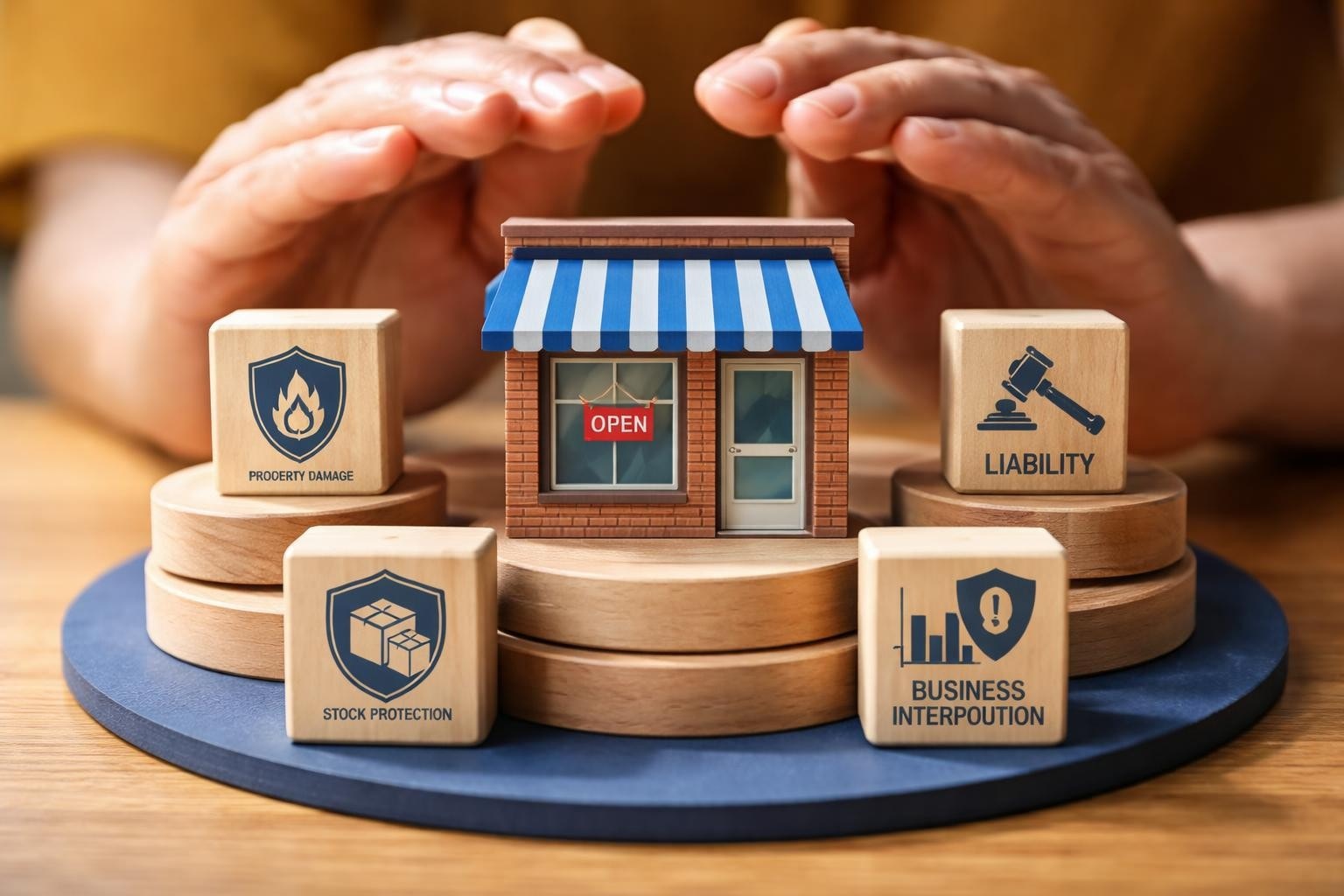
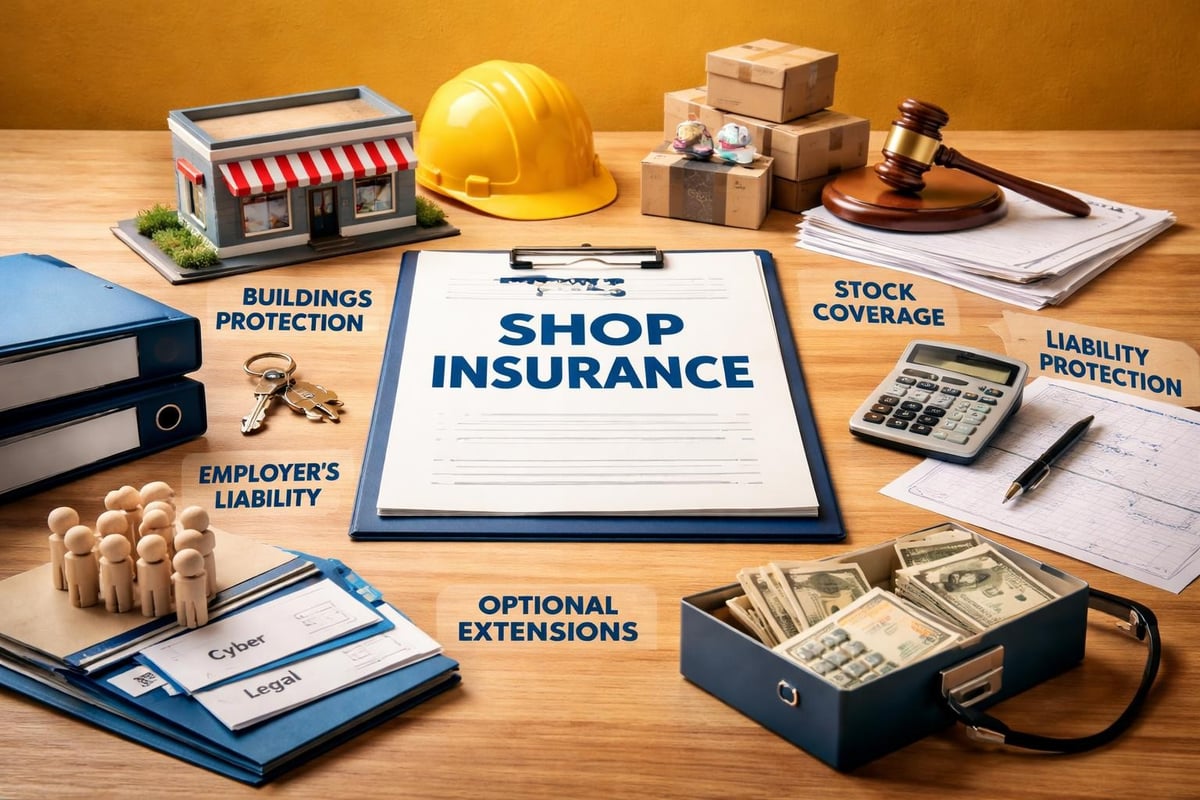
Shop insurance represents a comprehensive protection package designed specifically for retail businesses operating from physical premises. This type of commercial cover typically combines several essential policies into one manageable solution, addressing the unique risks faced by retailers across various sectors.
The core elements of shop insurance work together to create a robust safety net for your business. Property insurance protects your physical premises, whilst contents cover safeguards stock, fixtures, fittings, and equipment. Public liability insurance shields you from claims arising when customers or visitors suffer injury or property damage on your premises.
Why Retailers Need Specialised Coverage
Standard business insurance often fails to address the specific challenges retailers encounter. Shop insurance acknowledges the constant public interaction, high-value stock holdings, and extended trading hours typical of retail operations. Many commercial insurance policies require customisation to adequately protect shop environments.
Retail premises face heightened theft risks compared to other commercial properties. Shoplifting, burglary, and employee theft all represent genuine threats requiring specific coverage provisions. Additionally, shops typically maintain significant stock levels that fluctuate seasonally, demanding flexible insurance arrangements.
Essential Coverage Components for Retail Businesses
Building a comprehensive shop insurance package requires understanding each coverage element and how it protects your business interests. These components work synergistically to provide complete protection across all operational aspects.
Buildings Insurance for Shop Owners
If you own your retail premises, buildings insurance becomes absolutely essential. This coverage protects the physical structure against damage from fire, flooding, storms, vandalism, and other insured perils. Buildings insurance extends beyond the main structure to include permanent fixtures such as fitted kitchens, bathrooms, and security systems.
Many shop owners overlook the true rebuilding cost of their premises when selecting coverage limits. Professional valuation ensures adequate protection, preventing underinsurance situations where partial payouts leave you financially exposed. Regular revaluations maintain appropriate coverage levels as construction costs fluctuate.
Stock and Contents Protection
For most retailers, stock represents their most valuable asset and primary revenue source. Stock insurance covers merchandise against theft, fire, water damage, and other specified risks. Coverage can extend to include seasonal stock fluctuations, ensuring adequate protection during peak trading periods.
Contents insurance protects everything within your premises beyond stock, including:
Shop fixtures and fittings
Display units and shelving
Point-of-sale equipment and tills
Office furniture and equipment
Computers and electronic devices
Signage and branding materials
Public Liability Coverage
Public liability insurance provides crucial protection when customers or visitors suffer injury or property damage whilst on your premises. Claims can arise from slip and fall accidents, falling merchandise, or defective products causing harm after purchase.
Coverage typically extends to legal defence costs and compensation payments up to your selected limit. Most retailers require minimum coverage of £2 million, though higher limits may suit larger operations or specific trade requirements. Understanding insurance underwriter assessments helps secure appropriate liability limits.
Employer's Liability and Staff Protection
Operating a shop with employees creates additional insurance obligations under UK law. Employer's liability insurance becomes legally mandatory once you employ staff, protecting your business against compensation claims from employees injured or becoming ill through their work.
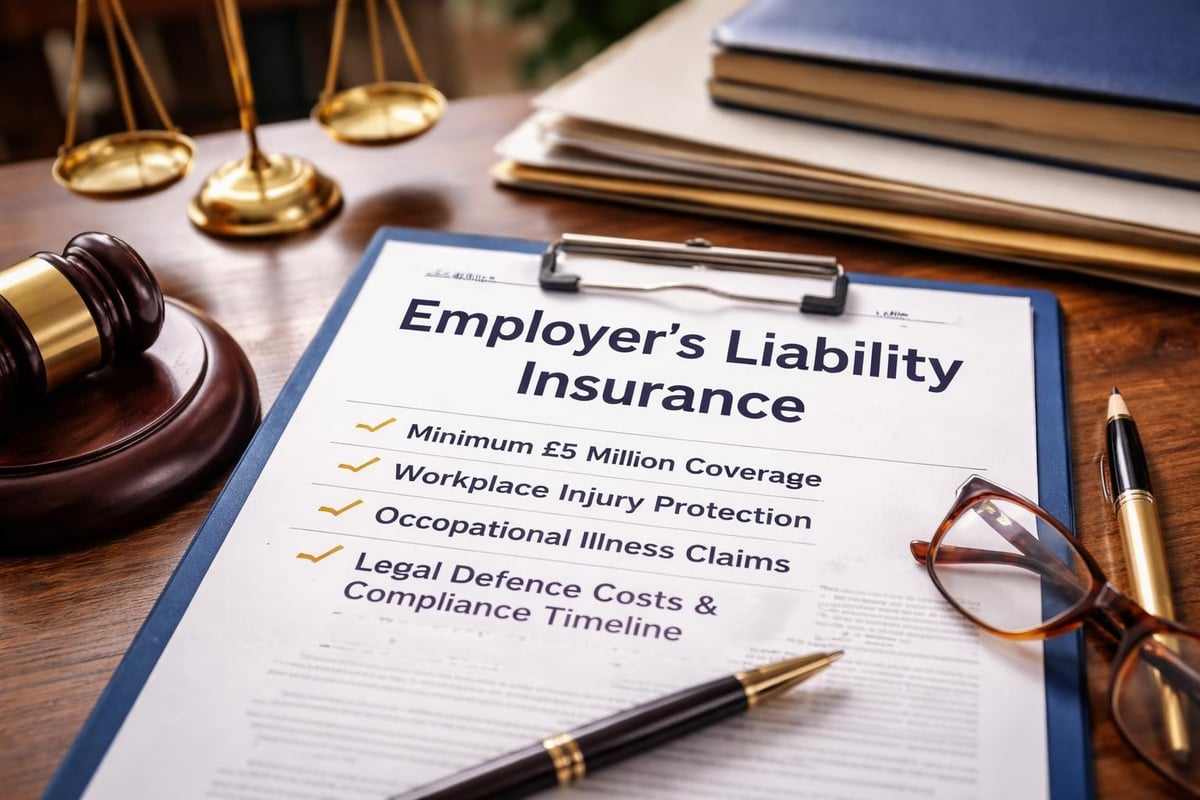
This coverage must provide minimum protection of £5 million, though many policies offer £10 million as standard. Employer's liability extends beyond obvious workplace injuries to include occupational illnesses, stress-related conditions, and repetitive strain injuries developing over time.
Additional Staff-Related Considerations
Beyond legal requirements, shop owners should consider personal accident insurance for key personnel. This coverage provides financial support if important staff members suffer accidents preventing them from working. Protecting your management team ensures business continuity during unexpected absences.
Key person insurance represents another valuable consideration for shops heavily dependent on specific individuals. This coverage compensates your business for financial losses resulting from the death or critical illness of essential personnel, providing funds to recruit replacements or sustain operations during transition periods.
Business Interruption Insurance Explained
Business interruption insurance, sometimes termed loss of profits cover, protects your revenue stream when insured events force temporary closure. This often-overlooked coverage proves invaluable when fire, flooding, or other disasters prevent normal trading.
The policy compensates for lost gross profit during the indemnity period, enabling you to maintain financial commitments despite interrupted trading. Coverage typically includes ongoing expenses such as rent, rates, salaries, and loan repayments that continue regardless of trading ability.
Calculating appropriate business interruption coverage requires careful analysis of your financial position. Consider seasonal variations, growth projections, and the realistic time required to resume normal operations. Understanding resources available through organisations like the Insurance Library Association helps inform these calculations.
Determining Your Indemnity Period
The indemnity period represents the maximum time during which the insurer compensates for business interruption losses. Standard policies offer 12-month indemnity periods, though retailers may require extended periods depending on their specific circumstances.
Shops occupying listed buildings or requiring specialist restoration may need longer indemnity periods. Similarly, businesses dependent on seasonal trading should ensure their indemnity period extends through peak revenue periods. Assessing your realistic recovery timeline prevents underinsurance whilst avoiding unnecessary premium costs.
Specialist Shop Insurance Requirements
Different retail sectors face unique risks requiring tailored insurance solutions. Specialist shops often need policy extensions or separate coverage addressing their particular exposures. Recognising these requirements early ensures comprehensive protection without coverage gaps.
Food Retailers and Refrigeration Breakdown
Shops selling perishable goods require refrigeration breakdown cover protecting against stock spoilage when cooling equipment fails. Standard shop insurance may exclude this risk, leaving you vulnerable to substantial losses during equipment failures.
This coverage typically extends to repair costs and spoiled stock replacement. Some policies include alternative storage costs and expedited equipment repair expenses. Shops relying heavily on refrigeration should prioritise this extension as essential rather than optional.
Technology and Electronics Retailers
Shops selling high-value electronics face elevated theft risks and specialised stock considerations. Your shop insurance should reflect current stock values, acknowledging the premium nature of electronic merchandise. Additional security measures may reduce premiums whilst providing enhanced protection.
Product liability coverage becomes particularly important for technology retailers. If sold items malfunction and cause customer injury or property damage, your insurance should respond appropriately. Ensure your policy includes adequate product liability limits reflecting your merchandise value.
Protecting Against Modern Retail Risks
Contemporary retail environments face evolving threats requiring updated insurance approaches. Cyber risks, social media reputation damage, and changing customer behaviours create new exposure areas demanding consideration within your insurance strategy.
Cyber Insurance for Retail Operations
Modern shops increasingly rely on electronic payment systems, customer databases, and online platforms. Cyber insurance protects against data breaches, system failures, and regulatory fines resulting from compromised customer information. Even small retailers processing card payments face cyber exposure.
Coverage typically includes breach response costs, legal expenses, customer notification requirements, and regulatory fines. Business interruption extensions compensate for trading losses when cyber incidents disrupt operations. As digital dependency increases, cyber insurance becomes essential rather than optional.
Stock Theft and Shoplifting Provisions
Retail crime continues affecting UK shops, with shoplifting representing a persistent challenge. Whilst shop insurance covers stock theft, policy terms vary significantly between insurers. Some policies impose single-item limits or require evidence of forced entry for theft claims.
Understanding your policy's theft provisions prevents unpleasant surprises when making claims. Enhanced security measures including CCTV systems, electronic tagging, and security personnel may reduce premiums whilst improving actual protection. Documenting stock levels through regular stocktakes supports theft claims when losses occur.
Seasonal Trading and Stock Fluctuations
Many retailers experience significant stock value variations throughout the year. Traditional shop insurance bases premiums on declared stock values, potentially leaving you underinsured during peak periods or overpaying during quiet months.
Seasonal adjustment clauses allow coverage levels to fluctuate with your actual stock holdings. This flexibility ensures adequate protection during busy periods without excessive premiums year-round. Declaring estimated maximum stock values enables insurers to calculate appropriate seasonal adjustments.
Christmas Trading Considerations
December represents peak trading for most retailers, with stock values often doubling or tripling normal levels. Your shop insurance must adequately cover these elevated stock holdings to prevent substantial underinsurance.
Temporary stock increase extensions provide short-term coverage uplifts during specific periods. These extensions typically cost less than permanently increasing coverage limits, offering cost-effective protection during seasonal peaks. Planning these adjustments well before peak periods ensures seamless coverage transitions.
Shop Insurance Cost Factors
Understanding elements influencing shop insurance premiums helps retailers budget effectively whilst identifying potential savings opportunities. Insurers assess numerous factors when calculating premiums, some within your control and others representing fixed characteristics.
Location and Crime Statistics
Your shop's location significantly impacts insurance costs. Premises in high-crime areas attract higher premiums reflecting elevated theft and vandalism risks. Similarly, flood-prone locations face increased premiums due to water damage exposure.
Whilst you cannot change your location, understanding its impact on premiums helps set realistic budget expectations. Comprehensive security measures may offset some location-based premium increases by demonstrating active risk management.
Security Measures and Risk Management
Insurers reward proactive risk management through premium discounts. Installing approved alarm systems, CCTV, security shutters, and maintaining robust cash handling procedures demonstrates commitment to loss prevention.
Many insurers specify minimum security requirements as policy conditions. Failing to maintain required security may invalidate coverage, emphasising the importance of understanding and meeting these obligations. Regular security audits ensure ongoing compliance with policy requirements.
Claims History Impact
Your claims history directly influences premium calculations. Frequent claims suggest higher risk, prompting premium increases or coverage restrictions. Maintaining claims-free trading generates no-claims discounts, reducing insurance costs over time.
Small losses sometimes cost less to absorb than claiming, preserving your claims record. Calculating your policy excess against potential claim values helps determine whether submitting claims represents the best financial decision. Building emergency funds to cover minor losses protects your insurance rating.
Obtaining Shop Insurance Quotations
Securing appropriate shop insurance requires thorough market comparison and clear communication with potential insurers. Preparation before approaching insurers streamlines the quotation process whilst ensuring accurate premium calculations.
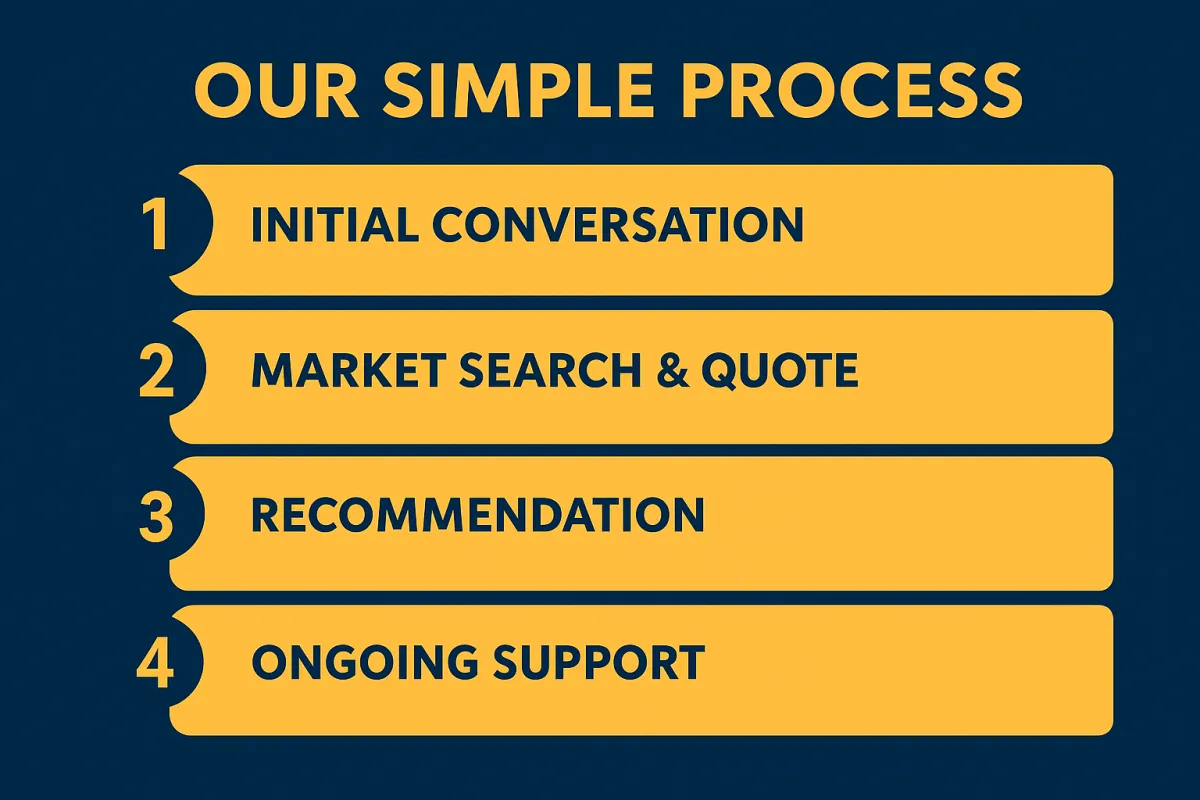
Getting a quick quote for your business insurance needs can simplify the process significantly. Working with experienced commercial insurance brokers ensures you receive tailored coverage recommendations based on your specific retail operation. Brokers access multiple insurance markets, comparing options to identify the most suitable and cost-effective solutions for your requirements.

Information Insurers Require
Accurate quotations depend on comprehensive information about your business operations. Insurers typically request details including:
Premises address and construction type
Business activities and merchandise sold
Annual turnover and stock values
Number of employees and payroll costs
Existing security measures
Previous claims history
Required coverage limits
Comparing Like-for-Like Coverage
Shop insurance quotations vary substantially between insurers, making direct comparison challenging without careful analysis. Ensure quotations include identical coverage elements, limits, and excesses before comparing premiums. The cheapest quote may exclude essential coverage or impose restrictive policy conditions.
Review policy wordings carefully, noting exclusions, conditions, and claims procedures. Some insurers impose strict timeframes for notifying claims or require specific documentation supporting claims. Understanding these requirements before purchasing prevents complications during claims situations.
Policy Exclusions and Limitations
Every shop insurance policy contains exclusions and limitations restricting coverage under specific circumstances. Familiarity with these provisions prevents assumptions about coverage that may prove incorrect when claims arise.
Common Exclusions to Note
Standard exclusions typically include:
Deliberate or criminal acts by policyholders
Wear and tear or gradual deterioration
Mechanical or electrical breakdown (unless specifically covered)
Pollution and contamination
War and terrorism (often available as extensions)
Unattended premises left unsecured
Some exclusions apply universally across insurance policies, whilst others vary between insurers. Reviewing exclusions carefully identifies coverage gaps requiring separate policies or endorsements.
Understanding Policy Conditions
Policy conditions represent requirements you must fulfil to maintain coverage validity. Common conditions include maintaining specified security measures, notifying insurers of business changes, and implementing reasonable loss prevention measures.
Breaching policy conditions may void coverage entirely or reduce claim payments. Regular policy reviews ensure continued compliance as your business evolves. Material changes to your operations often require notifying insurers to maintain appropriate coverage.
Working with Commercial Insurance Brokers
Navigating shop insurance complexities often benefits from professional guidance. Commercial insurance brokers specialise in matching businesses with appropriate coverage, leveraging market knowledge and insurer relationships to secure optimal terms.
Brokers assess your specific requirements, recommend suitable coverage options, and negotiate competitive premiums on your behalf. Their expertise proves particularly valuable for specialist retail operations requiring tailored insurance solutions. Resources like those found through the American Library Association's insurance guide can complement broker expertise.
Ongoing Support and Claims Assistance
Quality insurance brokers provide ongoing support beyond initial policy placement. They assist with mid-term adjustments, policy renewals, and claims advocacy when losses occur. This continued relationship ensures your coverage evolves alongside your business.
During claims situations, brokers liaise with insurers on your behalf, ensuring proper claims handling and fair settlements. Their claims advocacy often accelerates resolution whilst protecting your interests throughout the process.
Annual Policy Reviews and Updates
Shop insurance requires regular review ensuring continued adequacy as your business develops. Annual reviews provide opportunities to reassess coverage limits, adjust for business growth, and explore market alternatives potentially offering better value.
Triggers for Mid-Term Reviews
Certain business changes necessitate immediate insurance reviews rather than waiting for renewal. Significant events requiring prompt notification include:
Premises relocation or expansion
Substantial stock value increases
Changes to business activities or merchandise types
Acquisition of expensive equipment
Employment of additional staff
Introduction of online sales channels
Promptly notifying insurers of material changes ensures coverage remains valid and appropriate. Delayed notifications may result in coverage gaps or claim disputes when insurers discover unreported changes.
Specialist Retail Sectors and Unique Needs
Certain retail sectors face distinctive risks requiring specialised insurance approaches. Recognising these unique requirements ensures comprehensive protection tailored to your specific trading environment. For example, businesses like vape shops need particularly specialised coverage.
Licensed Premises Considerations
Shops selling alcohol, tobacco, or age-restricted products face additional regulatory obligations and associated risks. Your insurance should address licensing requirements, regulatory compliance, and enhanced theft risks associated with these merchandise categories.
Product liability coverage becomes especially important when selling age-restricted items, as claims may arise from improper sales or product-related harm. Ensuring adequate limits and appropriate policy extensions protects against these sector-specific exposures.
Antiques and Collectibles Retailers
Shops trading in antiques, art, or collectibles require specialised valuation approaches and coverage terms. Standard stock insurance may inadequately address unique items requiring individual valuation and specific coverage provisions.
Fine art and antiques insurance typically operates on agreed value bases, requiring professional valuations establishing insured values for significant pieces. This approach eliminates valuation disputes during claims, ensuring appropriate compensation for irreplaceable items.
Frequently Asked Questions About Shop Insurance
Protecting your retail business through comprehensive shop insurance represents a fundamental responsibility that safeguards your livelihood against numerous operational risks. Understanding coverage components, recognising your specific requirements, and working with experienced professionals ensures optimal protection tailored to your unique circumstances. Miller & Partner Limited specialises in matching retail businesses with appropriate insurance solutions, leveraging extensive market access to secure competitive coverage meeting your exact needs. Contact our team today to discuss your shop insurance requirements and discover how our expertise can protect your business effectively.







Instagram
LinkedIn