



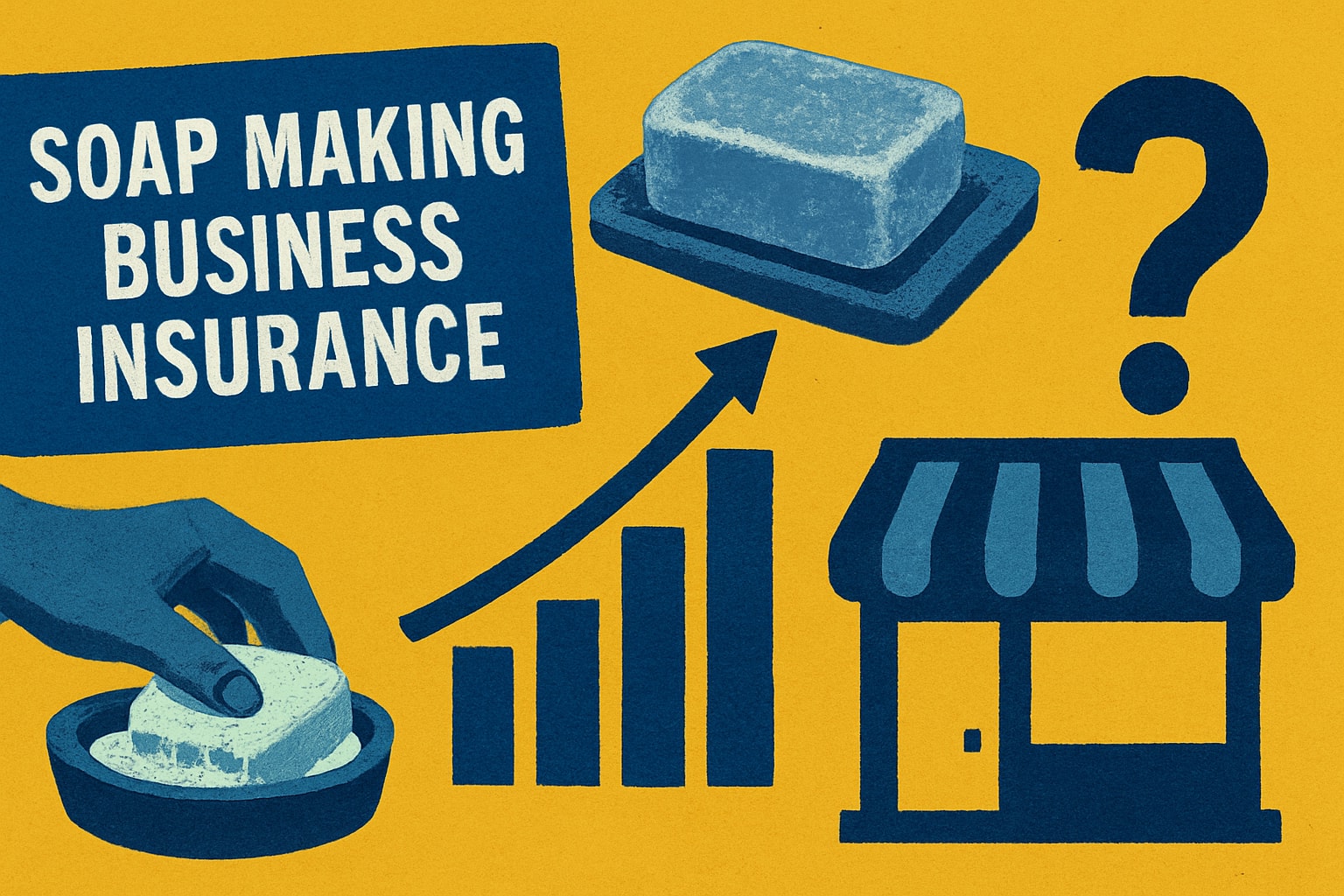
Soap Making Business Insurance Specialists: Protect Your Venture 2026
The soap making industry is thriving across the UK, offering artisans and small businesses both creative fulfilment and the chance for real profit. Yet, with every handmade bar comes the risk of customer claims, legal disputes, or costly mistakes.
Without proper protection, a single mishap could threaten your hard work. That is why understanding soap making business insurance is crucial for anyone producing, selling, or even gifting their soaps.
This guide will walk you through everything you need to know about soap making business insurance in 2026. We will cover the risks, types of cover, legal requirements, costs, and practical steps to secure your business.
Understanding the Risks in Soap Making Businesses
Running a soap making venture is rewarding, but it brings unique risks that can impact your reputation and finances. Understanding these risks is essential for choosing the right soap making business insurance and ensuring your business stays protected in the long run.
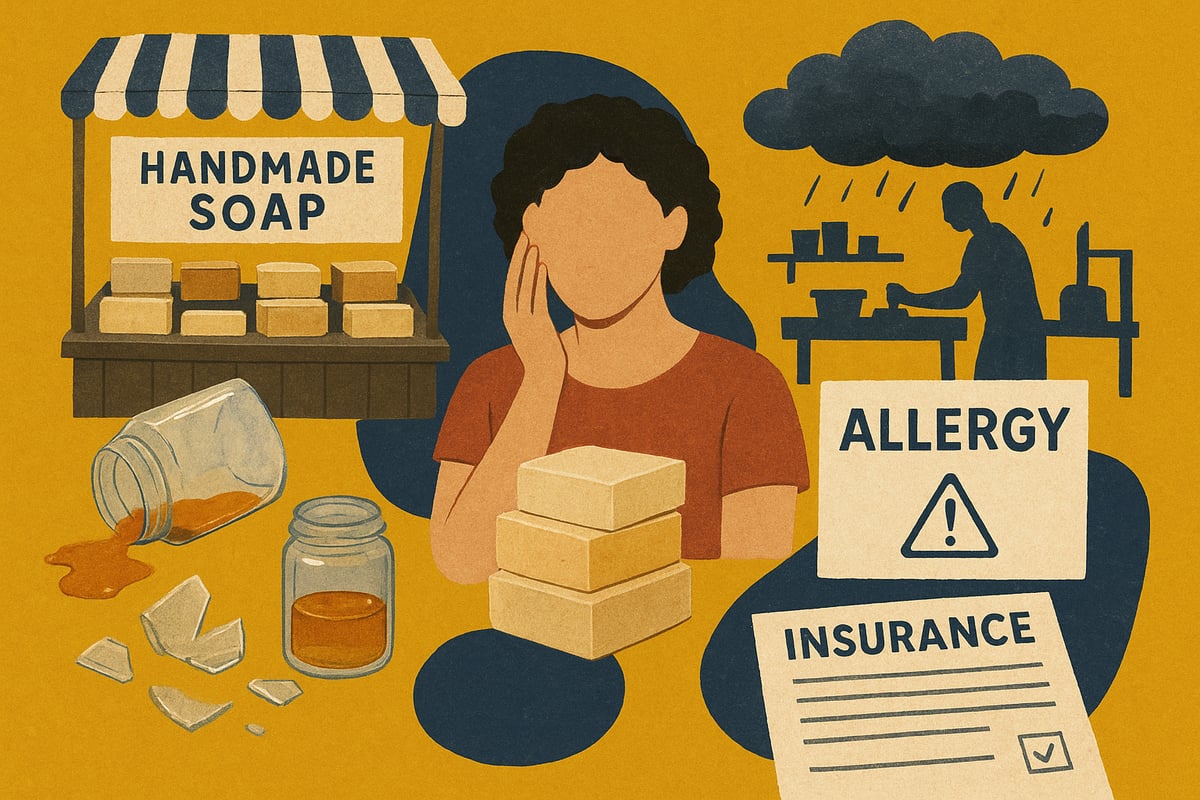
Common Risks Faced by Soap Makers
Soap makers encounter a range of risks, from production to the point of sale. These can threaten your business if not properly managed or covered by soap making business insurance.
Exposure to liability claims if a customer experiences an allergic reaction or injury after using your soap.
Product defects or accidental contamination may cause health hazards, even with natural ingredients.
Damage to third-party property, such as stalls or venues at markets and fairs, is a genuine risk.
Labelling mistakes or unclear ingredient lists can result in miscommunication and customer harm.
Business interruption may occur due to equipment breakdown or delays in the supply chain.
Theft, fire, or natural disasters can damage stock, tools, and your workspace.
For example, if a customer develops a rash after using your soap and seeks compensation, your business could face costly legal action. These scenarios highlight why soap making business insurance is not just a precaution but a necessity.
Real-World Scenarios and Statistics
The reality of risk in the soap industry is reflected in real-world data and incidents. Each year, over 1,500 product liability claims are filed in the UK cosmetics sector, underlining the importance of robust protection. Many craft fairs and markets now require soap makers to have insurance before participating, recognising the potential impact of accidents.
Consider a small business that faced significant legal costs after a packaging error led to a product recall. Even giving away soaps can result in claims if someone suffers an adverse reaction. Defending a liability claim can cost thousands of pounds, which is why understanding liability is crucial.
For more on protecting your business from such claims, see this overview of business liability insurance options, which outlines the cover types that can shield soap makers from financial and reputational harm.
Why Risk Management Isn’t Enough Without Insurance
While careful risk management is vital, it cannot eliminate all dangers. Quality control and best practices reduce the chance of incidents, but human reactions to even natural ingredients are unpredictable. Despite best efforts, mistakes or unforeseen events can slip through.
Without soap making business insurance, you are financially exposed if you need to defend a claim or pay compensation. Insurance acts as a safety net, providing the resources needed to keep your business running when the unexpected occurs.
For example, if a natural disaster destroys your stock, insurance can cover losses that go far beyond what preventive measures can achieve. This financial backup is essential to ensure your soap making business can recover and continue growing, whatever challenges arise.
Essential Types of Insurance for Soap Making Businesses
Navigating the world of soap making business insurance begins with understanding the core policies that underpin your business’s security. Each insurance type offers protection against specific risks, from customer claims to property damage. Identifying which covers apply to your operations is the first step towards safeguarding your soap making venture.
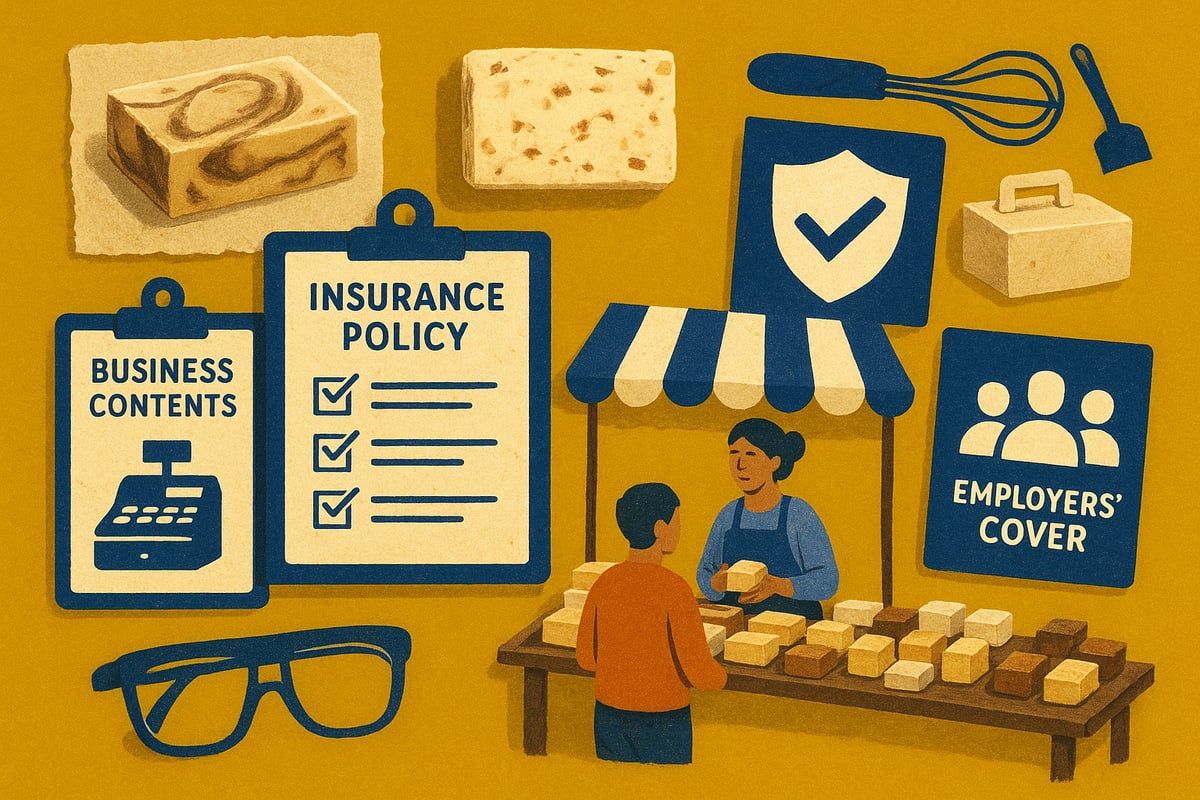
Public Liability Insurance
Public liability insurance is essential for anyone involved in soap making business insurance. This cover protects you if a member of the public claims they have been injured or their property damaged by your business activities.
For soap makers, the risks are real. Imagine a customer slipping on a spilled liquid at your craft fair stall. Public liability insurance steps in to cover legal fees, medical expenses, and any compensation owed. Without it, a single accident could put your business’s future in jeopardy.
Key features include:
Legal defence costs for third-party claims
Compensation payouts for injury or property damage
Cover for incidents at markets, workshops, or during deliveries
Many event organisers will require proof of this policy before allowing you to trade. Integrating public liability into your soap making business insurance portfolio ensures you are prepared for unforeseen events.
Product Liability Insurance
Product liability insurance is a cornerstone of robust soap making business insurance. It covers claims arising from harm or damage caused by your soap products, whether sold or gifted.
Even with meticulous production, there is always a risk that a customer could suffer an allergic reaction or experience a skin irritation. If your labelling is incorrect or an ingredient causes harm, product liability insurance covers legal costs and any compensation required.
Common scenarios include:
Allergic reactions from undisclosed ingredients
Burns or rashes due to product defects
Claims resulting from gifts or freebies
This cover is vital, regardless of business size. It reassures both you and your customers that risks are managed, supporting the long-term stability of your soap making business insurance strategy.
Employers’ Liability Insurance
Employers’ liability insurance is a legal requirement if you hire staff, even on a part-time or temporary basis. It forms a non-negotiable part of your soap making business insurance if you employ others.
This policy covers claims from employees who are injured or become ill because of their work. For example, if a staff member suffers a chemical burn while mixing ingredients, employers’ liability insurance pays for legal fees and compensation.
Key benefits:
Meets UK legal obligations
Covers both physical injuries and work-related illnesses
Protects against costly lawsuits and fines
Failing to secure this insurance can result in significant penalties and leaves your business exposed to claims.
Business Contents and Equipment Insurance
Protecting the physical assets of your business is crucial. Business contents and equipment insurance covers loss or damage to your tools, raw materials, finished soaps, and production equipment.
Imagine a fire breaking out in your workshop, destroying your entire inventory. This cover ensures you can replace stock and resume trading quickly, minimising disruption.
Key highlights:
Protection for fire, theft, flood, or accidental damage
Cover for both workshop and mobile setups
Essential for maintaining business continuity
Including this policy as part of your soap making business insurance safeguards your investment in equipment and stock.
Professional Indemnity Insurance
If you offer consultancy, teach soap making classes, or provide recipes and advice, professional indemnity insurance is a key component of soap making business insurance. This cover protects you against claims arising from advice or services that result in financial loss for your clients.
For instance, if a client follows your soap recipe and suffers a loss, they may seek compensation. Professional indemnity insurance covers your legal costs and any damages awarded.
Main features:
Covers consultancy and workshop activities
Protection for errors in advice or instruction
Essential for educators and advisors
For a deeper understanding, see this Professional indemnity insurance explained resource, which provides further detail on how this cover works for soap makers.
Legal and Regulatory Requirements for Soap Makers in the UK
Operating a soap business in the UK means navigating a complex legal and regulatory landscape. Understanding the specific requirements for insurance, labelling, and sales channels is essential to protect your venture and remain compliant. This section guides you through the critical aspects of soap making business insurance and the rules you must follow.
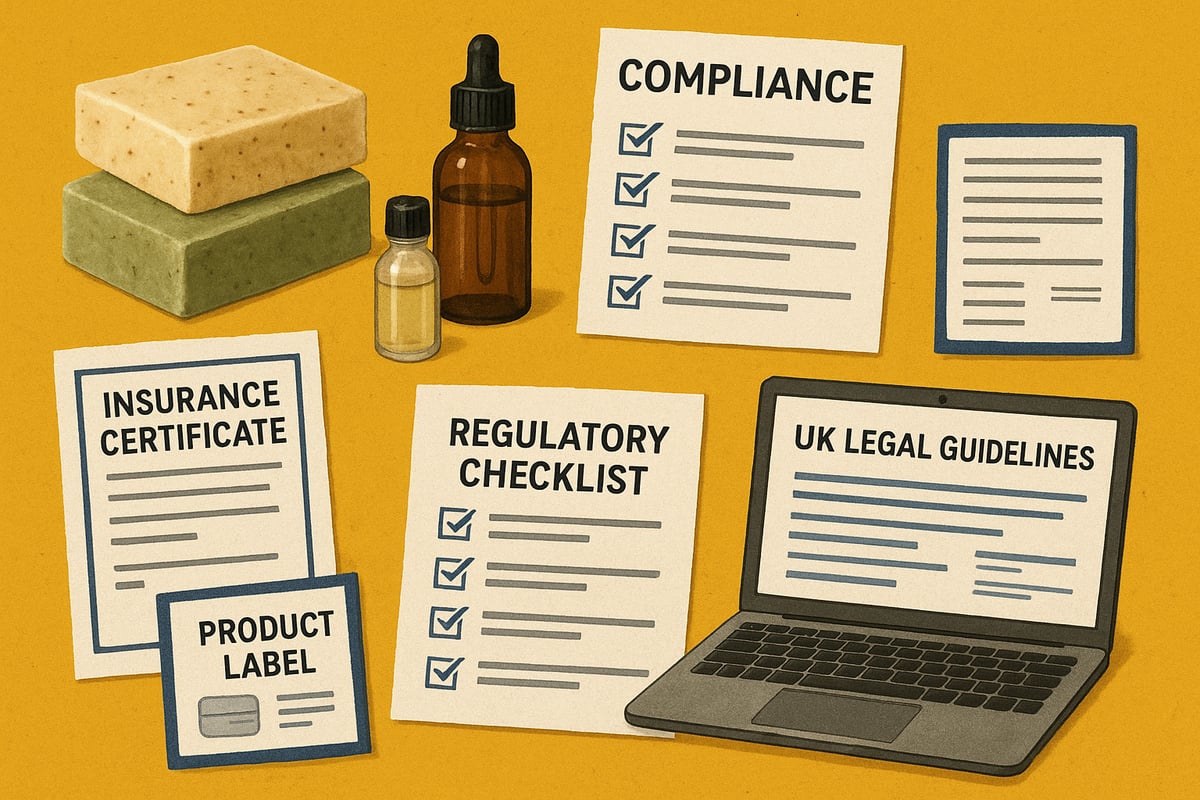
Insurance and Compliance Obligations
Legal compliance is a cornerstone for any soap making business insurance strategy in the UK. Certain forms of insurance are mandatory. For example, if you employ any staff, even on a temporary or part-time basis, employers’ liability insurance is a legal requirement. Not having this cover can result in substantial fines.
Event and market organisers frequently require proof of public liability insurance before allowing you to sell at their venues. This is especially true at craft fairs, farmers’ markets, and pop-up events. Without this insurance, you may be denied entry to lucrative sales opportunities.
Regulatory bodies expect soap makers to operate responsibly and manage risks. The UK government and local authorities also view insurance as a sign of professionalism. For a detailed overview of legal requirements, including necessary licences and compliance measures, refer to the Legal requirements for selling homemade beauty products in the UK.
Soap making business insurance not only keeps you compliant but also builds trust with customers and partners.
Employers’ liability insurance is legally required if you have staff
Public liability insurance is often needed for market or event participation
Insurance supports regulatory compliance and customer confidence
Labelling and Safety Regulations
Proper labelling and safety standards are vital for any soap making business insurance policy. UK and EU regulations require full ingredient disclosure, accurate product descriptions, and adherence to safety guidelines.
Failing to comply with labelling rules can lead to costly recalls, damaged reputation, and insurance claims. For example, if a soap is mislabelled and a customer suffers an allergic reaction, your insurer may have to cover compensation and legal costs.
Clearly list all ingredients and allergens
Include batch numbers and safety warnings where relevant
Keep records to demonstrate compliance in case of a claim
Soap making business insurance provides crucial support when regulatory breaches occur, but prevention through accurate labelling remains essential.
Selling Online vs. In-Person: Insurance Considerations
The channel through which you sell your soaps affects your exposure to risk and the type of soap making business insurance you need. E-commerce platforms such as Etsy or Amazon may require proof of insurance before listing your products. Selling online also increases the likelihood of claims, as your soaps reach a broader audience.
In-person sales at markets or fairs come with their own risks, such as accidental injury or property damage. Both channels require tailored insurance cover to address their unique challenges.
Online sales: wider distribution, increased liability risk, platform requirements
In-person sales: event organiser demands, public interaction risks
Adapt your soap making business insurance to your sales approach
Do You Need Insurance If You Don’t Sell?
Even if you give away your handmade soaps, risks remain. Gifting a product that causes an allergic reaction can result in legal action, leaving you personally liable for compensation.
Soap making business insurance is strongly recommended, whether you sell or simply share your creations.
Factors Affecting the Cost of Soap Making Business Insurance
Understanding what drives the price of soap making business insurance is essential for every soap maker, whether you are just starting out or running an established operation. Several important elements shape how much you will pay for your policy, and knowing these can help you make informed decisions and budget effectively.
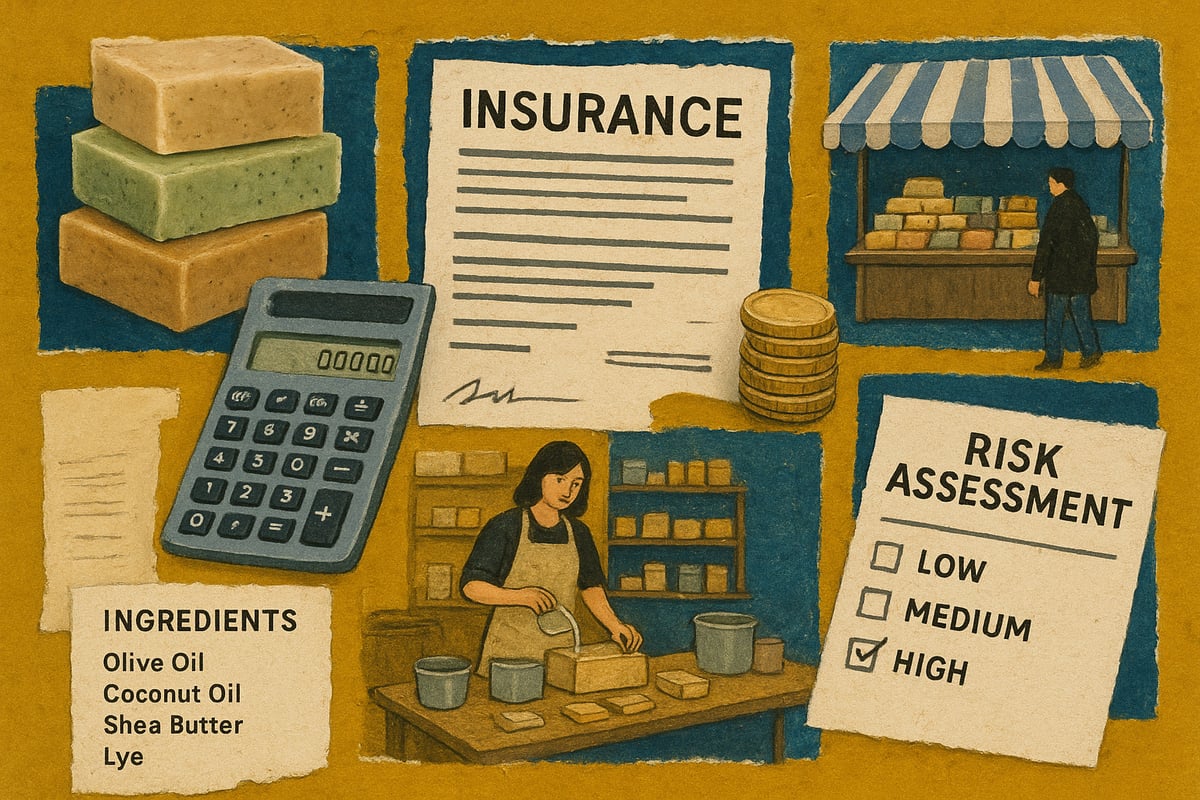
Key Pricing Factors
A variety of factors influence the cost of soap making business insurance. Insurers assess your business profile to determine how much risk you present:
Business size and turnover: Higher revenue or production typically means higher premiums.
Product type and volume: The more products you manufacture, the greater the exposure to claims.
Ingredients used: Soaps with allergens, essential oils, or unusual additives might increase risk.
Claims history: A record of past claims can raise your premium.
Business location: Urban, rural, or home-based operations may see different rates.
The keyword soap making business insurance is central here, as each of these factors helps shape the policy that best fits your needs.
How Insurers Calculate Premiums
When you apply for soap making business insurance, providers use a risk assessment process to set your premium. They consider:
The nature of your business activities, such as selling online, at markets, or running workshops.
The types of cover you choose, including public liability, product liability, and equipment insurance.
The policy limits you select, which affect both cost and coverage.
Any optional extras, like product recall or business interruption cover.
The level of excess you are willing to pay in the event of a claim.
By understanding how soap making business insurance premiums are calculated, you can tailor your policy to balance protection and affordability.
Average Costs and How to Save
The average cost of soap making business insurance in the UK can start from as little as £50 per year for basic public liability cover. However, prices rise with additional coverage and higher turnover.
To save on your policy, consider these tips:
Bundle multiple types of cover for a discount.
Increase your policy excess for lower premiums.
Improve workshop safety and keep detailed records.
Shop around and compare at least three quotes.
For up-to-date figures and trends, the UK business insurance statistics 2024 resource provides valuable insight into current market averages and what other businesses are paying.
Example Scenarios
Let us look at how soap making business insurance costs can vary in real-world situations:
A microbusiness selling at local craft fairs might pay a modest premium due to lower sales volume and limited distribution.
An online retailer with national reach and a broader product line will likely face higher costs, reflecting greater risk exposure.
Hiring staff or introducing new product ranges can also increase premiums, as insurers adjust for added liabilities.
For example, a basic policy for a sole trader may be half the cost of a comprehensive plan for a growing team with expanded stock.
Choosing the right soap making business insurance ensures you are protected, whatever your business size or model.
Step-by-Step Guide to Getting the Right Soap Making Business Insurance
Securing the right soap making business insurance is a crucial part of protecting your venture. The process can be straightforward if you follow a logical, step-by-step approach. This guide breaks down each phase to help you make informed decisions and ensure your cover fits your specific needs.
Step 1: Assess Your Risks and Needs
Begin by evaluating every aspect of your soap business. Consider production, online and in-person sales, events, and workshops. Identify unique risks such as allergic reactions, equipment breakdown, or supply chain interruptions.
Create a list of all your business activities.
Note potential hazards for each activity.
Assess which risks could lead to significant financial losses.
This initial step ensures you select the right types of soap making business insurance. By understanding your vulnerabilities, you lay the groundwork for a tailored policy.
Step 2: Gather Key Information for Quotes
Once you know your risks, prepare the information insurers require for accurate quotes. This includes financial and operational details:
Annual turnover and expected sales growth
Number of employees and their roles
Types of soaps and ingredients used
Details of any previous claims or incidents
Have documentation ready, such as business registration and safety certificates. Providing clear, accurate information streamlines the soap making business insurance process and leads to more precise policy recommendations.
Step 3: Research and Compare Insurance Providers
Seek out insurers with experience in the craft and cosmetics sector. Compare policy features, exclusions, and customer feedback. Look for providers authorised by the Financial Conduct Authority (FCA) for added peace of mind.
Request sample policy documents to compare terms.
Read reviews from other UK soap makers.
Use resources such as Crafters insurance guidance to identify brokers and specific policy options for your niche.
Taking time to research ensures your soap making business insurance is well-suited to your unique requirements.
Step 4: Request and Review Quotes
Submit your information to several providers for tailored quotes. When reviewing offers, focus on key aspects:
Policy limits for each type of cover
Level of excess you are comfortable with
Optional extras such as product recall or business interruption
Watch for hidden exclusions or limitations that could affect future claims. Comparing at least three soap making business insurance quotes helps you balance comprehensive protection with affordability.
Step 5: Purchase and Maintain Your Policy
Once you’ve chosen the best policy, complete the application and keep all documents safe. Regularly review your cover, especially after business changes like new product lines or increased sales.
Update your insurer about any significant changes.
Schedule annual policy reviews.
Keep proof of insurance accessible for event organisers or in case of claims.
Staying proactive ensures your soap making business insurance always matches your current needs.
Step 6: What to Do in Case of a Claim
If an incident occurs, act quickly and follow your insurer’s guidance:
Notify your provider as soon as possible.
Document the incident with photos, receipts, and witness statements.
Cooperate fully with claims and legal teams.
For example, if a customer reports an allergic reaction, having soap making business insurance means you can focus on resolving the issue while your insurer manages legal and financial aspects.
Frequently Asked Questions (FAQ)
Are you considering insurance for your soap venture? Here are answers to the most common questions about soap making business insurance:
Do I need insurance if I only sell soap online?
Yes, you still need soap making business insurance even if you only sell online. Selling on platforms like Etsy or Amazon exposes you to liability claims from a much wider audience. If a customer experiences an allergic reaction or property is damaged due to your product, you may be held liable regardless of where the sale occurs. Insurance protects you from unexpected legal and compensation costs.
Is insurance mandatory for hobbyist soap makers?
Insurance is not legally required for hobbyists who make soap at home and do not employ staff. However, it is highly recommended. Even when making soap as a hobby, giving away or selling products to friends, family, or at small events can still result in claims if someone suffers an adverse reaction or damage. Soap making business insurance offers peace of mind for all levels of activity.
How much cover do I need for my soap making business?
The right amount of cover depends on your turnover, product range, and sales channels. Most small businesses start with at least £1 million public and product liability cover. If you run workshops or employ staff, you may need additional types of soap making business insurance. Review your risks annually and consider bundling policies for better value.
What happens if I don’t have insurance and a claim is made?
Without soap making business insurance, you are personally responsible for any legal costs, compensation, or damages. Even a small claim can result in significant financial loss, threaten your business, or put personal assets at risk. Insurance ensures you have professional support and financial backing if something goes wrong.
Can I get insurance if I occasionally run workshops or classes?
Yes, most insurers can tailor soap making business insurance to include cover for teaching, consultancy, or running workshops. This often involves professional indemnity and public liability cover. Be sure to inform your provider about all your business activities for comprehensive protection.
Are there specialist insurers for soap makers?
Absolutely. There are brokers and insurers who specialise in craft, cosmetic, and artisan producers. Policies are designed to address the unique risks soap makers face. For more information on tailored cover for craft producers, you may find the Candle manufacturer insurance guide a helpful resource.
Does insurance cover product recalls?
Some soap making business insurance policies offer product recall as an optional add-on. This can help cover the costs of recalling products if a safety issue or labelling error occurs. Always check with your insurer and clarify whether product recall cover is included in your policy or available as an extra.
Now that you understand the unique risks soap makers face and how the right insurance can shield your business from costly claims or unexpected setbacks, it’s time to take the next step. You’ve worked hard to build your craft, and protecting it means more than just following best practices—it means having tailored cover you can rely on, whether you’re selling at local fairs or growing your online shop. If you’re ready to match your business with the right insurance and gain peace of mind, you can Get A Quote Now!






Instagram
LinkedIn