




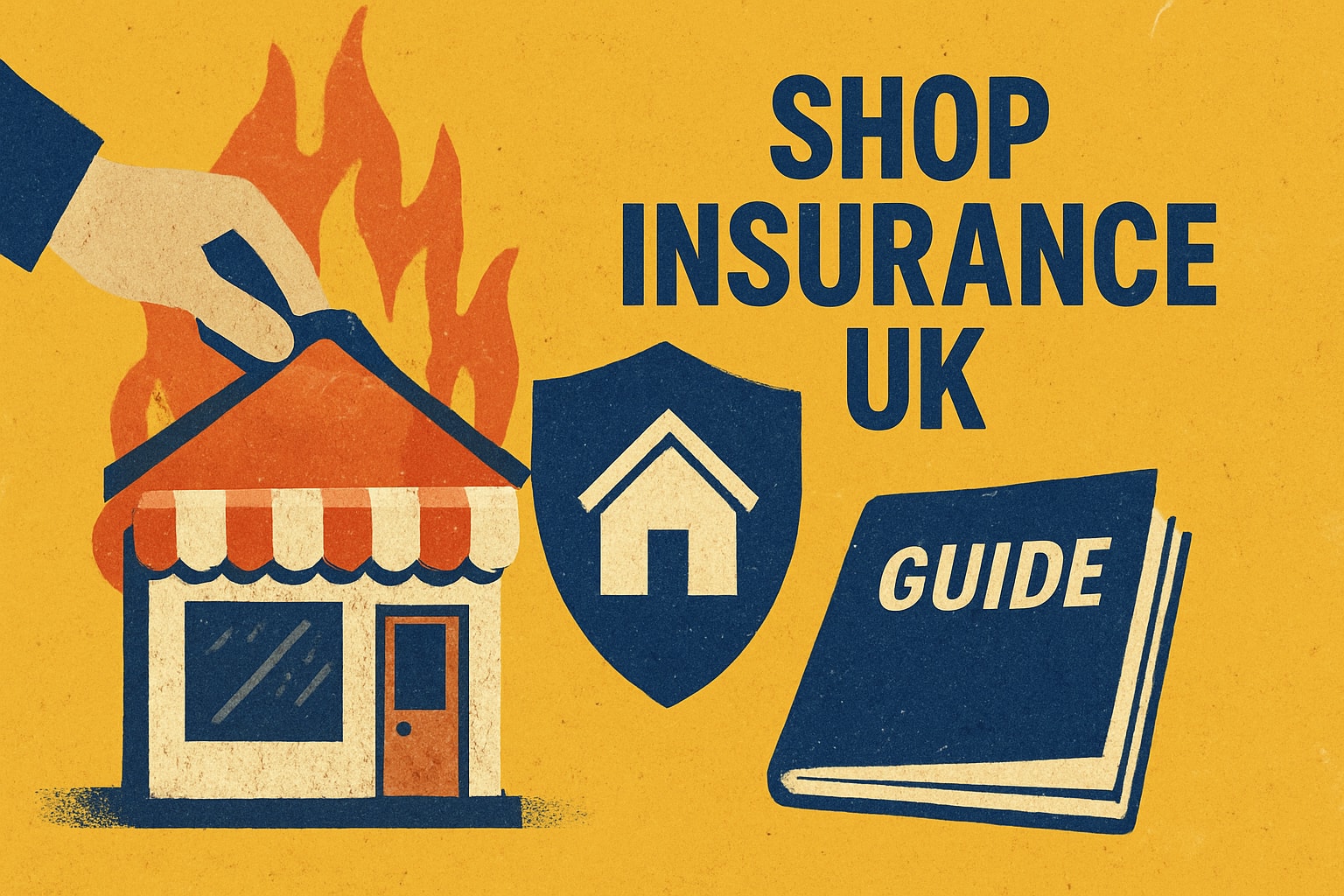
Shop Insurance UK Guide: Protect Your Retail Business in 2026
Need shop insurance? Click here for a quick quote now!
Imagine waking up to find your retail shop devastated by fire or theft, with years of hard work at risk in a single night. Protecting your business with the right shop insurance uk is crucial for every UK retailer in 2026.
This guide explains everything shop owners need to know, from types of cover and legal obligations to costs and choosing the right policy. Discover what shop insurance covers, why it matters, the factors that affect your premium, and how to pick the best protection for your business. Take action now to secure peace of mind and future-proof your retail success.
Why Shop Insurance Is Essential for UK Retailers in 2026
Imagine walking into your shop one morning to discover a break-in has left your premises ransacked, stock stolen, and your business forced to close. For many UK retailers, this is not just a nightmare scenario—it is an all too real risk. In today's retail landscape, shop insurance uk is not just a safety net, it is a crucial lifeline for business survival and growth.
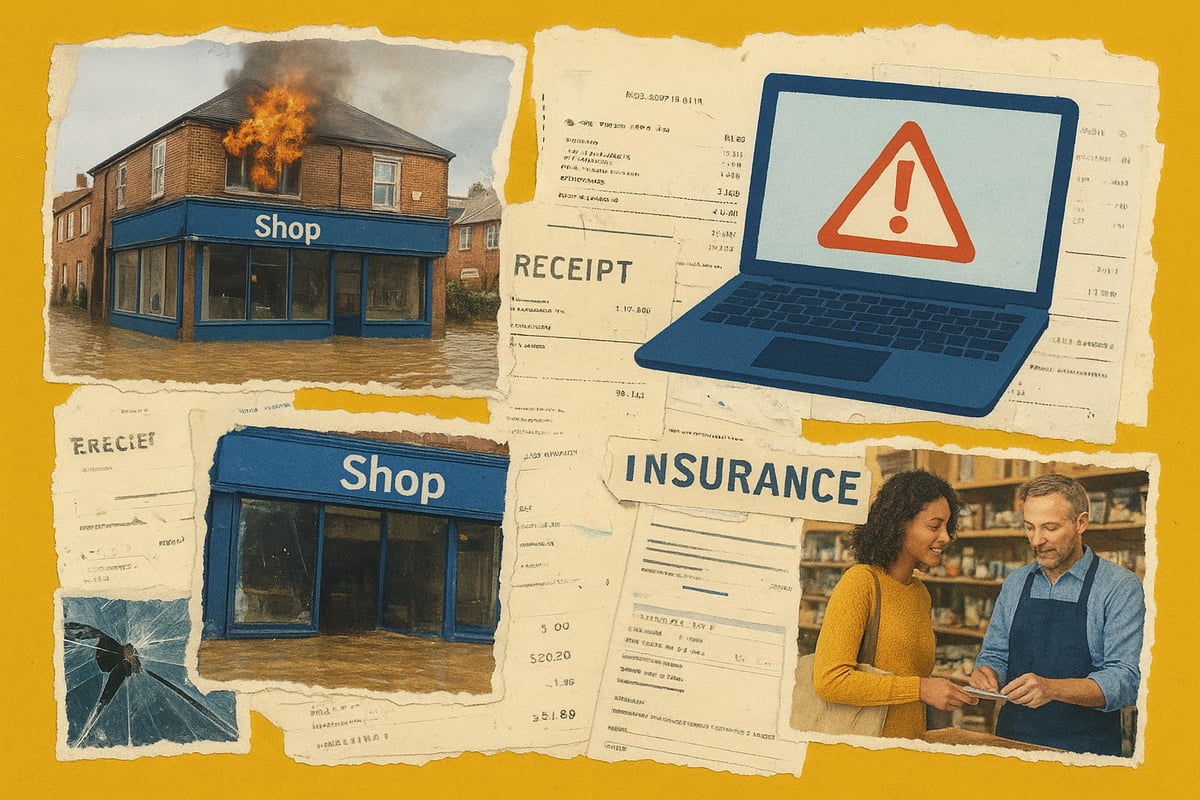
UK shop owners face a range of unique risks every day. These include:
Theft and burglary, leading to loss of stock and property damage
Fire and flood incidents, which can devastate shop interiors and inventory
Customer accidents, such as slips and trips, resulting in potential liability claims
Employee injuries on the shop floor or in storage areas
Vandalism and malicious damage, affecting both reputation and finances
Real-life claims highlight just how costly these incidents can be. The average public liability claim in the UK can easily exceed several thousand pounds. For example, a customer slipping on a wet floor may result in legal fees and compensation costs that many small retailers simply cannot afford without shop insurance uk.
Legal requirements add another layer of urgency. If you employ staff, employers’ liability insurance is mandatory, with potential fines reaching £2,500 per day for each uninsured employee. Failing to secure adequate shop insurance uk can lead to prosecution, financial loss, and even the closure of your business. For many retailers, compliance is not just about ticking a box—it is about safeguarding the future of their enterprise.
The impact of uninsured incidents goes far beyond immediate financial loss. Business interruption can mean days or weeks without income, while negative publicity from an accident or claim can damage hard-won customer trust. In some cases, uninsured legal disputes or property damage can force a retailer to shut down permanently.
Consider these real-world scenarios:
A staff member suffers a back injury while lifting stock, leading to a costly compensation claim
Floodwaters destroy a new seasonal inventory order, leaving shelves empty at peak trading time
A cyber attack compromises customer data, exposing the business to regulatory fines and reputational harm
The retail world is evolving rapidly. In 2026, risks extend beyond the shop floor. Online retail growth brings new exposures, from cyber threats to complex supply chains. Changing regulations around data protection and health and safety require constant vigilance. Many businesses are still underinsured, leaving themselves exposed to significant gaps in cover.
Comprehensive shop insurance uk is the foundation for resilience. It not only covers the costs of repairs, replacements, and legal claims, but also supports business continuity through crisis situations. For as little as £5.64 per month, 10% of shops secure basic cover, while tailored policies ensure protection matches your unique needs and risk profile.
For a deeper understanding of how to protect your retail business and navigate evolving risks, explore the Business Shop Insurance Guide, which offers detailed insights tailored to UK retailers.
Ultimately, investing in the right shop insurance uk is about peace of mind. It empowers you to focus on growing your business, knowing you are prepared for whatever challenges arise in 2026 and beyond.
Types of Shop Insurance Cover Explained
Choosing the right shop insurance uk policy means understanding the full range of cover available to retailers. Each type of insurance addresses a unique risk, helping to protect your business from unexpected events. In 2026, many policies are designed to be flexible, allowing you to build cover around your shop’s needs. Below, we break down the core types of shop insurance uk cover, typical claims, and why each matters for your retail business. For more details on broader protection, you can also explore various commercial insurance options tailored for UK shop owners.
Public Liability Insurance
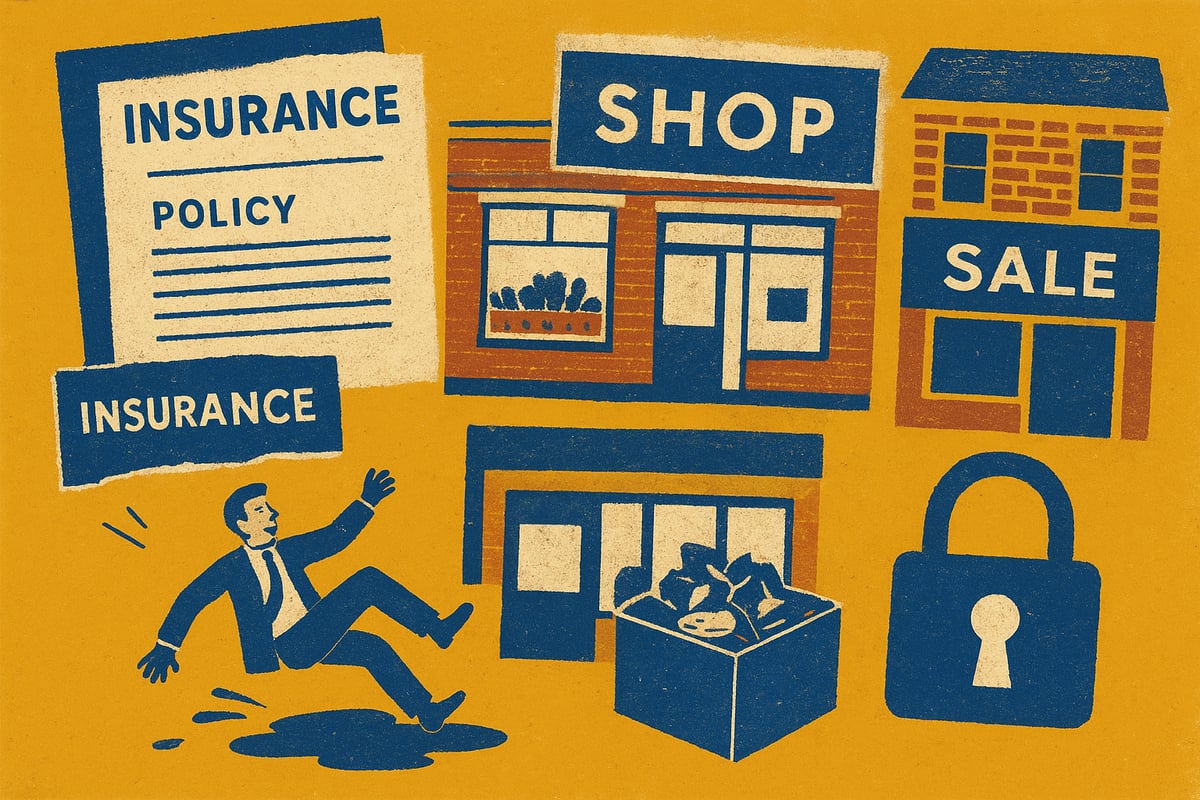
Public liability insurance is a core component of shop insurance uk policies, safeguarding your business if someone is injured or their property is damaged in your shop. This is vital for any retailer who welcomes customers onto the premises.
Example: A customer slips on a freshly mopped floor and breaks their wrist. The claim for compensation and medical bills could run into thousands.
Importance: Essential for high footfall shops, as even minor accidents can lead to significant claims.
Having public liability cover in your shop insurance uk policy provides reassurance that you can handle such incidents without risking your business.
Employers’ Liability Insurance
Employers’ liability insurance is legally required if you employ anyone, even on a temporary or part-time basis. This cover protects your shop if an employee is injured or falls ill as a result of their work.
Example: A staff member strains their back lifting heavy boxes in your stockroom. Compensation and medical costs are covered by your shop insurance uk policy.
Importance: Compliance with UK law, avoiding fines and supporting employee welfare.
Without this cover, your business could face substantial penalties and legal action, making it a non-negotiable part of shop insurance uk.
Buildings and Contents Insurance
Buildings and contents insurance shields your shop’s physical assets, including the premises, fixtures, fittings, and essential equipment. This cover is crucial for both shop owners and tenants.
Example: A fire damages your shop’s interior, destroying shelving, tills, and valuable stock. The costs of repair and replacement are covered.
Importance: Ensures business continuity and minimises downtime after disasters.
Including this protection in your shop insurance uk plan helps you recover faster from serious property damage.
Stock Insurance
Stock insurance is designed to protect the products and materials you sell. It covers loss, damage, or theft of inventory, helping you maintain cash flow and meet customer demand.
Example: Flooding in your storage area destroys a new delivery of seasonal goods. Shop insurance uk pays for the replacement.
Importance: Essential for any retailer with significant stock holdings, especially during peak trading periods.
This cover helps prevent financial loss and keeps your shelves stocked, whatever happens.
Legal Expenses and Personal Accident Cover
Legal expenses cover pays for the cost of legal disputes, tax investigations, and crisis PR. Personal accident cover provides compensation if you or your staff are injured at work or even off-duty.
Example: A dispute with a supplier escalates to legal action. Your shop insurance uk policy covers solicitor fees and court costs.
Importance: Protects your business from unexpected legal bills and supports staff wellbeing.
These add-ons can make a significant difference when facing challenging situations that threaten your shop’s reputation or finances.
Optional and Specialist Covers for 2026
In 2026, shop insurance uk offers a suite of optional and specialist covers to address emerging risks and new business models.
Business interruption: Covers lost income if your shop must close temporarily due to an insured event.
Cyber insurance: Protects against data breaches and online fraud, essential for retailers trading online or handling customer data.
Goods in transit: Covers stock while being delivered or collected.
Product liability: Additional protection if a product you sell causes harm.
Adding these specialist covers to your shop insurance uk policy ensures you are prepared for both traditional and modern threats in retail.
How Much Does Shop Insurance Cost in the UK?
Understanding the cost of shop insurance uk is vital for every retail business owner. Premiums can vary widely, so knowing what influences your quote is the first step to protecting your shop and your bottom line. Let us break down what affects your costs, show typical price ranges, and share tips for saving money in 2026.
What Affects Shop Insurance UK Costs?
Several factors determine how much you pay for shop insurance uk. Insurers look at your shop’s location, the size of your premises, your annual turnover, the number of employees, and the types of goods you sell. Shops in high-crime areas or flood zones may face higher premiums.
Your claims history also matters. If you have made previous claims, insurers may see your business as higher risk and increase your costs. The type and level of cover you choose, such as including stock insurance or cyber cover, will influence the final price.
Typical Shop Insurance UK Prices by Retail Type
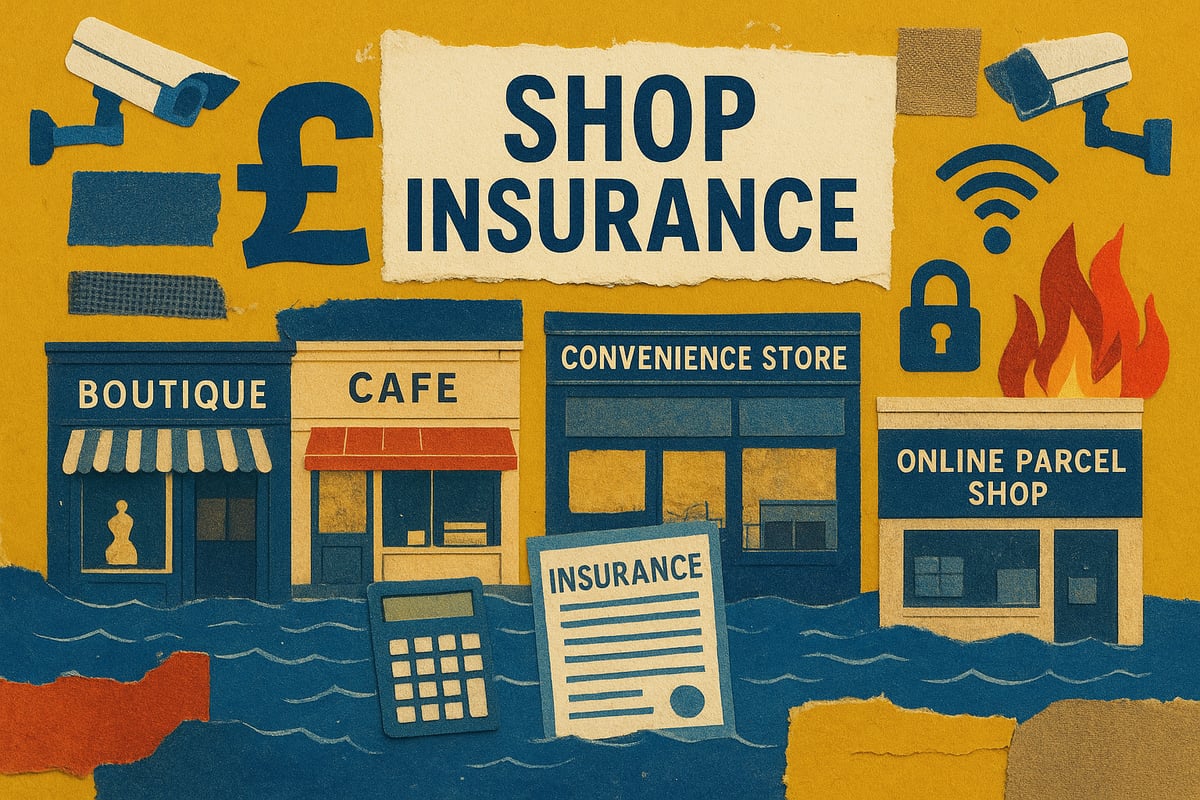
Shop insurance uk policies are more affordable than many expect. Competitor data shows that 10 percent of UK shops pay as little as £5.64 per month for basic cover. However, costs rise with more complex needs.
Convenience store: From £8–£20 per month for standard cover
Boutique clothing shop: From £6–£15 per month, depending on location and stock value
Café or coffee shop: £10–£25 per month, with higher premiums for hot food or alcohol
Online retailer: From £5.64 per month if no physical premises, but higher if you store stock or ship high-value goods
Remember, these are example figures. Your actual shop insurance uk quote will depend on your unique circumstances.
How to Reduce Your Shop Insurance UK Premium
Want to lower your shop insurance uk costs? Start by investing in risk management. Upgrading locks, installing CCTV, and using fire or burglar alarms can all reduce your risk profile.
Bundling multiple covers, such as combining public liability and contents insurance, often leads to discounts. Maintaining a clean claims record and reviewing your policy annually can also help you secure the best price.
Getting the Right Price: The Value of Tailored Quotes
Every business is different, so shop insurance uk is never truly one size fits all. Prices are tailored to your risk profile and can change as your business evolves. The fastest way to find accurate, competitive cover is to compare multiple quotes.
You can quickly request tailored quotes using this Shop Insurance Quote Form, ensuring you get the right protection at the right price for your retail business in 2026.
How to Choose the Right Shop Insurance Policy
Choosing the right shop insurance uk policy is one of the most important decisions a retailer will make. With shifting risks and regulations in 2026, following a clear process helps ensure your business is fully protected.
1. Identify Your Unique Retail Risks
Every retail shop faces a different set of exposures. Begin by listing out your business activities, inventory, staff numbers, and property details. Consider whether you deal in high-value goods, perishable stock, or online sales. For each area, ask yourself: what could go wrong, and how would it affect your operations? This risk mapping is the first step to matching the right shop insurance uk cover to your needs.
Physical risks: fire, flood, theft, vandalism
Liability risks: injuries to customers or staff
Business interruption: closure due to major incidents
Cyber threats: data breaches, online fraud
2. Provide Accurate Business Details and Full Disclosure
Insurers rely on precise information to calculate your shop insurance uk premium and offer valid claims support. Double-check that all business details are correct, from your shop’s location to your annual turnover and staff list. Disclose any unusual activities, previous claims, or changes in your business model. Failing to provide accurate information could invalidate your shop insurance uk policy at the worst possible moment.
3. Assess Policy Features, Limits, and Excesses
Not all shop insurance uk policies are created equal. Scrutinise the features of each policy, including:
Core covers: public liability, employers’ liability, contents, and buildings
Optional add-ons: cyber insurance, business interruption, goods in transit
Coverage limits: maximum claimable amounts for each section
Excess: the amount you pay towards a claim
Compare these details side by side. Make sure the policy limits reflect your shop’s true replacement and liability costs. Check for exclusions that could leave gaps in your protection.
4. Use a Specialist Insurance Broker
A broker with expertise in shop insurance uk can be invaluable. Brokers understand the market, have access to specialist insurers, and can negotiate better terms on your behalf. They will help you interpret policy documents, highlight hidden exclusions, and ensure your coverage is tailored to your exact risks. For more tailored advice, see Business Insurance for Small Business, which expands on key considerations for retail owners.
5. Review Insurer Reputation, Claims Process, and Customer Support
Choose an insurer known for efficient claims handling and reliable customer service. Look for high claim settlement rates, transparent complaint processes, and extended support hours. Reading independent reviews or asking peers for recommendations can offer valuable insight into how your shop insurance uk provider responds in a crisis.
6. Embrace Technology for Faster, More Accurate Cover
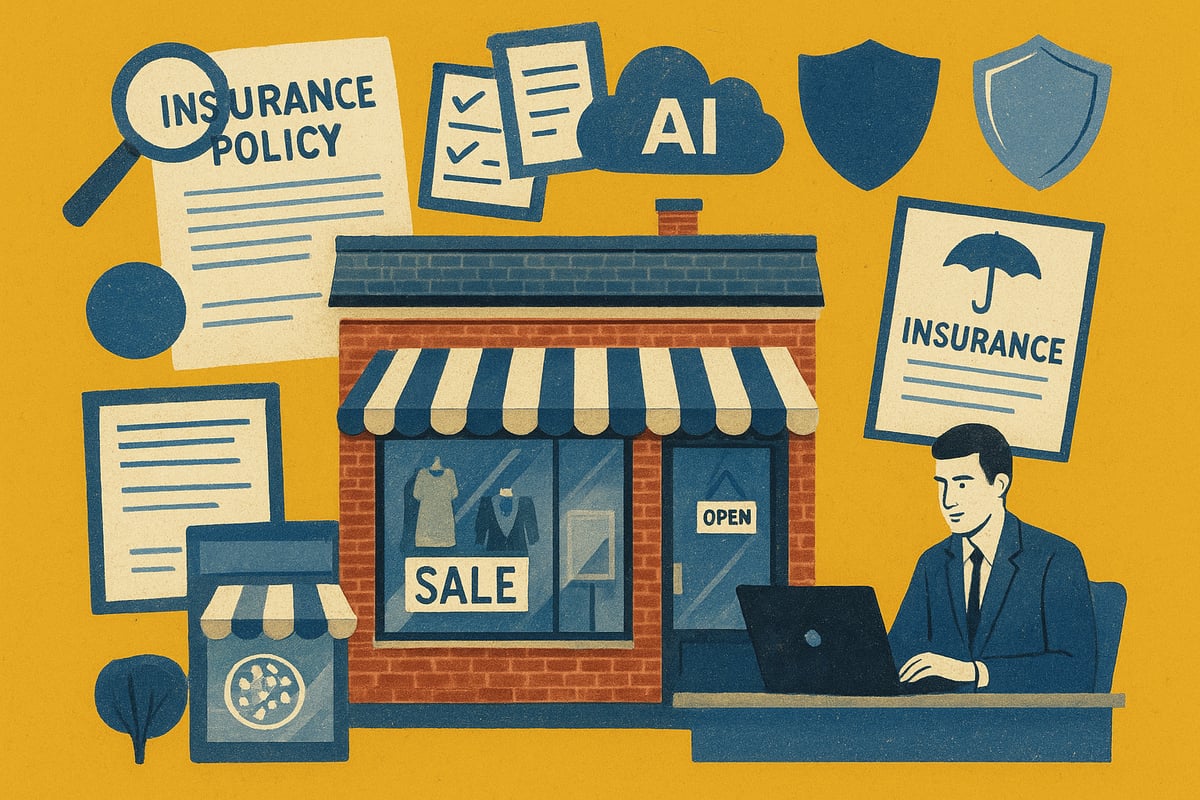
In 2026, AI-powered platforms help compare shop insurance uk policies quickly and accurately. These tools use your business data to match you with the best-fitting insurers and flag potential risks. Using technology can save time and ensure no aspect of your retail operation is overlooked.
7. Review and Update Your Policy Regularly
Your shop insurance uk policy should evolve with your business. Review your cover at least annually, or whenever you change premises, launch new products, or see a significant increase in turnover. Regular reviews ensure you always have the right level of protection.
8. Keep Documentation and Understand Renewal Terms
Store all policy documents, correspondence, and claims history safely. Familiarise yourself with your renewal dates and terms, and set reminders to review your policy in advance. This prevents accidental lapses and gives you time to renegotiate or switch providers if needed.
By following these steps, UK retailers can approach shop insurance uk with confidence, ensuring their business is safeguarded against the unexpected.
Making a Claim: What UK Retailers Need to Know
Making a claim on your shop insurance uk policy should not be complicated, but it is crucial to understand the right steps to follow. When an incident occurs, prompt action and clear documentation help ensure a smooth process and reduce the risk of delays or disputes.
Step-by-Step Guide to Making a Claim
Start by notifying your insurer as soon as possible after any incident that might lead to a claim on your shop insurance uk policy. Use the dedicated claims line or online portal many providers offer in 2026.
Follow these steps for an efficient process:
Contact your insurer immediately with initial details.
Record the incident thoroughly, noting time, date, and circumstances.
Gather supporting evidence, such as CCTV footage, photos, and receipts.
Complete the claim form provided by your insurer, ensuring all information is accurate.
Submit all required documentation within the timeframe specified in your policy.
Essential Documentation and Evidence
To support your shop insurance uk claim, provide clear and detailed evidence. Insurers usually require:
Photographs or videos of the damage or incident.
Police or fire brigade reports, if applicable.
Incident reports from staff or witnesses.
Receipts, invoices, or proof of ownership for damaged or stolen items.
Maintenance records or risk assessments, especially for liability claims.
Keeping organised records and digital copies makes this process much easier and helps prevent unnecessary delays.
Timelines and What to Expect
Most insurers in the shop insurance uk market aim for fast claims resolution. Some leading providers settle up to 95% of straightforward claims within 24 hours. More complex cases, such as major property damage or legal disputes, may take longer due to additional investigations.
Your insurer will acknowledge your claim, assign a handler, and keep you updated on progress. Respond promptly to any requests for further information to avoid hold-ups.
Handling Disputes or Rejected Claims
If your shop insurance uk claim is disputed or rejected, review the decision letter carefully. Common reasons include inadequate documentation or falling below the policy excess. In some cases, underinsurance is a factor—recent reports show the majority of UK properties remain underinsured, which can limit payouts.
To escalate a dispute:
Contact your insurer’s complaints department first.
If unresolved, approach the Financial Ombudsman Service for independent review.
Seek professional advice if needed, especially for complex or high-value claims.
Tips for Minimising Disruption
Report incidents promptly and keep records up to date.
Assign a staff member to liaise with the insurer during the process.
Maintain backups of all important documents and evidence.
Review your cover annually to avoid underinsurance and ensure claims are fully supported.
Being prepared and proactive with your shop insurance uk policy will help you recover quickly and maintain business continuity, whatever the challenge.
FAQs: Shop Insurance UK 2026
Navigating shop insurance uk in 2026 can be complex, especially with evolving risks, regulations, and policy features. Below you will find answers to the most common questions retailers ask about shop insurance uk, designed to provide clarity and help you make informed decisions for your business.
Is shop insurance uk a legal requirement?
Employers’ liability insurance is mandatory if you employ staff, with penalties for non-compliance. Public liability is not legally required but is strongly recommended for most shops. Not having the right shop insurance uk can make it impossible to trade or win contracts.What level of public liability cover do I need for my retail shop?
Most UK retailers choose between £1 million and £5 million, depending on footfall, business size, and contractual requirements. Assess your risks and consult your broker to ensure your shop insurance uk policy meets your needs.Can I get insurance if I run an online or hybrid retail business?
Yes, shop insurance uk is available for online-only, brick-and-mortar, or hybrid models. You may need extra covers such as cyber insurance or goods in transit, depending on your business activities.How can I reduce my shop insurance uk premiums?
Improve security (alarms, CCTV), train staff, and maintain a clean claims history. Bundling multiple covers and paying annually can also help lower the cost of shop insurance uk.What should I do if my claim is declined?
Check your policy wording and request a detailed explanation from your insurer. If you disagree, escalate the complaint using your insurer’s process, and contact the Financial Ombudsman if unresolved.Are temporary or seasonal staff covered by my policy?
Most shop insurance uk policies cover temporary, seasonal, and part-time staff under employers’ liability. Always disclose all staff types to your insurer to avoid gaps in cover.Does shop insurance uk cover cyber attacks or data breaches?
Standard shop insurance uk policies exclude cyber risks. You’ll need specialist cyber insurance for protection against hacking, ransomware, and data loss. For more on the importance of this cover, see cyber insurance uptake among UK businesses.How often should I review and update your shop insurance uk policy?
Review your policy at least annually, or whenever your business changes, such as new products, increased turnover, or expansion. Regular updates ensure your shop insurance uk remains suitable.What happens if I change the type of goods I sell?
Notify your insurer immediately. Some products carry higher risks and may affect your shop insurance uk, premium, or eligibility. Non-disclosure may invalidate your cover.Can I switch insurance providers mid-policy?
Yes, but check for cancellation fees and ensure continuous cover. Compare shop insurance uk providers to find better value, features, or customer support before switching.
After exploring the risks UK retailers face in 2026 and the critical role that comprehensive shop insurance plays in keeping your business secure, it’s clear that peace of mind comes from being properly protected. Whether you’re concerned about legal requirements, choosing the right cover, or just want to make sure your livelihood is safe from the unexpected, taking the next step is simple. If you want tailored advice and access to the best insurance options for your shop, you can get started in just a few minutes.
Get A Quote Now!








Instagram
LinkedIn