
FS Register FRN 1029698
55 Five Star Google Reviews
13+ years specialist broking experience
Heat Network Insurance UK — Specialist Cover for District & Communal Heating Operators
Specialist insurance for the operators, suppliers and owners of district and communal heat networks — the sector Ofgem began regulating on 27 January 2026. Cover built around your energy centre, plant and buried pipework, the business-interruption cost of a loss of heat supply, customer compensation, public and professional liability, and the financial-resilience and consumer-protection obligations the new regime now imposes. Built for the post-regulation world, placed through specialist and Lloyd's markets.
Get a Heat Network Quote Talk to John · 01792 001350The 2026 regulatory shift — and why it changes your insurance
For the first time, heat networks are regulated as a utility. From 27 January 2026, under the Heat Networks (Market Framework) (Great Britain) Regulations 2025, Ofgem became the statutory regulator for around 14,000 existing heat networks across Great Britain. Operating or supplying a network is now a regulated activity, governed by authorisation conditions covering consumer protection, fair pricing, billing, and — critically for insurers — financial resilience. Existing networks have deemed authorisation but must register with Ofgem by 26 January 2027.
This matters for cover in three ways. The regime raises the stakes of a failure (loss of supply now carries consumer-protection and potential compensation consequences), it introduces enforcement risk (non-compliance penalties can reach £1 million or up to 10% of annual turnover), and it forces operators to demonstrate financial resilience — for which a properly structured insurance programme is part of the answer. A policy bought before regulation, or borrowed from a landlord or property wording, rarely reflects any of it.
Who needs heat network insurance?
The regime draws a line between two regulated roles, and your exposure depends on which you hold — many organisations are both. The operator controls and maintains the transfer of thermal energy (the energy centre, network and plant). The supplier holds the contractual relationship with end customers (billing, service, consumer protection). Both are regulated activities requiring authorisation, and both carry insurable risk.
In practice the buyers are housing associations and local authorities running communal schemes across their stock; private ESCos and heat suppliers operating district networks; new-build and build-to-rent developers whose schemes include communal heating; managing agents and resident management companies responsible for block systems; and campus operators (universities, hospitals, MoD sites) running site-wide networks. Each has a different blend of property, plant, supply-obligation and regulatory exposure.
Why standard cover doesn't fit a heat network
A heat network is not a boiler and not an ordinary commercial property. It is critical shared infrastructure with a regulated duty to keep supplying heat — and the failure modes, the financial consequences and the regulatory backdrop all sit outside what generic wordings contemplate.
Loss of supply is the core risk
A plant failure doesn't just mean a repair bill — it means hundreds of homes without heat or hot water, increased cost of working to restore supply, and potential customer compensation under the new regime. Standard property cover rarely answers this.
Regulated duties, not just assets
Ofgem authorisation conditions, financial resilience and consumer protection create obligations a property or landlord policy was never designed around.
Mismatched wordings leave gaps
Networks are too often insured under a block buildings policy or a parent commercial-combined that never names the heat network — leaving plant, BI and supply obligations effectively uninsured.
The core exposures of a heat network
These are the risks that shape underwriting and drive claims — and the areas a specialist programme is built around.
Plant breakdown & loss of supply
Failure of CHP units, boilers, heat pumps, thermal stores, pumps or heat interface units can take the whole network down. Engineering/machinery breakdown and the resulting business interruption are central.
Escape of water & buried pipework
Leaks in distribution pipework — often buried and expensive to locate and reinstate — are a leading and high-cost claim, with knock-on damage to property and supply.
Scalding & legionella
Hot water and shared systems carry bodily-injury exposure — scalding incidents and legionella risk across multiple dwellings — driving public liability and risk-control requirements.
Energy-centre fire
Concentrated plant, fuel and electrical load make the energy centre a significant fire risk, with the potential to remove supply to the entire network at once.
Environmental & pollution
Fuel storage, refrigerants in heat-pump-led networks and leaks create pollution and environmental-impairment exposure that standard liability often excludes.
Cyber, metering & billing
Smart metering, billing platforms and control/SCADA systems create cyber and systems exposure — both an operational risk and a consumer-protection one under the new rules.
Design & performance liability
Where you design, specify or guarantee network performance, under-performance, inefficiency or sizing errors become financial-loss claims — a professional indemnity exposure.
Regulatory & financial resilience
Ofgem authorisation conditions, enforcement risk and the financial-resilience requirement make a properly evidenced insurance programme part of demonstrating compliance.
What heat network insurance covers
A modular programme, structured around the network's assets, its duty to keep supplying heat, and its regulated obligations. The right shape depends on whether you operate, supply, or both — and at what scale.
Property — Energy Centre & Network
Buildings, plant, pipework and assets across the energy centre and distribution network at reinstatement value.
Engineering / Machinery Breakdown
Sudden and unforeseen breakdown of CHP, boilers, heat pumps, thermal stores, pumps and HIUs — the cover that responds when plant fails.
Business Interruption
Loss of revenue, increased cost of working to restore supply, and — where arranged — customer compensation following an insured loss of heat.
Public & Products Liability
Third-party injury and property damage — scalding, legionella, leaks and damage across the buildings and dwellings you serve. Limits to match the network's scale.
Professional Indemnity
Design, specification, performance and billing exposure where your advice or guarantees cause customers financial loss.
Directors & Officers
Management liability for the individuals running a now-regulated activity, including regulatory investigation defence.
Environmental Impairment
Pollution and clean-up exposure from fuel, refrigerants and leaks that general liability typically excludes.
Cyber
Metering, billing and control-system exposure — data, ransomware and operational-technology cover for a connected network.
Contract Works (CAR)
New connections, extensions and plant upgrades — works in progress on a live network.
What cover does my heat network need?
Select your operator type for an indicative starting structure. Each is a starting point — your exact programme depends on whether you operate, supply or both, the plant and network value, customer numbers and limits.
- Legal Employers' Liability £10m (if any staff)
- Core Property — energy centre, plant & network
- Core Engineering / machinery breakdown on plant
- Critical Business interruption — loss of heat + customer compensation
- Core Public Liability — scalding, legionella, escape of water
- Add D&O and Ofgem regulatory defence scope
- Legal Employers' Liability £10m (if any staff)
- Core Property, plant & engineering breakdown
- Critical Business interruption + customer compensation
- Critical Professional Indemnity — performance & billing
- Core Public & Products Liability; Environmental
- Add Cyber (metering, billing, SCADA); D&O
- Legal Employers' Liability £10m (if any staff)
- Critical Contract works / CAR during build & connection
- Core Professional Indemnity — design & sizing
- Core Property & plant on completion / handover
- Add Latent defects on the network assets
- Add Transition-to-operator BI & liability programme
- Legal Employers' Liability £10m
- Core Property — energy centre & site-wide network
- Critical Engineering breakdown + BI (critical estate supply)
- Core Public Liability — high-footfall estate scope
- Add Environmental; cyber on building-management systems
- Core Property & engineering breakdown on the communal plant
- Critical Business interruption — loss of heat to residents
- Core Public Liability — escape of water, scalding
- Critical Confirm operator/supplier status & Ofgem obligations
- Add D&O for the RMC directors
What shapes your premium
Heat network cover is bespoke — there is no off-the-shelf rate — but a few factors drive terms more than any other. The plant type and age (CHP, gas boilers, heat pumps, the resilience and redundancy built in); the network's scale and the number of dwellings or customers supplied; the reinstatement value of the energy centre, plant and pipework; whether you operate, supply or both, and the contractual performance promises you make; your maintenance, condition-survey and resilience regime; claims history, particularly any loss of supply, escape of water or scalding; and how completely the risk is presented. The single biggest lever is a clear, well-evidenced submission — condition surveys, maintenance records, resilience and redundancy arrangements and your Ofgem compliance position all move terms in your favour.
Get a Heat Network Quote Talk to John · 01792 001350Frequently asked questions
Do heat network operators legally need insurance?
What does Ofgem now require of heat networks?
How is this different from my buildings or landlord insurance?
What is "business interruption" for a heat network?
Are we the "operator" or the "supplier" — and does it matter?
Do developers and build-to-rent operators need this?
Is this the same as hot works, boiler cover or heating-engineer insurance?
How much does heat network insurance cost?
Why use a specialist broker for this?
Real World Example
A housing provider operating a communal heat network across several blocks held only a block buildings policy, with no engineering breakdown on the plant and no business-interruption cover for a loss of heat. When a primary boiler failed during a cold snap, hundreds of residents were left without heating and hot water, and the provider faced the cost of emergency temporary plant and resident support with no cover to respond. Miller & Partner reviewed the exposure, restructured the programme with engineering breakdown, loss-of-supply business interruption and customer-compensation scope, and aligned it with the provider's Ofgem financial-resilience position — so the next failure is an insured event, not an uninsured crisis.
Our expertise in this field
At Miller & Partner, we arrange tailored insurance for the organisations running Britain's low-carbon heat infrastructure — district and communal heat network operators, ESCos and heat suppliers, housing associations, developers and campus networks. We understand the exposures that define the sector: loss of supply and the business-interruption cost behind it, plant and engineering breakdown, escape of water and scalding, environmental and cyber risk, and the Ofgem regulatory framework that reshaped the market in 2026. With access to leading UK insurers and the Lloyd's market, and a hands-on, no-pressure approach, we make sure the right cover is in place from proposal through to claim.
Get a Heat Network Quote General Quote Form
Related cover: Commercial Insurance · Property Insurance · Professional Indemnity · Cyber Insurance · Contractors Combined · Renewable Energy Installer Insurance
Insights & articles: Renewable Energy Insights Hub · Commercial Insights Hub
General information, not advice. This page describes the types of cover we arrange. It is not personalised advice, a personal recommendation or an offer of cover, and it does not take account of your own circumstances. Cover is subject to insurer acceptance, underwriting criteria and the full terms, conditions, limits and exclusions of the policy issued. Any figures shown are illustrative and are not quotations. Our full regulatory status and complaints information are set out in the footer of every page.
Ready to protect your business?
Get expert advice and a tailored commercial insurance quote today.
✔ Independent broker
✔ Access to leading UK insurers
✔ Fast turnaround
Free Insurance Review
& Zero Broker Fee
Let us review your current insurance and see if we can improve your cover while reducing the cost.
You're in 🎉
Thanks for requesting your free review. We'll be in touch shortly.
Check out our Renewable Energy Insights and Articles Hub

Check out some related blog posts on heat network insurance
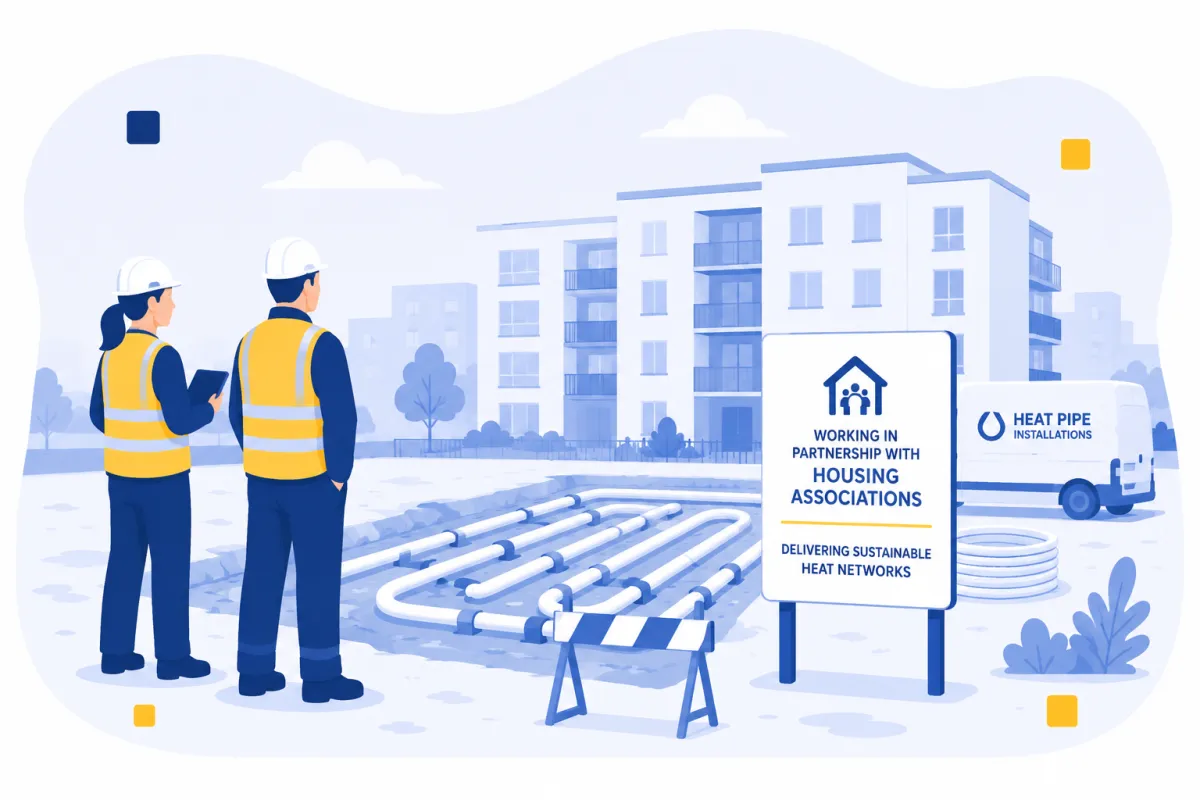
Housing Association Heat Network Insurance | UK Guide
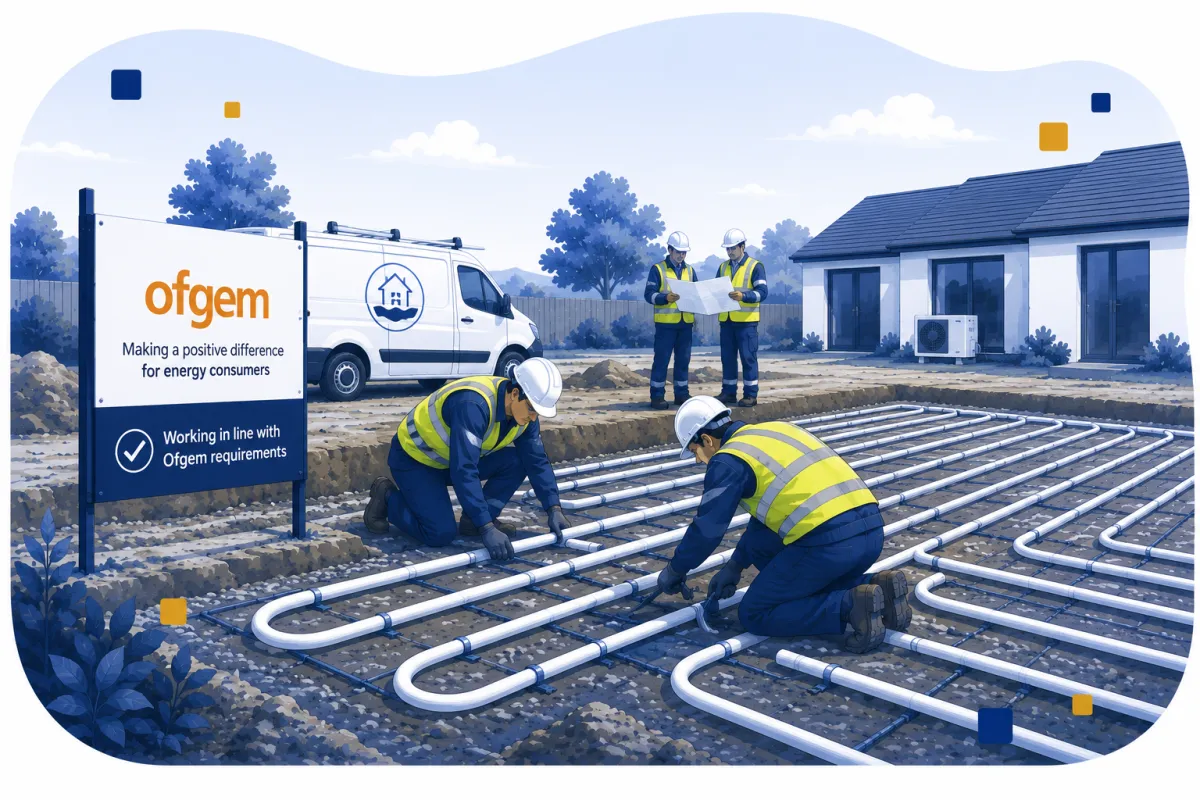
Ofgem Heat Network Regulation: A 2026 Guide for Operators
John was very helpful in an area where other brokers could not find policies that met the needs of my business. Quick responses and always friendly!

I’ve been dealing with John for our specialist crime scene and biohazard cleaning insurance, and the service has been excellent. He took the time to understand the nature of our work and ensured we had the right level of cover in place. Responsive, knowledgeable, and easy to deal with throughout. Would recommend 100%
John M provided excellent support in arranging a policy suited to our needs. Despite our niche requirements, he communicated everything clearly and made the process simple. Highly recommended!
MEET THE Director
Hey, I'm John!
I started Miller & Partner with the aim to bring back personable, approachable broking to UK businesses who were tired of large corporate brokers and feeling like they were just another number.
I have built this brokerage up with no pushy sales techniques or big business tactics, just honest, approachable and professional relationships with my clients.
Over 13 years experience in business insurance
Client first approach
5* rated broker on Google




Office: Vivian House, Roman Bridge Close, Mumbles, Swansea, SA3 5BG
Call 01792 001350
Email: [email protected]

Instagram
LinkedIn