
FS Register FRN 1029698
50 Five Star Google Reviews
13+ years specialist broking experience
Waste & Recycling Insurance
Specialist commercial insurance for UK waste transfer stations, recycling facilities, skip hire operators, scrap metal dealers and waste carriers. Arranged by an independent broker that understands fire and pollution risk — and knows the insurers who will actually write it, including for businesses refused cover elsewhere.
Request Your Waste & Recycling QuoteWhy Waste & Recycling Insurance Has Become So Hard to Buy
Waste and recycling is one of the fastest-growing sectors in the UK — and one of the hardest to insure. Years of large site fires have pushed insurer appetite down sharply, and the growth of lithium-ion batteries in waste streams has made the fire risk structural rather than behavioural. The result is a squeeze on operators of every size: punitive premiums, restrictive conditions, survey-led warranties, blanket exclusions, or outright declinature at renewal.
If you run a transfer station, a materials recovery facility, a skip hire yard or a recycling operation, you have probably already discovered that the comparison sites won't quote you, most brokers can't place the risk, and your renewal terms arrive later and cost more every year. If your cover has already been declined or non-renewed, our guide to insurance for businesses refused cover elsewhere sets out the route back in.
Been declined, non-renewed, or had your premium doubled after a fire? This is now one of the most common reasons operators come to us. Declinature is rarely about your business — it is about insurer capacity and how the risk has been presented. A specialist submission that properly evidences your Fire Prevention Plan, battery quarantine and monitoring reaches a very different answer.
Who We Arrange Waste & Recycling Insurance For
Transfer Stations & MRFs
Permitted sites receiving, sorting, bulking and storing waste — including operators non-renewed after a fire, and sites the standard market has deprioritised. Our full guide to waste transfer station insurance covers the underwriting landscape in depth.
Skip Hire & Waste Carriers
Motor-led operators — skip lorries, hook loaders, RCVs and artics — where fleet, goods in transit, skips on the highway and yard property cover must dovetail so nothing falls between policies. See our full guide to skip hire and waste carrier insurance.
Scrap Metal & ELV Dismantlers
Scrap yards and end-of-life vehicle depollution sites, where fluids, ground contamination and the fast-hardening EV/hybrid battery sub-risk all need proper handling and disclosure. Read our full guide to scrap metal dealer insurance.
Recyclers & WEEE / Battery Streams
Materials recyclers, wood and green waste processors, and WEEE or battery-heavy lines that sit at the epicentre of the sector's fire losses and need survey-led, specialist placement.
Tyre Recycling & Storage
End-of-life tyre collectors, balers, shredders and storage sites facing the withdrawal of the T8 exemption and a uniquely catastrophic fire profile. Our full guide to tyre recycling and storage insurance covers the permit transition in depth.
Anaerobic Digestion & Biogas Plants
Farm-based digesters, merchant food-waste plants and biomethane-to-grid sites — waste operations and energy generators at once, with DSEAR explosion and CHP fire exposure. See our full guide to anaerobic digestion and biogas plant insurance.
Hazardous Waste Handlers
COSHH-exposed, permit-driven operations where environmental impairment liability is arguably as important as the property section — placed on a fully disclosed basis.
Waste Brokers & Consultants
Advisers on classification and disposal routes who carry professional advice risk that standard-market professional indemnity often excludes for waste.
What a Waste & Recycling Insurance Programme Should Include
Property Damage & Fire
The core of any waste policy. Cover for buildings, fixed plant, weighbridges, processing machinery and stock against fire, storm, flood and theft — written on a specialist waste wording aligned to your Fire Prevention Plan, at reinstatement values that won't trigger average after a loss.
Business Interruption & Loss of Revenue
The most commonly mis-structured cover in the sector. A serious fire triggers Environment Agency investigation, site clearance, permit variation and Fire Prevention Plan re-approval before rebuilding even starts — so indemnity periods should be 24 to 36 months, not the 12 months standard policies default to. We explain the mechanics in our guide to business interruption insurance.
Employers' & Public Liability
Compulsory employers' liability, underwritten against one of the worst injury records in the UK economy, plus public liability for third-party injury, property damage and smoke-plume claims from neighbours. Waste sits firmly in the territory covered by our guide to high-risk public liability insurance.
Environmental Impairment Liability (EIL)
The cover most operators discover they don't have only after the EA serves a remediation notice. EIL covers gradual pollution, contaminated firefighting run-off, clean-up costs and regulator cost recovery — exposures standard liability policies exclude.
Plant, Machinery & Engineering Inspection
Shredders, balers, trommels and loading shovels — owned and hired-in — plus statutory LOLER/PUWER inspection. See our guides to plant and machinery insurance and engineering inspection.
Motor Fleet & Additional Covers
Collection and site vehicles dovetailed with the liability sections, plus directors' and officers' cover — EA and HSE prosecutions increasingly name directors personally, as our D&O guide explains.
What Insurers Want to See Before They Quote
Waste underwriting is risk-information driven. The difference between a declinature and a competitive quote is usually the quality of the submission. Insurers will look closely at:
- An approved Fire Prevention Plan — reflecting the site's current layout, with pile sizes, 6-metre separation distances and maximum storage durations actually implemented on the ground.
- Battery and thermal-runaway controls — waste acceptance screening, a battery quarantine container and protocol, and documented removal by a licensed carrier.
- Fire detection — thermal cameras and hotspot monitoring with out-of-hours alerting, since most catastrophic waste fires develop overnight.
- Housekeeping and pile discipline — stock rotation records and marked footprints proving combustible waste residence stays within limits.
- Traffic management — segregated pedestrian routes and reversing controls, because vehicle strikes cause around half of all deaths in the sector.
- Permit and compliance history — EA compliance ratings and any enforcement, disclosed fully with closed-out actions evidenced.
We prepare submissions that present these factors properly — which is how risks declined elsewhere get placed at sensible terms. Our detailed guide to waste transfer station insurance walks through each factor and why it matters to an underwriter.
Why Use Miller & Partner for Waste & Recycling Insurance?
We are an independent commercial insurance broker specialising in adverse and hard-to-place commercial risks — the sectors the standard market has exited. We hold direct access to the Lloyd's Market and the specialist MGAs still writing waste business, so we know which insurers currently have genuine appetite rather than a polite no.
Because we are independent, our advice represents you. We approach every placement through The Insurability Framework™ — a structured method covering underwriter intelligence, difficult-risk expertise, risk assessment and claims advocacy — which is exactly how we place waste operators that other brokers have declined. You can read more about our approach on our specialist adverse-risk broking page.
Get Your Waste & Recycling Insurance Quote
Tell us about your site, fleet or contracting work and we will come back to you with a clear view of the market, realistic terms, and a submission strategy — usually within one working day.
Start Your Quote RequestWaste & Recycling Insurance: Common Questions
Why has my waste insurance been declined or non-renewed?
Almost always fire. Insurers have withdrawn capacity from waste and recycling because a single site fire can destroy a plant, trigger months of Environment Agency involvement and produce a business interruption claim several times the size of the material damage loss. A declinature is usually a capacity decision rather than a judgement on your operation — which is why the same risk, presented properly to an insurer that still writes the class, frequently gets terms.
Do I need an approved Fire Prevention Plan before I can get a quote?
For permitted sites storing combustible waste, in practice yes. Underwriters will ask for it, and they will compare it against what is actually happening on site — pile sizes, separation distances and maximum storage durations. A plan that exists on paper but is not being followed is worse than no plan at all, because it becomes a disclosure problem at claim stage.
What indemnity period should I choose for business interruption?
Twenty-four to thirty-six months for a permitted site. The twelve months most standard policies default to does not survive contact with reality: after a serious fire you face EA investigation, site clearance, permit variation and Fire Prevention Plan re-approval before reconstruction can begin. Underinsuring the indemnity period is the single most common structural error we see in this sector.
Does my public liability policy cover pollution?
Only sudden and accidental pollution, and often with tight limits. Gradual pollution, contaminated firefighting run-off, statutory clean-up costs and regulator cost recovery sit outside a standard liability wording — that is what Environmental Impairment Liability is for. Most operators discover the gap when a remediation notice arrives.
Are lithium batteries really an insurability issue?
Yes, and increasingly the deciding one. Batteries entering the waste stream in WEEE, mixed municipal and scrap loads are a leading cause of thermal runaway fires. Underwriters now expect documented waste acceptance screening, a quarantine container with a written protocol, and evidence of removal by a licensed carrier. Operators who can demonstrate all three are in a materially different position to those who cannot.
Can you insure a business that has had a fire claim?
Yes. Adverse claims history is our core specialism rather than an exception we make. What matters to an underwriter is what changed afterwards — root cause, remedial measures actually implemented, and evidence they are being maintained. A well-documented post-loss improvement programme often produces better terms than a clean but unevidenced risk.
Do waste carriers need different cover to site operators?
Yes. A carrier-broker-dealer registration without a permitted site is a motor fleet and liability risk with a goods-in-transit exposure, not a property and business interruption risk. The two are underwritten by different insurers with different appetites, and combining them badly is how operators end up paying site-based rates for a collection-only business.
Related Guides
- Waste transfer station insurance — how underwriters read a permitted site, factor by factor
- Skip hire insurance — fleet, site and third-party skip exposures
- Scrap metal dealer insurance — licensing, stock valuation and fire risk
- Tyre recycling insurance — storage limits and the fire problem specific to tyres
- Anaerobic digestion insurance — gas, digestate and plant breakdown cover
- Specialist adverse-risk broking — how we place risks other brokers decline
Miller & Partner Limited is an Appointed Representative of Gauntlet Risk Management Ltd, which is authorised and regulated by the Financial Conduct Authority. Miller & Partner Limited is registered in England and Wales and trades from Vivian House, Roman Bridge Close, Mumbles, Swansea SA3 5BG. FS Register FRN 1029698.
Ready to protect your business?
Get expert advice and a tailored commercial insurance quote today.
✔ Independent broker
✔ Access to leading UK insurers
✔ Fast turnaround
Free Insurance Review
& Zero Broker Fee
Let us review your current insurance and see if we can improve your cover while reducing the cost.
You're in 🎉
Thanks for requesting your free review. We'll be in touch shortly.
Waste and Recycling Hub
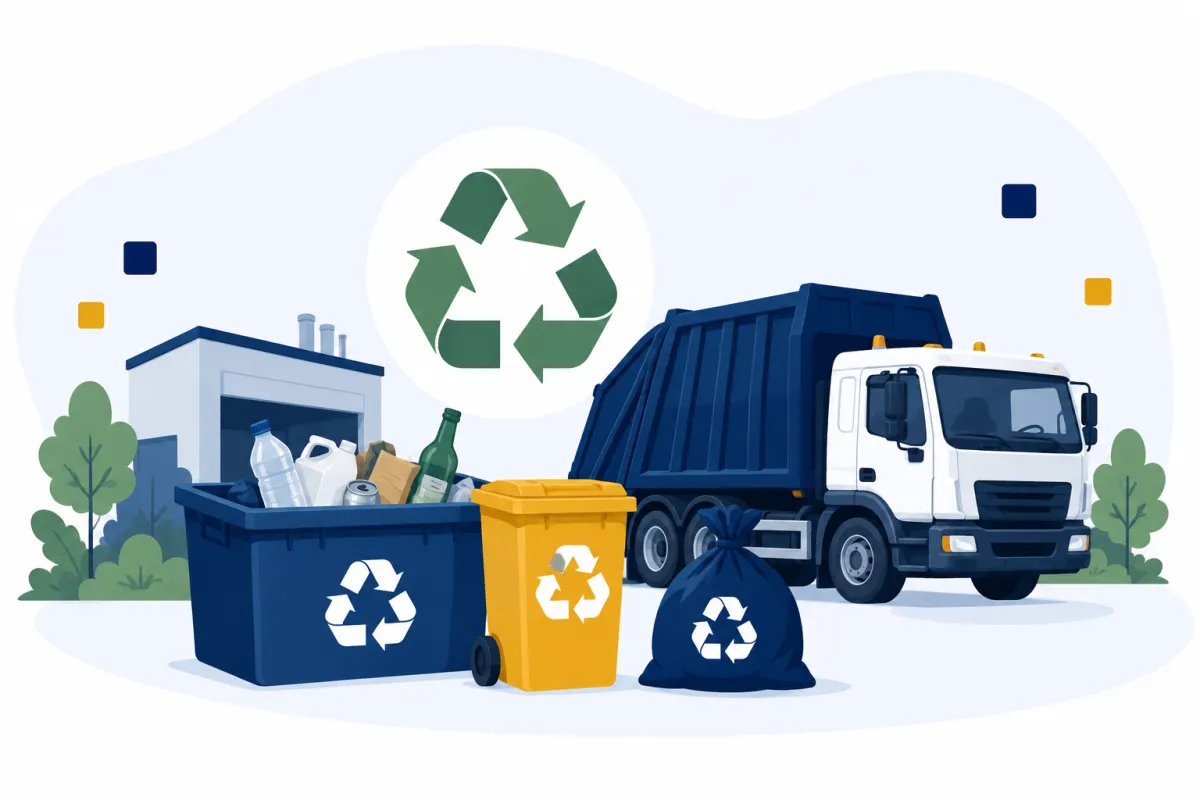
Check out our related blog on this topic
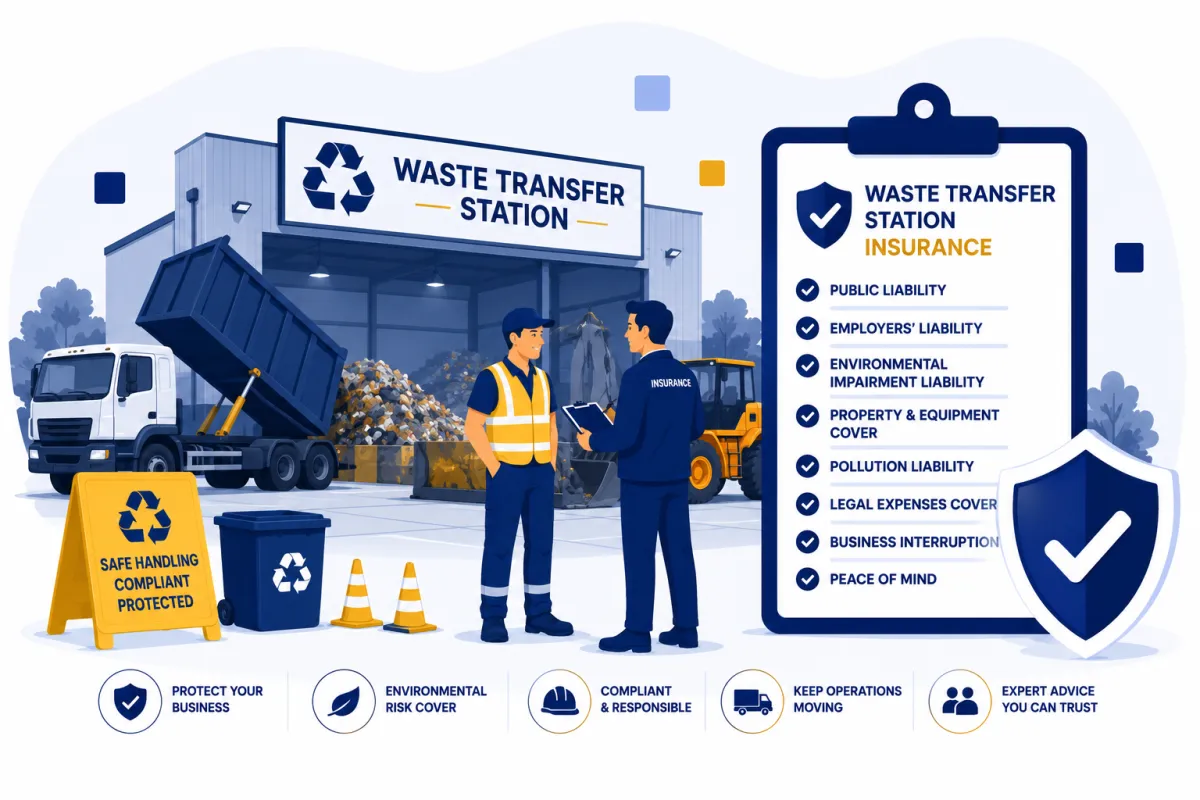
John sorted me out for the insurance I needed for my company and provided an excellent service. I can highly recommend Miller & Partner and will be using them again for all my commercial insurance requirements.

I can recommend Miller and Partner. They were prompt, efficient and responsive to my needs.

Very grateful for John’s assistance in finding a suitable policy for our needs, and being helpful and prompt in his advice. Highly recommended!
We're an Appointed Representative of Gauntlet Risk Management Ltd, which is authorised and regulated by the FCA. You can check our entry on the FCA Register.
MEET THE Director
Hey, I'm John!
I started Miller & Partner with the aim to bring back personable, approachable broking to UK businesses who were tired of large corporate brokers and feeling like they were just another number.
I have built this brokerage up with no pushy sales techniques or big business tactics, just honest, approachable and professional relationships with my clients.
Over 13 years experience in business insurance
Client first approach
5* rated broker on Google




Office: Vivian House, Roman Bridge Close, Mumbles, Swansea, SA3 5BG
Call 01792 001350
Email: [email protected]

Instagram
LinkedIn