

Essential Guide to Business Liability Insurance 2026
We are a liability specialist. Get a quick quote here.
UK businesses face an evolving risk landscape in 2026, with new regulations and unexpected challenges making protection more critical than ever. Business liability insurance is now a cornerstone for safeguarding your company, regardless of size or sector.
This essential guide demystifies business liability insurance for 2026. You will gain up-to-date insights on coverage types, legal duties, costs, and practical steps to keep your business secure.
Discover the basics, explore the main insurance types, understand legal requirements, learn how to choose the right cover, and get answers to common questions. Read on to make informed decisions and secure your business's future.
Understanding Business Liability Insurance
Protecting your business has never been more crucial. Business liability insurance shields companies from the financial fallout of unexpected claims, mistakes, or accidents. It is a safety net for incidents that could otherwise threaten the survival of your business.
What is Business Liability Insurance?
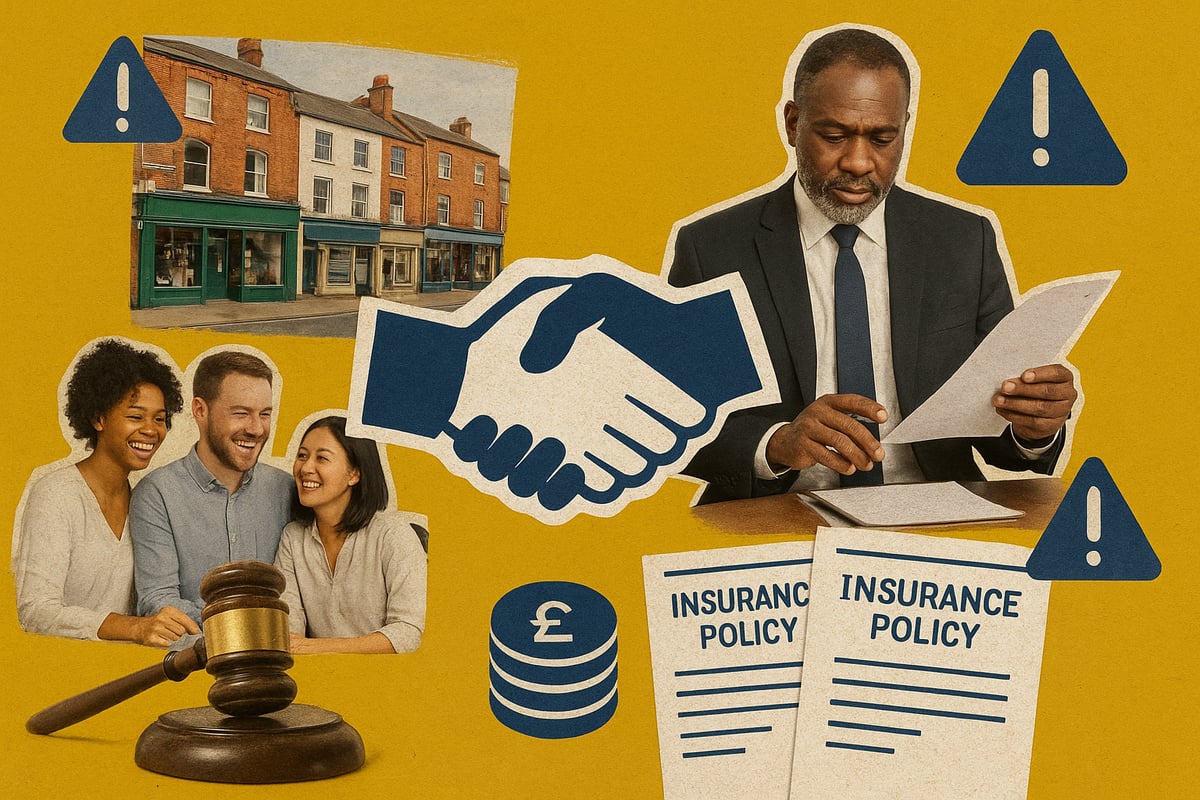
Business liability insurance is a policy that covers your company against claims of injury, property damage, or negligence. Its core purpose is to protect your finances if something goes wrong during your operations.
All businesses, from sole traders to large corporations, need some form of business liability insurance. Key risks covered include:
Accidents on your premises
Errors in your services
Third-party claims for injury or loss
For example, if a customer slips in your shop and is injured, you could face a costly legal claim. In the UK, over 60% of small businesses face at least one liability claim each year, highlighting the importance of robust business liability insurance.
Types of Liability Insurance
There are several types of business liability insurance, each designed for different risks:
Public liability: Protects you if a third party is injured or their property is damaged.
Employers’ liability: Legally required if you employ staff, covering injury or illness claims from employees.
Product liability: Covers harm caused by faulty products you sell or distribute.
Professional indemnity: Essential for advice-based businesses, covering professional mistakes.
Examples include a contractor injuring a passer-by or a faulty product causing harm. Selecting the right mix of business liability insurance is vital to address your specific risks.
Why It Matters in 2026
The UK risk landscape is evolving. Increased litigation, a growing compensation culture, and regulatory changes mean business liability insurance is more essential than ever. New business models and remote work introduce fresh exposures for all industries.
Notably, liability insurance premiums have risen by 15% since 2022, reflecting this heightened risk. Recent years have seen high-profile lawsuits and a sharp rise in claims, especially among SMEs. According to Liability claims increasing for UK SMEs, claim volumes continue to climb, underlining the need for comprehensive business liability insurance.
Common Misconceptions
Many business owners believe:
“I’m too small to need cover.”
“General business insurance covers all risks.”
“It’s too expensive for startups.”
In reality, most claims target SMEs, and tailored business liability insurance can be affordable. General policies rarely cover every risk, and even small businesses can face claims with serious financial consequences. Understanding the scope and benefits of business liability insurance ensures you are not left exposed.
Legal Requirements and Regulatory Changes in 2026
Businesses in the UK face an evolving landscape when it comes to business liability insurance. Meeting legal requirements and adapting to regulatory changes is essential for every owner, no matter the industry or size. Staying informed and compliant protects not just your finances, but your company’s reputation and future.
Mandatory Liability Insurance in the UK
Certain types of business liability insurance are required by law. For example, employers’ liability insurance is a statutory obligation for any business employing staff, with a minimum cover of £5 million.
Failing to secure this insurance can result in fines up to £2,500 per day. While public liability insurance is not a legal requirement, it is often needed to secure contracts or work with local authorities. Some sectors, such as healthcare or construction, may have additional mandates for specific types of liability cover.
Employers’ liability: Required by law if you have employees
Public liability: Often contractually required for client work or public contracts
Sector-specific: Healthcare, construction, and other high-risk industries
Ensuring the right business liability insurance is in place is crucial to avoid costly penalties and legal issues.
Key Regulatory Updates for 2026
The regulatory environment around business liability insurance is changing rapidly in 2026. SMEs must keep pace with recent shifts in law, including updates from the Health & Safety Executive (HSE) and the impact of Brexit on insurance regulations.
One notable development is the Financial Conduct Authority’s 2025 policy statement, which streamlined compliance requirements for insurance firms. You can read more about these changes in the FCA simplifies rules for insurance firms report.
Additionally, the rise of data protection laws and cyber liability trends means businesses must now consider digital risks in their insurance planning. Staying up to date with these changes ensures your business liability insurance remains fit for purpose.
How to Stay Compliant
Maintaining compliance with business liability insurance regulations requires a proactive approach.
Review your policies annually and set renewal reminders to avoid lapses.
Keep all documentation current, including certificates and proof of cover.
Work with brokers regulated by the Financial Conduct Authority to ensure your insurance meets legal standards.
For example, contractors often need to provide up-to-date proof of insurance to win new contracts. Regular communication with your broker helps you adjust cover as your business grows or regulations change, keeping your business liability insurance both compliant and effective.
Consequences of Inadequate or No Cover
The risks of insufficient business liability insurance are significant. The average liability claim in the UK now exceeds £13,500, a sum that can threaten the survival of many small businesses.
Legal action for lack of insurance may lead to forced closure or bankruptcy, while reputational damage can result in lost contracts and client trust. Authorities can levy severe fines, as seen in cases where businesses operated without employers’ liability insurance and faced both penalties and lawsuits.
Protecting your business with the correct business liability insurance is not just a legal box to tick—it is a crucial step for long-term sustainability.
Types of Business Liability Insurance Explained
Understanding the different types of business liability insurance is crucial for every UK business owner in 2026. Each cover addresses specific risks, and together, they form a safety net protecting your company against costly claims and legal challenges.
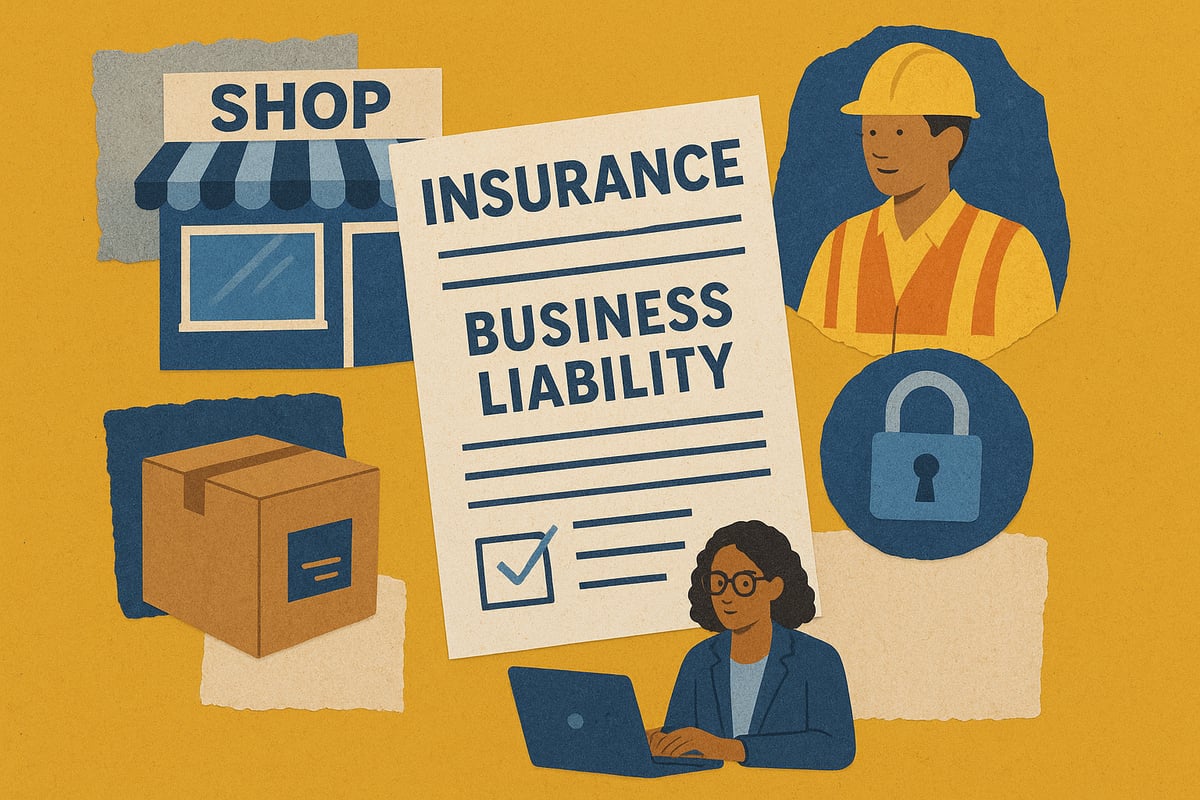
Public Liability Insurance
Public liability insurance is the cornerstone of business liability insurance for most UK companies. It protects you if a third party, such as a customer or passer-by, suffers injury or property damage due to your business activities.
Covers legal costs and compensation if you are found liable
Typical policy limits range from £1 million to £10 million
Excludes injuries to employees (covered separately)
Essential for retailers, tradespeople, event organisers
For instance, if a customer slips on a wet floor in your shop and breaks their arm, public liability insurance covers the resulting claim. According to AXA, 40 percent of claims relate to slips, trips, and falls, making this cover vital for physical premises.
Employers’ Liability Insurance
Employers’ liability insurance is a mandatory part of business liability insurance for any UK business with staff, whether full-time, part-time, or temporary.
Legally required, with a minimum cover of £5 million
Protects against claims from employees who suffer injury or illness at work
Fines of up to £2,500 per day for non-compliance
Applies to office staff, contractors, apprentices, and volunteers
Imagine an employee injured by faulty machinery on your premises. Employers’ liability insurance covers medical costs and compensation. The Health and Safety Executive reported over 1.6 million work-related injuries in 2025, highlighting the importance of this insurance.
Product Liability Insurance
Product liability insurance is a specialist form of business liability insurance for companies that manufacture, distribute, or sell physical products. It protects against claims that a product caused injury or property damage.
Covers legal costs and compensation for defective products
Suits manufacturers, importers, wholesalers, and retailers
Often required by contracts with suppliers or distributors
Suppose a faulty electrical appliance you sell causes a house fire, leading to a compensation claim. Product liability insurance steps in. Industry data shows product-related claims have risen by 10 percent year-on-year, increasing the need for robust cover.
Professional Indemnity Insurance
Professional indemnity insurance is an essential part of business liability insurance for advice-based businesses. It protects against claims of negligence, errors, or omissions in your professional work.
Relevant for consultants, accountants, architects, designers, and tech firms
Covers legal defence costs and compensation for financial loss caused by mistakes
Often contractually required by clients
For example, if an architect’s error in a building design leads to expensive remedial work, professional indemnity insurance covers the claim. One in five UK professional service firms faces a professional indemnity claim at some point. For an in-depth look, see our Professional Indemnity Insurance Guide.
Other Specialist Liability Covers
Modern business liability insurance includes specialist covers tailored to emerging risks and niche industries.
Cyber liability: Protects against data breaches, hacking, and digital threats
Directors’ and Officers’ (D&O): Shields managers from claims over decisions made in their role
Environmental liability: Covers pollution or environmental damage claims
Event liability: Temporary cover for event organisers
Consider a small business facing a data breach that exposes customer information. Cyber liability insurance would help cover legal defence, notification costs, and potential fines. As businesses adapt to new threats, specialist covers are increasingly relevant.
Choosing the Right Mix for Your Business
Selecting the best combination of business liability insurance policies requires a clear understanding of your operations and risk profile.
Assess activities: premises, products, services, staff exposure
Combine policies for comprehensive protection
Tailored packages available from specialist brokers
Regularly review your cover as the business evolves
For example, a retailer might need public, product, and employers’ liability insurance combined in a single package. Brokers can help identify underinsured areas and negotiate improved terms. For an overview of leading providers, refer to Business Liability Insurance Companies UK.
How to Choose the Right Liability Insurance Cover
Choosing the right business liability insurance is a critical decision for every UK business owner. With the risk landscape evolving in 2026, understanding how to assess your needs and select the right cover can make the difference between resilience and vulnerability.
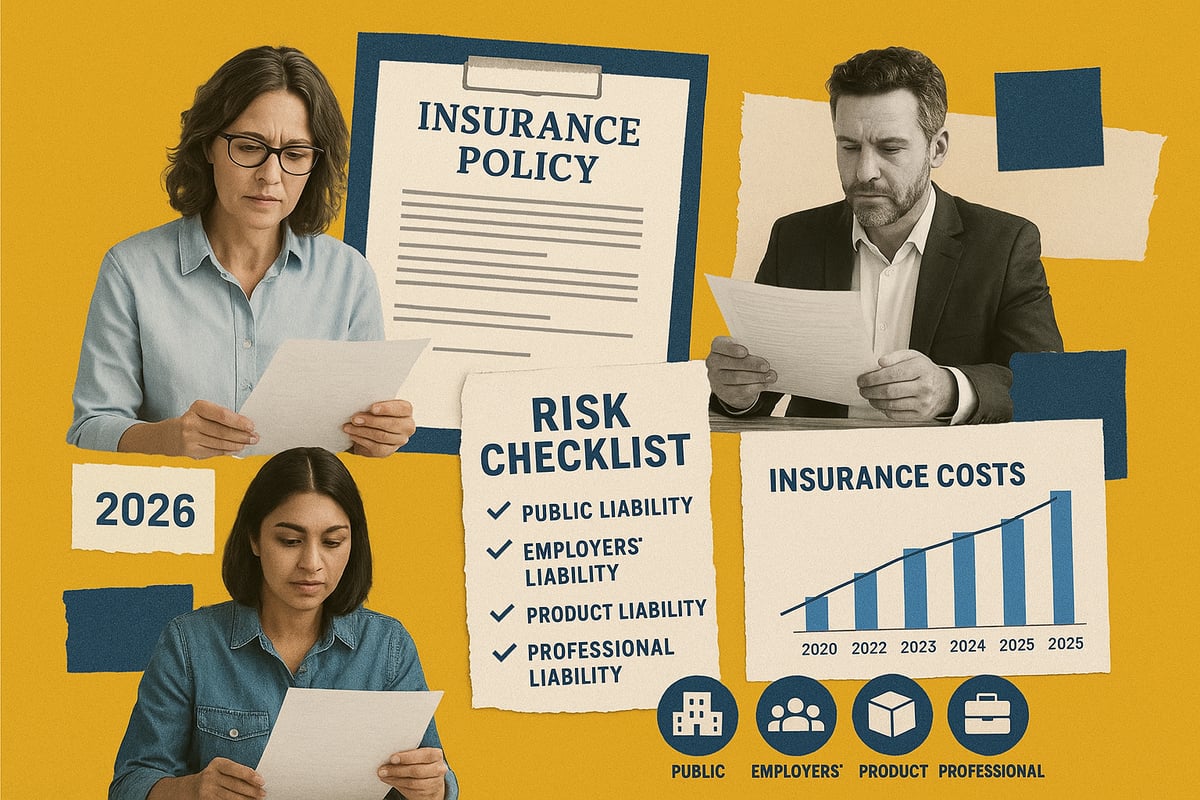
Assessing Your Business Risks
Understanding your business’s unique risks is the foundation of effective business liability insurance. Begin by reviewing your daily operations, premises, products, and services.
Identify areas where incidents might occur, such as customer-facing locations or product distribution.
Consider industry-specific hazards; for example, construction firms face different exposures than consultancies.
Use risk assessment tools to document potential issues, including staff activities and remote work.
By mapping out your risk profile, you can ensure your business liability insurance addresses the threats most likely to impact your operations.
Determining Required Cover Levels
The right level of business liability insurance depends on legal requirements, contracts, and your appetite for risk. Many clients or trading partners may specify minimum cover levels within agreements.
Check if your sector has regulatory minimums, such as £5 million for employers’ liability.
Evaluate whether a higher limit is needed for public liability, particularly for high-footfall businesses.
Balance cost with potential exposure; sometimes, spending more on cover can save much more in the long term.
Always ensure your business liability insurance meets both statutory obligations and the practical realities of your trade.
Comparing Policies and Providers
Not all business liability insurance policies are created equal. Comparing options from reputable UK insurers helps you find the best fit.
Review policy documents for exclusions, claim limits, and excesses.
Compare quotes, but also check the insurer’s financial strength and reputation.
Read customer reviews and industry ratings to gauge service quality.
Taking the time to thoroughly compare business liability insurance providers ensures you get both value and peace of mind.
How a Commercial Insurance Broker Can Help
A commercial insurance broker provides expert guidance throughout your business liability insurance journey. Brokers assess your risks, recommend tailored solutions, and source niche policies unavailable directly.
They compare quotes across the market, saving you time and money.
Brokers ensure compliance with legal and contractual obligations.
Ongoing support includes policy reviews, documentation, and claims assistance.
For many UK businesses, working with a broker means business liability insurance is both comprehensive and competitively priced.
Common Pitfalls to Avoid
Many businesses make mistakes with business liability insurance, risking inadequate protection.
Underinsuring or selecting cover that does not match your activities.
Failing to update policies when your business grows or changes.
Overlooking new risks like cyber threats or changes in remote work.
Ignoring policy small print, which can lead to denied claims.
By staying proactive and informed, you can avoid common pitfalls and ensure your business liability insurance genuinely protects your future.
Cost Factors and Saving Strategies in 2026
The cost of business liability insurance in 2026 reflects a complex mix of business-specific and market-wide influences. Understanding these factors is crucial for every business owner aiming to secure effective protection without overspending. By breaking down the elements that impact premiums, you can make informed decisions tailored to your risk profile.
What Influences Liability Insurance Premiums?
Several core factors will shape your business liability insurance premium in 2026. Insurers consider your business size, annual turnover, and the sector in which you operate. For example, a hospitality business faces different risks compared to a technology firm.
Your claims history is another major variable. Businesses with a record of frequent or high-value claims will likely see increased premiums. Location matters, too: urban settings or areas with higher crime rates can drive costs up. The type and level of cover you choose will also influence the price, as will the security measures in place at your premises.
Business size and turnover
Sector-specific risk
Claims history
Location and security
Type and amount of cover
By understanding how these elements affect your business liability insurance, you can proactively manage risk and control costs.
Average Costs for UK Businesses
In 2026, the average cost of business liability insurance continues to rise, reflecting broader market trends and inflation. For many small businesses, public liability premiums start at around £50 per month, while employers’ liability typically ranges from £250 to £500 per year. Specialist covers, such as professional indemnity or cyber liability, can add to your total expenditure.
Premiums are also affected by the overall growth of the UK insurance sector, with forecasts suggesting continued expansion and rising claims. For a deeper look at industry trends and projected costs, see the UK general insurance industry forecast.
Understanding where your business liability insurance costs sit within the market helps you benchmark and negotiate more effectively.
How to Reduce Your Premiums
There are practical steps you can take to reduce your business liability insurance premiums without compromising on protection. Implementing robust risk management processes, such as regular staff training and safety checks, can lower your perceived risk. Bundling multiple policies with one insurer often unlocks discounts.
Increasing your policy excess may reduce your monthly or annual costs, though it’s important to ensure you can afford this in the event of a claim. Maintaining a clean claims history also earns you valuable no-claims bonuses. Finally, review your cover annually to ensure it accurately reflects your business as it evolves.
Invest in risk management and training
Bundle policies for discounts
Raise your excess (with caution)
Maintain a no-claims record
Review and update cover each year
Adopting these strategies can make your business liability insurance more affordable and sustainable.
Getting Value for Money
The cheapest business liability insurance is rarely the best. Striking the right balance between cost and adequate cover is essential for long-term peace of mind. Schedule annual policy reviews and take advantage of opportunities to renegotiate terms, especially if your business circumstances have changed.
Working with an experienced broker can help you access bespoke deals and identify gaps in your cover. Avoid false economies by underinsuring, as this can lead to significant out-of-pocket costs if a claim arises. Make a habit of reading the policy small print to understand exactly what is and isn’t covered.
Balance price with comprehensive protection
Renegotiate terms annually
Use a broker for tailored advice
Avoid underinsurance and false savings
Read and understand your policy
With careful planning, you can ensure your business liability insurance delivers both value and security.
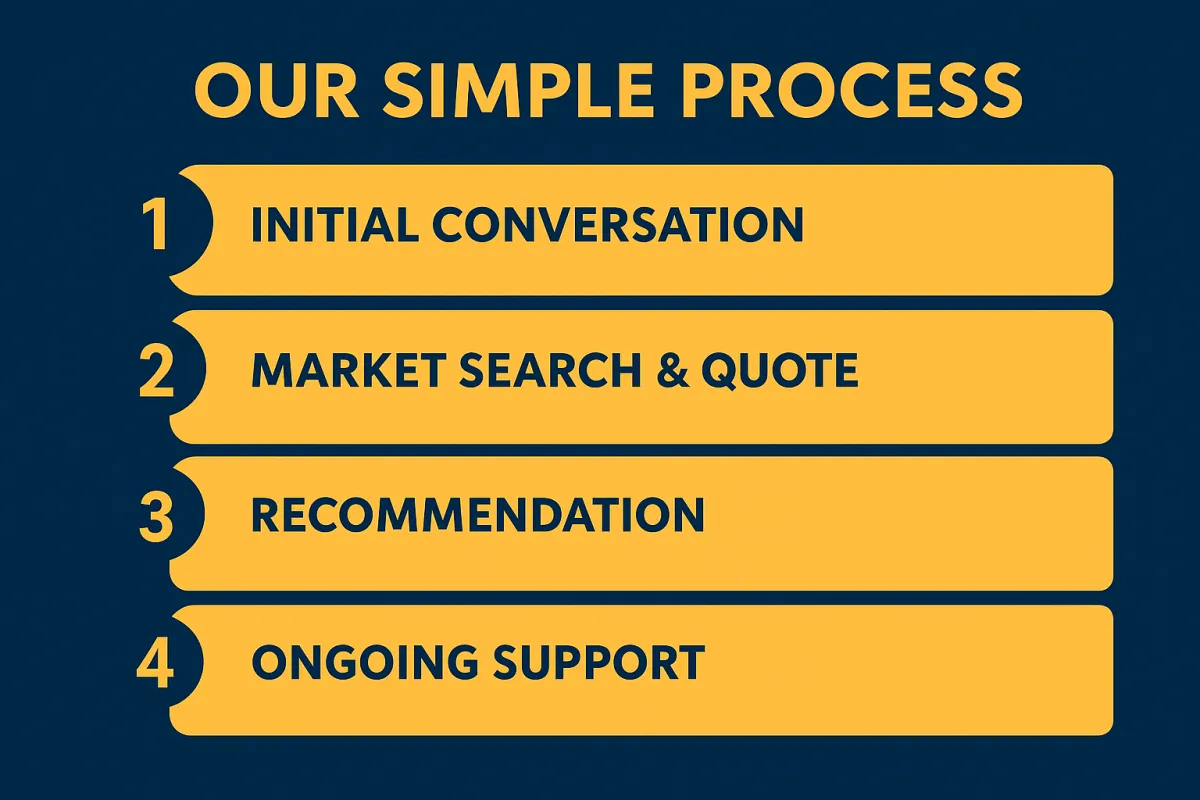
Step-by-Step Guide: Arranging and Managing Your Liability Insurance
Arranging business liability insurance can seem complex, but a structured approach makes the process clear and manageable. By following these steps, you can ensure your cover meets both legal obligations and operational needs.
Step 1: Identify Your Business Needs
Start by evaluating your company’s activities, risks, and legal duties. Carefully review all operations, contracts, and services.
Assess who you employ, what you sell, and where you operate.
Consult staff and stakeholders to spot overlooked exposures.
Document every business activity and associated risk.
For instance, launching a new product or hiring your first employee may trigger the need for additional business liability insurance. Early identification helps you avoid gaps in cover, keeping your protection relevant as your business evolves.
Step 2: Gather Quotes and Compare Options
Once you know your needs, seek quotes from several providers. Use both online comparison tools and specialist brokers for a broad view.
Prepare accurate, up-to-date business information for quotes.
Compare policy features, not just price, to avoid surprises.
Review exclusions, excesses, and claim limits carefully.
For detailed guidance on comparing policies and understanding the quoting process, see Commercial General Liability Quote Insights. Taking time at this stage ensures your business liability insurance aligns with both risk and budget.
Step 3: Purchase and Set Up Your Policy
After selecting the right policy, review all documents thoroughly before committing.
Set up payment schedules and renewal reminders.
Store certificates and proof of business liability insurance securely.
Inform relevant staff and partners about your cover.
Presenting valid insurance documents can help win contracts and build client trust. Double-check all business details in your policy to avoid issues if you need to make a claim.
Step 4: Ongoing Management and Claims Process
Managing business liability insurance is not a one-off task. Keep your insurer updated as your business changes.
Review cover annually or after major changes such as new staff or services.
Understand your insurer’s claims process and log incidents promptly.
Retain clear records of claims, renewals, and communications.
Regular management ensures your business liability insurance continues to protect you as your organisation grows. Quick, accurate claims handling can also reduce downtime and disruption.
Frequently Asked Questions (FAQs)
Have questions about business liability insurance in 2026? Find clear answers below.
What’s the difference between public, product, and employers’ liability insurance?
Public liability covers claims from third parties for injury or property damage. Product liability protects against harm caused by products you supply. Employers’ liability is legally required if you employ staff and covers employee injury or illness.Is business liability insurance tax-deductible for UK businesses?
Yes, business liability insurance is usually considered an allowable business expense, so premiums can often be deducted from your taxable profits.How quickly can I arrange cover?
Many insurers offer instant business liability insurance online, while more complex needs may take a few days with a broker.What happens if my business changes or grows?
Always inform your insurer of changes such as new services, locations, or increased staff. This ensures your business liability insurance remains valid and provides the right level of cover.Can I get business liability insurance as a sole trader or freelancer?
Yes, sole traders and freelancers can arrange tailored cover. It’s especially important if clients or venues require proof of insurance before work begins.What evidence do I need to make a claim?
Typically, you’ll need incident reports, photos, witness statements, and relevant correspondence. Keeping detailed records speeds up the process.How do I prove my business is insured to clients or partners?
Insurers will provide a certificate of insurance. For event organisers, see Public Liability Insurance for Events for more on demonstrating cover.Where can I find more help and advice on business liability insurance?
For statistics and practical guidance on underinsurance risks, visit the Hiscox Global Protection Gap Report 2025, or consult with a regulated broker for personalised support.
As you’ve seen throughout this guide, understanding business liability insurance is essential to safeguarding your company against the unexpected risks and regulatory changes we’re all facing in 2026. Taking the right steps now gives you clarity and confidence—whether you’re a sole trader or managing a growing team, you deserve tailored protection that keeps your business secure and compliant. If you’re ready to ensure you have the right cover in place and want expert guidance from a broker who understands your needs, let’s make it easy.
Get A Quote Now!







Instagram
LinkedIn