
FS Register FRN 1029698
52 Five Star Google Reviews
13+ years specialist broking experience
Architects Professional Indemnity Insurance
Professional indemnity insurance for UK architects, architectural practices and architectural technologists: cover that meets ARB requirements and the limits your clients' contracts ask for, including run-off cover and practices with fire safety work, previous claims or cover declined elsewhere.
Do architects need professional indemnity insurance?
Yes. The Architects Registration Board expects every architect to hold adequate and appropriate professional indemnity insurance under Standard 4 of the Architects Code. ARB's guidance sets a minimum of £250,000 on an each and every claim basis, and expects principals and directors to keep at least six years of run-off cover after they stop practising (five in Scotland).
That is the regulatory floor. In practice, the limit you need is set by your clients: developers, public sector frameworks and design and build contractors commonly ask for £1 million to £10 million.
ARB's PI requirements at a glance
| Requirement | ARB position | What it means in practice |
|---|---|---|
| Minimum limit | £250,000 | A floor, not a target. Your contracts usually set the real figure |
| Basis of cover | Each and every claim | The full limit is available for every separate claim |
| Fire safety and cladding | Aggregate basis accepted where full cover is unavailable | One limit for all such claims in the year; consequential loss may be excluded |
| Asbestos and pollution | Aggregate basis accepted | Check the aggregate limit against the projects you take on |
| Run-off | At least 6 years (5 in Scotland) after ceasing practice | Held at the same level as your final year |
| Employed architects | Should ensure their employer's cover is in place | Moonlighting or private side work needs its own policy |
Source: ARB professional indemnity insurance guidance, updated June 2025 for the current Architects Code.
How much PI cover does an architect need?
Start with your appointments, not the ARB minimum. The limit, how it applies and how long you must keep it are usually written into your terms of engagement, framework agreements and collateral warranties. Before you renew, check:
- The highest limit any current or planned contract requires, and whether it must be each and every claim.
- How long you must keep the cover after completion. Twelve years is common on contracts executed as deeds.
- Collateral warranties to funders, purchasers and tenants, which extend who can bring a claim against you.
- Net contribution clauses, which limit your share of a loss to what is fair against other consultants. Insurers look favourably on them.
- Fitness for purpose wording, which goes beyond the reasonable skill and care that PI is designed to cover.
What architects PI covers
A PI policy covers claims that you breached your professional duty and caused a client or third party a financial loss, together with the cost of defending them. For architects that typically means:
- Design errors, such as a detail that lets water in or a layout that fails building regulations.
- Negligent advice, for example on planning, contract administration or certifying payments.
- Mistakes by staff and subconsultants working under your appointment, where the policy extends to them.
- Legal defence costs, including adjudication, which is common in construction disputes.
- Loss of documents, unintentional copyright infringement and defamation, on most policies.
It does not cover injury to visitors at your office or on site, which is public liability, or claims from your own staff, which need employers' liability.
Fire safety, cladding and the Building Safety Act
Fire safety is now the hardest part of architects PI to place. Many insurers exclude or limit claims connected with external walls, cladding and fire safety design, which is why ARB accepts aggregate cover for these claims where full cover is not available. ARB is clear that architects should not take on work that is completely excluded from their insurance.
The Building Safety Act 2022 has added to the exposure. It extended the time limit for claims under the Defective Premises Act to 15 years for new work, and up to 30 years for work completed before 28 June 2022. It also created formal designer duty-holder roles, including the Principal Designer under the Building Regulations. If you take on these roles, or any work on higher-risk buildings, tell your insurer and check the policy covers it.
Architectural technologists, designers and related professions
Only people registered with ARB can call themselves architects, but plenty of other professionals carry the same design liability: architectural technologists, architectural designers, interior architects, retrofit designers and planning consultants. Chartered architectural technologists are expected by CIAT to hold PI, and in practice most clients and lenders insist on it for anyone producing drawings. We arrange the same cover for all of these.
Professional indemnity insurance
Our main PI page for consultants, designers and advisers in every sector.
PI run-off cover
Cover after you retire, sell the practice or close, including ARB's six-year expectation.
PI after a claim
Renewing or moving insurer after a claim or notified circumstance.
Engineers insurance
Structural, building services and consulting engineers working alongside architects.
Fire risk assessors
PI for fire safety advice, where many insurers restrict cover.
Cladding remediation
Design and remediation work on external walls and higher-risk buildings.
Retrofit designers and coordinators
PAS 2035 retrofit design and coordination roles that need PI.
Civil and structural design
Infrastructure and structural design with contract-set PI limits.
Practices declined by standard insurers
Architects are often turned down or offered restrictive terms for reasons a specialist underwriter will work with:
- A previous claim or a notified circumstance on an old project.
- Fire safety, cladding or higher-risk building work in the practice's history.
- A large share of residential or design and build work, where claims are more frequent.
- Work or clients in the USA and Canada.
- A director's previous insolvency, or a practice that closed with claims outstanding.
We present these to Lloyd's syndicates and specialist PI insurers who underwrite each practice individually. See also being refused an insurance quote.
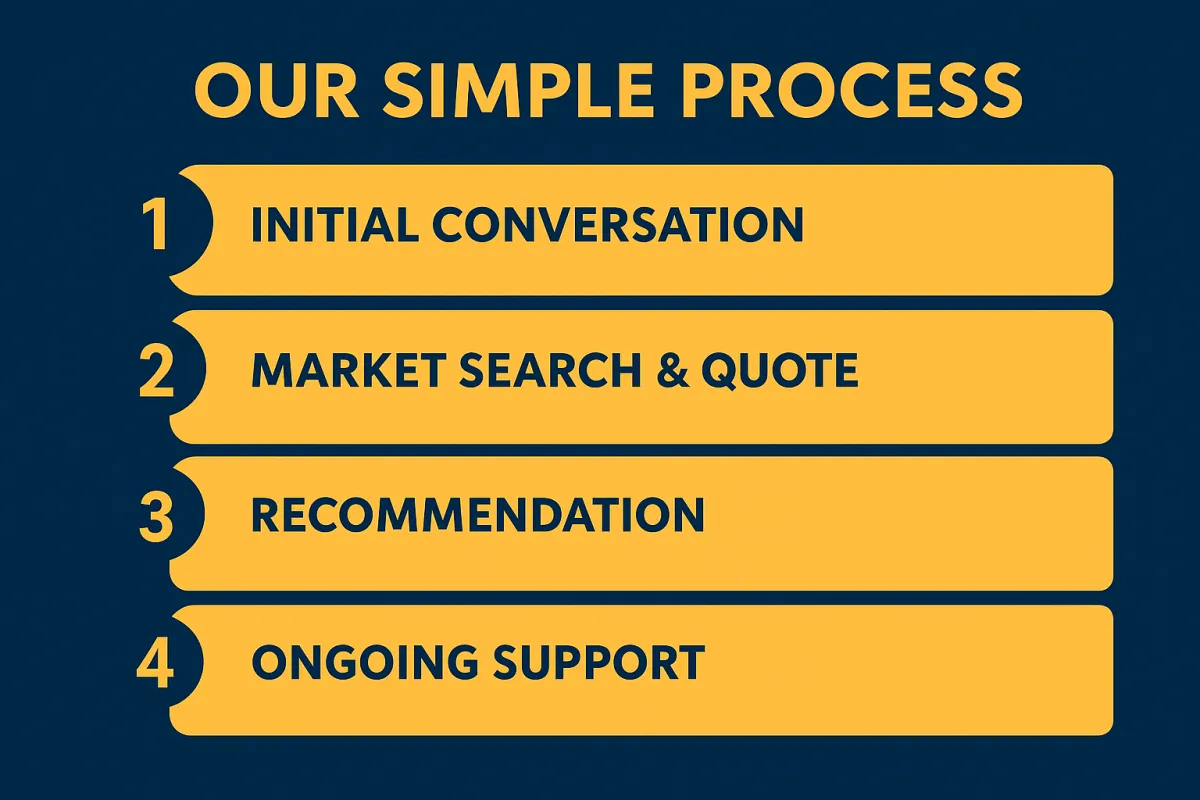
How we arrange architects PI
Understand the practice
Fee income by work type, project values, sectors and any higher-risk building work.
Read the appointments
Required limits, run-off periods, collateral warranties and fitness for purpose wording.
Present the risk
A clear proposal covering quality management, contract review and claims history.
Place and review
Cover placed with PI specialists and reviewed before each renewal and major appointment.
Frequently asked questions
Yes. The Architects Registration Board expects every architect to hold adequate and appropriate professional indemnity insurance under Standard 4 of the Architects Code. ARB's guidance sets a minimum of £250,000 on an each and every claim basis. Architects employed by a practice should make sure their employer's policy covers them. Many clients and contracts require a much higher limit.
ARB's guidance sets a minimum limit of indemnity of £250,000 on an each and every claim basis. That is a regulatory floor, not a recommendation. Public sector frameworks, developers and design and build contractors commonly ask for £1 million to £10 million, depending on the size and type of project.
ARB expects principals and directors to keep at least six years of run-off cover after they stop practising, or five years in Scotland, at the same level as their final year. Claims for defective design can arrive many years after a project finishes, and the Building Safety Act 2022 extended some limitation periods further, so many architects keep run-off for longer.
Often only in part. Since the Grenfell Tower fire, many insurers have excluded or limited fire safety and external wall claims. ARB accepts that this cover can be held on an aggregate basis, with consequential losses excluded, where full cover is not available. ARB's position is that architects should not carry out work that is completely excluded from their insurance.
With each and every claim cover, the full limit is available for every separate claim in the policy year. With aggregate cover, the limit is the total for all claims in the year, so one large claim can use up the cover for everything else. ARB requires each and every claim cover in general, with aggregate cover accepted only for fire safety, cladding, asbestos and pollution claims.
They are not regulated by ARB unless they are registered architects, but in practice most need it. Chartered architectural technologists are expected to hold PI by CIAT, and most clients, lenders and building control routes expect a designer to be insured. The cover works the same way as an architect's policy.

Related guides from Miller & Partner
John was very helpful in an area where other brokers could not find policies that met the needs of my business. Quick responses and always friendly!

I’ve been dealing with John for our specialist crime scene and biohazard cleaning insurance, and the service has been excellent. He took the time to understand the nature of our work and ensured we had the right level of cover in place. Responsive, knowledgeable, and easy to deal with throughout. Would recommend 100%
John M provided excellent support in arranging a policy suited to our needs. Despite our niche requirements, he communicated everything clearly and made the process simple. Highly recommended!
MEET THE Director
Hey, I'm John!
I started Miller & Partner with the aim to bring back personable, approachable broking to UK businesses who were tired of large corporate brokers and feeling like they were just another number.
I have built this brokerage up with no pushy sales techniques or big business tactics, just honest, approachable and professional relationships with my clients.
Over 13 years experience in business insurance
Client first approach
5* rated broker on Google



Office: Vivian House, Roman Bridge Close, Mumbles, Swansea, SA3 5BG
Call 01792 001350
Email: [email protected]

Instagram
LinkedIn