
FS Register FRN 1029698
48 Five Star Google Reviews
13+ years specialist broking experience
Terrorism Insurance UK — Martyn's Law Makes You Plan. It Doesn't Make Anyone Insure You.
The Terrorism (Protection of Premises) Act 2025 requires qualifying venues and events to prepare for an attack. It says nothing about insuring one — and your commercial property policy excludes terrorism by name. We place terrorism cover, including non-damage business interruption, through Pool Re member insurers and standalone Lloyd's markets. Miller & Partner Limited is an Appointed Representative of Gauntlet Risk Management Ltd, which is authorised and regulated by the Financial Conduct Authority; FS Register FRN 1029698.
Compliance and cover are two different things, and Martyn's Law only deals with the first. The Act — which received Royal Assent on 3 April 2025 and is expected to come into force in spring 2027 — requires premises hosting 200–799 people to have documented evacuation, invacuation, lockdown and communication procedures, and premises or events hosting 800 or more to go further with public protection measures and a designated senior individual. It creates no insurance obligation whatsoever. Meanwhile standard UK commercial property and business interruption policies carry a terrorism exclusion as a matter of course, so a business can be fully compliant and completely uninsured at the same time. The most commonly overlooked exposure is non-damage business interruption: a police cordon closes you for a week with no damage to your premises at all, and ordinary BI needs damage to trigger.
Why a compliant business can still be completely uninsured
Martyn's Law is a preparedness statute. It tells you to plan, train, document and — for enhanced tier — take protective measures. It does not require you to hold terrorism insurance, and it does not alter the fact that your existing property policy almost certainly excludes it.
What preparing for an attack does not pay for
Every conversation about Martyn's Law is about procedures, training and documentation. None of it addresses what happens to the business financially, and the three exposures below sit entirely outside both the Act and the standard commercial policy.
Your property policy excludes terrorism by name
Since the 1990s the UK commercial market has treated terrorism as a separate, opt-in peril. Standard property and business interruption wordings carry a terrorism exclusion as default, so damage caused by an act of terrorism is simply not covered unless you have bought the write-back.
The consequence is that Martyn's Law compliance and terrorism insurance are entirely unconnected. You can have perfect documented procedures, a trained team, an SIA-satisfying file — and no cover at all for the building, the stock or the trading loss. One is a regulatory obligation; the other is a commercial decision nobody is prompting you to make.
Non-damage business interruption — the loss that actually happens
The overwhelming majority of UK businesses affected by a terrorist incident suffer no physical damage whatsoever. What they suffer is a police cordon, a closed street, an evacuated quarter and days or weeks of lost trade — and standard business interruption requires physical damage to trigger.
Non-damage denial of access is a distinct extension, and it is the single most commonly uninsured terrorism loss in this country. For a venue, a hotel, a restaurant or a retailer inside a cordon, it is also the only terrorism loss most will ever experience. If you buy one thing off this page, consider making it this.
The liability tail Martyn's Law creates
From commencement, failing to have the required procedures is a regulatory breach — the SIA holds inspection powers, can apply civil sanctions and, in the most serious cases, pursue criminal offences. Fines and penalties are uninsurable.
The subtler exposure is civil. Once a statutory standard exists, an absence of documented procedures becomes evidence a claimant can point to. A venue that never completed its Martyn's Law preparation is a materially easier target for a personal injury claim after any incident — so the Act quietly raises Public Liability exposure even though it says nothing about liability at all. Prosecution defence costs need legal expenses cover, which is a separate purchase again.
The implementation clock, and what has already switched on
The Act is no longer theoretical. The enforcement machinery has begun moving, and in-scope premises have a finite window to prepare.
Royal Assent and commencement
The Terrorism (Protection of Premises) Act 2025 received Royal Assent on 3 April 2025, with an implementation period of at least 24 months. Government guidance currently states the Act is expected to come into force in spring 2027.
Commencement No. 2 Regulations 2026
Published 10 June 2026 and effective 15 June 2026, switching on core provisions — including section 12, placing a statutory duty on the SIA to produce guidance on how it will exercise its regulatory functions, and the sections defining "qualifying worldwide revenue".
Standard tier — 200 to 799
Documented public protection procedures: evacuation, invacuation, lockdown and communication. Staff training and awareness. Deliberately achievable without buying specialist services — the government has been explicit about that.
Enhanced tier — 800 and above
Everything in the standard tier, plus public protection measures where appropriate — monitoring, physical safety measures, security of information — a documented assessment provided to the SIA, and a designated senior individual where the responsible person is a company.
The SIA as regulator
The Security Industry Authority is the regulator, with inspection powers, civil sanctions and criminal offences for the most serious non-compliance. Its section 12 guidance consultation closed on 12 June 2026.
Who the responsible person is
Usually whoever has control of the premises — which for a leased venue is a question worth settling in writing between landlord and tenant now, because both may assume the other holds it.
What terrorism insurance actually covers
Two routes exist in the UK market: cover written alongside your property policy through a Pool Re member insurer, or standalone terrorism placed in the Lloyd's and company markets. Which suits you depends on your size, your limits and what you need beyond material damage.
Material damage
Damage to buildings, contents and stock caused by an act of terrorism — the peril your standard property policy excludes. Written back either through Pool Re or standalone, at the same sums insured as your property cover.
Business interruption (damage)
Loss of gross profit following terrorism damage to your own premises, with an indemnity period matched to realistic reinstatement — which after an incident can be considerably longer than after a fire.
Non-damage denial of access
The critical extension. Loss of trade where a cordon, evacuation or police action prevents access to your premises without any damage to them. The most likely terrorism loss for most UK businesses by a wide margin.
Loss of attraction
Trading loss where an incident nearby deters footfall even after access is restored. Relevant to city-centre retail, hospitality and visitor attractions, and generally a standalone-market extension.
Threat & hoax cover
A credible threat or a hoax can close a venue as effectively as an actual device. Check whether the wording responds to threat and evacuation, or only to an act that has occurred.
Public Liability
Injury claims following an incident, where the adequacy of your Martyn's Law procedures becomes evidence. Limits worth reviewing alongside compliance. See high risk public liability.
Event cancellation & abandonment
For qualifying events, cover for cancellation, abandonment or curtailment following an incident or a threat — including costs already committed. See our event organiser guidance.
Legal expenses & prosecution defence
Funds defence of SIA enforcement proceedings. Liability policies do not pay criminal defence costs, and the penalties themselves are uninsurable — this is the only insurable part of that exposure.
Crisis management
Specialist response and communications support from the first hours, plus counselling for staff and, where relevant, customers. Frequently the most valued part of the policy after an incident.
The question worth asking today: does your property policy schedule mention terrorism, and if so, is it in the cover or in the exclusions? Most venue operators have never checked, because nobody has ever prompted them to. Martyn's Law has now put terrorism preparedness on every venue's agenda for the first time — which makes this exactly the right moment to establish whether the financial side is covered at all. Send us the schedule and we will tell you plainly, at no cost.
Which tier and which cover applies to you?
Six positions we place regularly. Select the closest match for what Martyn's Law will require and what the insurance side needs to look like alongside it.
Standard tier — 200 to 799 capacity
Community centres, small theatres, independent cinemas, pubs, medium retail. Procedural obligations only, deliberately achievable without buying specialist services.
- LEGALDocumented evacuation, invacuation, lockdown and communication procedures
- LEGALStaff trained on the procedures, with a record that they were
- CRITICALCheck your property schedule — terrorism is almost certainly excluded
- ESSENTIALNon-damage denial of access is the loss you are most likely to suffer
- RECOMMENDEDRead our Martyn's Law guide before commencement
Enhanced tier — 800 capacity and above
Stadiums, large venues, major retail, universities. Procedures plus public protection measures, a documented assessment to the SIA, and a named senior individual.
- LEGALDesignate a senior individual where the responsible person is a company
- LEGALDocument measures and provide the information to the SIA
- CRITICALTerrorism written back — Pool Re or standalone, at full property sums insured
- ESSENTIALLegal expenses with prosecution defence for SIA enforcement
- ESSENTIALPublic Liability limits reviewed — procedures become claimant evidence
Qualifying event
Publicly accessible, 800 or more, with access control such as ticketing or payment. Always enhanced tier. The organiser carries obligations the venue may assume are theirs.
- CRITICALSettle in writing who the responsible person is — organiser or venue
- ESSENTIALCancellation, abandonment and curtailment following incident or threat
- ESSENTIALCommitted costs insured, not just anticipated revenue
- RECOMMENDEDSecurity contractor's own cover verified — see event security insurance
- CONSIDERSIA-licensed door supervision documented as part of the file
City-centre business near a likely target
You may be entirely out of scope for Martyn's Law and still suffer the loss. Cordons do not respect capacity thresholds.
- CRITICALNon-damage denial of access — this is your whole exposure
- ESSENTIALLoss of attraction where footfall drops after access is restored
- RECOMMENDEDIndemnity period reflecting how long a cordon realistically lasts
- RECOMMENDEDPerishable stock provisions if you are food-led
- CONSIDERProximity to a stadium, transport hub or landmark drives the rating
Landlord of in-scope premises
You own the building; your tenant runs the venue. Who is the responsible person, and who insures the terrorism peril, are two separate questions that both need answering.
- CRITICALEstablish in writing who controls the premises for Act purposes
- CRITICALBuildings terrorism cover — your policy excludes it too
- ESSENTIALLoss of rent following a terrorism event, including non-damage closure
- RECOMMENDEDLease insurance clause reviewed against the terrorism exclusion
- CONSIDERTenant compliance as a condition of the lease from commencement
Below 200 capacity — out of scope
Martyn's Law does not apply to you. The insurance position is completely unchanged by that, because the terrorism exclusion in your property policy never depended on capacity.
- ESSENTIALTerrorism is still excluded from your property policy regardless of tier
- CRITICALNon-damage denial of access applies to you exactly as it does to a stadium
- RECOMMENDEDCapacity can change — a licence variation may bring you into scope
- RECOMMENDEDVoluntary procedures are cheap and improve your liability position
- CONSIDERLocation matters far more than capacity for actual loss exposure
Why Miller & Partner for terrorism cover?
Both routes
Pool Re via member insurers, and standalone terrorism in Lloyd's. The right route depends on what you need beyond material damage.
Non-damage first
We lead with denial of access, because that is the loss most UK businesses actually suffer. Most brokers lead with the building.
Compliance separated from cover
We will tell you plainly which parts of your Martyn's Law obligation insurance can help with and which it cannot. Fines are uninsurable.
Venue & event specialism
Pubs, nightclubs, festivals, sports and community venues are long-standing ground for us, including late-hours and previously declined sites.
How much does terrorism insurance cost?
Less than most operators assume. Terrorism cover is usually priced as a rate on your property sums insured, and for a business away from a major city centre it frequently adds 5–15% to the property premium. A small standard tier venue typically pays £300–£1,200 a year; a mid-sized venue or hotel £1,200–£6,000; and an enhanced tier venue or city-centre landmark £6,000–£40,000+. Location drives it far more than capacity — proximity to a stadium, transport hub or recognised landmark matters more than how many people you hold.
Small standard tier venue
Community hall, small theatre, pub. Material damage plus non-damage denial of access.
Mid-sized venue or hotel
Higher sums insured, longer indemnity period, loss of attraction where the location warrants it.
Enhanced tier or city-centre landmark
Standalone placement, threat and hoax, crisis management, event cancellation where relevant.
Typical uplift on property premium
For businesses away from major city centres. The cheapest catastrophe cover most venues will ever be offered.
Martyn's Law tier & terrorism cover checker
Indicative tier, obligations and cover priority for your premises
Venues that get declined — The Insurability Framework™
Late-hours venues, nightclubs, festival sites and premises with an incident on record are refused by mainstream schemes routinely, and terrorism is written by a narrow set of markets on top of that. Both are appetite problems rather than insurability ones. More on our approach to difficult risk.
Underwriter Intelligence
We know which markets write non-damage denial of access meaningfully rather than nominally, and what location, capacity and procedure evidence each one wants to see.
Difficult Risk Expertise
City-centre landmarks, late-hours venues, festivals and premises with an assault or incident history are placed through specialist insurers and Lloyd's rather than schemes.
Risk Assessment
We find the gaps before an event does — a terrorism exclusion nobody read, a lease that leaves the responsible person undefined, or an indemnity period too short for a cordon.
Claims Advocacy
Terrorism claims turn on definitions and causation, and non-damage claims turn on the wording of the access clause. You deal with John Miller directly.
Frequently asked questions
No. The Terrorism (Protection of Premises) Act 2025 is a preparedness statute, not an insurance one. It requires qualifying premises and events to have documented public protection procedures — evacuation, invacuation, lockdown and communication — with enhanced tier premises going further on protective measures and providing information to the SIA. It creates no obligation to hold any insurance whatsoever, and it does not alter your existing policies in any way. That matters because the two are easily conflated: a business can complete every step of its Martyn's Law obligation, satisfy the regulator entirely, and still have no cover at all if an attack causes damage or closes it down. Compliance and cover are separate decisions, and only one of them is being prompted by legislation.
Almost certainly not. Since the 1990s the UK commercial market has treated terrorism as a separate, opt-in peril, and standard property and business interruption wordings carry a terrorism exclusion as default. So damage caused by an act of terrorism, and the trading loss following it, fall outside the policy unless the cover has been specifically written back. This surprises people because the exclusion sits quietly in the wording and is rarely raised at renewal. Take two minutes and look at your schedule for the word "terrorism" — then establish whether it appears in the cover section or the exclusions. If you would rather not, send it to us and we will check it for you and tell you plainly, at no cost and with no obligation.
It covers loss of trade where a cordon, evacuation or police action stops customers reaching you, without any physical damage to your premises at all. It matters most because it describes what actually happens to the overwhelming majority of businesses affected by a terrorist incident in this country. Very few suffer damage; a great many find themselves inside a police cordon for days while an investigation runs, with staff to pay, stock spoiling and no revenue. Standard business interruption cannot help, because it requires physical damage to trigger — and that is the single most commonly uninsured terrorism loss in the UK. If your budget only stretches to one element on this page, this is the one to prioritise, and it applies whether or not Martyn's Law covers you.
It turns on the maximum number of people who could be present at the same time, and on whether the premises are used for a qualifying activity listed in the Act. Premises expecting 200 to 799 people fall into the standard tier, with procedural obligations only. Premises expecting 800 or more fall into the enhanced tier, which adds public protection measures where appropriate, a documented assessment provided to the SIA, and a designated senior individual where the responsible person is a company. Qualifying events are always enhanced tier where they host 800 or more, are open to the public and control access through ticketing or payment. Below 200 you are out of scope entirely — though as noted elsewhere on this page, that changes nothing about your insurance position.
Current government guidance states the Act is expected to come into force in spring 2027, following an implementation period of at least 24 months from Royal Assent on 3 April 2025, with the exact date to be confirmed. The machinery is already moving though: the Commencement No. 2 Regulations 2026, published on 10 June 2026 and effective 15 June 2026, switched on core provisions including the statutory duty on the SIA to produce guidance on how it will exercise its regulatory functions, and the sections defining "qualifying worldwide revenue" for enhanced tier purposes. The Home Office statutory guidance is published. Practically, the preparation window is finite and shrinking, and the insurance review is worth doing in the same exercise rather than as a separate job later.
Pool Re is the government-backed reinsurance scheme established after the 1990s City bombings, which allows UK insurers to offer terrorism cover they would otherwise struggle to underwrite. In practice it works through member insurers: you buy commercial property cover, and the terrorism peril is written back alongside it, with your insurer reinsuring into the scheme. It is not the only route. Standalone terrorism markets in Lloyd's and the company market write cover independently, and they are frequently the better answer where you need extensions that go beyond material damage — non-damage denial of access, loss of attraction, threat and hoax. The right route depends on your size, your limits and what you actually need. We place both and will explain the trade-off rather than defaulting to one.
No. Fines, civil monetary penalties and criminal sanctions are uninsurable in the UK as a matter of public policy, and no policy will pay them. What insurance can do is fund the defence: legal expenses cover with a prosecution defence section responds to the cost of defending SIA enforcement proceedings, and that is a separate purchase from your liability policy, which does not cover criminal defence costs either. The practical response to the penalty exposure is compliance rather than insurance — documented procedures, trained staff, records that the training happened, and for enhanced tier the assessment provided to the regulator. That work is inexpensive, and the government has been explicit that in-scope premises should be able to comply without buying specialist services.
Indirectly, yes, and this is the part least discussed. The Act creates a statutory standard of preparedness where none existed before. Once that standard exists, the absence of documented procedures becomes something a claimant's solicitor can point to after any incident — not only a terrorist one — as evidence that the venue fell short of what was expected of it. So a venue that never completed its preparation is a materially easier target for a personal injury claim, even though the Act says nothing about civil liability. The practical consequence is that Public Liability limits and the quality of your documented procedures are now connected, and both are worth reviewing together. Doing the compliance work properly is also, incidentally, the cheapest liability risk management available to you.
Usually whoever has control of the premises, which for a leased venue normally means the tenant operating it — but "usually" is doing real work in that sentence, and the risk is that both parties assume the other holds the obligation. Settle it in writing now rather than discovering the ambiguity during an SIA inspection. The insurance side is a separate question again and needs answering separately: your buildings policy carries the same terrorism exclusion as your tenant's contents policy, so a terrorism event could leave the structure uninsured even if the tenant has arranged their own cover. Loss of rent following a terrorism event, including non-damage closure, is worth addressing at the same time. From commencement it is also reasonable to make tenant compliance a lease condition.
Martyn's Law does not apply to you, but the insurance position is entirely unchanged by that — the terrorism exclusion in your property policy never depended on capacity, and a police cordon does not check your maximum occupancy before closing the street. If you trade in a city centre, near a transport hub, beside a stadium or close to a recognised landmark, your actual exposure to a non-damage loss may be higher than that of a large venue in a quiet town. Two other points. Capacity can change: a licence variation, a marquee or an unusually busy event may bring you into scope. And adopting the standard tier procedures voluntarily costs almost nothing and improves your liability position, which is worth doing regardless of whether anyone requires it.
Yes. Late-hours venues, nightclubs and festival sites are declined by mainstream schemes routinely, and an assault claim or a licensing review on the record narrows things further — but that is an appetite problem, not an insurability one. What decides the outcome is presentation: what happened, what caused it, what changed afterwards and how the change is evidenced. Door supervision introduced, CCTV upgraded, closing times pulled back, staff retrained, and now Martyn's Law procedures documented — that last one is genuinely useful evidence for an underwriter looking at a venue risk. Expect a loading, typically recovering across two clean renewals. We place venues that have been refused elsewhere as routine work; see business insurance with a claims history.
Ask one question: does my policy cover me if a police cordon closes my venue for a week with no damage to my building? A broker who understands terrorism cover will immediately talk about non-damage denial of access. One who starts talking about rebuild costs has not thought about what actually happens. Two follow-ups worth asking — whether they place standalone terrorism as well as Pool Re, and what they think Martyn's Law does and does not change about your insurance. Miller & Partner Limited is an Appointed Representative of Gauntlet Risk Management Ltd (FRN 308081), which is authorised and regulated by the Financial Conduct Authority (MPL FS Register FRN 1029698) with 13+ years in commercial insurance, direct Lloyd's and MGA access, and a long-standing venue and event book. Send us your property schedule and we will tell you plainly what it does and does not cover.
Ready to protect your business?
Get expert advice and a tailored commercial insurance quote today.
✔ Independent broker
✔ Access to leading UK insurers
✔ Fast turnaround
Free Insurance Review
& Zero Broker Fee
Let us review your current insurance and see if we can improve your cover while reducing the cost.
You're in 🎉
Thanks for requesting your free review. We'll be in touch shortly.
John was very helpful in an area where other brokers could not find policies that met the needs of my business. Quick responses and always friendly!

I’ve been dealing with John for our specialist crime scene and biohazard cleaning insurance, and the service has been excellent. He took the time to understand the nature of our work and ensured we had the right level of cover in place. Responsive, knowledgeable, and easy to deal with throughout. Would recommend 100%
John M provided excellent support in arranging a policy suited to our needs. Despite our niche requirements, he communicated everything clearly and made the process simple. Highly recommended!
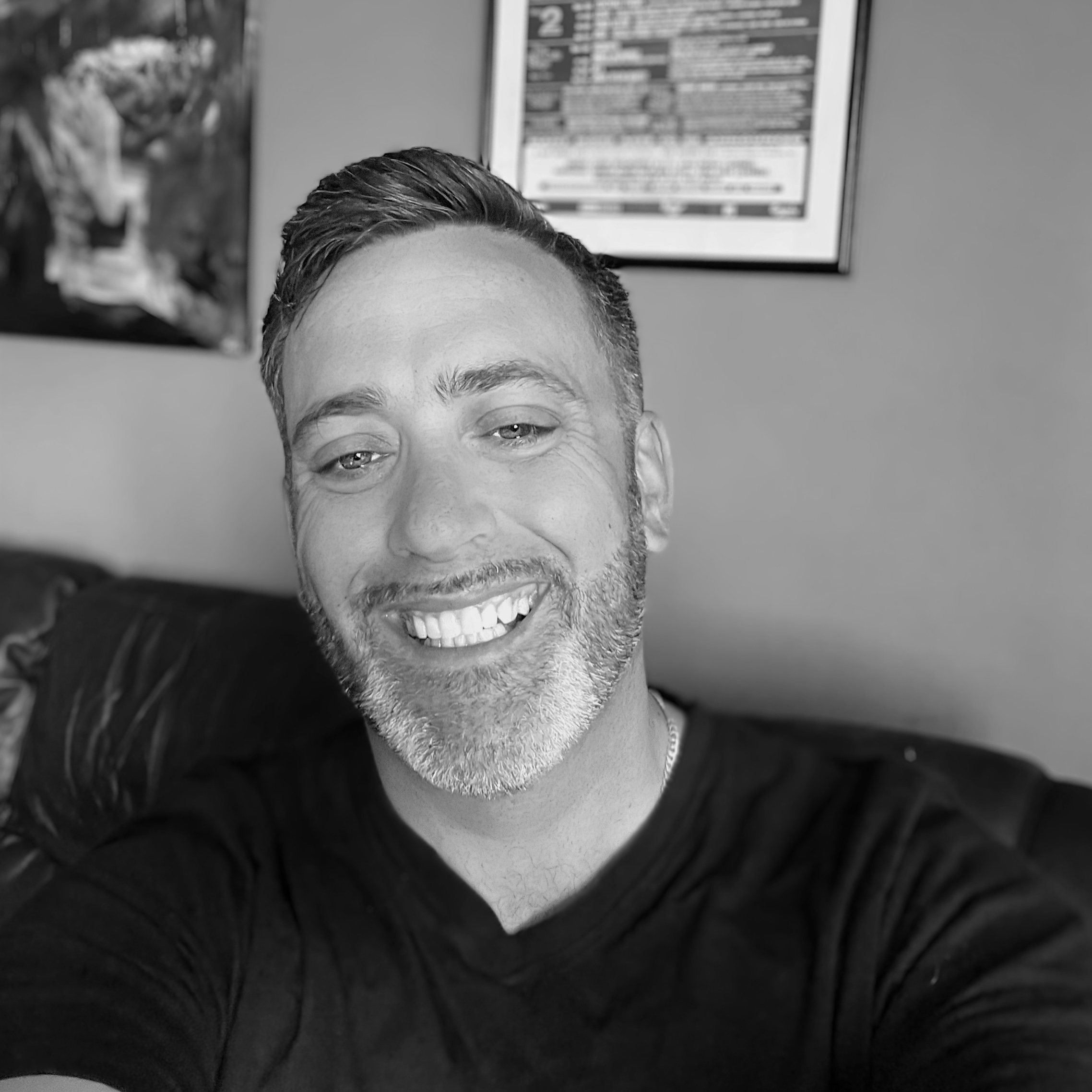
MEET THE Director
Hey, I'm John!
I started Miller & Partner with the aim to bring back personable, approachable broking to UK businesses who were tired of large corporate brokers and feeling like they were just another number.
I have built this brokerage up with no pushy sales techniques or big business tactics, just honest, approachable and professional relationships with my clients.
Over 13 years experience in business insurance
Client first approach
5* rated broker on Google



Office: Vivian House, Roman Bridge Close, Mumbles, Swansea, SA3 5BG
Call 01792 001350
Email: [email protected]

Instagram
LinkedIn