
FS Register FRN 1029698
52 Five Star Google Reviews
13+ years specialist broking experience
Engineers Insurance
Specialist cover for UK electrical, mechanical, building services and consulting engineers: professional indemnity, public and products liability, employers' liability and tools, arranged by a broker who understands design liability as well as site work. Including engineering firms declined elsewhere.
What insurance does an engineer need?
Engineers insurance is the combination of covers an engineering business needs, and the right mix depends on whether you advise, design, install or make. Most engineers need public liability for site work, professional indemnity for advice, designs and calculations, and employers' liability if they employ anyone. Engineers who install or supply equipment also need products liability, plus cover for tools, test equipment and the works themselves.
The most common gap is professional indemnity. Public liability covers injury and damage. It does not cover a client's financial loss from a design error, a wrong calculation or bad advice.
The core covers for engineering businesses
| Cover | What it protects | Who needs it |
|---|---|---|
| Professional indemnity | Claims that your advice, design, specification or calculation was negligent and caused a financial loss | Consulting, design and any engineer who signs off work |
| Public liability | Injury to third parties and damage to their property, including on client sites | Any engineer working on site or with visitors |
| Products liability | Injury or damage caused by equipment or components you install, supply or make | Installers, manufacturers and suppliers |
| Employers' liability | Claims from staff injured or made ill at work | Legal requirement if you employ anyone. Minimum £5m |
| Tools and test equipment | Theft and damage to tools, meters, analysers and laptops, on site and in vans | Field and site engineers |
| Contract works | Damage to the installation or works before handover | Engineers carrying out installation contracts |
Electrical engineers insurance
Electrical engineers work under the Electricity at Work Regulations 1989 and, for installation work, to BS 7671. Underwriters want to know the voltage you work at, whether you work on live systems, whether you design and certify as well as install, and which sectors you work in. Domestic and light commercial work is widely insured. Industrial, high-voltage, rail, data centre and utility work needs specialist terms.
- Design and certification need professional indemnity, not just public liability.
- Damage to the property you are working on is often limited in standard policies; a fire caused by an installation fault is the claim that tests it.
- Testing and inspection work, such as periodic inspection reports, carries professional liability if a fault is missed.
Mechanical and building services engineers insurance
Mechanical engineers covering HVAC, refrigeration, plumbing, pumps, pressure systems and plant installation face a mix of hot works, water damage and design liability. Refrigeration and air conditioning work needs the correct F-gas certification, and gas work needs Gas Safe registration. Insurers ask about both.
- Escape of water and hot works are the most common large claims on client premises.
- System design and commissioning bring professional indemnity exposure if a system underperforms.
- Pressure systems and lifting equipment you own need statutory inspection; see engineering inspection insurance.
Consulting and design engineers insurance
For consulting engineers, professional indemnity is the main cover and the contract decides most of the detail: the limit, whether it applies to each claim or in the aggregate, how long it must be kept in place after the job, and whether collateral warranties are required. Watch for fitness for purpose clauses. Standard PI covers a duty to use reasonable skill and care, not a guarantee that a design will achieve a result. Our professional indemnity insurance page covers PI in more depth, and if PI is all you need you can use our engineers PI quote form.
Engineering sectors we insure
HVAC and building services engineers
Heating, ventilation, air conditioning and refrigeration, including F-gas work.
Automation and controls engineers
PLC programming, robotics integration and control panel design.
Civil engineers
Structures, groundworks design and infrastructure, where PI limits are set by contract.
Geotechnical engineers
Ground investigation and foundation advice with long-tail liability.
CNC and precision engineering
Machined components where products liability follows the part.
Welding and fabrication
Hot works, fume exposure and structural weld liability.
Engineering inspection
Statutory inspection of lifting equipment and pressure systems.
Manufacturing engineers
Production engineering, machinery breakdown and business interruption.
Engineering firms declined by standard insurers
Engineering firms are often turned down by quote engines and mainstream insurers for reasons that a specialist underwriter will work with:
- A previous professional indemnity claim or a notified circumstance.
- High-hazard sectors such as rail, offshore, aviation, nuclear, petrochemical or medical.
- Work or clients in the USA and Canada.
- Large contract limits or fitness for purpose obligations in client contracts.
- A director's previous insolvency, a CCJ or a poor company credit score.
We place these through Lloyd's syndicates and specialist insurers. See our guides to being refused an insurance quote and insurance after insolvency.
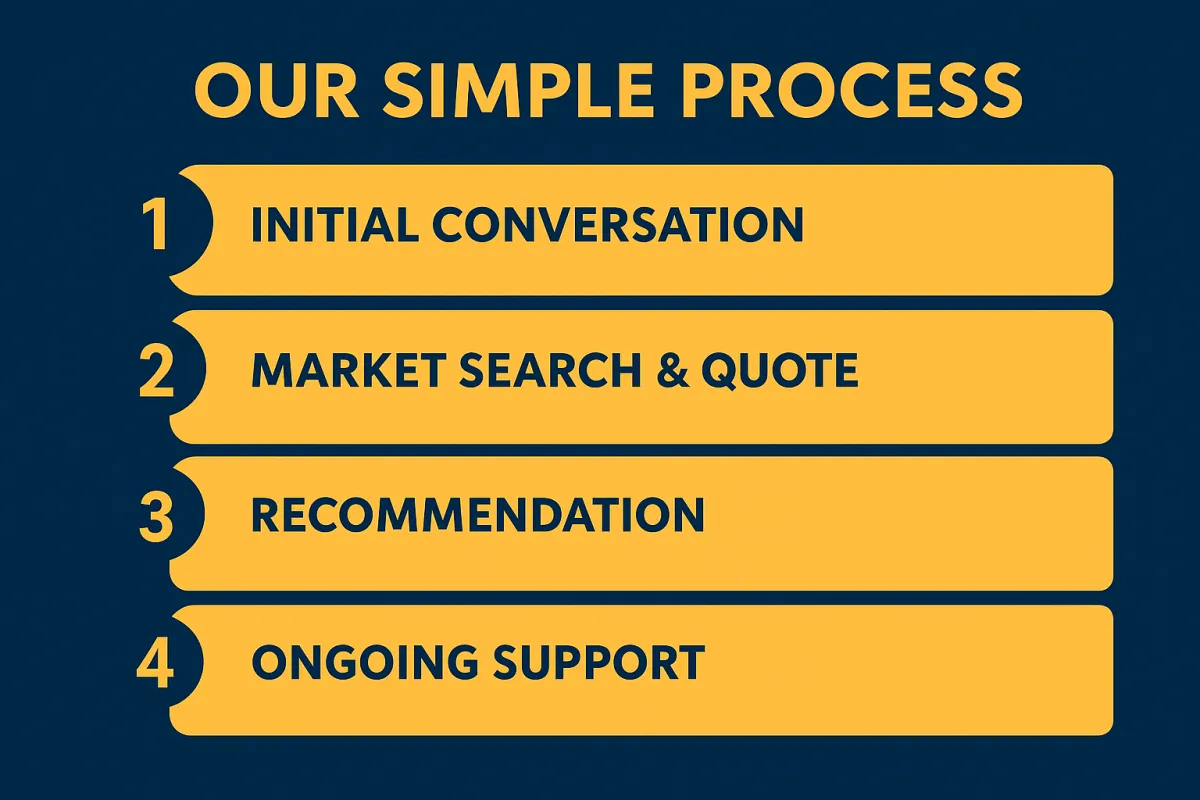
How we arrange engineers insurance
Understand the work
What you design, install, test or make, the sectors you work in and where.
Read the contracts
PI limits, run-off periods, collateral warranties and fitness for purpose clauses.
Present the risk
A clear written submission covering qualifications, quality systems and claims history.
Place and review
Cover placed with insurers that understand engineering, reviewed as your work changes.
Frequently asked questions
It depends on whether you advise, design, install or make. Most engineers need public liability for site work, professional indemnity if they give advice or produce designs, specifications or calculations, and employers' liability if they employ anyone, which is a legal requirement with a minimum limit of £5 million. Engineers who install or supply equipment also need products liability, and many need cover for tools, test equipment and contract works.
If you give advice, produce drawings or calculations, design systems or sign off work, yes. Professional indemnity covers claims that your advice or design was negligent and caused your client a financial loss. Public liability does not cover that. Many contracts set the PI limit you must hold, often £1 million to £5 million, and some require you to keep it in place for years after the work ends.
Engineers insurance usually means the liability cover an engineering business needs: public liability, professional indemnity, employers' liability and products liability. Engineering insurance is also the trade name for a different class of cover, the statutory inspection and breakdown cover for lifting equipment, pressure systems and machinery. Many engineering firms need both.
Usually not. Most professional indemnity policies cover a duty to use reasonable skill and care. If a contract makes you guarantee that a design or installation will be fit for its purpose, that is a stricter obligation that standard PI may not cover. Send us the contract terms before you sign so we can check the cover matches.
Often only partly. Tradesman policies are built for installation work. Design, specification, testing and certification work needs professional indemnity, high-voltage or industrial work may need specialist terms, and damage to the property you are working on is often limited. Tell us exactly what work you do so the cover fits.
Yes. Engineering firms are declined for reasons such as a previous PI claim, high-risk sectors like rail, offshore or nuclear, work in the USA, or a director's insolvency history. We present these risks to Lloyd's syndicates and specialist insurers who underwrite them individually.

Related guides from Miller & Partner
John was very helpful in an area where other brokers could not find policies that met the needs of my business. Quick responses and always friendly!

I’ve been dealing with John for our specialist crime scene and biohazard cleaning insurance, and the service has been excellent. He took the time to understand the nature of our work and ensured we had the right level of cover in place. Responsive, knowledgeable, and easy to deal with throughout. Would recommend 100%
John M provided excellent support in arranging a policy suited to our needs. Despite our niche requirements, he communicated everything clearly and made the process simple. Highly recommended!
MEET THE Director
Hey, I'm John!
I started Miller & Partner with the aim to bring back personable, approachable broking to UK businesses who were tired of large corporate brokers and feeling like they were just another number.
I have built this brokerage up with no pushy sales techniques or big business tactics, just honest, approachable and professional relationships with my clients.
Over 13 years experience in business insurance
Client first approach
5* rated broker on Google



Office: Vivian House, Roman Bridge Close, Mumbles, Swansea, SA3 5BG
Call 01792 001350
Email: [email protected]

Instagram
LinkedIn