
FS Register FRN 1029698
52 Five Star Google Reviews
13+ years specialist broking experience
The core covers for bars
| Cover | What it protects | Watch for |
|---|---|---|
| Public liability | Injury to customers and visitors, such as slips, broken glass and falls on stairs | Assault and fight exclusions on late-night venues |
| Employers' liability | Claims from staff injured or made ill at work | Legal requirement if you employ anyone, including casual bar staff. Minimum £5m |
| Buildings or contents | The premises, bar fit-out, furniture, cellar equipment and tenant's improvements | Who insures the building under your lease |
| Stock | Wines, spirits, beer and food, including deterioration if cellar cooling fails | Lower inner limits for spirits, fine wine and tobacco |
| Business interruption | Lost gross profit and extra costs while you cannot trade after damage | An indemnity period long enough to refit and rebuild trade |
| Loss of licence | Loss of value if the premises licence is revoked or not renewed | Excludes licences lost through your own deliberate breaches |
Wine bar insurance
Wine bars are usually seen as a lower-risk end of the licensed trade, with seated service, earlier closing and fewer disorder claims. The main issue is stock value. A serious wine list can mean tens of thousands of pounds in the cellar, and many policies set a lower inner limit for wines and spirits or require them to be locked away when closed. Fine wine held for investment or private clients is a different risk again and should be declared separately.
Cocktail bar insurance
Cocktail bars combine high-value spirits stock with later trading and busier service. Insurers look at closing times, capacity, whether there is door supervision and whether there is a DJ or dancing. Flame and smoke theatre at the bar, dry ice and open flames are worth mentioning on the proposal, as an undisclosed hazard is a common reason for a claim to be disputed.
Late-night bar insurance
Bars trading after midnight are rated differently, and many mainstream schemes stop at 11pm or midnight. Your premises licence under the Licensing Act 2003 sets your permitted hours and any conditions, such as door supervisors, CCTV or a dispersal policy. Insurers ask about these, and a licence review or police involvement will be relevant at renewal. Door supervisors must hold an SIA licence. If you use a contracted security firm, check their insurance as well as your own.
Licensed venues we insure
Bars declined by standard insurers
Bars are often turned down by quote engines and pub schemes for reasons that a specialist underwriter will work with:
We place these through Lloyd's syndicates and specialist licensed-trade insurers. See our guides to being refused an insurance quote, insurance after a fire claim and business insurance with a CCJ or poor credit.
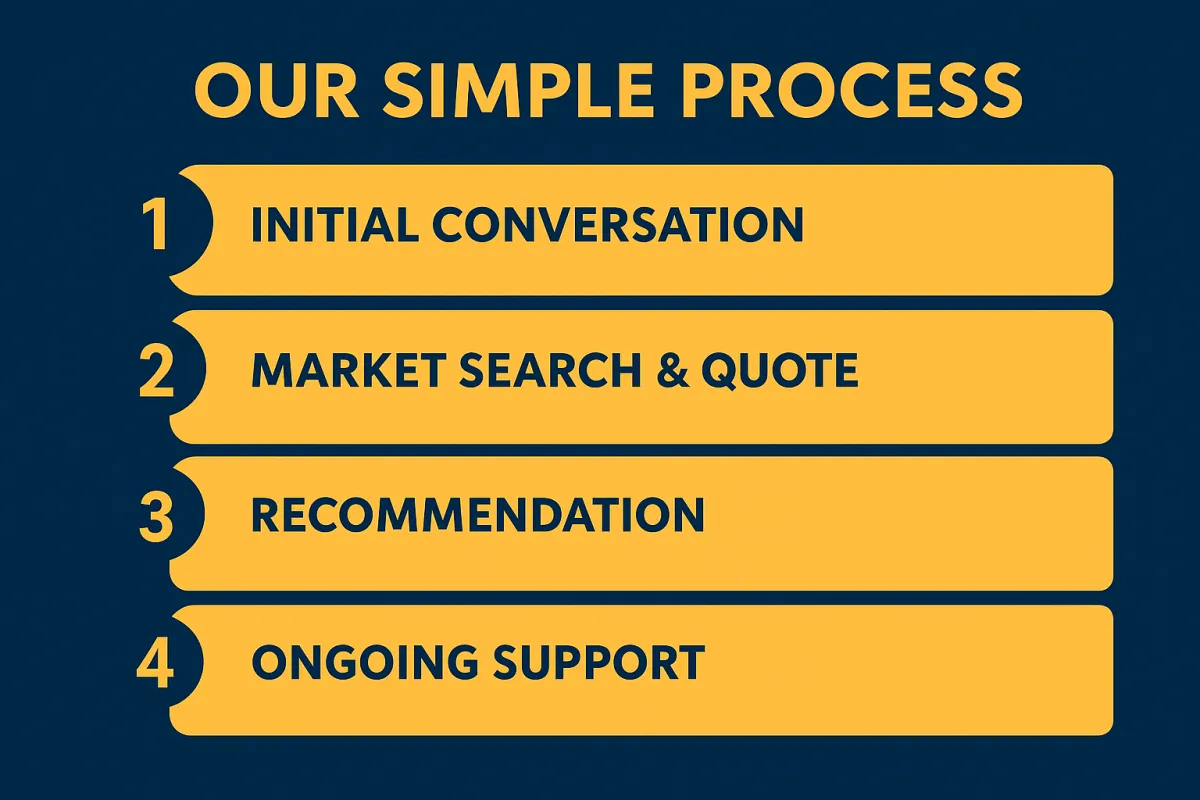
How we arrange bar insurance
Frequently asked questions
Every bar that employs staff must have employers' liability insurance with a minimum limit of £5 million. Beyond that, most bars need public liability (landlords and pub companies commonly ask for at least £5 million), buildings or contents cover, stock cover including cellar and spirits stock, business interruption, money cover and glass cover. Late-night bars should check the policy covers assault, and many bars add loss of licence cover.
Not always. Some public liability policies for licensed premises exclude or limit claims arising from assault, fights or the actions of door staff, particularly for venues trading late. If a customer is injured in a fight and claims the bar failed to keep them safe, that exclusion decides whether you are covered. Check the wording, and tell your broker your trading hours and door arrangements so the cover is placed on the right basis.
Loss of licence insurance pays out if your premises licence is revoked, suspended or not renewed for reasons outside your control, covering the drop in the value of the business and, on some policies, lost trade. It does not cover a licence lost because of your own deliberate breaches. It is particularly relevant to bars where most of the business value depends on the licence and its permitted hours.
Usually, but with conditions. Insurers often set a separate, lower limit for high-value wines, spirits and tobacco, and may require them to be kept in a locked store or cellar outside trading hours. Theft by your own staff is normally excluded unless you add fidelity cover. Give your insurer the real value of your stock, including any fine wine list, so the limit is right.
It depends on turnover, location, trading hours, building value, claims history, whether you have live music or a dance floor, and how you manage the door. A small wine bar closing at 11pm and a cocktail bar trading until 3am with door staff are rated very differently. We do not publish a typical price because the spread is wide; we quote on the details of your bar.
Yes. Bars are declined for reasons including late-night trading, a previous fire or assault claim, a licence review, flat roofs or non-standard construction, a vacant upstairs, or a director's CCJ or insolvency history. We present these risks to Lloyd's syndicates and specialist licensed-trade insurers who underwrite them individually.

Related guides from Miller & Partner
John was very helpful in an area where other brokers could not find policies that met the needs of my business. Quick responses and always friendly!

I’ve been dealing with John for our specialist crime scene and biohazard cleaning insurance, and the service has been excellent. He took the time to understand the nature of our work and ensured we had the right level of cover in place. Responsive, knowledgeable, and easy to deal with throughout. Would recommend 100%
John M provided excellent support in arranging a policy suited to our needs. Despite our niche requirements, he communicated everything clearly and made the process simple. Highly recommended!
MEET THE Director
Hey, I'm John!
I started Miller & Partner with the aim to bring back personable, approachable broking to UK businesses who were tired of large corporate brokers and feeling like they were just another number.
I have built this brokerage up with no pushy sales techniques or big business tactics, just honest, approachable and professional relationships with my clients.
Over 13 years experience in business insurance
Client first approach
5* rated broker on Google



Office: Vivian House, Roman Bridge Close, Mumbles, Swansea, SA3 5BG
Call 01792 001350
Email: [email protected]

Instagram
LinkedIn