


Hydro Power Scheme Insurance UK | Micro & Small Hydro Cover
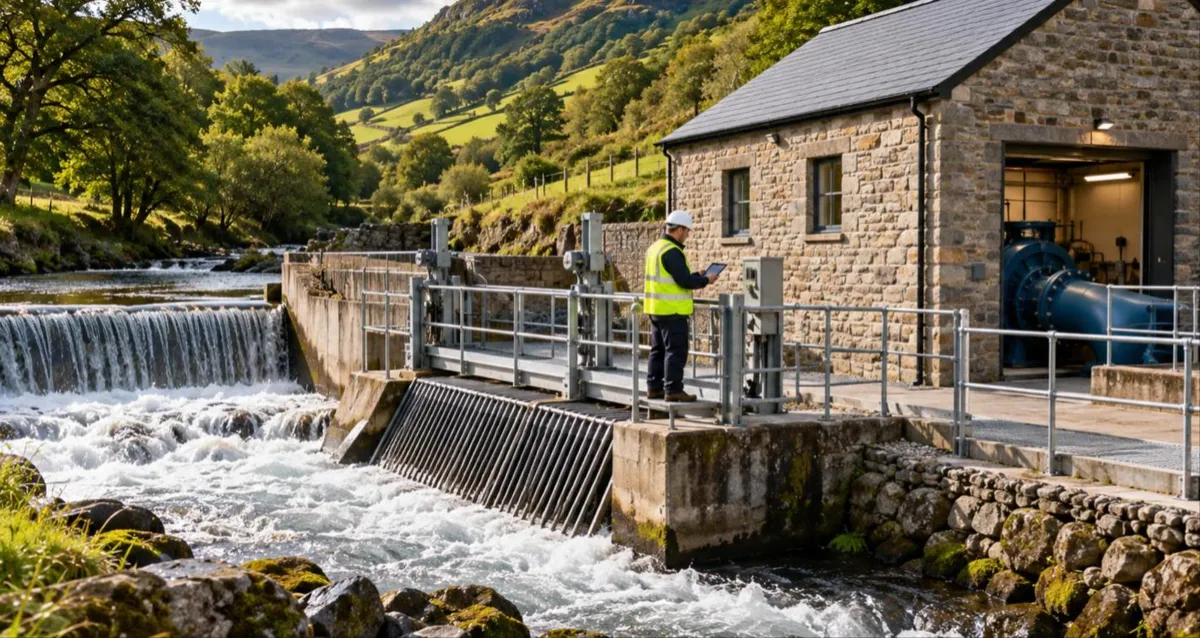
Hydro power scheme insurance protects micro and small hydro installations on rivers, streams and weirs, along with the income they earn from selling electricity. The core covers are material damage for the intake, pipeline, turbine house and electrical equipment, machinery breakdown for the turbine, generator and controls, and business interruption for lost generation income after an insured event. Flood and debris damage are the most common causes of loss, so the flood cover and excess matter as much as the premium. Owners also need public liability, especially where a scheme changes water levels near footpaths or neighbouring land, and employers' liability if they employ staff. Insurers look at the site's flood history, the screen and intake design, maintenance records and the abstraction and impoundment licences from the Environment Agency or Natural Resources Wales.
Key facts at a glance
- Flood is the biggest exposure. Most hydro losses come from flood damage and debris at the intake, so the flood excess and limit need careful checking.
- Breakdown cover protects the turbine. Machinery breakdown responds to sudden failure of the turbine, generator, gearbox and control systems.
- Income loss can outlast the repair. Specialist parts can take months to source, so the business interruption period should reflect realistic lead times.
- Low flow is not usually insurable. Lost generation because of a dry season is a normal business risk, not an insured event.
- Licences matter to insurers. Abstraction and impoundment licences and the conditions attached to them form part of the underwriting.
What insurance does a hydro scheme need?
Most hydro schemes need material damage cover for the civil works and equipment, machinery breakdown, business interruption for lost generation income, public liability, and employers' liability if staff are employed. Schemes under construction also need contract works cover.
| Cover | What it protects |
|---|---|
| Material damage | Intake, weir, pipeline, turbine house, transformer and grid connection |
| Machinery breakdown | Sudden failure of the turbine, generator, gearbox, controls and switchgear |
| Business interruption | Lost generation and export income after insured damage or breakdown |
| Public liability | Injury or damage to third parties, including from changes to water levels |
| Employers' liability | Injury to staff; a legal requirement once you employ people |
| Contract works | The scheme while it is being built or refurbished |
Hydro schemes are often insured alongside other renewables on the same estate or farm, such as those covered on our solar farm insurance and battery energy storage insurance pages.
Why flood cover needs the most attention
Hydro schemes sit in the water, so flood and debris are part of daily life. Insurers expect intakes, screens and turbine houses to be designed for high flows, and they set flood excesses and limits based on the site's history.
After a major flood, intakes can be blocked or damaged and turbine houses inundated. Repairs often need specialist contractors and parts from overseas, so generation can stop for months. Check that your business interruption cover runs long enough to cover realistic repair times, not just the time to clear the site.
If your scheme has had flood claims, our guide to business insurance after a flood claim explains how to present the improvements you have made.
Lost income because a dry summer reduced river flow is not normally insurable. Business interruption responds to damage and breakdown, not to the weather reducing output.
What do insurers look for in a hydro scheme?
Insurers look at the scheme's size and age, turbine type and manufacturer, flood history, intake and screen design, maintenance and condition monitoring, licence conditions, and how quickly spare parts can be obtained.
- Scheme. Capacity, head, turbine type and year commissioned
- Flood. Past flood events, debris management and turbine house protection
- Maintenance. Service contracts, inspections and remote monitoring
- Spares. Critical spares held on site and lead times for major parts
- Licences. Abstraction and impoundment licences and fish pass requirements
- Income. Feed-in tariff, export agreements and annual generation
Breakdown and inspection often go together. Our guide to engineering inspection insurance covers the inspection side for pressure systems and lifting equipment.
How do you set up hydro power insurance?
- Describe the scheme. Capacity, turbine, age and grid connection.
- Value the assets. Rebuild cost of civil works and replacement cost of equipment.
- Confirm the income. Annual generation, tariffs and export arrangements.
- Gather records. Flood history, maintenance logs and licence conditions.
- Set the indemnity period. Allow for realistic lead times on major parts.
- Review each year. Update values and income after refurbishment or tariff changes.
Community and estate schemes
Many small hydro schemes are owned by community energy groups, estates and farms. Each ownership model affects who needs to be insured and for what.
Community-owned schemes need directors' and officers' cover for volunteer boards, explained in our guide to community energy group insurance. Estates and farms with more than one technology on site can bring hydro, wind and solar together under one programme, and our guide to small wind turbine insurance covers the wind side.
Frequently asked questions
Yes, flood is normally covered, but hydro schemes often carry a higher flood excess and insurers set terms based on the site's flood history.
No. Reduced output because of low flow is a normal business risk. Business interruption covers lost income after insured damage or breakdown.
Sudden and unforeseen failure of the turbine, generator, gearbox, controls and switchgear, including repair or replacement.
Long enough to source and fit major parts. For many schemes that is 12 to 24 months rather than the usual 12.
Yes. Schemes can affect water levels and access near footpaths and neighbouring land, and visitors may be injured on site.
Yes. We present the claim and the improvements made since to specialist energy insurers.
Related guides from Miller & Partner

Miller & Partner Limited (FRN 1029698) is an Appointed Representative of Gauntlet Risk Management Ltd (FRN 308081), which is authorised and regulated by the Financial Conduct Authority. Miller & Partner Limited is registered in England and Wales (company number 16206282) and trades from Vivian House, Roman Bridge Close, Mumbles, Swansea SA3 5BG. This article is general information, not a personal recommendation or an offer of cover. Cover is subject to insurer acceptance and the full terms, conditions and exclusions of the policy issued.







Instagram
LinkedIn