


Natural Burial Ground Insurance UK | Woodland Burial Sites
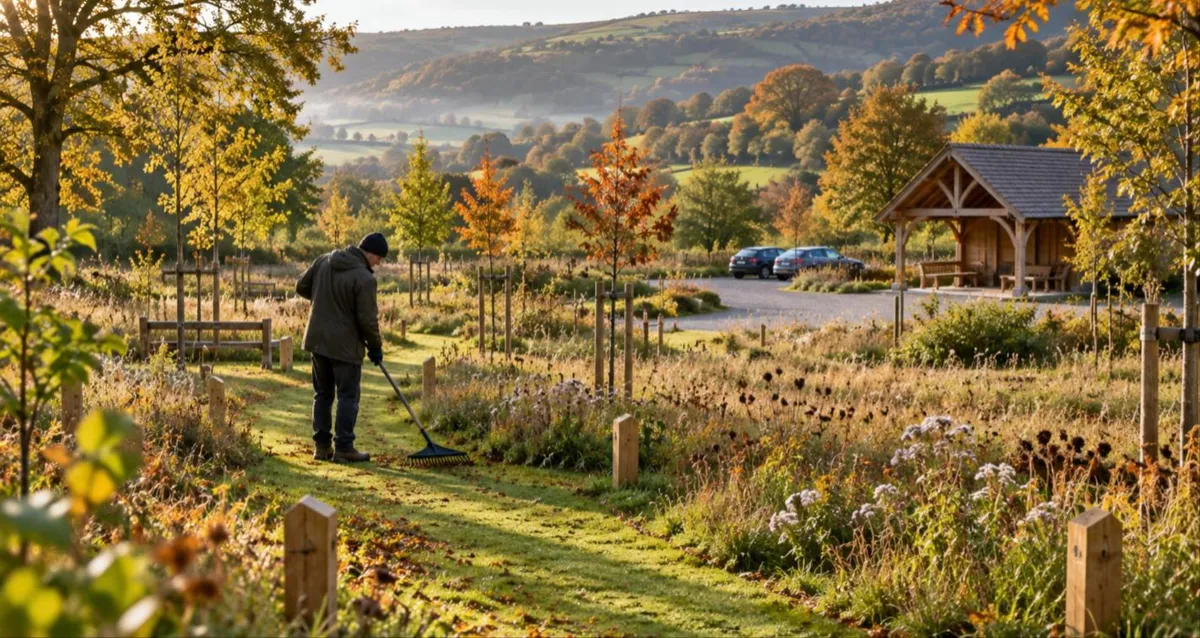
Natural burial ground insurance covers landowners, charities and businesses that run woodland and meadow burial sites. The most important cover is public liability, because mourners, visitors and contractors walk uneven ground, open graves and woodland paths, and trees can fall. You also need employers' liability for staff, cover for buildings such as ceremony halls and welfare units, cover for machinery used to dig and maintain graves, and professional or legal liability for errors such as burying in the wrong plot. Many sites also want legal expenses cover for disputes with families. Insurers look at how graves are dug and protected, your tree inspection regime, visitor numbers, the records you keep and the Environment Agency groundwater checks behind your site.
Key facts at a glance
- Public liability is the core cover. Mourners and visitors walk uneven ground near open graves and trees, so trips, falls and falling branches are the main risks.
- Trees need managing. A regular tree inspection by a qualified arborist is one of the first things insurers ask about.
- Errors can be costly. Burying in the wrong plot or losing records can lead to claims from families, which public liability may not cover.
- Machinery needs cover. Diggers and maintenance equipment should be insured for damage, theft and breakdown.
- Diversification brings questions. Landowners opening a burial ground should tell their farm or estate insurer, because the change of use affects cover.
What insurance does a natural burial ground need?
Most natural burial grounds need public liability, employers' liability, cover for buildings and contents, cover for machinery and equipment, professional or legal liability for burial errors, and legal expenses. Sites run by charities also need trustees' liability.
| Cover | What it protects |
|---|---|
| Public liability | Injury to mourners, visitors and contractors, including from falling trees and open graves |
| Employers' liability | Injury to staff; a legal requirement once you employ people |
| Buildings and contents | Ceremony halls, offices, welfare units and stores |
| Plant and machinery | Diggers, mowers and maintenance equipment |
| Professional and legal liability | Claims from families over burial errors and lost or incorrect records |
| Legal expenses | Disputes with families, neighbours and contractors |
Burial grounds work closely with funeral directors. Our guide to funeral director insurance explains the cover your partners are likely to hold.
Why tree safety matters most
Woodland burial grounds bring visitors close to trees in all weathers. A falling branch that injures a mourner is one of the most serious claims a site can face, and insurers expect a documented tree inspection regime.
Have trees inspected by a qualified arborist, record the findings and act on them. Close areas in high winds and keep paths clear. These records are the best defence against a claim and help keep your premium down.
If tree work is done by contractors, check they hold their own insurance. Our guide to tree surgeon insurance explains what a competent contractor should carry.
Graves are often dug in advance. Covers, barriers and signage reduce the risk of falls, and insurers will ask how you manage them.
What do insurers look for?
Insurers look at the site's size, visitor numbers, grave digging and protection methods, tree management, record keeping, buildings, machinery, and whether you hold events or ceremonies on site.
- Site. Size, terrain, access roads, parking and paths
- Graves. Who digs them, when, and how open graves are protected
- Trees. Inspection frequency, records and remedial work
- Records. Plot mapping, burial registers and how they are backed up
- Visitors. Annual burials, mourner numbers and events
- Groundwater. Environment Agency risk assessment for the site
Landowners opening a burial ground are diversifying in the same way as those leasing land for solar. See our guide to landowner solar farm lease insurance for how insurers treat changes of land use.
How do you set up natural burial ground insurance?
- Describe the site. Size, layout, buildings and access.
- Confirm your activities. Burials, ashes interments, ceremonies and events.
- Gather your records. Tree inspections, grave procedures and plot mapping.
- Value your assets. Buildings, contents and machinery at replacement cost.
- Tell your existing insurer. If the site is on a farm or estate, the change of use affects your current cover.
- Review each year. Update visitor numbers and any new buildings.
Pet burial and cremation
Some natural burial grounds add pet burial areas or work with pet crematoria. These activities need to be declared to insurers.
See our guides to pet crematorium insurance and crematorium insurance for how those operations are covered.
Frequently asked questions
Public liability, because mourners and visitors walk uneven ground near trees and open graves. Employers' liability is also compulsory once you employ staff.
Not always. Claims from families over the wrong plot or lost records may need professional or legal liability cover.
Yes. Opening a burial ground is a change of use that can affect your farm or estate policy.
Injury or damage caused by falling trees is covered under public liability, but insurers expect regular tree inspections.
Yes. Trustees' and directors' liability protects trustees against claims over their decisions.
Yes. We present your plans, procedures and site layout to insurers that understand burial grounds.
Related guides from Miller & Partner
Miller & Partner Limited (FRN 1029698) is an Appointed Representative of Gauntlet Risk Management Ltd (FRN 308081), which is authorised and regulated by the Financial Conduct Authority. Miller & Partner Limited is registered in England and Wales (company number 16206282) and trades from Vivian House, Roman Bridge Close, Mumbles, Swansea SA3 5BG. This article is general information, not a personal recommendation or an offer of cover. Cover is subject to insurer acceptance and the full terms, conditions and exclusions of the policy issued.






Instagram
LinkedIn