


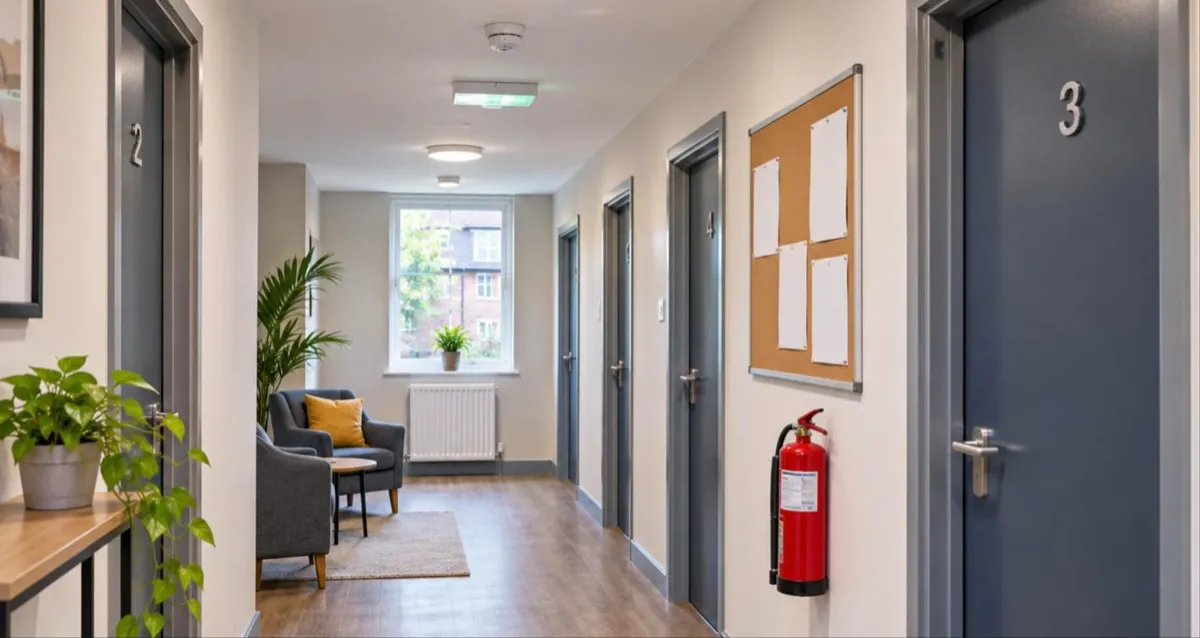
Hostel & Move-On Accommodation Insurance UK
Hostel and move-on accommodation insurance covers shared housing for people leaving homelessness, prison, hospital or care, along with night shelters and short-stay hostels run by charities, councils and private operators. The building owner needs buildings cover, loss of rent and property owners' liability, and the operator needs employers' liability, public liability, contents and often abuse and professional indemnity cover. Hostels are a harder risk for insurers because of high turnover, communal kitchens, the higher chance of fire and malicious damage, and the vulnerability of residents. Insurers focus on staffing, especially at night, fire safety, access control and how incidents are managed. Specialist markets will write well-run hostels, but the presentation has to be thorough.
Key facts at a glance
- Fire is the main concern. Shared kitchens, smoking and high turnover all raise the fire risk.
- Staffing drives the price. Insurers want to know who is on site, especially overnight.
- Malicious damage is common. Many policies limit or exclude damage caused by residents.
- Residents are vulnerable. Liability and abuse cover need careful attention.
- Turnover is high. Insurers look at how arrivals and departures are managed.
What insurance does a hostel need?
A hostel usually needs buildings, contents, liability and staff covers, split between the owner and the operator.
| Cover | What it protects | Watch out for |
|---|---|---|
| Buildings | The hostel building and fixtures | Malicious damage exclusions |
| Contents | Furniture, kitchen equipment and office items | Theft without forced entry |
| Public liability | Injury to residents, visitors and neighbours | Exclusions for resident-on-resident incidents |
| Employers' liability | Injuries to staff | Violence towards staff |
| Abuse and professional indemnity | Allegations and errors in support | Often needs adding separately |
| Loss of rent or income | Lost income after a fire or flood | Time to reopen after a serious fire |
Hostels are one part of the wider sector covered on our supported accommodation insurance page.
Why are hostels harder to insure than other housing?
Hostels combine shared living, high turnover and residents with complex needs, which together raise the risk of fire, damage and liability claims.
A fire in a hostel can spread through shared areas quickly, and evacuation is harder when residents may be unwell or under the influence. That's why insurers look closely at alarms, sprinklers where fitted, fire doors and how staff manage evacuation drills. Malicious damage is another concern, and some policies limit cover for damage caused by the people living there.
If you tell an insurer the hostel is staffed overnight, keep it that way or tell your broker of any change. A claim during an unstaffed night could be challenged.
What do insurers ask about a hostel?
Insurers look at the building, residents, staffing and safety.
- Building. Construction, size, number of beds and shared areas
- Residents. Who you house and typical length of stay
- Staffing. Day and night cover, training and lone working
- Fire safety. Alarms, detection, fire doors, drills and smoking policy
- Security. Access control, CCTV and visitor rules
- Incidents. How you record and respond to incidents
- Claims. Previous losses and what changed afterwards
How can a hostel reduce its premium?
- Strengthen fire safety. Linked alarms, fire doors and regular drills.
- Control access. Entry systems and visitor logs.
- Staff appropriately. Especially at night.
- Record incidents. Show how problems are handled.
- Repair promptly. Fixing damage quickly prevents escalation.
Frequently asked questions
Usually not. Hostels need cover written for the occupancy and residents.
It may be limited or excluded. Check the malicious damage wording carefully.
They need the same core covers, with staffing and occupancy disclosed accurately.
It is strongly recommended where you support vulnerable residents.
It can if the policy was based on 24-hour staffing. Tell your broker of changes.
Yes. Many of our hostel clients are charities and community organisations.
Employers' liability covers injuries to staff, including from violence at work.
Yes, with the hostel use disclosed. The operator then insures its own liability and contents.
They can help, especially in larger buildings.
Usually within a week once we have the building and staffing details.
Related guides from Miller & Partner

Miller & Partner Limited (FRN 1029698) is an Appointed Representative of Gauntlet Risk Management Ltd (FRN 308081), which is authorised and regulated by the Financial Conduct Authority. Miller & Partner Limited is registered in England and Wales (company number 16206282) and trades from Vivian House, Roman Bridge Close, Mumbles, Swansea SA3 5BG. This article is general information, not a personal recommendation or an offer of cover. Cover is subject to insurer acceptance and the full terms, conditions and exclusions of the policy issued.






Instagram
LinkedIn