


Heat Network Business Interruption & Loss of Supply Cover
For a heat network, the worst day isn't the repair bill — it's the morning hundreds of homes wake up with no heat or hot water. Business interruption is the cover that responds to that: lost revenue, the cost of getting supply back, and, under the new regime, compensating the customers left in the cold. It's also the cover most often missing from networks insured under a property or landlord policy.
Get a Heat Network Quote Talk to John · 01792 001350Why loss of supply is the defining risk
A heat network is shared, central infrastructure with a regulated duty to keep supplying heat. When an insured event — a boiler or CHP failure, an energy-centre fire, a major distribution leak — stops that supply, the consequences cascade well beyond the damaged asset: residents without heating, emergency measures to restore service, reputational and regulatory fallout, and, since 27 January 2026, consumer-protection obligations toward affected customers. Property insurance pays to fix the plant; business interruption pays for everything the stoppage costs.
What heat network business interruption covers
Loss of revenue
The income lost while the network cannot supply heat following an insured event, over the indemnity period needed to recover.
Increased cost of working
The extra cost of keeping heat flowing — temporary or hire boilers, mobile plant, emergency repairs and expedited replacement.
Customer compensation
Where arranged, the cost of compensating customers left without heat — increasingly relevant under the new consumer-protection regime.
Extended indemnity
Cover for the time it genuinely takes to source and recommission specialist plant, not an arbitrary short window.
The triggers that take a network offline
Plant breakdown
Failure of CHP units, boilers, heat pumps, thermal stores or pumps — paired with engineering/machinery breakdown cover so the BI is actually triggered.
Energy-centre fire
Concentrated plant, fuel and electrical load can remove supply to the whole network at once.
Distribution leak
Buried pipework failures are slow to locate and costly to reinstate, extending the period of lost supply.
Getting the indemnity period and sums insured right
The common failure isn't the absence of BI but its calibration. Specialist heat network plant can take months to source and recommission, so a 12-month indemnity period is often too short — and the sum insured must reflect not just revenue but the realistic increased cost of working to keep heat on while the network is restored. Under-setting either leaves you exposed at exactly the moment cover matters. This is a conversation to have explicitly, backed by your maintenance, resilience and redundancy arrangements. See the full programme on our heat network insurance hub, and the regulatory backdrop in our Ofgem heat network regulation guide.
Get a Heat Network Quote Talk to John · 01792 001350Frequently asked questions
What is business interruption insurance for a heat network?
Does business interruption cover plant simply breaking down?
Can the policy cover customer compensation?
What indemnity period should a heat network choose?
Why doesn't our buildings policy already cover this?
Real World Example
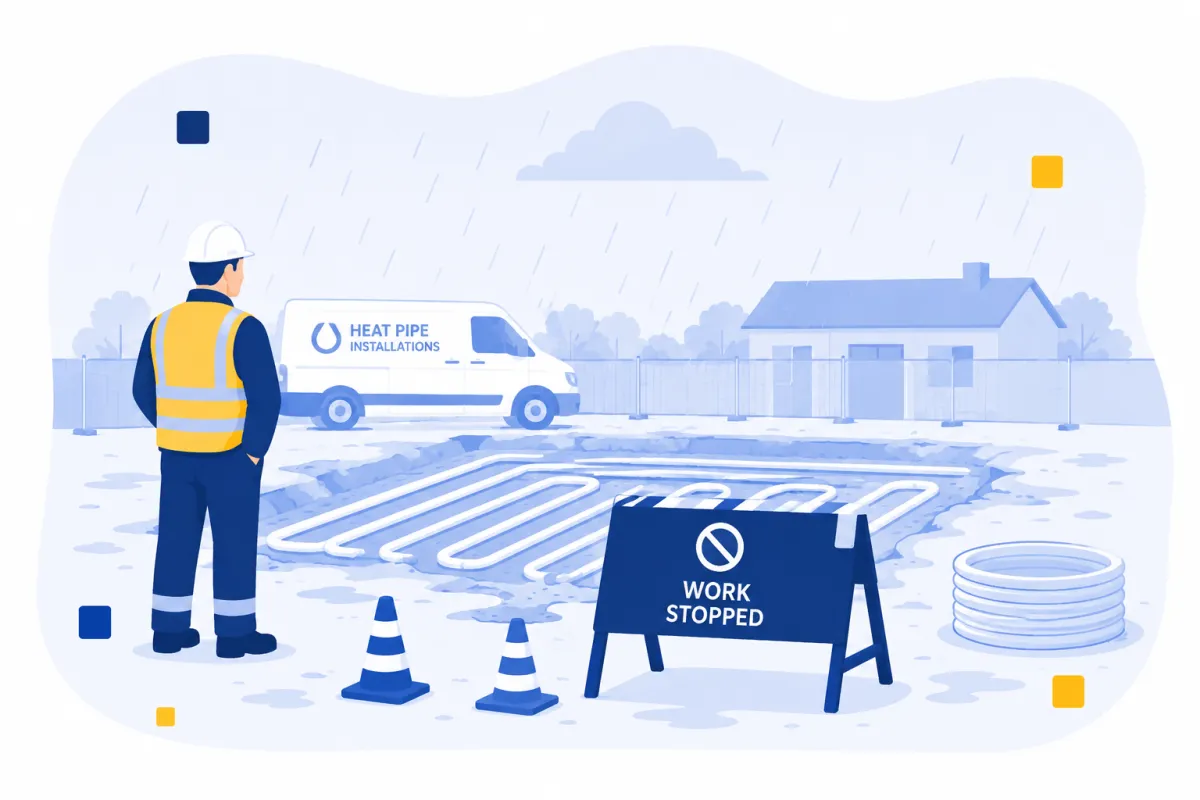
A communal scheme's primary boiler failed during a cold snap, leaving hundreds of residents without heating and hot water. The operator faced the cost of emergency hire boilers, round-the-clock engineers and resident support — but their policy had no engineering breakdown and no loss-of-supply business interruption, so none of it was covered. We rebuilt the programme with machinery breakdown, an indemnity period matched to plant lead times, and customer-compensation scope, so the next failure is an insured event rather than an uninsured crisis.







Instagram
LinkedIn