
FS Register FRN 1029698
Five Star Rated on Google
13+ years specialist broking experience
Professional Indemnity for Regulated Advice Firms — When Mainstream Insurers Say No
Professional indemnity for claims management companies, immigration advisers, will writers, debt advice firms and credit brokers. These are the advice businesses most PI insurers avoid, especially after a claim, a complaint, a regulatory issue or a past insolvency. We place them with specialist and Lloyd's markets that will look at the detail.
Quick answer · Updated 18 November 2026
Why is professional indemnity hard to get for some advice firms?
Professional indemnity is hardest to place for advice firms dealing directly with consumers on high-stakes matters, such as claims, immigration status, wills, debt and credit. These sectors have a history of complaints, regulatory intervention and large claims, so many mainstream PI insurers either exclude them or decline at the first sign of a claim, an FCA or Immigration Advice Authority issue, a Financial Ombudsman complaint or a director's past insolvency. Specialist and Lloyd's markets still write these firms, but they want a well-presented risk: clear activities, compliance procedures, claims and complaints history, and the regulatory minimums you need to meet.
Who this page is for
This page is for small and medium-sized advice businesses that either must hold professional indemnity to trade, or are expected to by their regulator, trade body, lenders or clients, and that find the mainstream market closed to them. That includes new firms with no track record, firms that have had a claim or a complaint upheld, firms under regulatory scrutiny, and firms whose directors have a previous insolvency or CCJ.
The common thread is advice given to consumers on matters where a mistake is expensive: a missed limitation date, a refused visa, an invalid will, a failed debt solution or an unaffordable loan. Insurers price these risks on claims history across the whole sector, which is why a firm with a clean record can still struggle.
Why firms get declined
- Sector exclusions. Many PI insurers simply list claims management, immigration or debt advice as excluded activities.
- A previous claim or upheld complaint. Even a small claim can lead to non-renewal with a mainstream insurer.
- Regulatory action. FCA supervision, variation of permissions or IAA audits make many insurers nervous.
- High-risk activities. For example, mass claims campaigns, asset protection trusts or complex immigration appeals.
- Directors' history. A past liquidation, bankruptcy or CCJ can lead to an automatic decline. We cover this in our guide to insurance after insolvency or liquidation.
- New start-ups. No trading history means many insurers won't quote at all.
Advice firms we insure
Claims management companies
FCA-regulated CMCs, including personal injury firms that must meet CMCOB 7.4.
Immigration advisers
IAA-regulated advisers at every level, including firms renewing after the OISC rebrand.
Will writers and estate planners
Wills, lasting powers of attorney, trusts and estate planning.
Debt advice firms
FCA-regulated debt counselling and debt management firms.
Credit brokers
Consumer and commercial credit brokers, including lender panel requirements.
Debt collection agencies
Collection, tracing and enforcement-related firms.
What a regulated advice firm's cover should include
| Cover | What it protects | Watch out for |
|---|---|---|
| Professional indemnity | Claims that your advice or service was negligent and caused a client loss | Activity exclusions, retroactive dates and whether defence costs erode the limit |
| Regulatory investigation costs | Legal costs of responding to an FCA, IAA or other regulatory investigation | Often sub-limited or excluded on cheaper policies |
| Cyber and data breach | Costs of a data breach, ransomware or fraud involving client data | PI policies usually exclude most cyber losses |
| Directors' and officers' | Personal liability of directors, including regulatory and insolvency claims | Exclusions for known circumstances |
| Office and public liability | Injury to visitors and damage to office contents | Usually straightforward once PI is placed |
Claims-made cover and why continuity matters
Professional indemnity is written on a claims-made basis. The policy that pays is the one in force when the claim is made, not when the advice was given. If you let cover lapse, change to a policy with a later retroactive date, or close the business without run-off cover, claims for old work may not be covered. That is why moving from a mainstream insurer to a specialist one needs care: the new policy should keep your original retroactive date wherever possible, and any known circumstances must be disclosed.
What will insurers ask?
- Exactly what services you provide, with a fee income split by activity
- Regulatory status, permissions and any supervisory issues
- Qualifications and experience of the advisers and directors
- Complaints handling, file reviews and compliance procedures
- Claims, complaints and Financial Ombudsman decisions in the last five years
- Use of introducers, lead generators or outsourced advisers
- Any directors' previous insolvencies, CCJs or disqualifications
How we help
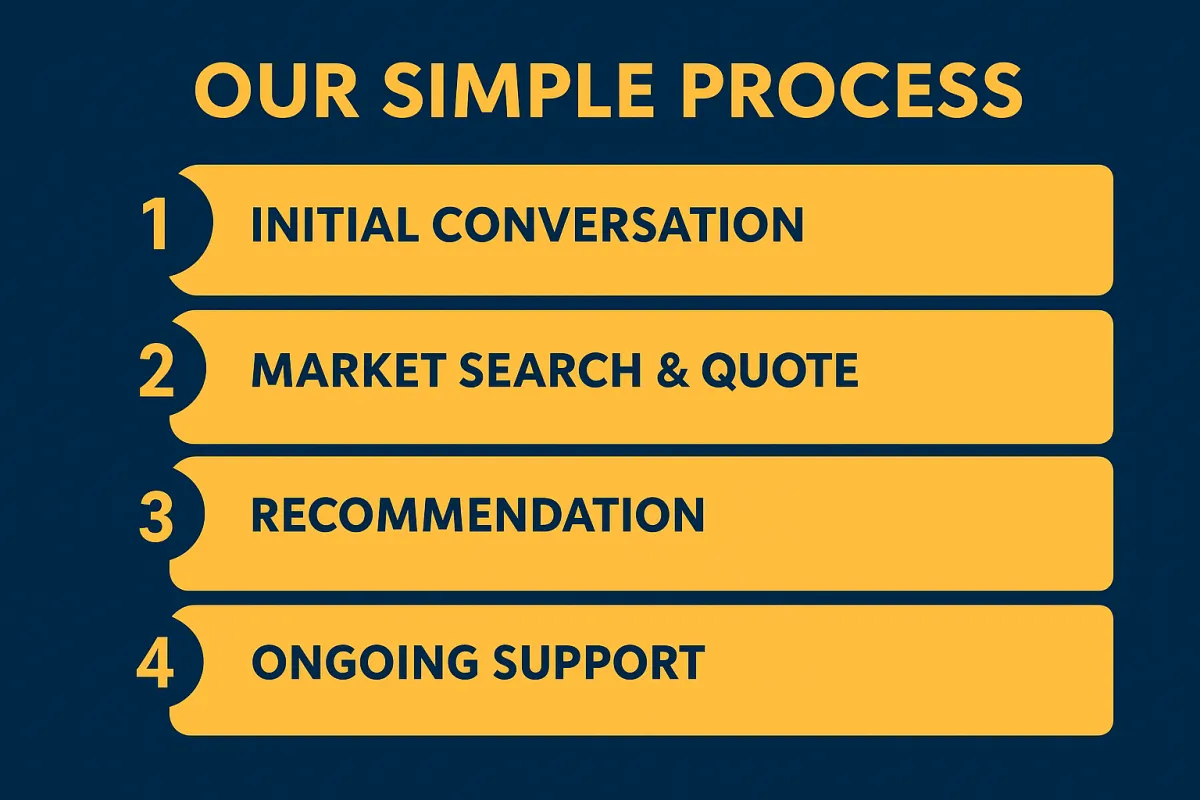
We start by understanding the business, the regulatory minimums you need to meet, and why the last insurer said no. We then present the firm properly to specialist and Lloyd's PI markets, with the context underwriters need, such as how a past claim happened and what has changed since. You get cover that meets your regulator or trade body's requirements, with a clear explanation of exclusions and limits.
Frequently asked questions
Is professional indemnity compulsory for advice firms?
It depends on the firm. Personal injury claims management companies must hold it under the FCA's CMCOB 7.4, immigration advisers need it under the IAA's Code of Standards, and trade bodies for will writers require it for members. Other firms are often required to hold it by lenders, panels or clients.
Can I get PI insurance after a claim?
Yes. Specialist markets will consider firms with past claims, especially if you can show what went wrong and what has changed. Expect higher premiums and excesses at first.
Will a director's past insolvency affect PI insurance?
It can. Many insurers ask about directors' insolvency history and some decline automatically, but specialist markets will usually consider the circumstances.
What is a retroactive date?
The date from which a claims-made policy covers past work. Keeping your original retroactive date when you change insurer avoids gaps for older work.
Does professional indemnity cover regulatory fines?
Generally not, as fines are usually uninsurable. Some policies cover the legal costs of responding to a regulatory investigation.
Related guides from Miller & Partner
- Professional indemnity insurance
- Professional indemnity after a claim
- Using a professional indemnity insurance broker
- Cyber insurance
- Cyber insurance after being declined
- Business insurance refused elsewhere
- Insurance after insolvency or liquidation

John was very helpful in an area where other brokers could not find policies that met the needs of my business. Quick responses and always friendly!

I’ve been dealing with John for our specialist crime scene and biohazard cleaning insurance, and the service has been excellent. He took the time to understand the nature of our work and ensured we had the right level of cover in place. Responsive, knowledgeable, and easy to deal with throughout. Would recommend 100%
John M provided excellent support in arranging a policy suited to our needs. Despite our niche requirements, he communicated everything clearly and made the process simple. Highly recommended!
MEET THE Director
Hey, I'm John!
I started Miller & Partner with the aim to bring back personable, approachable broking to UK businesses who were tired of large corporate brokers and feeling like they were just another number.
I have built this brokerage up with no pushy sales techniques or big business tactics, just honest, approachable and professional relationships with my clients.
Over 13 years experience in business insurance
Client first approach
5* rated broker on Google



Office: Vivian House, Roman Bridge Close, Mumbles, Swansea, SA3 5BG
Call 01792 001350
Email: [email protected]

Instagram
LinkedIn