


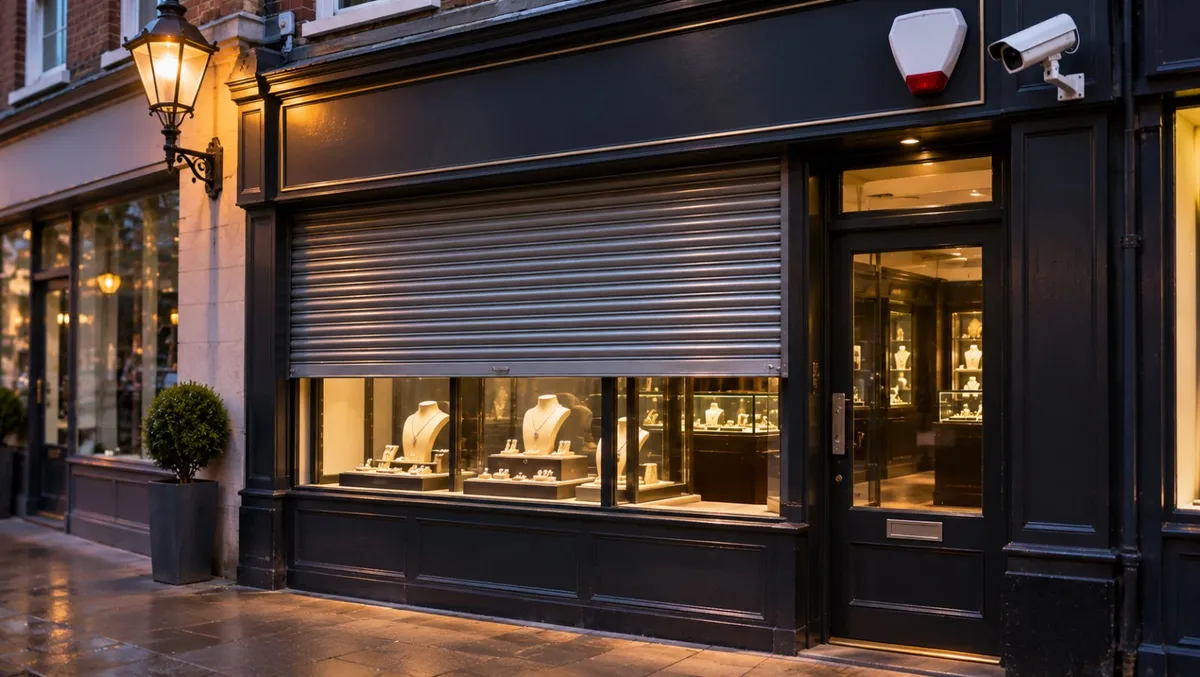
Jewellers Insurance After a Robbery or Theft Claim
Yes, you can usually still get jewellers insurance after a robbery or theft claim, but expect closer scrutiny, new security requirements and revised terms. Insurers treat a robbery or large theft as evidence of how your risk behaves in practice. At renewal, or when you approach a new market, underwriters will want a full account of what happened, the value lost, the police and loss adjuster findings and what you have changed since. Common outcomes include a security survey, higher premiums or excesses, reduced out-of-safe or window limits and conditions to upgrade alarms, glazing, entry control or the safe within a set period. Some insurers will decline or not renew. Specialist and Lloyd's markets will often still consider the risk if it is disclosed fully and presented well. The biggest mistake is leaving a loss off a proposal, because non-disclosure can lead to a claim being reduced or a policy being avoided.
Need jewellers cover after a claim?
We present robbery and theft histories to specialist and Lloyd's markets. Get a quote online or speak to a specialist broker directly.
Key facts at a glance
- Disclose everything asked. Losses, attempts, refusals and cancellations, commonly for at least five years.
- Explain, do not just list. Underwriters respond to a clear account of cause and remedy.
- Upgrades come first. Improvements already in place count for more than promises.
- Terms will probably change. Expect revised limits, excesses or conditions.
- Refusal is not final. Specialist markets write risks mainstream insurers decline.
How does a robbery claim affect jewellers insurance?
Underwriters focus on the control that failed. The cover itself is explained on our jewellers block insurance page.
| Type of loss | What underwriters focus on | Typical improvements |
|---|---|---|
| Robbery or snatch in trading hours | Entry control, display practice, staffing | Locked-door entry, fewer items shown at once, attack buttons |
| Smash-and-grab | Glazing, window limits, display content | Laminated glazing, reduced window stock, internal grilles |
| Ram-raid | Frontage and vehicle access | Bollards, shutters, a stripped window overnight |
| Overnight burglary | Safe grade, alarm signalling, building security | Higher-grade safe, dual-path signalling, security fog |
| Distraction theft | Counter procedures, staff training, CCTV | One-tray-at-a-time rules, better camera coverage |
| Transit or carrying loss | Methods used, vehicles, routines | Approved couriers, varied routines, no stock left in vehicles |
What must you disclose after a robbery or theft?
Attempted break-ins, incidents where nothing was taken and staff involvement in a theft are all likely to be material. Our guide to insurance voided for non-disclosure explains what can happen when a material fact is missed. Before approaching the market, prepare:
- A written account of each incident: date, method, what was taken and the claim value.
- Police crime reference numbers and any outcome, including recovered goods.
- Your current security specification, with photographs.
- Invoices or certificates for upgrades made since the loss.
- Any letters from previous insurers about terms or non-renewal.
Which security upgrades do insurers expect after a loss?
Read any survey report carefully: requirements are often written as conditions, so cover could be affected if they are not met by the date given. If one is impractical, for example because planning rules restrict shutters, raise it straight away. If the safe proved under-rated, expect the in-safe limit to be tied firmly to its rating.
What terms should you expect after a claim?
Look past the premium. A lower price with a much higher robbery excess or a reduced counter limit may leave you worse off after another loss. If your insurer will not renew, start early; our guide to insurance cancelled by an insurer explains the next steps.
What if you have been refused jewellers insurance?
Avoid multiple direct applications, as each refusal may need to be disclosed. Our guides to insurance for businesses refused cover and business insurance with a claims history explain the process. If you run a retail jewellery shop or a pre-owned watch business, our sector guides cover the security points underwriters look for.
Frequently asked questions
Most proposals ask about losses over a set period, commonly the last five years, but always answer the question as asked. If in doubt, include the incident with an explanation rather than leave it out.
Mid-term cancellation after a single claim is less common than non-renewal or renewal on revised terms. If you receive notice of non-renewal, start looking for alternative cover straight away so there is time to present the risk properly.
Usually yes, if the proposal asks about incidents or attempts, or if it would influence an underwriter. Disclosing it with what worked and what you have improved often helps rather than harms your presentation.
Possibly, over time. Insurers may review a higher theft or robbery excess once you have a claim-free period and the agreed security improvements are in place.
Insurers often arrange the survey through their own surveyors or risk engineers. The cost of any upgrades it requires normally falls on you, so check each requirement and its deadline.
It can. If you have bought a jewellery business or taken over premises, underwriters may ask about losses at that location. Disclose what you know, particularly if the security has not changed.
Related guides from Miller & Partner







Instagram
LinkedIn