

Knock-for-Knock Indemnities and Insurance Explained
Quick answer
What is a knock-for-knock indemnity and how does insurance cover it?
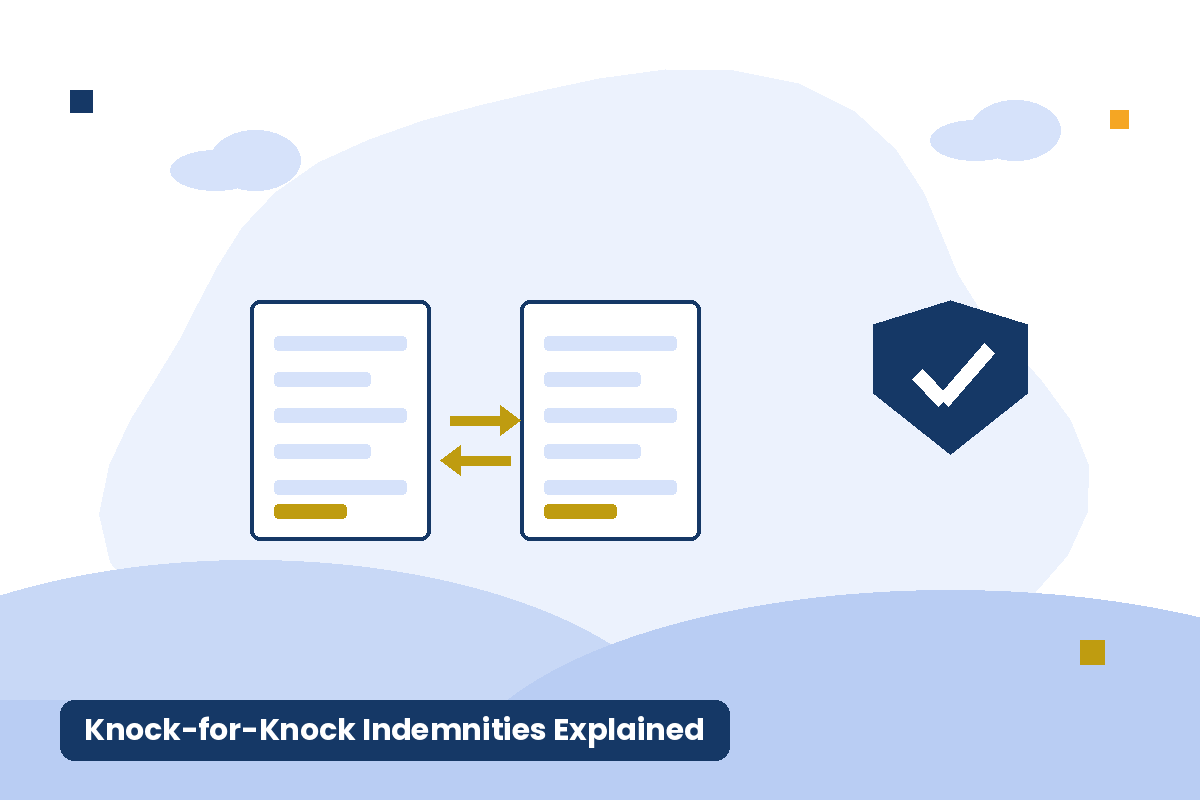
A knock-for-knock indemnity is a contract term where each party takes responsibility for injury to its own people and damage to its own property, whatever the cause, even if the other party was negligent. It is standard in offshore energy contracts. Your insurance only backs it up if your liability policy includes contractual liability and your insurer has agreed to the indemnity and any waiver of subrogation. If not, you could be left paying a claim your policy won't cover.
How knock-for-knock works
Under a typical knock-for-knock regime, the company (the developer or operator) takes responsibility for its own employees and property, and each contractor does the same for its own. If a contractor's technician is injured, the contractor and its insurer deal with it, even if the developer's vessel crew caused the accident. If the developer's turbine is damaged, the developer deals with it, even if a contractor caused it, subject to any exceptions.
Third-party claims, pollution and some specific risks are usually dealt with separately, and many contracts also include mutual waivers of consequential loss, such as lost revenue.
Why the offshore industry uses it
Offshore projects involve many contractors working closely together, often on the same vessel or structure. Arguing over who was at fault after every incident would be slow and costly. Knock-for-knock removes most of those disputes, avoids every contractor insuring the same risks, and makes insurance more predictable. The approach came from the oil and gas industry, where standard forms such as LOGIC use it, and offshore wind has largely adopted it.
What your insurer needs
| Contract term | What to check with your insurer |
|---|---|
| Indemnity for your own people and property | Contractual liability extension on public and employers' liability |
| Waiver of subrogation | Insurer agrees not to pursue the other party after paying a claim |
| Additional insured or co-insured | Client named on your policy for its liability arising from your work |
| Mutual waiver of consequential loss | Confirms your exposure to lost revenue claims is limited |
| Minimum limits | Your limits meet or exceed the contract requirement |
| Evidence of cover | Certificates that state the extensions, not just the limits |
Common traps for smaller contractors
- Signing without telling the insurer. Liability policies cover legal liability, not liability you have agreed to take on, unless contractual liability is included.
- One-sided indemnities. Some contracts call themselves knock-for-knock but only protect the client. Read them carefully.
- Gross negligence carve-outs. Some indemnities don't apply where there is gross negligence or wilful misconduct, which can reopen liability.
- Subcontractors not stepped down. If you indemnify the client for your group, but your own subcontractors haven't given you the same indemnity, you could be left exposed.
We review the indemnity and insurance clauses as part of placing your cover, and point out the ones worth negotiating before you sign.
Frequently asked questions
Is knock-for-knock used in offshore wind?
Yes. Many offshore wind contracts use mutual indemnities based on the oil and gas model, although the wording varies between developers.
Does public liability insurance cover a knock-for-knock indemnity?
Only if the policy includes contractual liability and the insurer has agreed to the indemnity. Otherwise the indemnity may be uninsured.
What is a waiver of subrogation?
An agreement that your insurer won't recover a claim payment from the other party, even if that party was at fault. Your insurer must agree to it.
Should I negotiate the indemnity clauses?
Often, yes. Smaller contractors can sometimes negotiate caps, exclusions for gross negligence or stepped-down indemnities. Take legal advice on the contract.
Related guides
- Offshore wind supply chain insurance
- Insurance for Celtic Sea offshore wind suppliers
- Offshore wind O&M contractor insurance
- Port fabrication yard insurance
- Rope access and blade repair technician insurance
- Contractors combined insurance






Instagram
LinkedIn