


Carbon Removal Project Construction Insurance
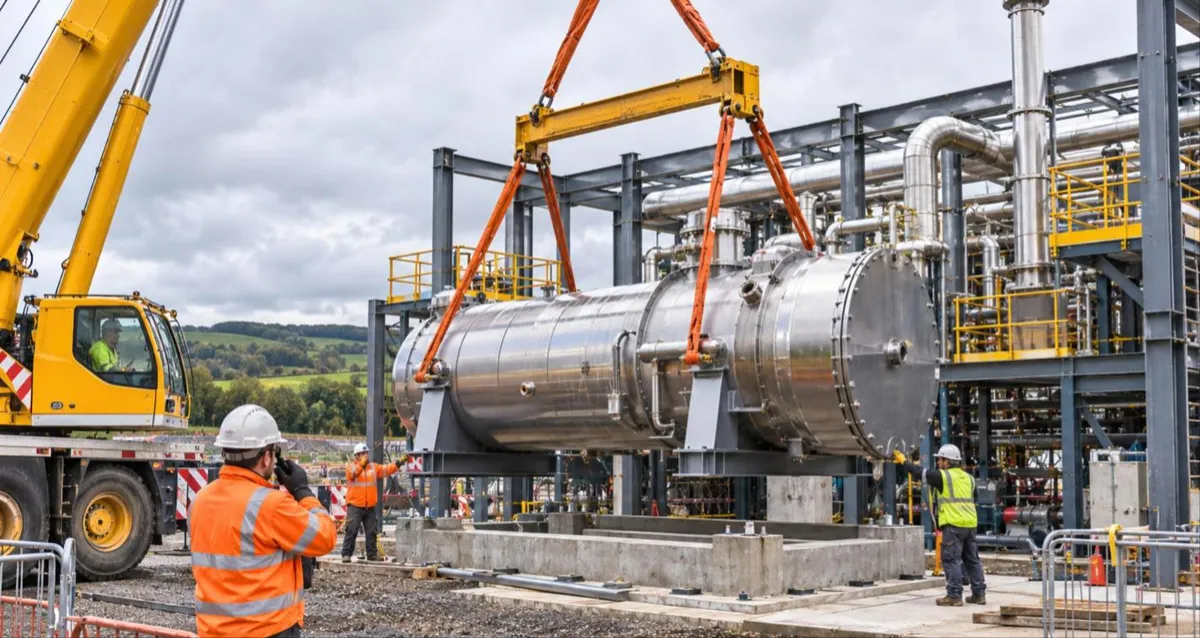
Carbon removal project construction insurance covers the build and commissioning of new biochar, pyrolysis, bioenergy with carbon capture and other greenhouse gas removal facilities. The main covers are contract works or construction all risks, delay in start-up, third-party liability, and marine cargo for reactors and plant shipped from overseas. Lenders and investors usually set minimum insurance requirements before releasing funds, so the programme needs to be arranged early. Insurers look at the technology's track record, the contractor and supplier, the testing and commissioning plan, and how long it will take to replace key equipment if it is damaged before handover.
Key facts at a glance
- Lenders set the requirements. Funders usually specify covers, limits and named insured status.
- Commissioning is the riskiest phase. Testing a new reactor brings the highest chance of damage.
- Delay in start-up protects revenue. It covers lost income if insured damage delays the project.
- Imported plant needs cargo cover. Reactors shipped from overseas need marine cargo insurance.
- Technology history matters. First-of-a-kind projects face stricter terms.
What insurance does a carbon removal build need?
A construction programme protects the works, the revenue and third parties until the plant is handed over.
| Cover | What it protects | Watch out for |
|---|---|---|
| Contract works | The works, materials and plant during the build | Defects and testing exclusions |
| Delay in start-up | Lost revenue if damage delays completion | Waiting periods and indemnity periods |
| Third-party liability | Injury and damage to others | Neighbouring land and roads |
| Marine cargo | Plant in transit from suppliers | Storage between shipment and installation |
| Professional indemnity | Design errors by the designer or contractor | Usually held by the design party |
For cover once the plant is running, see our biochar and carbon removal insurance page.
Why does commissioning matter so much?
Most construction losses on process plants happen during testing and commissioning, when the reactor is first heated and run.
Insurers want to know who is responsible for commissioning, how long it will take, and what testing is planned. Some policies limit cover for testing, or exclude damage caused by a defect in design or materials. For first-of-a-kind technology, expect insurers to ask detailed questions and possibly to apply higher excesses during the testing period.
Make sure operational cover is in place from the moment the construction policy ends. A gap between the two leaves the new plant uninsured.
What do lenders and investors usually require?
Most funders set out their insurance needs in the finance documents.
- Contract works cover for the full contract value
- Delay in start-up cover for debt service and fixed costs
- Lenders named as co-insured or loss payee
- Minimum limits for third-party liability
- Non-vitiation clauses to protect the lender
- Insurers with a minimum financial strength rating
- A broker's letter confirming cover is in place
We have arranged similar programmes for hydrogen project construction and solar farm construction, where funders ask for much the same.
How to prepare your project for insurers
- Start early. Talk to us before financial close.
- Gather technical data. On the technology, supplier and references.
- Share the programme. Including testing and commissioning dates.
- Know your lead times. For reactors and critical spares.
- Agree responsibilities. Between developer, contractor and supplier.
Frequently asked questions
Either the developer or the contractor, depending on the contract. Developers often prefer to control it.
Cover for lost income if insured damage delays the start of operations.
Yes, though terms are stricter and insurers want more information.
Yes, if key plant is shipped from overseas.
Usually, as co-insured or loss payee.
Usually, but some policies limit it. Check the wording.
The construction policy ends and operational cover must start.
Design errors are usually covered by the designer's professional indemnity.
Allow several weeks for a complex project.
Yes. Grant conditions may set their own insurance requirements.
Related guides from Miller & Partner

Miller & Partner Limited (FRN 1029698) is an Appointed Representative of Gauntlet Risk Management Ltd (FRN 308081), which is authorised and regulated by the Financial Conduct Authority. Miller & Partner Limited is registered in England and Wales (company number 16206282) and trades from Vivian House, Roman Bridge Close, Mumbles, Swansea SA3 5BG. This article is general information, not a personal recommendation or an offer of cover. Cover is subject to insurer acceptance and the full terms, conditions and exclusions of the policy issued.






Instagram
LinkedIn