


Hydrogen Project Construction Insurance UK | CAR and DSU
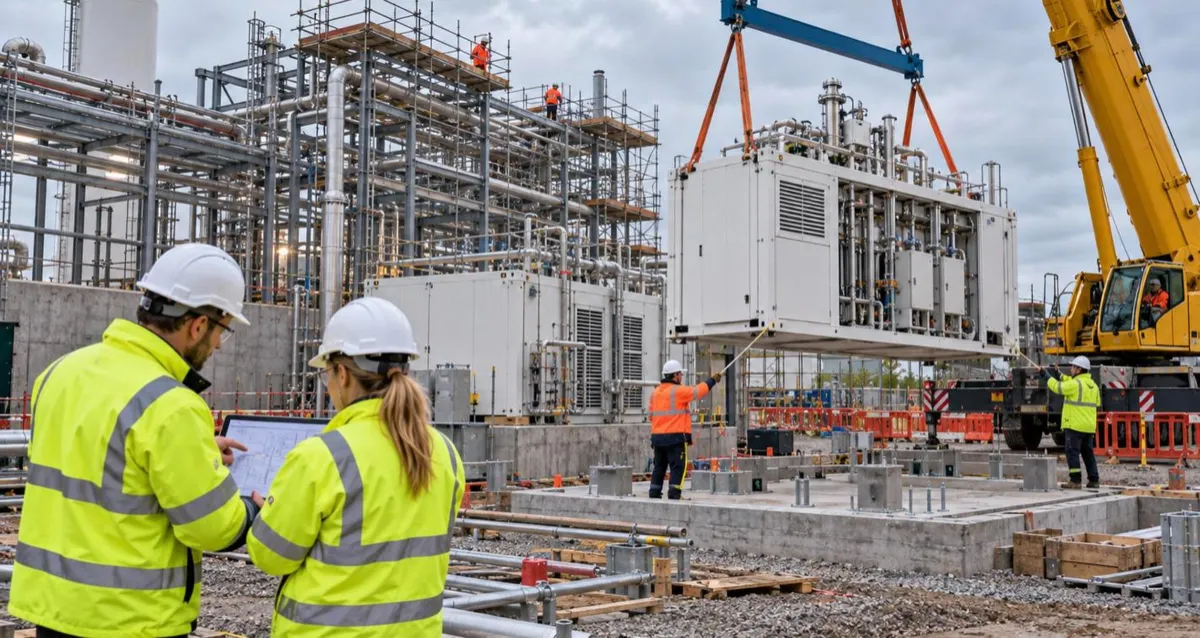
Hydrogen project construction insurance protects an electrolyser plant, refuelling station or storage facility while it's being built, tested and commissioned. The central cover is construction all risks, which pays for physical loss or damage to the works, materials and equipment on site and often in transit. It's usually paired with delay in start-up cover, which pays for the revenue or debt costs lost if an insured event pushes back the start of operations, and with third-party liability for the construction phase. Contractors also need their own employers' liability, public liability and, for design work, professional indemnity. Insurers focus on the testing and commissioning period, when hydrogen is introduced for the first time, because that's when most losses on process plant happen. Lenders usually set the minimum terms.
Key facts at a glance
- Commissioning is the riskiest stage. Most insurers treat the period when hydrogen is first introduced as the highest risk in the build.
- Lenders set the terms. Banks and investors usually require construction all risks and delay in start-up with specific wording.
- Delay in start-up protects the revenue. It pays lost income or debt costs if an insured loss delays the start date.
- Prototype equipment needs disclosure. New or modified electrolyser designs can be excluded unless declared.
- Handover needs planning. Gaps between construction and operational cover are common and avoidable.
What insurance does a hydrogen construction project need?
A hydrogen build normally needs construction all risks, delay in start-up, third-party liability and marine cargo cover for imported equipment, plus the contractors' own policies.
| Cover | Who arranges it | What it protects |
|---|---|---|
| Construction all risks | Developer or principal contractor | The works, materials and plant during the build |
| Delay in start-up | Developer | Lost revenue or debt costs from a late start |
| Marine cargo | Developer | Electrolysers and compressors in transit from the manufacturer |
| Third-party liability | Developer and contractors | Injury or damage to others during the works |
| Employers' liability | Each contractor | Injuries to their staff |
| Professional indemnity | Designers and engineers | Design errors and negligent advice |
Once the plant is running, cover moves to an operational programme, explained in our guide to hydrogen production insurance.
Why is commissioning the critical stage?
During commissioning, equipment runs for the first time with hydrogen in the system. Faults that were invisible during installation show up, and insurers treat this stage with care.
Most construction policies cover testing and commissioning for a set period, often with a separate deductible. If commissioning overruns, the cover may need extending, and the insurer will want to know why. Agree the testing period with the insurer at the start and build some slack into it.
Insurers also look at whether the electrolyser is a proven model. If the equipment is a prototype or has been modified for your project, some policies exclude damage to it during testing. That has to be disclosed and negotiated, not discovered after a loss.
Construction policies vary a great deal in how they treat damage caused by defective design, materials or workmanship. The wording chosen can decide whether a failed component is covered or not, so lenders often specify it.
What do lenders usually require?
Lenders want to know their loan is protected if the project is damaged or delayed.
- Construction all risks for the full contract value
- Delay in start-up covering debt service and fixed costs
- The lender named on the policy with loss payee rights
- Non-vitiation wording so one party's breach doesn't void cover for others
- Insurers with acceptable financial strength ratings
- A lender's insurance adviser review of the programme
The same lender expectations come up on battery projects. Our guide to BESS insurance requirements for lenders covers them in more detail.
How should you set up construction cover?
- Decide who insures the works. Developer-controlled programmes give more control over claims.
- Share the full programme. Including commissioning dates and float.
- Disclose the technology. Manufacturer, model and any modifications.
- Cover the journey. Imported equipment needs marine cargo cover, ideally linked to delay in start-up.
- Check every contractor's cover. Get certificates before they start on site.
- Plan the handover. Arrange operational cover to start at practical completion.
Frequently asked questions
It covers physical loss or damage to the works, materials and equipment on a construction site from causes not specifically excluded.
On larger projects the developer often arranges it to keep control. On smaller jobs the principal contractor may insure the works.
Usually for a set period. Make sure the period is long enough and agree it with the insurer upfront.
Lost revenue or debt costs if an insured loss delays the start of operations.
Sometimes, but it must be disclosed. Some policies exclude damage to prototype equipment during testing.
If your electrolysers or compressors are imported, yes. Damage in transit can delay the whole project.
Yes. Each contractor needs employers' liability and public liability, and designers need professional indemnity.
The construction cover ends and the operational policy takes over. Any gap leaves the plant uninsured.
Yes. Smaller builds can often be placed through specialist construction and engineering markets.
Allow several weeks, as insurers need the contract, programme and technical details.
Related guides from Miller & Partner

Miller & Partner Limited (FRN 1029698) is an Appointed Representative of Gauntlet Risk Management Ltd (FRN 308081), which is authorised and regulated by the Financial Conduct Authority. Miller & Partner Limited is registered in England and Wales (company number 16206282) and trades from Vivian House, Roman Bridge Close, Mumbles, Swansea SA3 5BG. This article is general information, not a personal recommendation or an offer of cover. Cover is subject to insurer acceptance and the full terms, conditions and exclusions of the policy issued.







Instagram
LinkedIn