


Build-to-Rent Insurance UK | BTR Block & Portfolio Cover
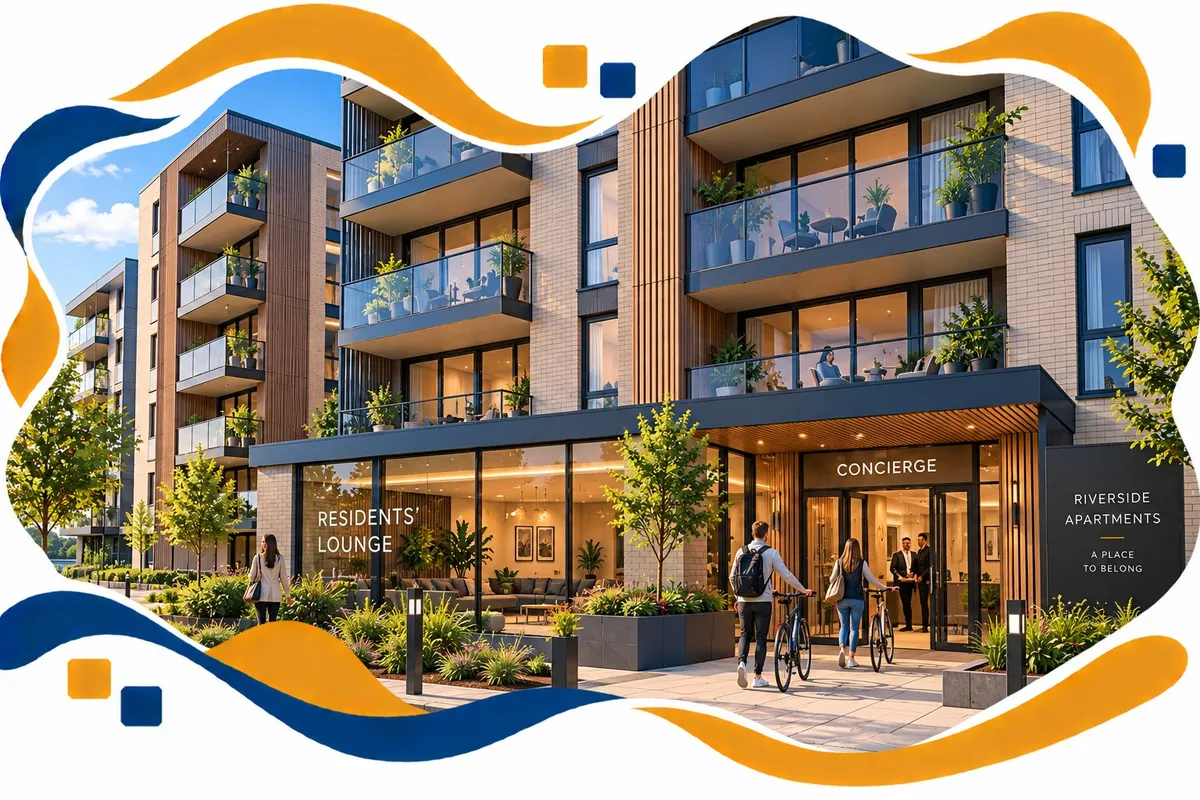
Build-to-rent insurance covers a purpose-built residential block that is owned and let by a single landlord rather than sold off as individual flats. It combines buildings insurance on the whole block, loss of rent for when flats cannot be let after damage, property owners' liability for residents and visitors, and cover for the shared amenities that set build-to-rent apart: gyms, lounges, roof terraces, co-working space and concierge areas. Because one owner carries every flat, a single fire or escape of water can stop rent across dozens of units at once, so the sum insured, the loss of rent period and the water damage terms matter more than on a typical block. Miller & Partner arranges build-to-rent cover for investors, developers and operators, from a single block to a regional portfolio.
Key facts at a glance
- One owner, one policy. Unlike a leasehold block, the landlord insures and carries the risk on every flat.
- Loss of rent is the big number. A fire or flood can stop income across many units at once, so the indemnity period needs to cover a full reinstatement and re-letting.
- Escape of water drives claims. High flat density and shared risers make water damage the most frequent loss.
- Amenities add exposure. Gyms, roof terraces and residents' lounges bring extra liability and contents risk.
- Building safety rules apply. Taller blocks fall under the higher-risk building regime, and insurers ask about it.
- Operator model matters. Who manages the block, how incidents are handled and how voids are controlled all shape the terms.
What makes build-to-rent different from a normal block of flats?
A typical block of flats is owned by a freeholder or residents' management company, with leaseholders owning the individual flats and paying a share of the buildings insurance through the service charge. Build-to-rent works differently. A single investor or operator owns all the flats and lets them directly, often with an on-site team, shared facilities and a brand. That changes the insurance in three ways:
- Income is concentrated. The owner's return depends on rent from every flat, so loss of rent cover becomes as important as the buildings cover.
- The owner controls everything. Maintenance, fire safety, tenant vetting and incident response all sit with one party, which underwriters see as a positive when it is done well.
- Amenities are part of the product. Communal spaces are used heavily and need to be covered for both damage and liability.
For leasehold blocks, our main block of flats insurance page and guide to RMC and RTM company insurance cover how those arrangements work.
What cover does a build-to-rent block need?
| Cover | What it does | Build-to-rent point to watch |
|---|---|---|
| Buildings | Repairs or rebuilds the block after fire, flood, storm, escape of water and other damage. | Use a professional reinstatement valuation; build-to-rent specifications and amenities raise rebuild costs. |
| Loss of rent | Replaces rent lost while flats are uninhabitable. | Allow for rebuild time plus re-letting; 24 to 36 months is common for larger blocks. |
| Property owners' liability | Covers injury or damage to residents, visitors and neighbours arising from the building. | Gyms, roof terraces and play areas need to be declared. |
| Landlord's contents | Covers furniture and appliances you supply in flats and communal areas. | Furnished lets and fitted amenity spaces can add significant value. |
| Employers' liability | Compulsory if you employ concierge, maintenance or amenity staff. | Check whether staff are employed by you or by a separate operator. |
| Terrorism | Covers damage from an act of terrorism. | Often required by lenders and investors on city-centre blocks. |
Terrorism cover is explained in our guide to terrorism insurance, and the way rent and income cover is calculated is set out in our business interruption guide.
Why is loss of rent so important for build-to-rent?
Loss of rent cover pays the rent you would have received while flats cannot be lived in after insured damage. The two settings that decide whether it works are the sum insured, which should reflect the full annual rent roll including any expected rent increases, and the indemnity period, which should run long enough to cover design, approvals, rebuilding and re-letting the flats. On a large block, 12 months is rarely enough. Shorting the indemnity period to save premium is one of the most common mistakes we see.
Damage to shared parts can also stop rent even when individual flats are undamaged. A lift, plant room or main electrical intake out of action can make upper floors uninhabitable. Check that the policy responds to loss of access and damage to shared services, not just damage to the flats themselves.
What do insurers ask about a build-to-rent block?
- Construction and height. Frame type, cladding and external wall materials, number of storeys and whether the block is a higher-risk building under the Building Safety Act. Blocks with combustible cladding or timber frames narrow the market; see our guides to cladding and EWS1 and timber frame blocks of flats.
- Fire safety. Fire risk assessment, detection and alarms, sprinklers where fitted, compartmentation and fire doors, and the evacuation strategy.
- Water controls. Leak detection, automatic shut-off valves, riser monitoring and how quickly the on-site team responds out of hours.
- Management. Whether you operate the block yourself or use a specialist operator, tenant referencing, inspection routines and maintenance contracts.
- Mixed use. Ground-floor shops, cafes or gyms open to the public change the risk; see mixed-use block insurance.
- Voids and lease-up. Newly completed blocks with many empty flats can trigger unoccupancy conditions. Agree terms for the lease-up period in advance; see vacant and mixed occupancy blocks.
What about the move from construction to operation?
Build-to-rent schemes are often forward-funded, with the investor taking ownership at completion. Arrange the operational policy well before handover, agree how phased completions will be covered, and check whether delay in start-up cover is needed to protect the expected rent if a loss during construction pushes back the opening. For timber-framed schemes, our guide to timber frame construction insurance covers the build phase.
Can you insure a build-to-rent block that others have declined?
Through the Insurability Framework™ we assemble the construction and fire safety evidence, the management information and the claims history, address any previous decline directly, and present the block to markets that write large residential risks. If a claim is the issue, see block of flats insurance after a claim; if cover has been refused outright, see insurance after being refused cover.
How do you set up build-to-rent insurance?
- Get a reinstatement valuation. Include amenities, plant and external works.
- Calculate the rent roll. Full annual rent at full occupancy, with a realistic indemnity period.
- Pull together the safety pack. Fire risk assessment, building safety information, water controls and maintenance records.
- Describe the operation. Who manages the block, staffing, amenities and any commercial units.
- Plan for lease-up and handover. Agree cover for empty flats and phased completions before they happen.
Frequently asked questions
It is a property insurance package for a residential block owned by one landlord and let to tenants. It usually includes buildings cover, loss of rent, property owners' liability, landlord's contents and, where staff are employed, employers' liability.
In a leasehold block the freeholder insures the building and leaseholders own the flats. In build-to-rent one owner holds every flat and the whole rent roll, so loss of rent, amenities and the management operation play a much bigger part in the cover.
Long enough to cover design, approvals, rebuilding and re-letting after a serious loss. For larger blocks that is often 24 to 36 months. A short indemnity period saves little premium and can leave a large gap.
They can be, but they need to be declared. Insurers want to know about the amenities, how they are supervised and maintained, and whether they are open to anyone other than residents.
Standard unoccupancy conditions may restrict cover. Tell the insurer the block is in lease-up and agree terms that reflect it, including inspection routines for empty flats.
For higher-risk buildings, insurers ask about registration, the accountable person and the safety case. Good building safety information gives underwriters confidence and can improve terms.
Yes. A portfolio policy can cover several build-to-rent blocks with consistent terms and one renewal date, often at a better rate than insuring each block separately.
Yes. Declines for cladding, timber construction, claims or size narrow the market but do not close it. A full, organised presentation to specialist markets is usually what makes the difference.
Related guides from Miller & Partner







Instagram
LinkedIn