


Timber Frame Construction Insurance UK | Specialist Cover
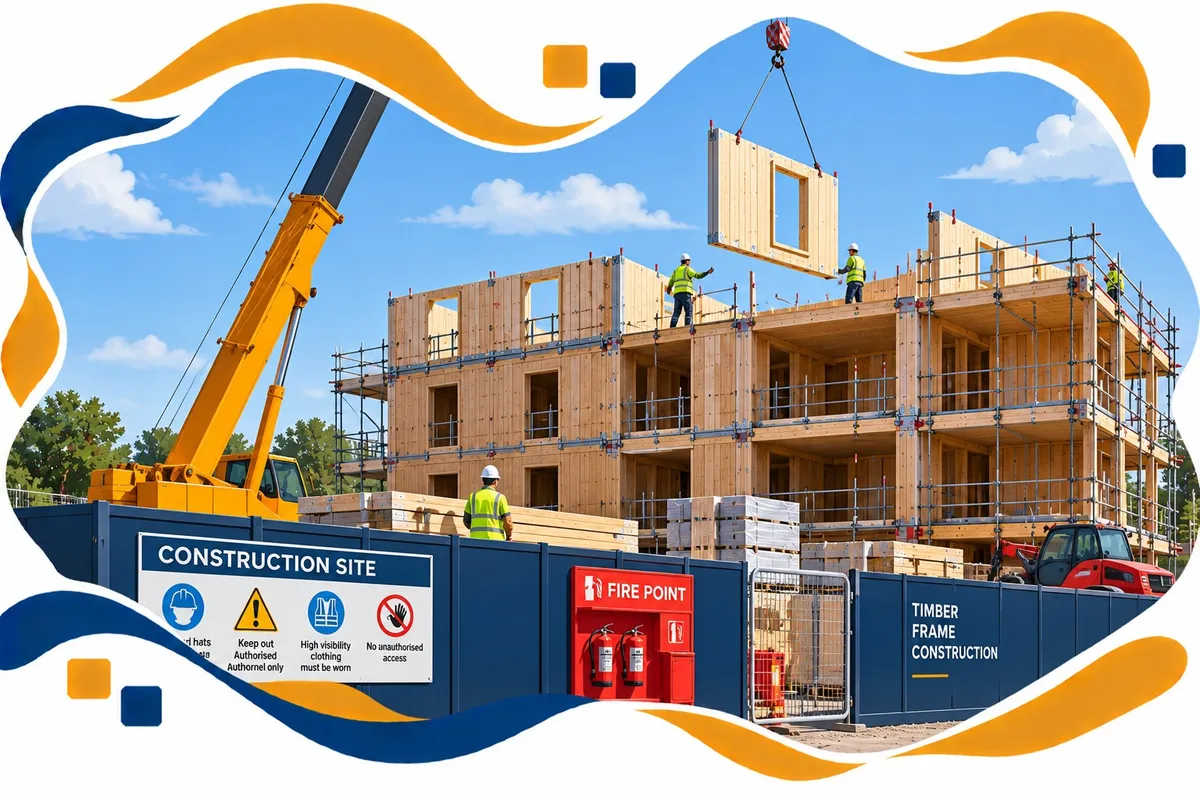
Timber frame construction insurance covers contractors, developers and frame erectors while a timber-framed or mass timber building is being built. The core is contract works cover for the building under construction, alongside public liability, employers' liability and cover for plant and tools. Timber frame sites are among the hardest construction risks to place because a partly built frame, before the plasterboard, cavity barriers and fire protection go in, can be lost to fire in minutes — and a fire can spread to neighbouring buildings. Insurers price that window carefully and attach conditions on hot works, site security, fire detection and separating distances. Miller & Partner places timber frame construction risks with specialist and Lloyd's markets, including projects and contractors that mainstream insurers have declined.
Key facts at a glance
- The build phase is the highest-risk point. An open timber frame without its linings and fire stopping is far more vulnerable than the finished building.
- Fire can leave the site. A large frame fire can damage neighbouring property, so separating distances and third-party liability limits matter.
- Site fire safety is a policy condition. Larger contract works policies often require compliance with recognised construction site fire safety guidance.
- Hot works are the classic cause. A strict permit-to-work regime is one of the first things insurers ask about.
- Security matters out of hours. Arson on unoccupied sites is a significant cause of timber frame losses.
- Declines are about the category. Specialist markets will write timber frame sites that present their controls properly.
Why are timber frame construction sites hard to insure?
A completed timber-framed building is protected by plasterboard linings, cavity barriers, fire stopping and compartmentation. A timber frame under construction has none of that yet. Floors, walls and roof members stand open to the air, with packaging, offcuts and temporary works around them. A fire in that state can involve the whole structure quickly, and the radiant heat can ignite neighbouring buildings.
The insurance consequences are serious: the contract works can be a total loss, neighbouring property owners can claim, and the project may be delayed by months. That combination is why contract works insurers rate timber frame sites carefully and why several will not write them at all. Our guide to contractors all risks insurance explains how contract works cover operates generally; this guide covers what is specific to timber frame.
What cover does a timber frame contractor or developer need?
- Contract works for the frame, materials on site and the building as it rises, up to the full contract value plus fees and debris removal.
- Public liability with a limit that reflects the risk of fire spreading to adjoining property. Small limits are a false economy on a dense urban timber frame site.
- Employers' liability, compulsory once you employ anyone, including labour-only subcontractors who may count as employees.
- Own plant, hired-in plant and tools, including cranes and telehandlers used to lift panels. See hired-in plant insurance.
- Materials in transit and in storage, especially for panels and cassettes delivered ahead of erection.
- Delay in start-up for developers whose rental income or financing depends on completion. See delay in start-up insurance.
Many contractors bundle these into a single contractors combined policy. For timber frame work, check the policy actually covers timber frame construction and does not exclude it or apply a separate fire excess you cannot carry.
What site controls do insurers expect on a timber frame project?
| Control | What insurers look for | Why it matters |
|---|---|---|
| Site fire safety plan | A written plan following recognised construction site fire safety guidance, with a named person responsible. | Larger contract works policies often make compliance a condition. |
| Hot works permits | Permits for every hot work, fire watch afterwards, and hot works kept away from exposed timber wherever possible. | Hot works are a classic cause of construction fires. |
| Temporary detection | Site fire alarms or wireless detection as the frame rises, ideally monitored out of hours. | Early warning reduces the chance of losing the whole frame. |
| Security | Secure hoarding, lighting, CCTV and patrols where needed. | Arson on empty sites is a major cause of timber frame losses. |
| Separating distances | Design and phasing that account for the distance to neighbouring buildings, using industry guidance for timber frame sites. | Limits fire spread to third-party property. |
| Early fire protection | Plasterboard, cavity barriers and fire stopping installed as early as the build sequence allows. | Shortens the period the frame is fully exposed. |
| Waste and storage | Regular removal of combustible waste and controlled storage of materials and gas cylinders. | Removes easy fuel and ignition sources. |
Who needs timber frame construction insurance?
- Main contractors and developers responsible for the contract works and the site as a whole. See construction insurance.
- Timber frame erectors and panel installers who need liability cover for the frame they erect and the plant they use to lift it. See carpenter and subcontractor tools insurance.
- Modular and offsite builders delivering timber cassettes and volumetric units. See modular construction insurance.
- Sustainable and self-build specialists using timber, SIPs and natural materials. See eco builder insurance.
- Mass timber contractors erecting CLT and glulam structures. See CLT and mass timber building insurance.
What happens at handover?
Once the building is handed over, the owner, freeholder or residents' management company needs buildings insurance in place on that date. Timber-framed and mass timber buildings face a narrower property market than masonry ones, so leaving it to the last week risks a gap. See our guides to timber frame building insurance and timber frame block of flats insurance for what the completed building will need.
Declined because the project is timber frame?
This is where the Insurability Framework™ helps. We set out the project, the build sequence, the site fire safety plan and your track record on previous timber frame jobs, deal with any past claims openly, and present it once to markets that write timber frame construction. If you have been refused already, see insurance after being refused cover; if a previous site fire is the issue, see business insurance with a claims history.
How do you set up timber frame construction insurance?
- Start before the contract is signed. Insurance requirements and site fire safety obligations should shape the build programme, not follow it.
- Prepare the site fire safety plan. Hot works, detection, security, storage and separating distances, with a named person responsible.
- Value the works properly. Full contract value, professional fees, debris removal and any client-supplied materials.
- Set the liability limit for the neighbours. Consider what a frame fire could do to adjoining buildings.
- Plan the handover. Arrange the completed building's property insurance well before practical completion.
Frequently asked questions
Yes. A timber frame under construction is highly vulnerable to fire until linings, cavity barriers and fire protection are in place, and a fire can spread to neighbouring property. Several insurers restrict or decline timber frame sites, but specialist markets write them when site controls are presented properly.
It covers the building under construction, materials on site and the temporary works against damage such as fire, storm, flood and theft, up to the full contract value. For timber frame projects it often comes with specific conditions on hot works, security and site fire safety.
On most timber frame projects, yes — and on larger contracts compliance with recognised construction site fire safety guidance is often a policy condition. A written plan covering hot works, detection, security, storage and separating distances is one of the first things underwriters ask for.
Because a fire in an open timber frame can damage neighbouring buildings through radiant heat and flying embers. On dense urban sites the potential third-party claim can be very large, so the liability limit should reflect what is next door, not just the size of the job.
Not automatically. Some contractors combined policies exclude timber frame construction or apply restrictions and separate fire excesses. Check the wording and declare the type of work clearly so the policy responds when you need it.
Yes. Erectors and panel installers need public and employers' liability, and cover for their tools and any plant they own or hire. The main contractor will usually ask to see evidence of their cover before they start on site.
Contract works cover normally ends at practical completion, and the owner needs buildings insurance from that date. Timber-framed buildings face a narrower property market, so the property placement should start well before handover to avoid a gap.
Yes. A previous fire narrows the market, but specialist underwriters will consider it if you can show what caused it and what has changed in your site controls. Full, organised disclosure gives the best chance of reasonable terms.
Related guides from Miller & Partner







Instagram
LinkedIn