

FS Register FRN 1029698

54 Five Star Google Reviews

13+ years specialist broking experience

General information, not advice. Written for general guidance and drawing on external sources as well as our own experience. It isn't a personal recommendation and doesn't take account of your circumstances — full disclaimer and sources.

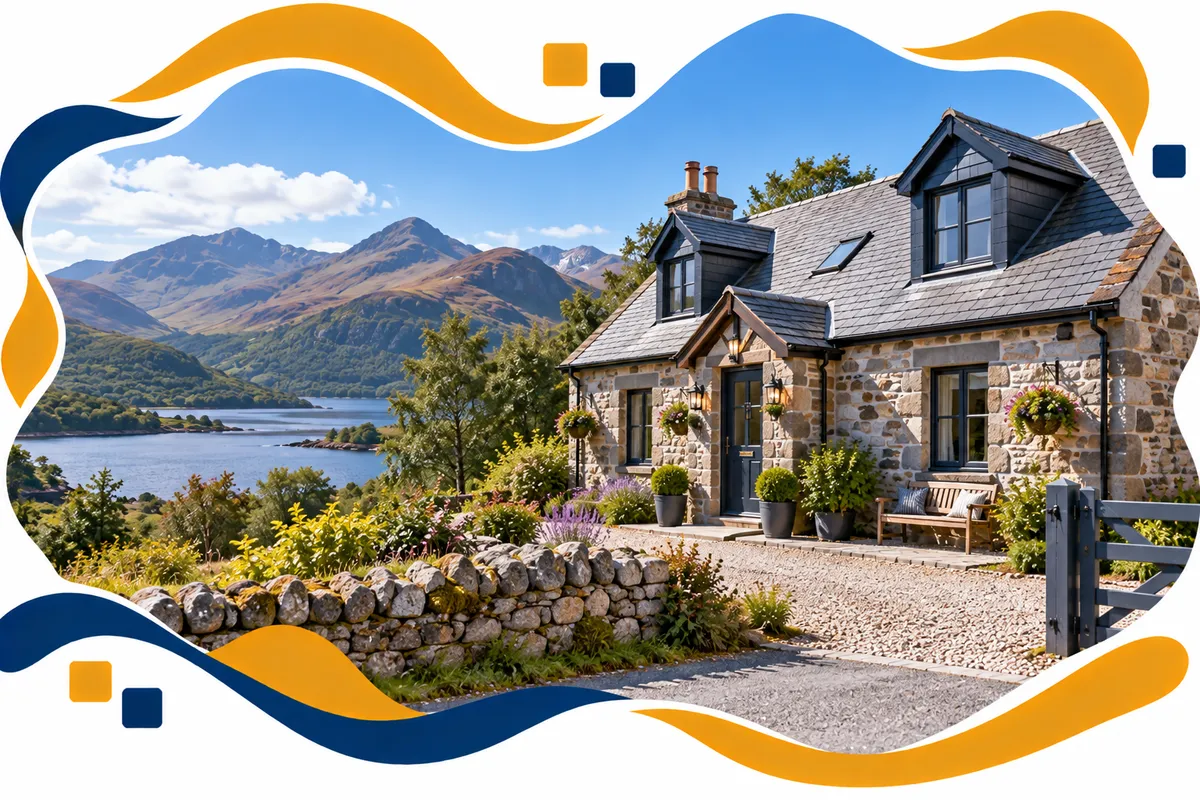
Stone holiday cottage in the Scottish Highlands, a licensed short-term let needing buildings and public liability insurance

Scotland Short-Term Let Licence Insurance Requirements

October 12, 2026

Published: 12 October 2026 | Reading time: 8 minutes | Category: Property | Author: John Miller, Miller & Partner

Last reviewed by John Miller, Director & Principal Broker — 12 October 2026
FS Register FRN 1029698 13+ years specialist commercial broking Lloyd's & specialist MGA market access Independent UK broker

Every short-term let in Scotland needs a licence from the local council, and two of the mandatory licence conditions are about insurance. Under Schedule 3 of the Civic Government (Scotland) Act 1982 (Licensing of Short-term Lets) Order 2022, the host must keep valid buildings insurance for the whole period of the licence, and valid public liability insurance for the duration of every short-term let. "Valid" is the key word: a standard home or landlord policy that excludes paying guests may not be valid for short-let use at all, which would put the host in breach of the licence as well as uninsured. The other conditions, covering fire, gas and electrical safety, legionella, occupancy and repair, are also what insurers check at claim stage. Miller & Partner arranges short-let buildings and liability cover for licensed Scottish hosts, including properties mainstream insurers decline.

Licensing a short let in Scotland? Get buildings and public liability cover that's actually valid for paying guests.

Key facts at a glance

  1. All short lets in Scotland need a licence. Existing hosts had to apply by 1 October 2023.
  2. Buildings insurance is a mandatory condition for the full duration of the licence.
  3. Public liability insurance is a mandatory condition for the duration of every let.
  4. The cover has to be valid for short letting. A policy that excludes paying guests doesn't meet the condition in practice.
  5. Operating without a licence is a criminal offence, with a fine of up to £2,500.
  6. Safety conditions double as insurance conditions. Missing certificates can hurt you twice.

What insurance does a Scottish short-term let licence require?

Two policies. You must have valid buildings insurance in place for the whole period of the licence, and valid public liability insurance for the duration of each short-term let. Both are mandatory conditions in Schedule 3 of the 2022 licensing order, so they apply to every licence.

The order doesn't set a minimum public liability limit. In practice, £2 million is the floor most hosts start from and £5 million is increasingly common, particularly for larger properties, hot tubs or group bookings. Some councils and platforms ask to see evidence of cover; keep your schedules to hand.

Does my home or landlord insurance meet the licence condition?

Usually not. Home insurance assumes owner occupation and landlord insurance assumes a long-term tenancy. Most exclude paying short-stay guests or require them to be declared and accepted. If your policy excludes short letting, it isn't valid cover for the let, and you may be in breach of the licence.

Read the policy's occupancy definitions and exclusions. Look for wording about business use, paying guests, holiday letting or lets of less than a set period. If short letting isn't expressly covered, ask the insurer in writing or move to a short-let policy. Our Airbnb and short-let insurance page explains what a proper policy includes.

Flats need extra care. If you let a flat, the building is usually insured under a block policy arranged by the factor or owners' association. That policy needs to cover short-let use for you to meet the buildings insurance condition. See our guide to short letting a flat under a block policy.

Which licence conditions affect insurance claims?

The safety conditions: fire and carbon monoxide detection, fire-safe furnishings, annual gas checks, five-yearly electrical inspection with portable appliance testing, legionella risk assessment, the repairing standard and the licensed occupancy limit. Insurers look at the same things after a loss.
Licence conditionWhat it requiresWhy your insurer cares
Fire safetySuitable fire and carbon monoxide detectionFire claims are examined for alarms and cause
FurnishingsRecords showing upholstery and mattresses meet the 1988 fire safety regulationsNon-compliant furniture can affect a fire claim
Gas safetyAnnual inspection of pipes, flues and appliancesGas and carbon monoxide incidents lead to liability claims
Electrical safetyInspection at least every five years, an EICR and portable appliance testingElectrical fires are a leading cause of property claims
LegionellaA risk assessment for the water systemGuest illness claims fall on the liability section
OccupancyNo more guests than the licence allowsOver-occupancy can affect liability and damage claims
Safety and repairReasonable steps to keep the premises safe, and the repairing standard where it appliesPoor maintenance is a common reason claims are reduced

The licence also requires copies of the gas safety report, electrical report and appliance testing report to be available to guests on the premises.

What happens if I let without a licence or insurance?

Operating without a licence is a criminal offence, with a fine of up to £2,500. Breaching a licence condition, including the insurance conditions, can lead to a fine and to the licence being suspended or revoked. An insurer may also reduce or refuse a claim where the let was unlicensed.

Insurance proposals for short lets increasingly ask whether the property holds any licence it needs. Answering accurately matters: a property let without a licence it needed, or in breach of its conditions, is the kind of fact that comes out after a loss. Our guide to policies voided for non-disclosure explains the consequences.

What cover should a Scottish short-let host have?

Buildings and public liability meet the licence. Most hosts also need contents and furnishings, accidental and malicious damage by guests, loss of booking income after an insured event, and employers' liability if they employ cleaners or housekeepers.
  • Buildings at full rebuild value, with short-let use accepted. Mandatory under the licence.
  • Public liability for guest injury and damage to guests' property. Mandatory under the licence.
  • Contents and furnishings at replacement value.
  • Guest damage, accidental and malicious.
  • Loss of booking income while the property can't be let after insured damage. See business interruption insurance.
  • Employers' liability if you employ staff. A legal requirement in its own right.

Rural, thatched, listed and non-standard properties are common in Scottish holiday letting and often need specialist markets. This is where the Insurability Framework™ helps: we present the property, its licence and its safety records together so underwriters can price it properly.

How do I get insurance that meets the licence conditions?

  1. Check your current policy wording. Look for exclusions on paying guests, holiday letting or business use.
  2. Confirm who insures the building. Yourself, or a block policy for a flat. Either way, short-let use must be accepted.
  3. Arrange public liability for every let. Check the limit fits the property and the guest numbers.
  4. Gather your safety records. Gas, electrical, appliance testing, fire and legionella, which serve both the licence and the insurer.
  5. Keep evidence ready. Store policy schedules with the licence so you can show both on request.

Frequently asked questions

Yes. The mandatory licence conditions require valid buildings insurance for the duration of the licence and valid public liability insurance for the duration of each let. They apply to every short-term let licence.

The licensing order doesn't set a minimum. Most hosts carry at least £2 million, and £5 million is increasingly common, especially for larger properties, group bookings or features such as hot tubs.

Only if it expressly covers short-term letting to paying guests. Most home policies exclude it or need it declared and accepted. A policy that excludes the let is not valid cover for it.

Usually the block or common policy arranged by the factor or owners. You need to make sure that policy is in place and accepts short-let use, because the licence condition still applies to you.

Insurance is a mandatory licence condition, and councils can ask for evidence. Keep your policy schedules with your licence documents so you can produce them quickly.

Operating a short-term let without a licence is a criminal offence, with a fine of up to £2,500. Breaching licence conditions can lead to a fine and suspension or revocation of the licence.

Yes. Home sharing and home letting are both licensable types of short-term let in Scotland, with their own licence types. The insurance conditions apply to them too.

Yes. Specialist markets will consider it when the refusal, the property and its safety records are disclosed in full. See our guide to short-let insurance after a refusal.

Related guides from Miller & Partner

Make sure your licence and your cover line up. We'll arrange buildings and liability insurance that's valid for every let.

John Miller, Director and Principal Broker at Miller & Partner, specialist broker for short-let and holiday-let property risks
Written and reviewed by John Miller Director & Principal Broker, Miller & Partner Over 13 years of specialist commercial insurance experience, formerly with Brown & Brown and AXA. Places hard-to-place property risks through Lloyd's syndicates and specialist MGAs, including short lets, holiday lets and serviced accommodation across the UK.
Our regulatory status Miller & Partner Limited (FRN 1029698) is an Appointed Representative of Gauntlet Risk Management Ltd (FRN 308081), which is authorised and regulated by the Financial Conduct Authority. Miller & Partner Limited is registered in England and Wales (company number 16206282) and trades from Vivian House, Roman Bridge Close, Mumbles, Swansea SA3 5BG. This article is general information, not legal advice, a personal recommendation or an offer of cover. Licensing requirements are summarised from the 2022 order; check your council's current guidance. Cover is subject to insurer acceptance and the full terms, conditions and exclusions of the policy issued.
Back to Blog
About this article General information, not advice. Published for general guidance and drawing on external sources as well as our own experience. It is not a personal recommendation, a quotation, or an offer of cover, and it doesn't take account of your circumstances. Read more + Close −

Where the information comes from

Our articles are compiled from a range of sources: regulators and public bodies such as the FCA, the Civil Aviation Authority, the Health and Safety Executive and Companies House; government publications and legislation; industry and trade bodies; insurer and market documentation; and published research and news reporting. Not everything stated originates from Miller & Partner. Where information comes from a third party we believe it to be accurate at the date of publication, but we haven't independently verified every external source and we don't warrant its accuracy or completeness. Where a point matters to a decision you're making, go to the original source and check it.

Figures, examples and case studies

Premium ranges, cost figures, limits and worked examples are illustrative only. They are not quotations, not offers of cover, and no cover is provided or implied on the basis of them. What you're actually charged depends on underwriting, and what you're actually covered for depends on the policy wording issued to you. Where an article includes a claim example, scenario or case study, it is illustrative unless we say otherwise — such examples are typically composites written to show how a policy section responds, and they don't describe an identifiable client, claim or settlement.

Interactive tools

Any calculators, cover checkers, risk assessors or similar tools on our site produce general guidance from the small number of answers you give them. They can't see your business, and their output is not a personal recommendation, an assessment of your actual risk, or a quotation.

Rules and market conditions change

Law, regulation, tax treatment, insurer appetite and policy wordings all change, sometimes at short notice. Content is accurate to the best of our knowledge on the date shown on the article and we don't undertake to update it as things move. An article you're reading some time after publication may be out of date.

Third parties and external links

References to insurers, underwriters, trade bodies, software, training providers or other organisations are for information only. They don't imply endorsement, recommendation, partnership or affiliation in either direction unless stated. We're not responsible for the content of external websites we link to.

Not legal, tax or accounting advice

Nothing here is legal, tax, accounting or regulatory advice. Where an article discusses statutory duties, contract terms or compliance obligations, take advice from an appropriately qualified professional on your own position before acting.

How we write these

We use AI tools in researching and drafting our published content. Every article is reviewed and signed off by a named, accountable person at Miller & Partner before it is published, and responsibility for what appears here rests with us.

Our regulatory status

Miller & Partner Ltd is an Appointed Representative of Gauntlet Risk Management Ltd, which is authorised and regulated by the Financial Conduct Authority (FRN 308081). Miller & Partner Ltd is entered on the FCA Register under reference 1029698. Registered in England and Wales, company number 16206282. Registered office: Vivian House, Roman Bridge Close, Mumbles, Swansea, SA3 5BG.

Spotted something wrong?

We'd rather know. Email [email protected] or call 01792 001350 and we'll review and correct it.

For advice on your own insurance arrangements, speak to us directly — that's when we can take your circumstances into account and give you a recommendation.

Ready to protect your business?
Get expert advice and a tailored commercial insurance quote today.

✔ Independent broker
✔ Access to leading UK insurers
✔ Fast turnaround

[Request a quote]

[[email protected]]
[Call 01792 001350]

Exclusive Offer

Free Insurance Review
& Zero Broker Fee

Let us review your current insurance and see if we can improve your cover while reducing the cost.

✓
Free no-obligation insurance review tailored to your business
£
Zero broker fee on all new policies
⚡
Fast response from a real insurance specialist

You're in 🎉

Thanks for requesting your free review. We'll be in touch shortly.

🔒 No spam, ever. Your details are safe with us.

We're an Appointed Representative of Gauntlet Risk Management Ltd, which is authorised and regulated by the FCA. You can check our entry on the FCA Register.

MEET THE Director

Hey, I'm John!

I started Miller & Partner with the aim to bring back personable, approachable broking to UK businesses who were tired of large corporate brokers and feeling like they were just another number.

I have built this brokerage up with no pushy sales techniques or big business tactics, just honest, approachable and professional relationships with my clients.

Over 13 years experience in business insurance

Client first approach

5* rated broker on Google

Office: Vivian House, Roman Bridge Close, Mumbles, Swansea, SA3 5BG

Miller & Partner Ltd is an Appointed Representative of Gauntlet Risk Management Ltd, which is authorised and regulated by the Financial Conduct Authority (FRN 308081). Miller & Partner Ltd is entered on the Financial Services Register under firm reference number 1029698. You may check this on the Financial Services Register by visiting the FCA website at https://www.fca.org.uk/firms/financial-services-register or by contacting the FCA on 0800 111 6768. Miller & Partner Ltd is registered in England & Wales, company number 16206282. Registered office: 20 Vivian House, Roman Bridge Close, Swansea, SA3 5BG.





